

My Garage
My Account
Cart
Genuine Ford Crankshaft Seal
Crankshaft Seals- Select Vehicle by Model
- Select Vehicle by VIN
Select Vehicle by Model
orMake
Model
Year
Select Vehicle by VIN
For the most accurate results, select vehicle by your VIN (Vehicle Identification Number).
76 Crankshaft Seals found
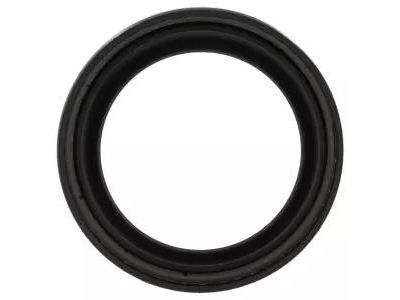
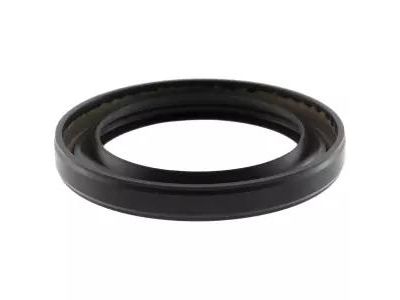
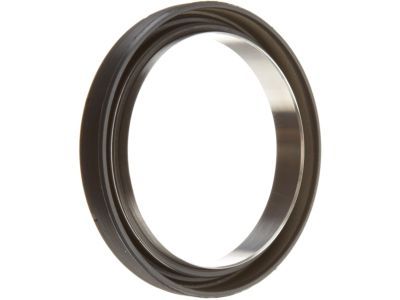
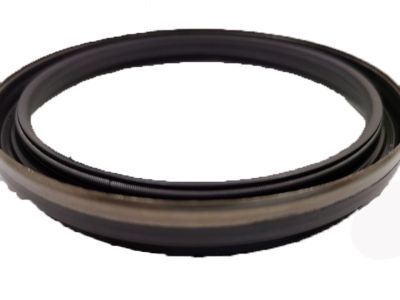
Ford Timing Cover Front Seal
Part Number: CM5Z-6700-E$13.46 MSRP: $17.50You Save: $4.04 (24%)Ships in 1-3 Business DaysProduct Specifications- Other Name: Seal Assembly - Crankshaft Oil - Front
- Position: Front
- Replaces: 1S7Z-6700-AA, CM5Z-6700-A, 9E5Z-6700-A, CM5Z-6700-C
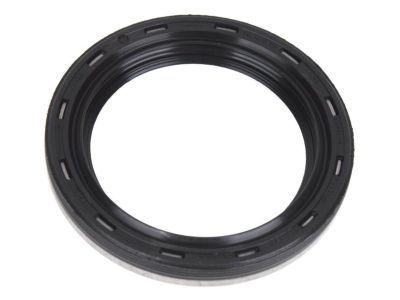
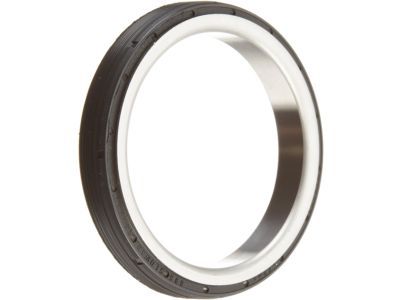
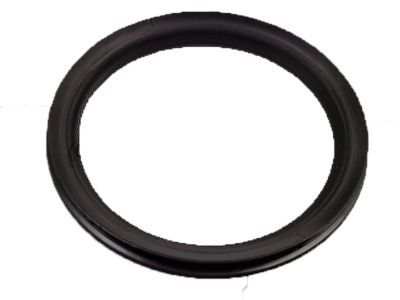
 Product Specifications
- Other Name: Seal Assembly - Crankshaft Oil - Front; Front Crank Seal, Front Seal
- Position: Front
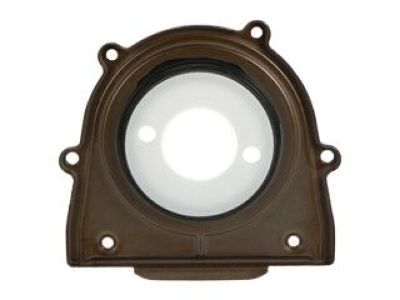
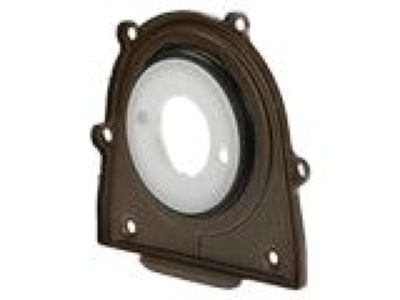
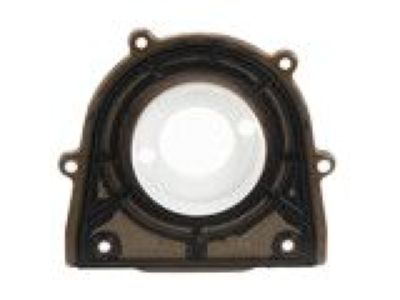
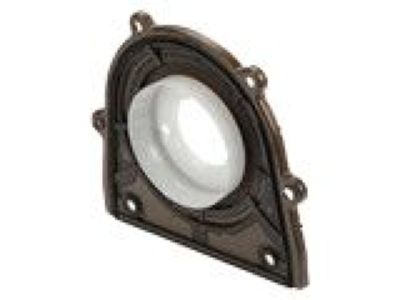
 Product Specifications
- Other Name: SEAL ASY - CRANKSHAFT OIL; Rear Main Seal, Rear Main Seal Retainer, Rear Seal
- Replaces: 1S7Z-6K301-AA, 1S7Z-6D309-AA, 1S7Z-6K301-BA
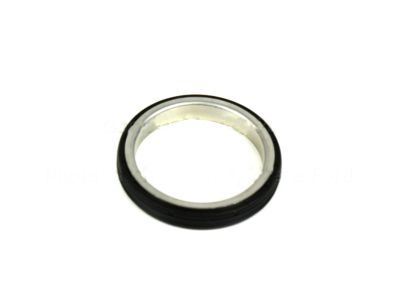
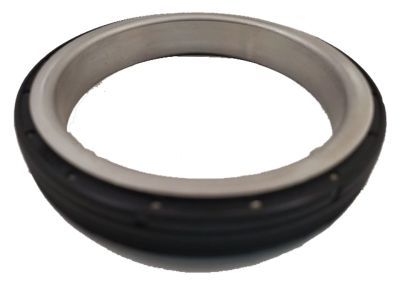
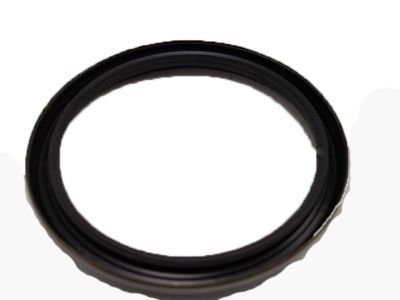
 Product Specifications
- Other Name: Seal Assembly - Crankshaft Oil
- Replaces: D7RZ-6701-A, F77Z-6701-BA, F77Z-6701-AA
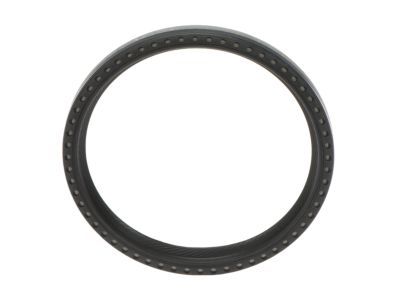
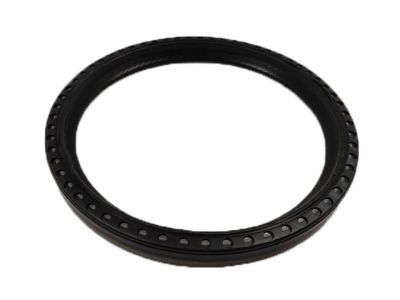
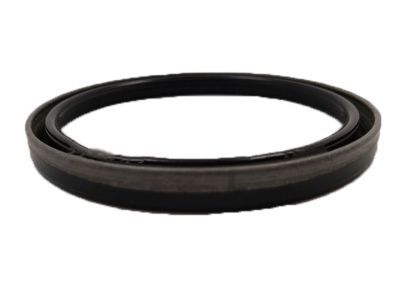
Ford Rear Main Seal
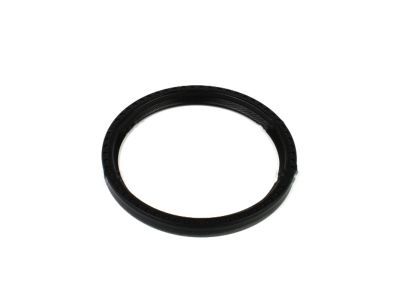
Part Number: AT4Z-6701-A$30.78 MSRP: $45.00You Save: $14.22 (32%)Ships in 1 Business DayProduct Specifications- Other Name: Seal Assembly - Crankshaft Oil; Crankshaft Seal, Rear Main Seal, Rear Seal
- Replaces: 7T4Z-6701-AA, 7T4Z-6701-B
Ford Oil Pan Rear Seal
Part Number: F4AZ-6701-A$33.74 MSRP: $49.33You Save: $15.59 (32%)Ships in 1-2 Business DaysProduct Specifications- Other Name: Seal Assembly - Crankshaft Oil
- Replaces: F3AZ-6701-B
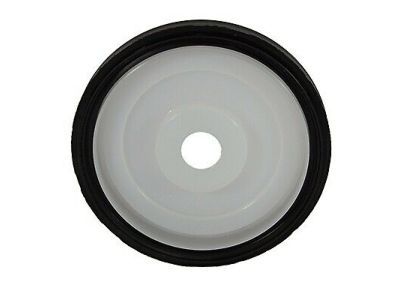
Ford Rear Main Seal
Part Number: BC3Z-6701-A$29.72 MSRP: $39.08You Save: $9.36 (24%)Ships in 1 Business DayProduct Specifications- Other Name: Seal Assembly - Crankshaft Oil; Rear Main Seal
- Manufacturer Note: Seal
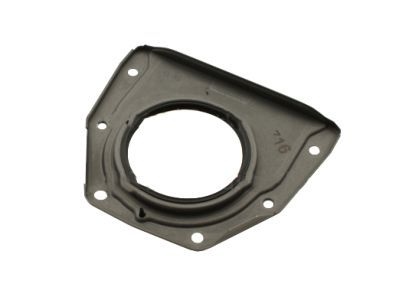
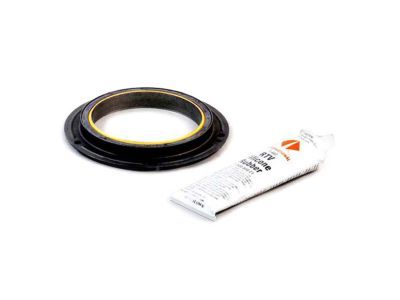
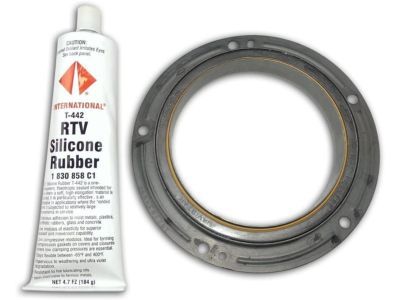
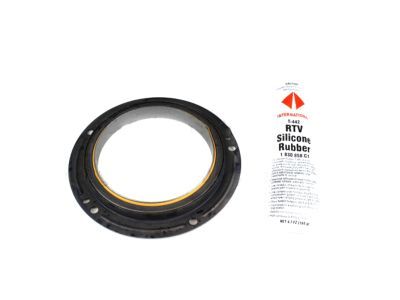
Ford Rear Main Seal Retainer
Part Number: BM5Z-6K301-B$24.51 MSRP: $35.83You Save: $11.32 (32%)Ships in 1 Business DayProduct Specifications- Other Name: Retainer - Crankshaft Oil Seal; Rear Main Seal Retainer
- Manufacturer Note: Includes Seal
- Replaces: BE8Z-6K301-A
 Product Specifications
- Other Name: Seal Assembly - Crankshaft Oil; Rear Main Seal
- Position: Rear
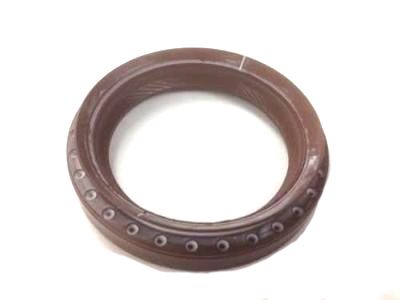
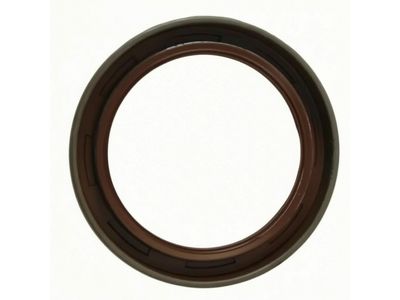
 Product Specifications
- Other Name: Seal Assembly - Crankshaft Oil - Front
- Position: Front
- Replaces: XW4Z-6700-A
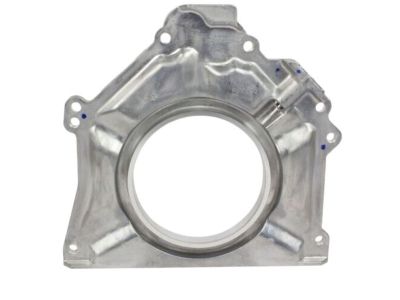
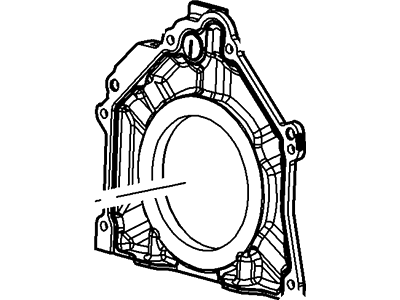
Ford Rear Main Seal Retainer
Part Number: BR3Z-6K301-B$40.13 MSRP: $58.67You Save: $18.54 (32%)Ships in 1 Business DayProduct Specifications- Other Name: Retainer - Crankshaft Oil Seal; Rear Main Seal Retainer
- Replaces: BR3Z-6K301-A
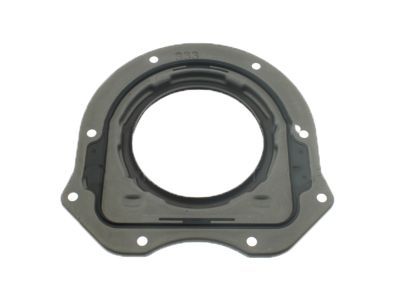
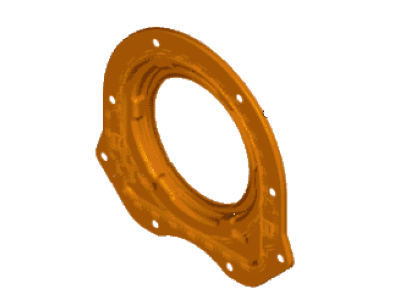
Ford Rear Main Seal
Part Number: 3S7Z-6701-A$25.42 MSRP: $37.17You Save: $11.75 (32%)Ships in 1-3 Business DaysProduct Specifications- Other Name: Seal Assembly - Crankshaft Oil; Rear Main Seal
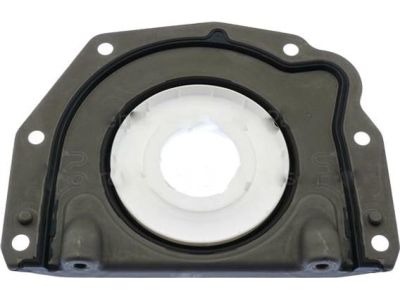
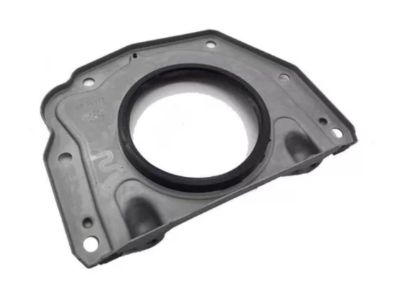
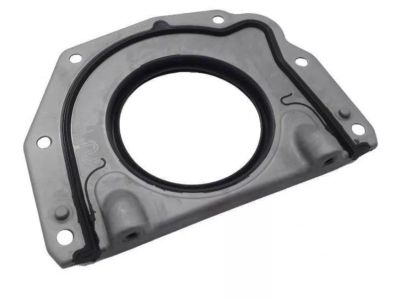
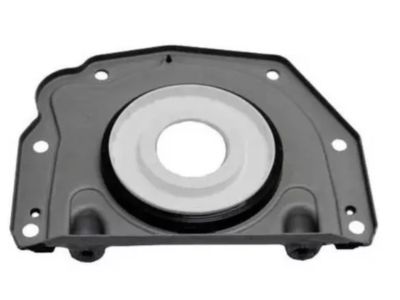
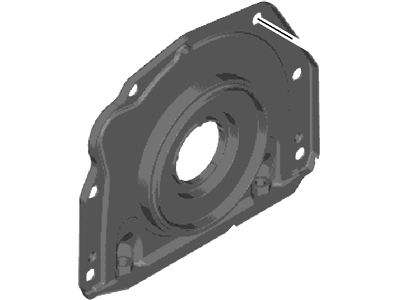
Ford Rear Main Seal Retainer
Part Number: CM5Z-6335-A$26.90 MSRP: $38.32You Save: $11.42 (30%)Ships in 1-3 Business DaysProduct Specifications- Other Name: Retainer - Crankshaft Oil Seal; Rear Main Seal Retainer
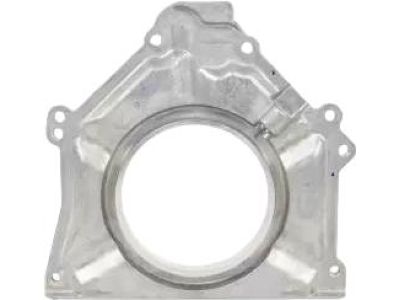
Ford Rear Main Seal Retainer
Part Number: JR3Z-6K301-A$42.29 MSRP: $61.83You Save: $19.54 (32%)Ships in 1-3 Business DaysProduct Specifications- Other Name: Retainer - Crankshaft Oil Seal; Rear Main Seal Retainer
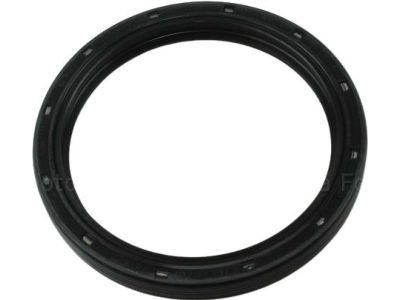
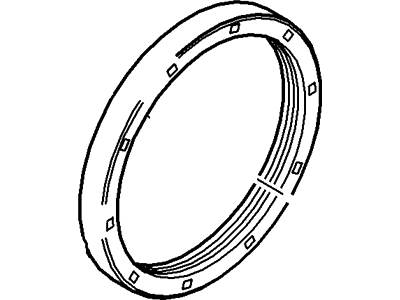
Ford Rear Main Seal
Part Number: E7FZ-6701-A$25.27 MSRP: $36.00You Save: $10.73 (30%)Ships in 1-3 Business DaysProduct Specifications- Other Name: Seal Assembly - Crankshaft Oil; Rear Main Seal, Rear Seal
- Manufacturer Note: #E7EE-A1A-USED W/ ASY. #FOEE-6K301-AA
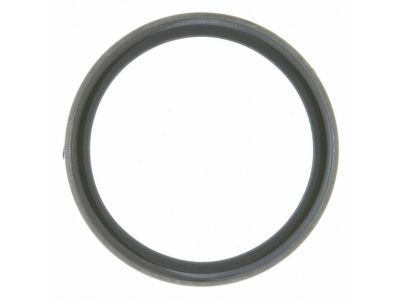
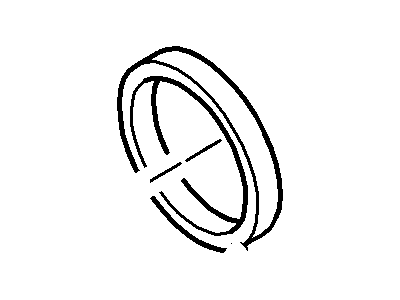
Ford Crankshaft Oil Seal Assembly
Part Number: F3AZ-6701-B$33.74 MSRP: $49.33You Save: $15.59 (32%)Ships in 1-2 Business DaysProduct Specifications- Other Name: Seal Assembly - Crankshaft Oil
- Replaced by: F4AZ-6701-A
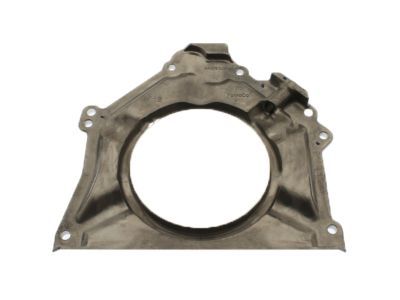
Ford Crankshaft Oil Seal Retainer
Part Number: BR3Z-6K301-A$40.13 MSRP: $58.67You Save: $18.54 (32%)Ships in 1 Business DayProduct Specifications- Other Name: Retainer - Crankshaft Oil Seal
- Replaced by: BR3Z-6K301-B
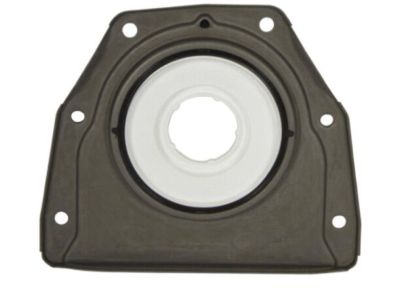
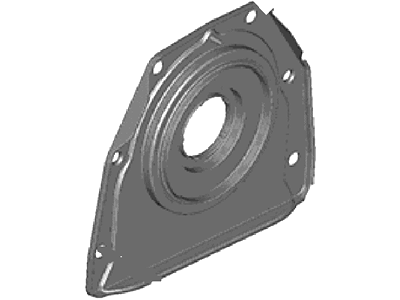
Ford Crankshaft Retainer
Part Number: BE8Z-6K301-A$24.51 MSRP: $35.83You Save: $11.32 (32%)Ships in 1 Business DayProduct Specifications- Other Name: Retainer - Crankshaft Oil Seal
- Manufacturer Note: Includes Rear Main Seal
- Replaced by: BM5Z-6K301-B
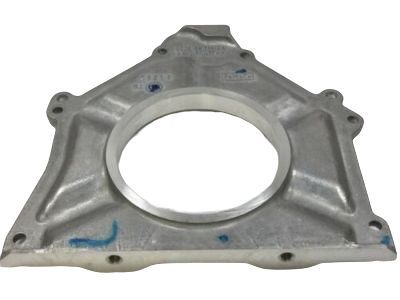
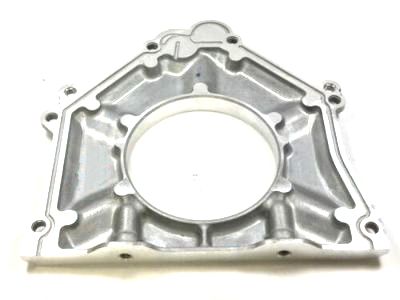
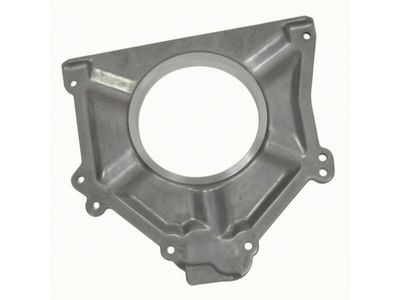
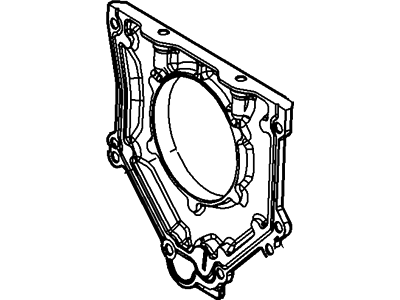
Ford Oil Pan Rear Seal
Part Number: 6C3Z-6K301-A$45.67 MSRP: $66.18You Save: $20.51 (31%)Ships in 1-2 Business DaysProduct Specifications- Other Name: Retainer - Crankshaft Oil Seal; Oil Pan Rear Seal, Rear Main Seal Retainer
- Manufacturer Note: Gasket Is RTV. Refer To Workshop Manual For Proper Specs
- Replaces: 3L3Z-6K301-CA, 3L3Z-6K301-AA
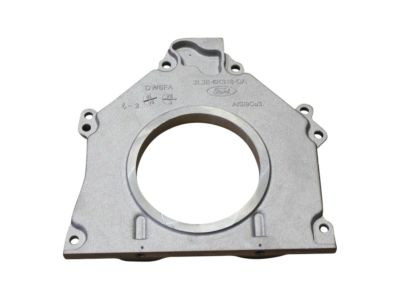
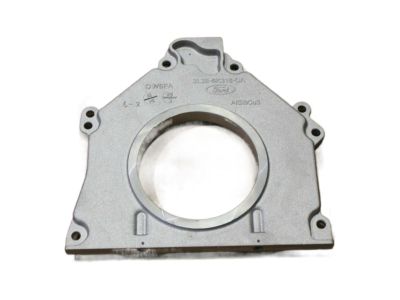
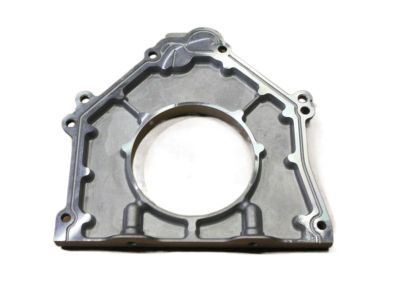
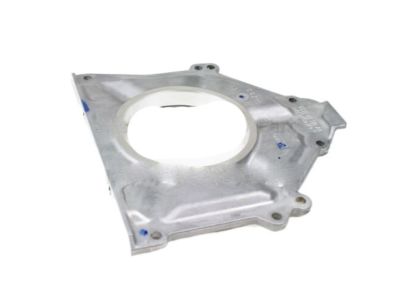
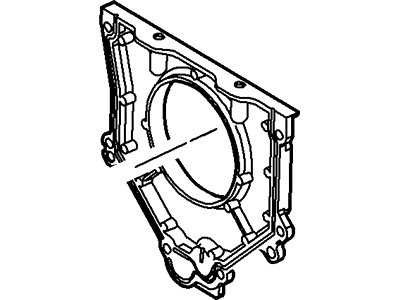
Ford Crankshaft Oil Seal Retainer
Part Number: 3L3Z-6K301-CA$45.67 MSRP: $66.18You Save: $20.51 (31%)Ships in 1-2 Business DaysProduct Specifications- Other Name: Retainer - Crankshaft Oil Seal
- Replaced by: 6C3Z-6K301-A
| Page 1 of 4 |Next >
1-20 of 76 Results
Ford Crankshaft Seal Parts Questions & Experts Answers
- Q:How to replace the rear crankshaft seal in a V8 engine on a Ford F-150?Posted by Gledi S.A:Replacing the rear Crankshaft Seal with a new one is not an easy and time-consuming exercise which calls for several special tools, hence the need to have prepared all the necessary tools beforehand. The initial step would be to remove the cable from the negative terminal of the battery; secondly, judiciously jack up the car and place it on jack stands. Then the transmission, and the flywheel/driveplate, and toothed-wheel, which is engaged by the CKP sensor between the crankshaft and the driveplate should be detached. Use a particular instrument to extract the crankshaft rear oil slinger together with the rear Crankshaft Seal from the retainer. To prevent oil leaks after adding the new seal, it is advisable not to mar or hurt the crankshaft sealing surface or the bore on the engine block. Remove and clean the crankshaft and seal bore in the retainer; use brake system cleaner to degrease the crankshaft and the area for the seal. Check the seal contact area on the crankshaft for roughness that will adversely affect the new seal lip causing oil leakage and use oil to lubricate the lip of the new seal and the outer diameter of the crankshaft such that edges of the new seal are not rolled. Align the new seal on the crankshaft so that in case it was marked, it offered a label that read ''THIS SIDE OUT'' towards the back part of the engine. Insert a special rear Crankshaft Seal installation tool to fit the seal to the bottom of the seal retainer and to make sure that it is even all the way around the circumference of the seal retainer. However, the seal retainer plate can be unbolted to have the seal replaced on a bench with a new gasket being applied to the seal retainer and five minutes after the application of the RTV. Last of all, the crankshaft rear oil slinger is to be installed with the help of a special tool that is used for this purpose only, then the process of installation is to be completed in the reverse order of the process of removal.Answered by Ford Parts Specialist Bastien / Feb 17, 2023
- Q:How to install a rear crankshaft seal in a 4.0L SOHC V6 engine on Ford Ranger?Posted by Leighton C.A:The one-piece rear Crankshaft Seal is pressed into the engine block and the crankcase reinforcement section. Begin by removing the transmission, the clutch components if equipped, and the flywheel. Pry out the old seal using a special seal removal tool or a flat blade screwdriver, taking care not to scratch or damage the crankshaft sealing surface or the bore in the engine block to prevent oil leaks after the new seal is installed. Clean the crankshaft and seal bore thoroughly, degreasing these areas with a rag soaked in lacquer thinner or acetone. Lubricate the lip of the new seal and the outer diameter of the crankshaft with engine oil, ensuring the edges of the new Crankshaft Seal are not rolled over. Position the new seal onto the crankshaft, making sure that if marked, the words THIS SIDE OUT on the seal face outward, toward the rear of the engine. Use a special rear Crankshaft Seal installation tool or a socket with the exact diameter of the seal to drive it in place, ensuring the seal is flush along the entire circumference of the seal carrier. The remainder of the installation follows the reverse order of removal.Answered by Ford Parts Specialist Clayton / Dec 07, 2025
- Q:How to replace the rear crankshaft seal in a V6 engine on a Ford Mustang?Posted by Avis K.A:For 3.7L engines, the one-piece rear Crankshaft Seal is pressed into a carrier mounted at the rear of the block. Begin by removing the transmission, followed by the flywheel/driveplate and the crankshaft sensor ring. Next, take out the Crankshaft Position (CKP) sensor. The old seal can be removed using a seal removal tool or a screwdriver, or by creating small holes in the seal flange with a sharp pick and using a screw-in type slide-hammer puller. Note the depth of the seal's recess in the bore for proper installation of the new seal. Exercise caution to avoid scratching the crankshaft or the bore, as this could lead to oil leaks. For easier seal installation, unbolt and remove the seal retainer plate, then use two of the retainer-to-oil pan bolts to push the retainer from the engine. Clean all traces of RTV sealant and apply a 3/16-inch bead of RTV where the block and oil pan flanges meet. Install the retainer to the engine and secure all bolts within 10 minutes of applying the sealant. Ensure the bore is clean, then lubricate the outer edge and lips of the new seal with clean engine oil. Use a special seal installation tool to press the seal squarely into the bore, avoiding hammering. Reinstall the CKP sensor, followed by the flywheel/driveplate, ensuring the crankshaft sensor ring is positioned correctly, and finally, reinstall the transmission. For 4.0L engines, the one-piece rear Crankshaft Seal is pressed into the engine block and crankcase reinforcement section. Start by removing the transmission, clutch components if applicable, and the flywheel. Pry out the old seal carefully to avoid damaging the crankshaft sealing surface or the bore. Clean and degrease the crankshaft and seal bore thoroughly, then lubricate the lip of the new seal and the crankshaft's outer diameter with engine oil, ensuring the edges of the new seal are not rolled over. Position the new seal onto the crankshaft, ensuring that if marked, the words "THIS SIDE OUT" face outward toward the rear of the engine. Use a special installation tool or a socket of the exact diameter to drive the seal in place, ensuring it is flush along the entire circumference of the seal carrier. Complete the installation by reversing the removal steps.Answered by Ford Parts Specialist George / Apr 21, 2026
Related Ford Parts
 Ford Cylinder Head Bolts
 Ford Crankshaft Thrust Washer Set
 Ford Crankshaft Pulley
 Ford Cruise Control Switch
 Ford Crankshaft
 Ford Crankshaft Position Sensor
 Ford Crankshaft Gear
 Ford Cylinder Head
 Ford CV Joint
 Ford CV Boot
 Ford Crankcase Breather Hose
Browse by Model
Aerostar Crankshaft Seal Aspire Crankshaft Seal Bronco Crankshaft Seal Bronco II Crankshaft Seal Bronco Sport Crankshaft Seal C-Max Crankshaft Seal Contour Crankshaft Seal Crown Victoria Crankshaft Seal E-150 Crankshaft Seal E-250 Crankshaft Seal E-350/E-350 Super Duty Crankshaft Seal E-450 Super Duty Crankshaft Seal Econoline Super Duty(1996-1999) Crankshaft Seal EcoSport Crankshaft Seal Edge Crankshaft Seal Escape Crankshaft Seal Escort Crankshaft Seal Excursion Crankshaft Seal Expedition Crankshaft Seal Explorer Crankshaft Seal Explorer Sport Crankshaft Seal Explorer Sport Trac Crankshaft Seal F Super Duty Crankshaft Seal F-150 Crankshaft Seal F-250 Crankshaft Seal F-250 Super Duty Crankshaft Seal F-350 Crankshaft Seal F-350 Super Duty Crankshaft Seal F-450 Super Duty Crankshaft Seal F-550 Super Duty Crankshaft Seal F53 Crankshaft Seal F53 Stripped Chassis Crankshaft Seal F59 Crankshaft Seal Festiva Crankshaft Seal Fiesta Crankshaft Seal Five Hundred Crankshaft Seal Flex Crankshaft Seal Focus Crankshaft Seal Freestar Crankshaft Seal Freestyle Crankshaft Seal Fusion Crankshaft Seal GT Crankshaft Seal Maverick Crankshaft Seal Mustang Crankshaft Seal Police Interceptor Sedan Crankshaft Seal Police Interceptor Utility Crankshaft Seal Police Responder Hybrid Crankshaft Seal Probe Crankshaft Seal Ranger Crankshaft Seal SSV Plug-In Hybrid Crankshaft Seal Taurus Crankshaft Seal Taurus X Crankshaft Seal Tempo Crankshaft Seal Thunderbird Crankshaft Seal Transit Connect Crankshaft Seal Transit Crankshaft Seal Windstar Crankshaft Seal