

My Garage
My Account
Cart
Genuine Ford Explorer Sport Trac Crankshaft Seal
Crankshaft Seals- Select Vehicle by Model
- Select Vehicle by VIN
Select Vehicle by Model
orMake
Model
Year
Select Vehicle by VIN
For the most accurate results, select vehicle by your VIN (Vehicle Identification Number).
4 Crankshaft Seals found
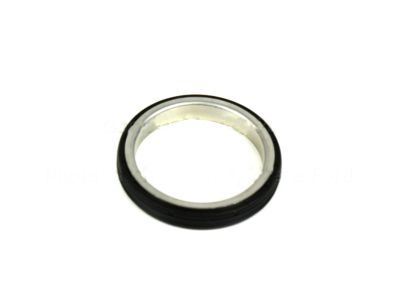
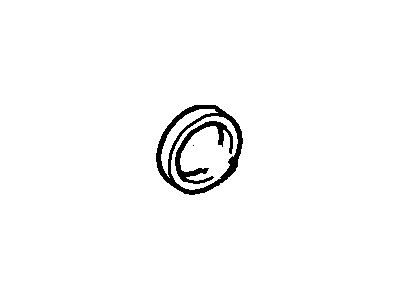
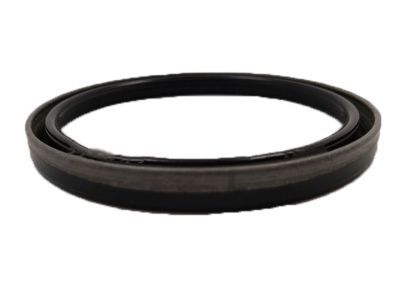
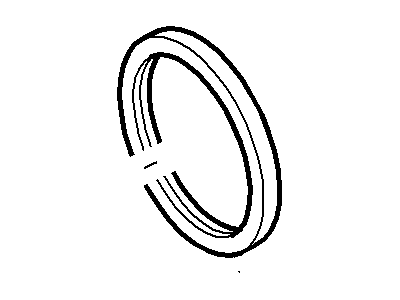
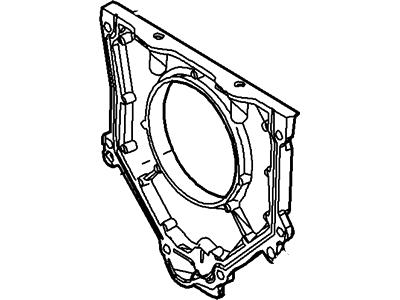
Ford Explorer Sport Trac Oil Pan Rear Seal
Part Number: F5TZ-6701-A$32.54 MSRP: $42.33You Save: $9.79 (24%)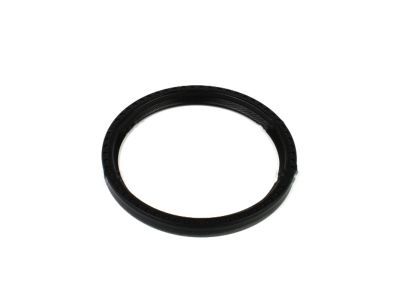
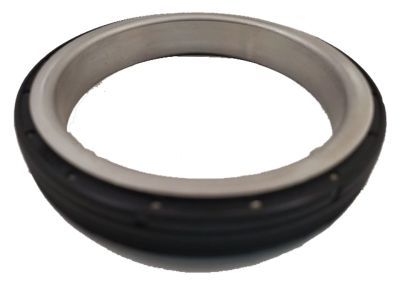
Ford Explorer Sport Trac Oil Pan Rear Seal
Part Number: F4AZ-6701-A$33.74 MSRP: $49.33You Save: $15.59 (32%)Ships in 1-2 Business Days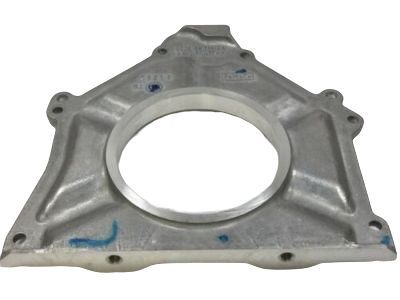
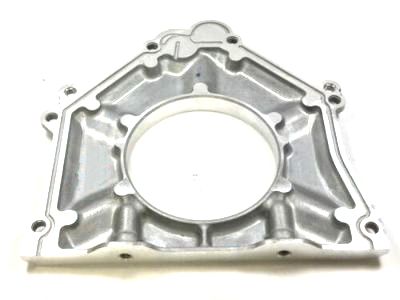
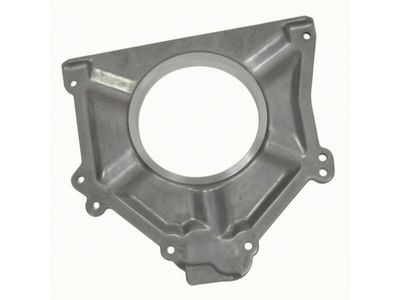
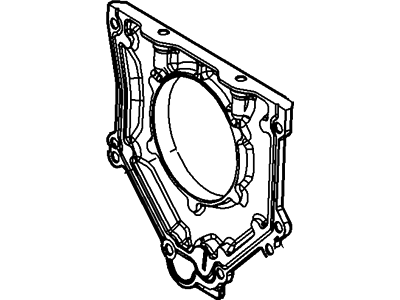
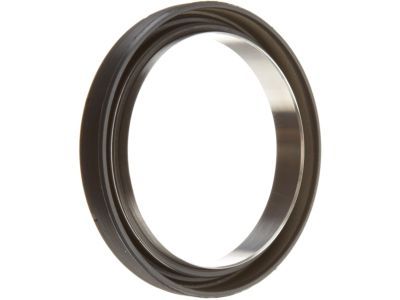
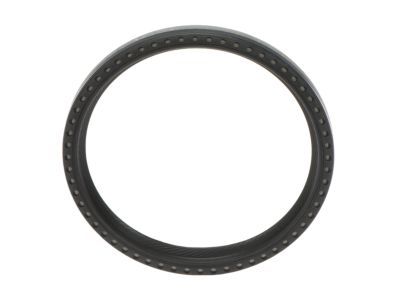
Ford Explorer Sport Trac Oil Pan Rear Seal
Part Number: 6C3Z-6K301-A$45.67 MSRP: $66.18You Save: $20.51 (31%)Ships in 1-2 Business Days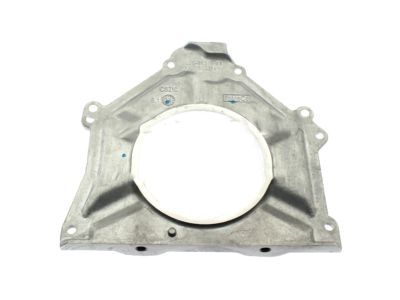
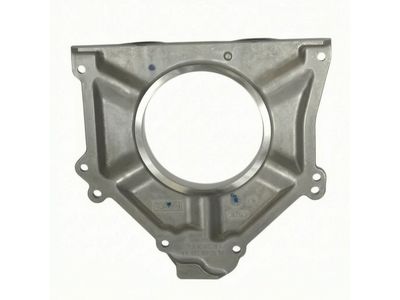
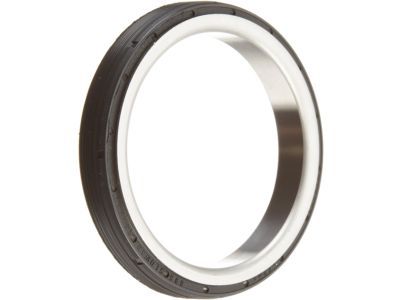
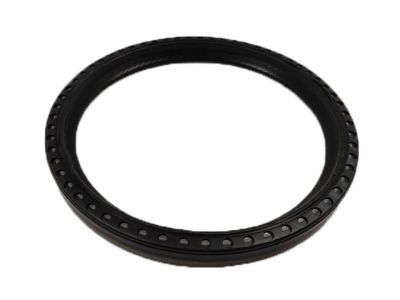
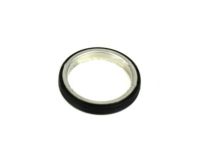
Ford Explorer Sport Trac Rear Main Seal
Part Number: 6L3Z-6K301-AA$40.83 MSRP: $58.67You Save: $17.84 (31%)Ships in 1-3 Business Days
Ford Explorer Sport Trac Crankshaft Seal
The Crankshaft Seal as applied in the Ford Explorer Sport Trac automobile model is a device placed at the front of the car engine for preventing oil leakage from the crankcase. Made of a combination of metal and rubber, this circular seal has the function of protecting lubrication in the engine hence reducing friction and the wear out of parts of the engine. Eventually, a faulty Crankshaft Seal can result to oil leaks and this is common with the high mileage Ford Explorer Sport Trac. It is therefore important to be able to identify the signs of a failing Crankshaft Seal to be able to easily replace it and have the engine performing optimally for a longer duration. To ensure it is always in its optimal condition and to avoid expensive repairs at the slightest instance of failure the Ford Explorer Sport Trac employs this mechanism.
We provide a wide range of Ford Explorer Sport Trac Crankshaft Seal at the optimal prices. If you need Ford Explorer Sport Trac Crankshaft Seal, you can shop with confidence on our website. All our OEM parts come with a manufacturer's warranty and are delivered to your doorstep with a fast delivery service.
Ford Explorer Sport Trac Crankshaft Seal Parts Questions & Experts Answers
- Q:How to remove and reinstall the crankshaft seal and front oil seal in 5.0L V8 engine on Ford Explorer Sport Trac?A:Disconnect the negative battery cable and remove the Serpentine Belt. Next, remove the bolt from the center of the crankshaft pulley, ensuring the crankshaft does not turn by preventing it with a large screwdriver wedged between the teeth of the starter ring gear against the transmission housing, or by using an extension through one of the holes in the crankshaft pulley against the block, or a strap-type wrench around the pulley. Use a puller designed to apply force to the pulley hub only, avoiding any that grip the outer edge to prevent damage. Clean the crankshaft nose and seal contact surface with lacquer thinner or acetone, leaving the Woodruff key in place. Examine the seal contact area for excessive wear or scoring, and consider using a repair sleeve if necessary. The crankshaft front oil seal can be removed with a special tool or a carefully taped screwdriver, taking care not to damage the timing chain cover or the crankshaft. If the engine has high mileage, apply penetrating oil to the seal-to-cover joint before removal. Position the new seal in the bore with the open end facing inward, applying a small amount of oil to the outer edge for easier installation. The seal can be reinstalled using a special tool or by driving it into the bore with a large socket and hammer until fully seated and square to the cover. Lubricate the oil seal contact surface of the crankshaft pulley hub with multi-purpose grease or clean engine oil, then install the pulley, ensuring the keyway aligns with the Woodruff key. Apply a small amount of RTV sealant to the Woodruff key groove before installation. Use a special pulley installation tool or a large washer over the bolt to press the pulley into place, tightening the bolt to the specified torque without using a hammer. Complete the remaining installation steps in reverse order, then add coolant, check the oil level, and run the engine to check for leaks.
Related Ford Explorer Sport Trac Parts
 Ford Explorer Sport Trac Cylinder Head Bolts
 Ford Explorer Sport Trac Cruise Control Switch
 Ford Explorer Sport Trac Crankshaft Pulley
 Ford Explorer Sport Trac Crankshaft Gear
 Ford Explorer Sport Trac Crankshaft Thrust Washer Set
 Ford Explorer Sport Trac Crankshaft
 Ford Explorer Sport Trac Crankshaft Position Sensor
 Ford Explorer Sport Trac Cylinder Head
 Ford Explorer Sport Trac CV Joint
 Ford Explorer Sport Trac Crankcase Breather Hose
 Ford Explorer Sport Trac CV Boot