Make sure this part fits

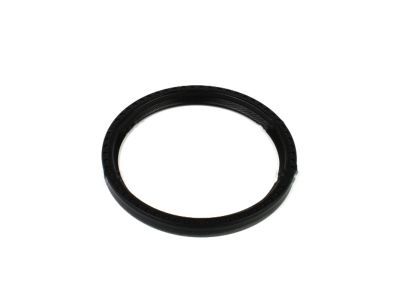
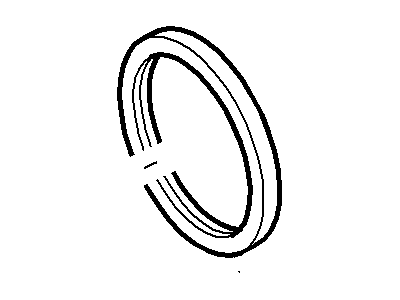
Ford F4AZ-6701-A Crankshaft Oil Seal Assembly

1991-2019 Ford F4AZ6701A

Customer Questions & Expert Answers (20)
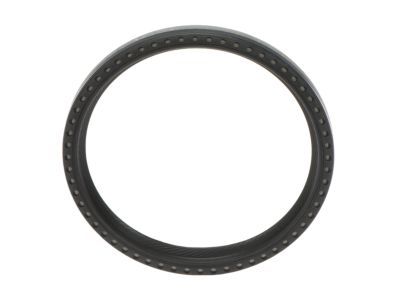
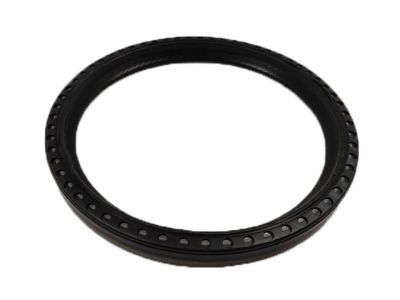
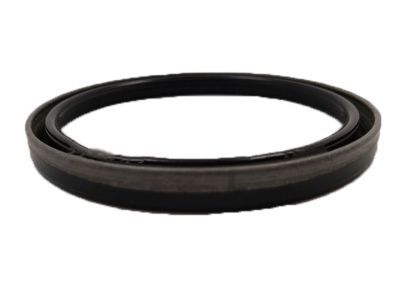
F4AZ-6701-A Ford Crankshaft Oil Seal Assembly Product Photo 1 of 8
  • Part Description
    Seal Assy - Crankshaft Oil
  • Base No.
    6701
  • Replaces
    F3AZ-6701-B
  • Manufacturer
    Ford
Make sure this part fits
$33.74 MSRP: $49.33
You Save: $15.59 (32%)
Ships in 1-2 Business Days
1
ADD TO CART
  • Related Parts
  • Product Specifications
  • Vehicle Fitment
  • Customer Questions & Expert Answers
  • Product Specifications

    BrandGenuine Ford
    Base No.6701
    Manufacturer Part NumberF4AZ-6701-A, F4AZ6701A
    Part DescriptionSeal Assy - Crankshaft Oil
    Item Dimensions8.3 x 6.7 x 1.0 inches
    Item Weight0.40 Pounds
    ConditionNew
    Fitment TypeDirect Replacement
    ReplacesF3AZ-6701-B
    ManufacturerFord
    SKUF4AZ-6701-A
    WarrantyThis genuine Ford part is guaranteed by Ford's factory warranty.
    Shipping & ReturnShipping Policy Return Policy
    Warning: California's Proposition 65
  • Vehicle Fitment

    Year Make Model Engine Important vehicle option details
    1995-2000 Ford Contour6 Cyl 2.5L4AT CD4E, 5MT
    1992-2011 Ford Crown Victoria8 Cyl 4.6L, 8 Cyl 4.6L Romeo SOHC EFI4-Speed Automatic Transmission 4R75E Livonia, 4AT, 4AT 4R70W, 4AT 4R75W, 4AT AOD, 4AT AOD-E, Left Hand Drive, Rear-Wheel Drive (Left Hand Drive)
    1997-2019 Ford E-15010 Cyl 6.8L SOHC EFI NA, 8 Cyl 4.6L, 8 Cyl 4.6L Romeo SOHC EFI, 8 Cyl 5.4L, 8 Cyl 5.4L Modular SOHC4-Speed Automatic Transmission 4R70W (AODE), 4-Speed Automatic Transmission 4R75E Livonia, 4-Speed Automatic Transmission AODEW/4R70E W/TSS, 4-Speed Automatic Transmission AODEW/4R75E W/TSS, 4AT 4R100, 4AT 4R70W, 4AT E4OD, 5-Speed Automatic Transmission 5R110W - HI/Torque, 5-Speed Automatic Transmission 5R110W NAAO, 6-Speed Automatic Transmission (6R140)
    1997-2019 Ford E-25010 Cyl 6.8L SOHC EFI NA, 8 Cyl 4.6L, 8 Cyl 4.6L Romeo SOHC EFI, 8 Cyl 5.4L, 8 Cyl 5.4L Modular SOHC4-Speed Automatic Transmission 4R70W (AODE), 4-Speed Automatic Transmission 4R75E Livonia, 4-Speed Automatic Transmission AODEW/4R70E W/TSS, 4-Speed Automatic Transmission AODEW/4R75E W/TSS, 4AT 4R100, 4AT 4R70W, 4AT E4OD, 5-Speed Automatic Transmission 5R110W - HI/Torque, 5-Speed Automatic Transmission 5R110W NAAO, 6-Speed Automatic Transmission (6R140)
    1997-2019 Ford E-350/E-350 Super Duty10 Cyl 6.8L, 10 Cyl 6.8L SOHC EFI NA, 8 Cyl 4.6L Romeo SOHC EFI, 8 Cyl 5.4L, 8 Cyl 5.4L Modular SOHC4-Speed Automatic Transmission 4R70W (AODE), 4-Speed Automatic Transmission 4R75E Livonia, 4-Speed Automatic Transmission AODEW/4R70E W/TSS, 4-Speed Automatic Transmission AODEW/4R75E W/TSS, 4AT 4R100, 4AT 4R70W, 4AT 4R75W, 4AT E4OD, 5-Speed Automatic Transmission 5R110W - HI/Torque, 5-Speed Automatic Transmission 5R110W NAAO, 5AT, 6-Speed Automatic Transmission (6R140)
    2002-2019 Ford E-450 Super Duty10 Cyl 6.8L, 10 Cyl 6.8L SOHC EFI NA, 8 Cyl 4.6L Romeo SOHC EFI, 8 Cyl 5.4L, 8 Cyl 5.4L Modular SOHC4-Speed Automatic Transmission 4R70W (AODE), 4-Speed Automatic Transmission 4R75E Livonia, 4-Speed Automatic Transmission AODEW/4R70E W/TSS, 4-Speed Automatic Transmission AODEW/4R75E W/TSS, 4AT 4R100, 4AT 4R70W, 5-Speed Automatic Transmission 5R110W - HI/Torque, 5-Speed Automatic Transmission 5R110W NAAO, 6-Speed Automatic Transmission (6R140)
    1997-1999 Ford Econoline Super Duty(1996-1999)10 Cyl 6.8L4AT 4R100, 4AT 4R70W, 4AT E4OD
    2001-2012 Ford Escape6 Cyl 3.0L DOHC EFI Modular, 6 Cyl 3.0L OHC Duratec4AT CD4E, 5-Speed Manual Transmission, 5-Speed Manual Transmission - AK, 6-Speed Automatic Transmission 6F Mid-Range, CVT Auto Trans Powersplit Elec, Four-Wheel Drive (Full Time) (Left Hand Drive), Four-Wheel Drive (Right Hand Drive), Front-Wheel Drive (Left Hand Drive), Left Hand Drive, Two-Wheel Drive (Left Hand Drive), Two-Wheel Drive (Right Hand Drive)
    2000-2005 Ford Excursion10 Cyl 6.8L, 8 Cyl 5.4L4AT 4R100, 5AT
    1997-2014 Ford Expedition8 Cyl 4.6L, 8 Cyl 4.6L Romeo SOHC EFI, 8 Cyl 5.4L, 8 Cyl 5.4L Modular SOHC4-Speed Automatic Transmission 4R70W (AODE), 4-Speed Automatic Transmission 4R75E Livonia, 4-Speed Automatic Transmission AODEW/4R75E W/TSS, 4AT 4R100, 4AT 4R70W, 4AT 4R75W, 4AT E4OD, 6-Speed Automatic Transmission (6R75), 6-Speed Automatic Transmission (6R80), Four-Wheel Drive (Part Time) (Left Hand Drive), Left Hand Drive, Rear-Wheel Drive (Left Hand Drive)
    View More
  • Customer Questions & Expert Answers

    Q:
    Is the the correct part for the attached VIN? Posted by FordPartsGiant Specialist
    A:
    You can Select Your Vehicle to check if F4AZ-6701-A fits your vehicle.
    Posted by FordPartsGiant Specialist
    Q:
    How to replace the Crankshaft seals on Ford Crown Victoria? Posted by Customer
    A:
    When the front seal is wanting of replacement, there's a necessity to start with the fan/clutch assembly and shroud, the drive belt and then the crankshaft pulley/ vibration damper. Remove the seal from the cover gently using a seal removal tool or a screw driver without causing any scratch on the crankshaft. If the timing cover is removed, the seal can be knocked into the housing from the back side with chisel or a small punch while and covering the end of the housing with wooden blocks in order not to harm the cover. The seal bore and the crankshaft are wear prone and should therefore be checked for nicks and burrs before a new seal is fitted with the open end facing inwards and smeared lightly with oil or grease for easy fitting. Tighten the seal in the bore with a large socket and hammer till it bottoms out and the socket is at least the diameter of the seal. It is recommended to lubricate the seal lip by clean engine oil after which orient the damper key way and the Woodruff key is fitted accordingly. If required, give the damper a tap with a soft-face hammer into position or use the bolt to lock it into place. Replace the drivebelt and also the fan/clutch, if any, that may have been removed to access the timing chain, then engage the engine among other parts that were removed to ensure that there are no leaks. Of the two, the rear one requires having the negative battery terminal disconnected together with the transmission, the driveplate, and the rear cover plate. Remove the bolts and unfasten the seal retainer and remove the old gasket or sealant as well. Place the seal and retainer assembly on wooden blocks and drive the old seal out from the back side. Place the new seal into the retainer but do not cock it in the bore then tap it in using a wooden block. Crankshaft and seal bore should be cleaned and the contact surface of the seal checked for any signs of abuse. Before installing the new crankshaft seal, the crankshaft seal journal and the new seal lip have to be coated with the engine oil and on the engine block or seal retainer, a small amount of RTV sealant must be applied. The oil seal retainer should be fit carefully and the seal should be placed on the crankshaft of the engine with the help of a suitable instrument. Check the retainer bolts, replace new rear cover plate, drive plate and the transmission the steps of removal must be done in reverse. Last but not the least, one should inspect the level of the oil and if it requires it should add the oil and check the engine for any signs of leakage of the same.
    Posted by FordPartsGiant Specialist
    Q:
    How is the rear Crankshaft Seal installed in a four cylinder engine on Ford Escape? Posted by Customer
    A:
    The one-piece rear Crankshaft Seal is pressed into the rear Crankshaft Seal carrier, and the transaxle and flywheel/driveplate must be removed for access. For 2.0L engines, the rear Crankshaft Seal carrier should not be removed with the engine in the vehicle. Begin by prying out the old seal with a flat-blade screwdriver, taking care not to damage the crankshaft sealing surface or the bore in the engine block to prevent oil leaks. Clean the crankshaft and seal bore thoroughly, de-greasing with a rag soaked in lacquer thinner or acetone, and lubricate the lip of the new seal and the outer diameter of the crankshaft with engine oil, ensuring the edges of the new Crankshaft Seal are not rolled over. Position the new seal onto the crankshaft, ensuring that if marked, the words indicating the correct orientation face out toward the rear of the engine. Use a special installation tool or a socket of the exact diameter to drive the seal in place, ensuring it is flush along the entire circumference of the seal carrier. The remainder of the installation follows the reverse order of removal. For 2.3L engines, if necessary, remove the oil pan, unbolt the Crankshaft Seal and carrier, and clean the mating surfaces on the cylinder block and crankshaft, polishing any burrs or raised edges. Lightly coat the inside lip of the new seal with clean engine oil and use a thin plastic strip around the inside circumference of the seal as a liner for installation. Carefully move the new Crankshaft Seal and carrier into position, install the Crankshaft Seal carrier bolts, and finger tighten them while holding the carrier in place. Remove the plastic liner to ensure the new seal contacts the crankshaft mating surface correctly, then tighten the Crankshaft Seal carrier to the specified torque using the proper sequence. For 2.5L engines, remove the oil pan and the mounting bolts to take off the rear seal retainer from the engine block. Obtain the manufacturer's rear seal installation and alignment tool, place the retainer plate, new seal, and tool onto the rear of the engine block and crankshaft, and tighten the retainer plate bolts in the correct sequence to the specified torque before removing the tool. The remainder of the installation follows the reverse order of removal. After installation, check for signs of oil leakage when the engine is operable.
    Posted by FordPartsGiant Specialist
    Q:
    How to replace the Crankshaft seals in gasoline engine on Ford Excursion? Posted by Customer
    A:
    The front seal can be reached only after removing drivebelt, engine cooling fan, shroud assembly as well as the crankshaft pulley. Very cautiously and with great delicacy you should open the seal in the cover by applying a special seal opener or a screw-driver, not damaging the crankshaft. If the timing cover is off, you can use a chisel or a small punch to knock the seal out from behind taking care to support the cover with wooden blocks. Check for sharp edges on the seal bore and cranks shaft coupling and remove any sharp edges that may exist before fitting the new seal with it open side facing inwards and apply a drop of engine oil when fitting in. Insert the seal into its bore using a large socket wrench to hammer down the seal until it is snapped into place and apply some clean engine oil to the seal lip, then tighten the crankshaft pulley making sure that the keyway of the pulley fits onto the Woodruff key. If anymore is needed to align the pulley, one can gently hammer the pulley into place using a soft- faced hammer or turn the bolt to inturn press it in. Remove the front cover and adjust the crankshaft pulley bolt to the specified EGT torque then replace the belt, other removed parts and ensure the engine is properly started to check for any burst. As for the rear seal the negative battery terminal should be disconnected, the vehicle should be properly lifted, and then the flywheel/driveplate and the reinforcement plate should be removed. Remove the bolts that define the seal retainer then clean off any gasket or sealant that might be present. Place wooden blocks under the seal and retainer assembly and expel the old seal from the rear section. Assemble the new seal into the retainer and strike it gently with a wood block, and cleaning the crankshaft and seal bore, and identifying any evident damage to the interface area of the new seal. Coat the crankshaft seal journal and the new seal lip with engine oil then apply a bead of the anaerobic sealant to the block of engine or the seal retainer. Place the oil seal retainer back in to the crank shaft position putting the seal lip in the right direction then carefully push down to lock it in place. Perform retainer bolts to the normal torque, replace the engine rear cover plate, make sure that it is well aligned by positioning dowels. The flywheel/drive plate and the transmission must be refitted; the oil level must be examined, and the engine must be started to see if there are any signs of oil leakage.
    Posted by FordPartsGiant Specialist
    Q:
    How to replace the Crankshaft Seal in V6 engine on Ford Expedition? Posted by Customer
    A:
    To change the front seal on the timing chain cover, remove the negative battery terminal and the electric cooling fan/shroud assembly and drivebelts. Locate the crank shaft pulley and the vibration damper for reinstallation, then set and undo the bolts holding the pulley and pull it on, always check the crank shaft position sensor ring for damages whenever you remove it. Loosen the bolt in front of the crankshaft and pull out the vibration damper with a puller to be sure use the right kind of puller. Scrub the crankshaft nose and the sealing face where the seal is to be fitted and keep the Woodruff key fitted. Take extra care while cutting out the old sealing ring from the cover not to scratch the same; also inspect the seal bore and crankshaft for any cuts. Place the new seal with the open end innermost, lubricate slightly so that it can be easily fitted in the bore till it fits perfectly. Before installing the vibration damper, apply a thin layer of engine grease or clean oils to the contact area of its seal and also apply a thin layer of seal to the keyway where Woodruff key will fit, this is to ensure that when the damper is fitted it will align well with the Woodruff key. If not, tap it into place and replace all parts considered removed; examine for leaks after the engine has begun to run. For the rear main seal, the transmission and flywheel or driveplate has to be removed, and then the rear cover plate has to be unbolted. The old seal can be popped out carefully or removal with the help of slide-hammer puller, also we have to take into consideration that the new seal is recessed. Scrub the crankshaft and the seal fitment groove, inspecting for wear and tear and lubricate the new seal's outside with oil and the inner lips with grease and then push the seal into the bore until it's flush with the surface - preferably with the help of a special tool. Last but not the least install the rear cover plate, flywheel or drive plate and the transmission.
    Posted by FordPartsGiant Specialist
    Q:
    How to replace the Crankshaft seals in 4.2L V6 engine on Ford F-150? Posted by Customer
    A:
    Disconnect the cable from the negative battery terminal, then remove the engine cooling fan and the drivebelt. Unbolt and remove the crankshaft pulley, taking care to use a puller that applies force to the damper hub only, and clean the crankshaft nose and seal contact surface on the pulley. Lock the crankshaft pulley in place with a special strap wrench. Carefully remove the seal from the timing chain cover using a screwdriver or seal removal tool, ensuring not to damage the cover or crankshaft. If the engine has high mileage, apply penetrating oil to the seal-to-cover joint before removal. Check the seal bore and crankshaft for nicks and burrs, position the new seal with the open end facing inward, and apply a small amount of oil to ease installation. Drive the seal into the bore until fully seated, using a seal driver or a large socket and hammer, ensuring it is not damaged in the process. Apply moly-base grease or clean engine oil to the seal contact surface of the crankshaft pulley and coat the keyway with RTV sealant before installing the pulley, aligning it with the Woodruff key. If necessary, tap it into place with a soft-face hammer or use a large washer to press it into position, then tighten the bolt to the specified torque. Reinstall any parts removed for access to the seal and start the engine to check for leaks. For the front seal, remove the timing chain cover and drive the seal out from the back side, supporting the cover to avoid distortion. Clean the bore, position the new seal with the open end facing inward, and drive it into place until fully seated. For the rear main seal, remove the transmission, flywheel or driveplate, and rear cover plate, then carefully pry out the old seal or use a slide-hammer puller, noting the seal's recessed position. Clean the crankshaft and seal bore, checking for damage, and apply a thin coat of engine oil to the new seal's outer edge and moly-based grease to the lips before pressing it squarely into the bore. Reinstall the engine rear cover plate, flywheel or driveplate, and transmission.
    Posted by FordPartsGiant Specialist
    Q:
    How to remove and install the rear Crankshaft Seal in 3.5L and 3.7L V6 engine on Ford F-150? Posted by Customer
    A:
    Remove the transmission and then the driveplate. The old Crankshaft Seal can be taken out by prying it with a screwdriver or by creating small holes in the seal flange with a sharp pick, followed by using a screw-in-type slide-hammer puller. Note how far the seal is recessed into the bore before removal, as the new seal must be recessed the same amount. Exercise caution to avoid scratching or damaging the crankshaft or the bore in the housing to prevent oil leaks. For easier seal installation, unbolt and remove the seal retainer plate, then use two of the retainer-to-oil pan bolts to push the retainer from the engine by tightening them alternately. Remove all traces of RTV sealant and apply a 3/16-inch bead of RTV where the block and oil pan flanges meet. Install the retainer to the engine and secure all bolts within 10 minutes of applying the sealant. Ensure the bore is clean, then apply a film of clean engine oil to the outer edge and lips of the new Crankshaft Seal, pressing it squarely into the bore with a recommended installation tool, avoiding hammering. Reinstall the driveplate, ensuring the crankshaft sensor ring is positioned correctly, and then reinstall the transmission.
    Posted by FordPartsGiant Specialist
    Q:
    How to install a rear crankshaft seal in a 4.0L SOHC V6 engine on Ford Ranger? Posted by Customer
    A:
    The one-piece rear Crankshaft Seal is pressed into the engine block and the crankcase reinforcement section. Begin by removing the transmission, the clutch components if equipped, and the flywheel. Pry out the old seal using a special seal removal tool or a flat blade screwdriver, taking care not to scratch or damage the crankshaft sealing surface or the bore in the engine block to prevent oil leaks after the new seal is installed. Clean the crankshaft and seal bore thoroughly, degreasing these areas with a rag soaked in lacquer thinner or acetone. Lubricate the lip of the new seal and the outer diameter of the crankshaft with engine oil, ensuring the edges of the new Crankshaft Seal are not rolled over. Position the new seal onto the crankshaft, making sure that if marked, the words THIS SIDE OUT on the seal face outward, toward the rear of the engine. Use a special rear Crankshaft Seal installation tool or a socket with the exact diameter of the seal to drive it in place, ensuring the seal is not offset and is flush along the entire circumference of the seal carrier. The remainder of the installation follows the reverse order of removal.
    Posted by FordPartsGiant Specialist
    Q:
    How to replace the rear Crankshaft Seal in a V8 engine on Ford Mustang? Posted by Customer
    A:
    Changing the rear Crankshaft Seal is indeed a very time consuming job which involves several special tools; it is therefore advised that doing these get ready with the required tools before starting with the job. It is advisable to loose the cable that connects to the negative post of the battery first. Then, proceed and lift the car appropriately and make sure it rests on jackstands. First, if it is requirements, eliminate the transmission and then uninstall the flywheel or the driveplate. Apply use of a special tool on crankshaft rear oil slinger so as to be followed by removal of the rear Crankshaft Seal from the retainer with the use of seal puller. Be careful when fitting the new seal not to scratch or in any way harm the crankshaft sealing surface or the bore of the engine block since this may lead to development of new oil leaks. Wipe the crankshaft and seal bore in the retainer clean, using a rag that is damp with a lacquer thinner or acetone. Ensure that the Crankshaft Seal contact surface on the crankshaft is smooth and free from any roughness that might damage the seal lip and therefore develop leaks, also ensure that there are no signs of excessive wear on this surface or it should not have groves. It is recommended to apply a thin layer of engine oil on the lip of a new seal and the outer diameter of the crankshaft; the edges of a new Crankshaft Seal should not be rolled. Place the new seal at the crankshaft such that if written, the word 'THIS SIDE OUT' should be facing the rear part of the engine. A special rear Crankshaft Seal installation tool is to be used to install it by using a hammer to drive the seal until it lies flat against the seal retainer all the way around. For 4.6L engines, the crankshaft rear oil slinger has to be bolted using a special tool. Last but not the least, to complete the process, reverse the above stated removal steps.
    Posted by FordPartsGiant Specialist
    Q:
    How to install the rear crankshaft seal in a four-cylinder engine on Ford Fusion? Posted by Customer
    A:
    The one-piece rear Crankshaft Seal is pressed into the rear Crankshaft Seal carrier mounted at the rear of the block. Begin by removing the transaxle and the flywheel/driveplate, followed by the oil pan. Unbolt the Crankshaft Seal and carrier, then clean the mating surface for the Crankshaft Seal carrier on the cylinder block and the crankshaft, ensuring to carefully remove and polish any burrs or raised edges on the crankshaft that may have caused the seal to fail. Lightly coat the inside lip of the new seal with clean engine oil and use a thin, durable two-inch wide plastic strip or a cut two-liter plastic beverage bottle around the inside circumference of the seal to act as a liner for installation. With the plastic seal liner or tool in place, carefully move the new carrier (with seal factory-installed) into position by sliding it onto the contact surface of the crankshaft. Install the Crankshaft Seal carrier bolts and finger tighten them while holding the carrier in place, ensuring the bottom of the seal carrier aligns precisely with the bottom edge of the engine block for a flush surface before tightening the carrier mounting bolts. Carefully remove the plastic liner or tool to allow the new seal to contact the crankshaft mating surface correctly, then tighten the Crankshaft Seal carrier to the specified torque using the proper sequence. The remainder of the installation follows the reverse order of removal.
    Posted by FordPartsGiant Specialist
    Q:
    How to replace the rear crankshaft seal in a V6 engine on a Ford Mustang? Posted by Customer
    A:
    For 3.7L engines, the one-piece rear Crankshaft Seal is pressed into a carrier mounted at the rear of the block. Begin by removing the transmission, followed by the flywheel/driveplate and the crankshaft sensor ring. Next, take out the Crankshaft Position (CKP) sensor. The old seal can be removed using a seal removal tool or a screwdriver, or by creating small holes in the seal flange with a sharp pick and using a screw-in type slide-hammer puller. Note the depth of the seal's recess in the bore for proper installation of the new seal. Exercise caution to avoid scratching the crankshaft or the bore, as this could lead to oil leaks. For easier seal installation, unbolt and remove the seal retainer plate, then use two of the retainer-to-oil pan bolts to push the retainer from the engine. Clean all traces of RTV sealant and apply a 3/16-inch bead of RTV where the block and oil pan flanges meet. Install the retainer to the engine and secure all bolts within 10 minutes of applying the sealant. Ensure the bore is clean, then lubricate the outer edge and lips of the new seal with clean engine oil. Use a special seal installation tool to press the seal squarely into the bore, avoiding hammering. Reinstall the CKP sensor, followed by the flywheel/driveplate, ensuring the crankshaft sensor ring is positioned correctly, and finally, reinstall the transmission. For 4.0L engines, the one-piece rear Crankshaft Seal is pressed into the engine block and crankcase reinforcement section. Start by removing the transmission, clutch components if applicable, and the flywheel. Pry out the old seal carefully to avoid damaging the crankshaft sealing surface or the bore. Clean and degrease the crankshaft and seal bore thoroughly, then lubricate the lip of the new seal and the crankshaft's outer diameter with engine oil, ensuring the edges of the new seal are not rolled over. Position the new seal onto the crankshaft, ensuring that if marked, the words "THIS SIDE OUT" face outward toward the rear of the engine. Use a special installation tool or a socket of the exact diameter to drive the seal in place, ensuring it is flush along the entire circumference of the seal carrier. Complete the installation by reversing the removal steps.
    Posted by FordPartsGiant Specialist
    Q:
    How to replace the Crankshaft seals in V8 engine on Lincoln Navigator? Posted by Customer
    A:
    Pop the negative terminal off the battery and then take off the drivebelt, and then the fan/shroud. Subsequently, take out the crankshaft pulley followed by taking out the seal of this cover with the aid of seal removal tool or a screw driver provided that there is no scratching on the crank shaft. If the timing cover is removed, and you have to remove the seal from the back side, then it may be removed by placing the wooden blocks on the side of the timing cover and use small punch chisel or hammer to force out the seal. Check the condition of the seal bore and crank though the journal and remove any sharp edges and then places the new seal with the open slit inside and apply a drop of engine oil on the outer periphery to ease the insertion. C-Insert a large socket and hammer the seal into the bore until it is fully seated, that is if the socket or the tubing is not of the diameter of the seal. Apply clean engine oil on the seal lip and fit the crankshaft pulley in such a manner that the key way matches with the Woodruff key. However, if needed pulley is tapped into position with a soft face hammer or the bolt is tightened to make pulley settle in. Torque crankshaft pulley bolt appropriately, replace drivebelt and any other part which was removed before cranking the engine to check for oil leaks. To reach the rear seal, it is required to connect the negative terminal of the battery, lift the vehicle properly, and remove the transmission. Remove the flywheel/driveplate and rear cover plate and remove the seal retainer and scrap off the old gasket material. Place the seal and retainer assembly on wooden blocks and remove the old seal with the help of drift punch and hammer. Shoot the new seal into the retainer with a wood block, in the meantime ensure that the seal is not cocked in the bore. Remove any deposits and debris on the crankshaft and seal bore surfaces and looks at the surface of the crankshaft for any signs of wear that may influence the new seal. An insulating layer of engine oil should be applied on the crankshaft seal journal and the new seal lip but an anaerobic sealant should be applied along the engine block or the seal retainer. However, the oil seal retainer should be installed by placing the seal over the crankshaft with a smooth manner of operating an implement to help. Torque the retainer bolts, install the engine rear cover plate, driveplate, transmission, then proceed with reversal of the above procedures. Last of all, inspect if the oil is low, contribute if needed, start the engine and look out for oil stains.
    Posted by FordPartsGiant Specialist
    Q:
    How to replace the front crankshaft seal in a four-cylinder engine on a Mercury Mariner? Posted by Customer
    A:
    When replacing the crankshaft seal on 2.0L engine make sure that the camshaft or crankshaft is locked in position especially when the timing belt is off so as to avoid causing serious damage to the engine. Start by pulling out the timing belt and followed by the crankshaft sprocket and the Woodruff key. It is advised to then remove the timing belt guide washer from the crankshaft. There should be a momentary access to the rear of the seal from below the right inner fender; the seal needs to be eased out, using a small screwed driver taped; be careful not to gouge the oil pump assembly, crank shaft or the seal bore. Polish the seal bore and crankshaft sealing surface and rectify any minor eccentricity apparent. Cover the new seal with the thin layer of the engine oil and, with the help of the hammer and an adequately sized socket, put in the new seal in with the crankshaft sprocket facing outside while the word 'FRONT' is placed facing outward. Replace the timing belt and the respective covers and start the engine to check whether there will be any oil leakage. The removal process for 2.3L and 2.5L engines mainly involves; lifting the front, and then; disconnecting the exhaust, unbolting the intercooler pipe and the crankshaft pulley followed by removing the seal without damaging the timing chain cover bore or the crank of the shaft. The other way is by using a hammer and a drill and making 8mm round holes in the seal so as to make use of self tapping screws to pull out the seal. Wipe off the sealing surfaces and apply clean engine oil to them then slip the new seal into the timing chain cover and make sure it is in the right position. It is advisable to use a seal driver or the right socket in an attempt to tighten the seal until it sits flat on the surface of the engine cover. Clean the lip of the seal and apply the engine oil to it and put back the crankshaft pulley. For camshaft oil seals, the number one piston top dead centre, remove the timing belt and for 2008 and earlier models remove the camshaft sprocket bolts and camshafts while noting the positions. Take out the old seal gently, degrease the cylinder, and, in turn, oil the new seal, and place the seal with the use of a hammer in such a way that it is perpendicular to the cylinder. Ensure that the camshafts are adjusted to TDC, then replace the sprockets and tighten the bolts followed by re-fixing the timing belt so that you can rev the engine in order to check for some leakage at the camshaft seal.
    Posted by FordPartsGiant Specialist
    Q:
    How to remove and install the crankshaft seal on the Mercury Grand Marquis? Posted by Customer
    A:
    Remove the bolts attaching the fan shroud to the radiator and position the shroud back over the fan. Next, detach the fan/clutch assembly and the shroud. Remove the drivebelts, then take off the bolt from the front of the crankshaft and use a puller to detach the vibration damper, ensuring the puller grips only the hub. Clean the crankshaft nose and the seal contact surface on the vibration damper, leaving the Woodruff key in place. The crankshaft front oil seal can be removed using a special tool or carefully with a small chisel and hammer, taking care not to damage the cover or crankshaft. If the engine has high mileage, apply penetrating oil to the seal-to-cover joint before removal. Check the seal bore and crankshaft for nicks and burrs, then position the new seal in the bore with the open end facing inward, applying a small amount of oil to ease installation. The seal can be reinstalled using a special tool or by driving it into the bore with a large socket and hammer until fully seated, ensuring not to damage the seal. If installing a new vibration damper, ensure balance pins are in the same positions as the original and apply clean engine oil to the seal contact surface. Install the damper on the crankshaft, aligning the keyway with the Woodruff key, and if necessary, tap it into place with a soft-face hammer. Reinstall the remaining parts and check for leaks after starting the engine. For the timing chain cover, remove it and drive the seal out from the back side, supporting the cover to avoid distortion. Clean the bore, position the new seal with the open end facing inward, and drive it into place until fully seated. For the rear main oil seal, remove the transmission, driveplate, and rear cover plate, then pry out the old seal carefully, noting its recess depth. Clean the crankshaft and seal bore, checking for damage, and apply a thin coat of engine oil to the new seal's outer edge. Press the new seal squarely into the bore, avoiding hammering directly, and reinstall the engine rear cover plate, driveplate, and transmission.
    Posted by FordPartsGiant Specialist
    Q:
    What should you do if you don't have access to the special tool set for the 2001 Ford Excursion? Posted by Customer
    A:
    Do not attempt the procedure if you don't have access to the special tool set.
    Posted by FordPartsGiant Specialist
    See expert answers on similar Crankshaft Seal
    Q:
    What is the final step in the installation process for the 2005 Ford Excursion? Posted by Customer
    A:
    Installation is otherwise the reverse of removal.
    Posted by FordPartsGiant Specialist
    See expert answers on similar Crankshaft Seal
    Q:
    What is the note regarding the rear main oil seal replacement for the 2006 Ford F-150? Posted by Customer
    A:
    The rear main oil seal replacement is a time-consuming job that requires several special tools. It is advised to read through the procedure and obtain the necessary tools before beginning.
    Posted by FordPartsGiant Specialist
    See expert answers on similar Crankshaft Seal
    Q:
    What is the general guideline for the remainder of the installation for the 1996 Ford Ranger? Posted by Customer
    A:
    The remainder of the installation is the reverse of removal.
    Posted by FordPartsGiant Specialist
    See expert answers on similar Crankshaft Seal
    Q:
    How do you create access points for removing the rear seal for the 1997 Ford Ranger? Posted by Customer
    A:
    With a sharp awl or similar tool, punch two holes in the seal on opposite sides just above the point where the main bearing cap meets the cylinder block.
    Posted by FordPartsGiant Specialist
    See expert answers on similar Crankshaft Seal
    Q:
    What should be done after removing the seal retainer for the 1998 Lincoln Town Car? Posted by Customer
    A:
    Clean off any old gasket or sealant material from both the engine block and the seal retainer.
    Posted by FordPartsGiant Specialist
    See expert answers on similar Crankshaft Seal
    If you have any questions about this product, please don't hesitate to ask us. We will be happy to help you!

Genuine Ford Part F4AZ-6701-A, the Right Choice

To ensure reliability, purchase part # F4AZ-6701-A Crankshaft Oil Seal Assembly. It is also called Crankshaft Seal. OEM parts are of high quality and known for their longevity. This is because they are built to the Ford standards which are relatively high and undergo rigorous quality control testing. This part fits specific Ford E-350/E-350 Super Duty, F-150, Ranger models. It fits Lincoln Aviator, Navigator, Zephyr. It also fits Mercury Mariner, Montego, Mystique.

FordPartsGiant.com is a leading supplier of genuine components and accessories such as F4AZ6701A Crankshaft Oil Seal Assembly. Looking to purchase quality low-cost OEM Ford parts? You have just found the right place. For detailed Ford parts information, click here.

Why choose Ford Parts Giant

  • Dedicated Service

    Your complete satisfaction is our #1 goal

  • Lowest Prices

    Best deals on genuine OE parts from dealerships

  • Fast Delivery

    Orders are processed and delivered promptly