

My Garage
My Account
Cart
Genuine Ford Escape Crankshaft Seal
- Select Vehicle by Model
- Select Vehicle by VIN
Select Vehicle by Model
orMake
Model
Year
Select Vehicle by VIN
For the most accurate results, select vehicle by your VIN (Vehicle Identification Number).
12 Crankshaft Seals found
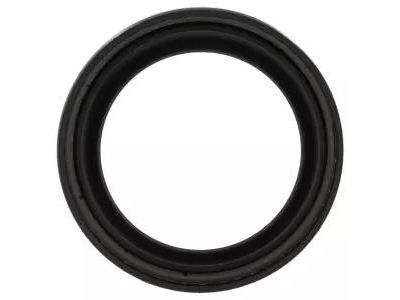
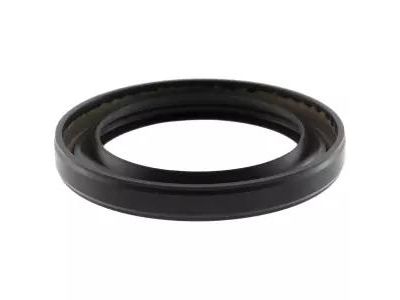
Ford Escape Crankshaft Oil Seal Assembly Front
Part Number: CM5Z-6700-E$13.46 MSRP: $17.50You Save: $4.04 (24%)Ships in 1-3 Business Days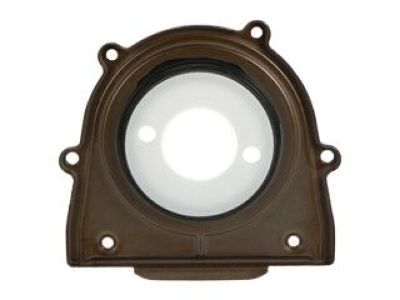
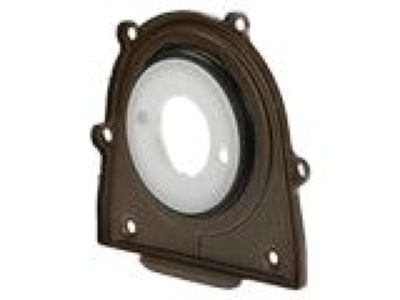

Ford Escape Rear Main Seal Retainer
Part Number: 1S7Z-6A321-B$78.77 MSRP: $115.17You Save: $36.40 (32%)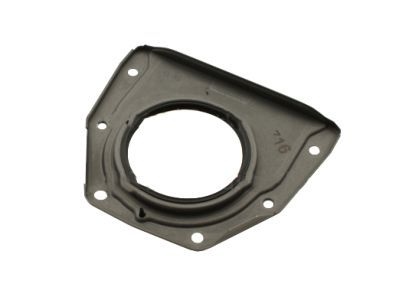
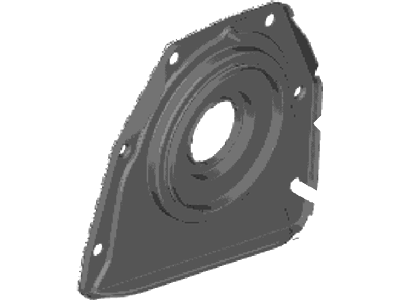
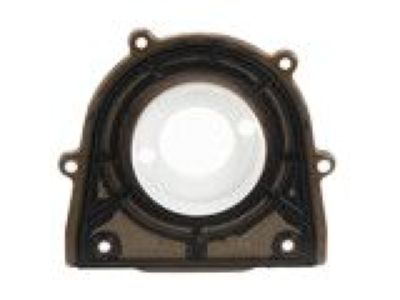
Ford Escape Crankshaft Oil Seal Retainer
Part Number: BM5Z-6K301-B$24.51 MSRP: $35.83You Save: $11.32 (32%)Ships in 1 Business Day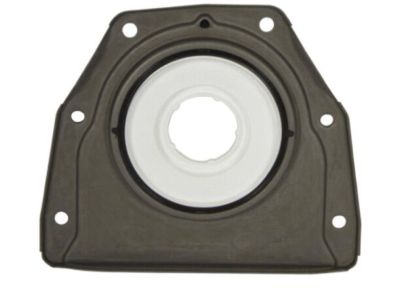
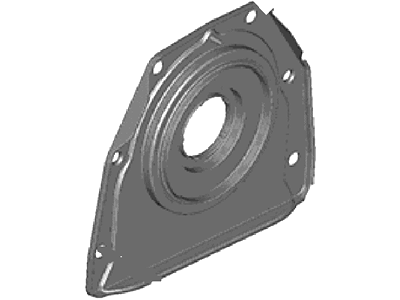
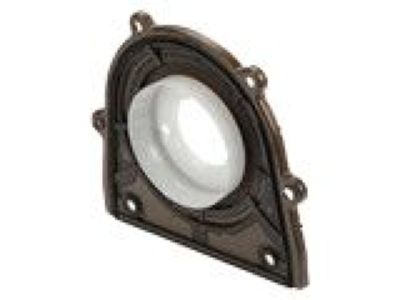
Ford Escape Retainer - Crankshaft
Part Number: BE8Z-6K301-A$24.51 MSRP: $35.83You Save: $11.32 (32%)Ships in 1 Business Day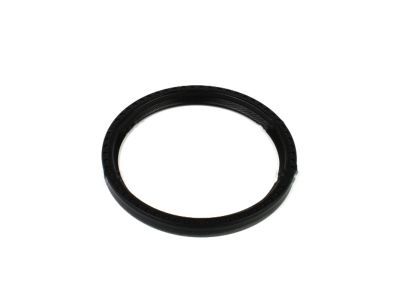
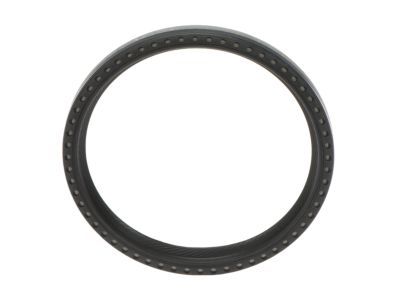
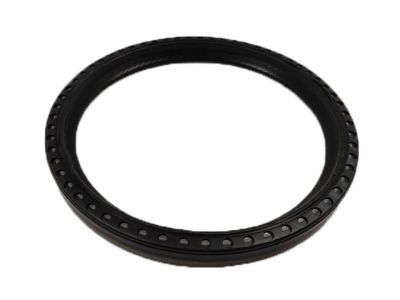
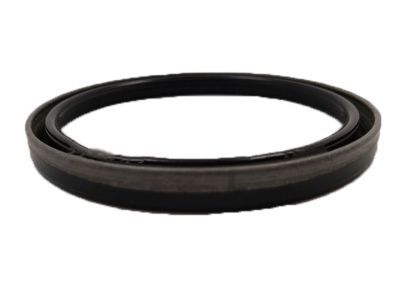
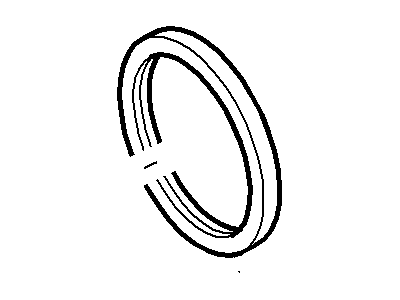
Ford Escape Crankshaft Oil Seal Assembly
Part Number: F4AZ-6701-A$33.74 MSRP: $49.33You Save: $15.59 (32%)Ships in 1-2 Business Days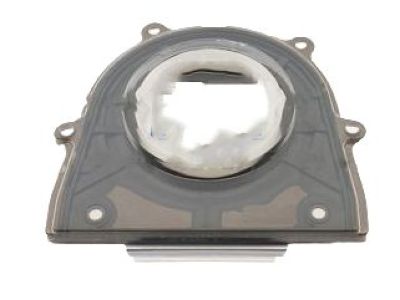
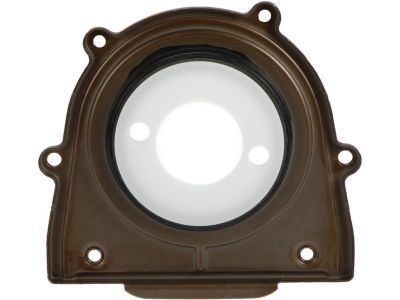
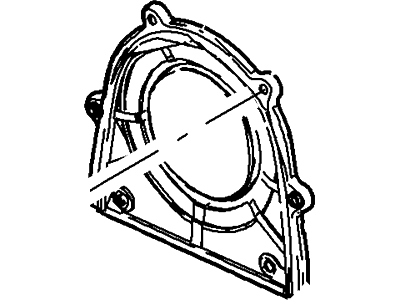
Ford Escape Crankshaft Oil Seal Retainer
Part Number: 1S7Z-6K301-BA$78.77 MSRP: $115.17You Save: $36.40 (32%)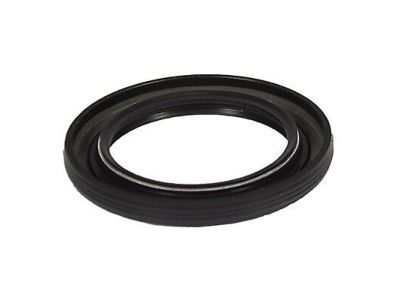
Ford Escape Crankshaft Oil Seal Assembly Front
Part Number: BE8Z-6700-B$12.29 MSRP: $17.50You Save: $5.21 (30%)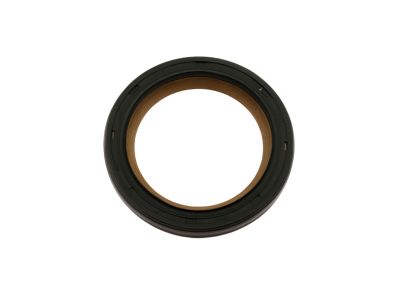
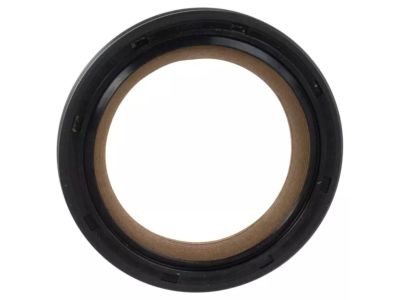
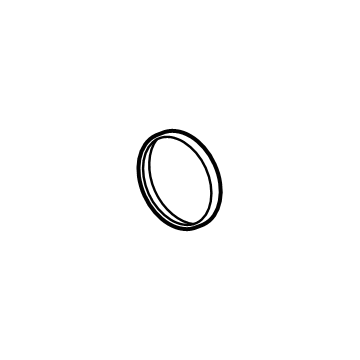
Ford Escape Front Crankshaft Oil Seal
Part Number: MD8Z-6700-A$3.37 MSRP: $4.80You Save: $1.43 (30%)Ships in 1-2 Business Days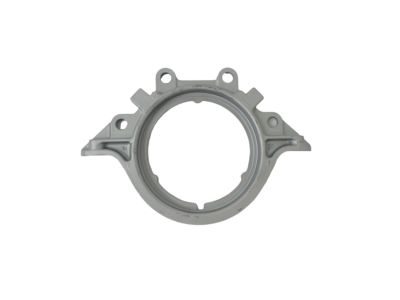
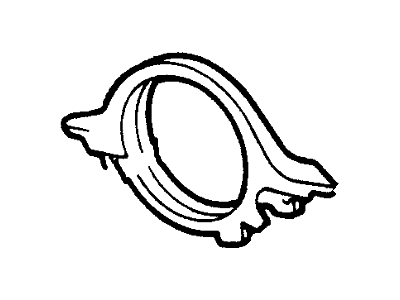
Ford Escape Crankshaft Oil Seal Retainer
Part Number: F5RZ-6K318-A$27.73 MSRP: $39.50You Save: $11.77 (30%)Ships in 1-3 Business Days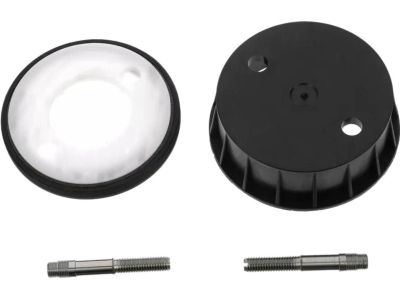
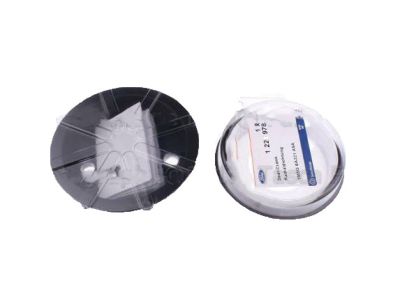
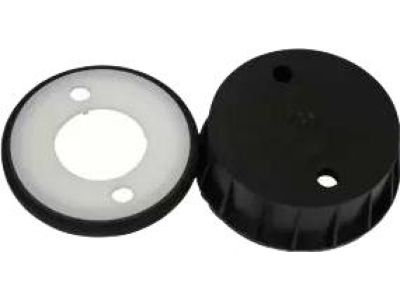
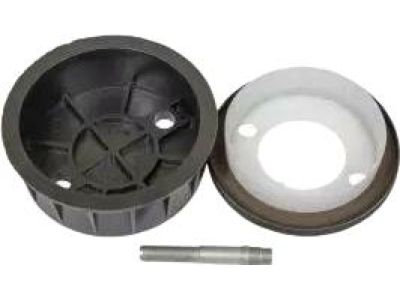
Ford Escape Kit
Part Number: YS4Z-6701-BA$110.26 MSRP: $153.16You Save: $42.90 (29%)Ships in 1-2 Business Days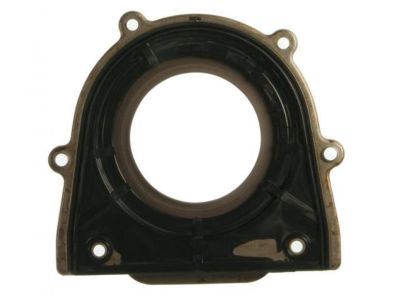
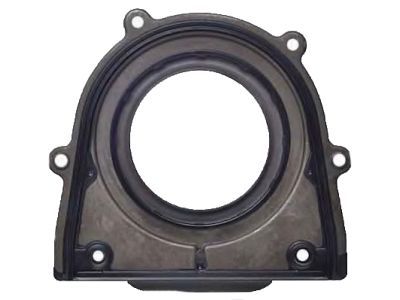
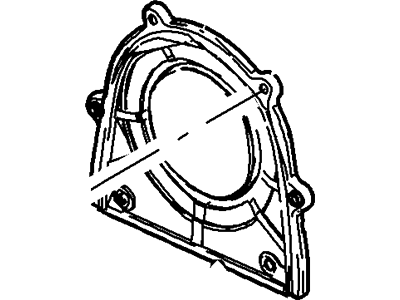
Ford Escape Crankshaft Oil Seal Retainer
Part Number: 1S7Z-6K301-AA$78.77 MSRP: $115.17You Save: $36.40 (32%)Ships in 1 Business Day
Ford Escape Rear Main Seal Retainer
Part Number: JX6Z-6701-B$20.06 MSRP: $29.33You Save: $9.27 (32%)Ships in 1-3 Business Days
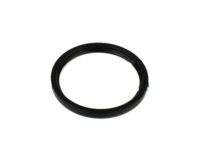
Ford Escape Crankshaft Seal
The Crankshaft Seal in the Ford Escape automobiles is situated at the front of the automobile engine and its primary function is to prevent leakage of engine oil in the crankcase. Made up of both metal and rubber, this round seal has been important in supplying lubrication for other important components of an engine so that they will not wear off due to friction. Different styles of Crankshaft Seal have been used in different types of Ford Escape, however, the main role of crankshaft seal is same in all these designs. Signs which are associated with a Worn or Damaged Crankshaft Seal are oil leakage especially with high mileage cars and may require replacement to provide the optimal performance of the engine. As a result, it can be deduced that, regular servicing of the Crankshaft Seal Replacer means a long life for the Ford Escape.
We provide a wide range of Ford Escape Crankshaft Seal at the optimal prices. If you need Ford Escape Crankshaft Seal, you can shop with confidence on our website. All our OEM parts come with a manufacturer's warranty and are delivered to your doorstep with a fast delivery service.
Ford Escape Crankshaft Seal Parts Questions & Experts Answers
- Q:How is the rear Crankshaft Seal installed in a four cylinder engine on Ford Escape?A:The one-piece rear Crankshaft Seal is pressed into the rear Crankshaft Seal carrier, and the transaxle and Flywheel/driveplate must be removed for access. For 2.0L engines, the rear Crankshaft Seal carrier should not be removed with the engine in the vehicle. Begin by prying out the old seal with a flat-blade screwdriver, taking care not to damage the crankshaft sealing surface or the bore in the engine block to prevent oil leaks. Clean the crankshaft and seal bore thoroughly, de-greasing with a rag soaked in lacquer thinner or acetone, and lubricate the lip of the new seal and the outer diameter of the crankshaft with engine oil, ensuring the edges of the new Crankshaft Seal are not rolled over. Position the new seal onto the crankshaft, ensuring that if marked, the words indicating the correct orientation face out toward the rear of the engine. Use a special installation tool or a socket of the exact diameter to drive the seal in place, ensuring it is flush along the entire circumference of the seal carrier. The remainder of the installation follows the reverse order of removal. For 2.3L engines, if necessary, remove the Oil Pan, unbolt the Crankshaft Seal and carrier, and clean the mating surfaces on the cylinder block and crankshaft, polishing any burrs or raised edges. Lightly coat the inside lip of the new seal with clean engine oil and use a thin plastic strip around the inside circumference of the seal as a liner for installation. Carefully move the new Crankshaft Seal and carrier into position, install the Crankshaft Seal carrier bolts, and finger tighten them while holding the carrier in place. Remove the plastic liner to ensure the new seal contacts the crankshaft mating surface correctly, then tighten the Crankshaft Seal carrier to the specified torque using the proper sequence. For 2.5L engines, remove the oil pan and the mounting bolts to take off the rear seal retainer from the engine block. Obtain the manufacturer's rear seal installation and alignment tool, place the retainer plate, new seal, and tool onto the rear of the engine block and crankshaft, and tighten the retainer plate bolts in the correct sequence to the specified torque before removing the tool. The remainder of the installation follows the reverse order of removal. After installation, check for signs of oil leakage when the engine is operable.
Related Ford Escape Parts
 Ford Escape Crankshaft Thrust Washer Set
 Ford Escape Crankshaft Pulley
 Ford Escape Cruise Control Switch
 Ford Escape Cylinder Head
 Ford Escape Crankshaft Position Sensor
 Ford Escape CV Joint
 Ford Escape CV Boot
 Ford Escape Crankcase Breather Hose
 Ford Escape Crankshaft
 Ford Escape Crankshaft Gear
 Ford Escape Cylinder Head Bolts
Browse by Year
2025 Crankshaft Seal 2024 Crankshaft Seal 2023 Crankshaft Seal 2022 Crankshaft Seal 2021 Crankshaft Seal 2020 Crankshaft Seal 2019 Crankshaft Seal 2018 Crankshaft Seal 2017 Crankshaft Seal 2016 Crankshaft Seal 2015 Crankshaft Seal 2014 Crankshaft Seal 2013 Crankshaft Seal 2012 Crankshaft Seal 2011 Crankshaft Seal 2010 Crankshaft Seal 2009 Crankshaft Seal 2008 Crankshaft Seal 2007 Crankshaft Seal 2006 Crankshaft Seal 2005 Crankshaft Seal 2004 Crankshaft Seal 2003 Crankshaft Seal 2002 Crankshaft Seal 2001 Crankshaft Seal