

My Garage
My Account
Cart
Genuine Ford Taurus Timing Cover
Engine Timing Cover- Select Vehicle by Model
- Select Vehicle by VIN
Select Vehicle by Model
orMake
Model
Year
Select Vehicle by VIN
For the most accurate results, select vehicle by your VIN (Vehicle Identification Number).
15 Timing Covers found
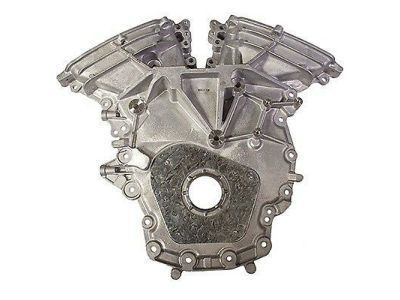
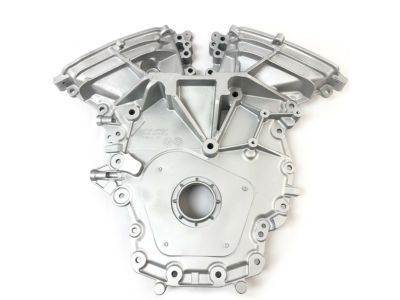
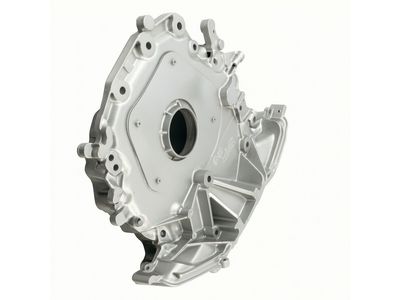
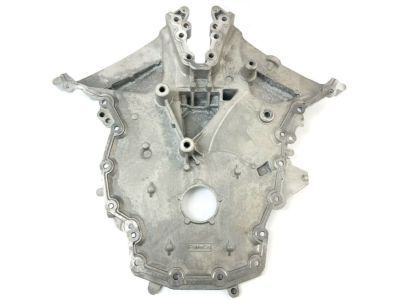
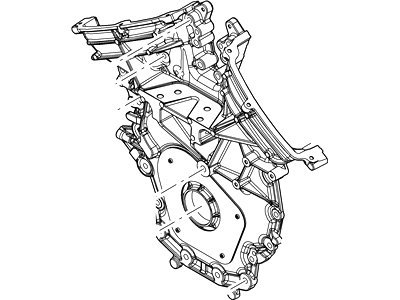
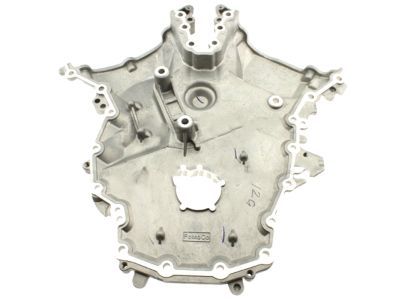
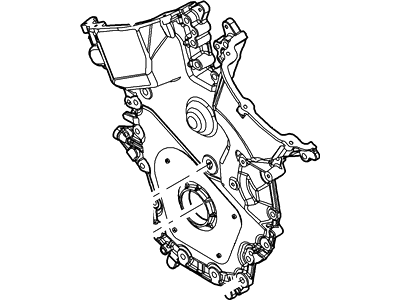
Ford Taurus Front Cover
Part Number: 7T4Z-6019-C$126.54 MSRP: $185.00You Save: $58.46 (32%)Ships in 1-3 Business Days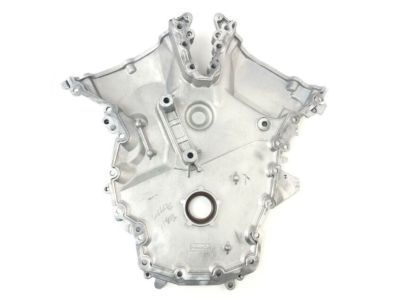
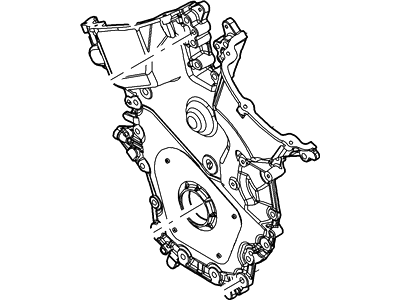
Ford Taurus Cylinder Front Cover
Part Number: 7T4Z-6019-GD$126.54 MSRP: $185.00You Save: $58.46 (32%)Ships in 1-3 Business Days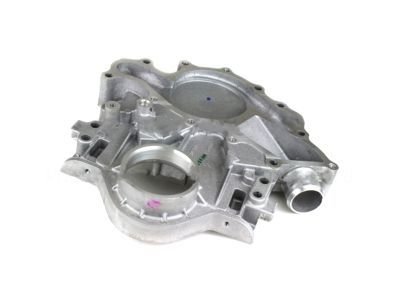
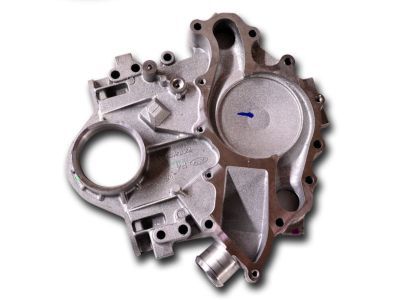
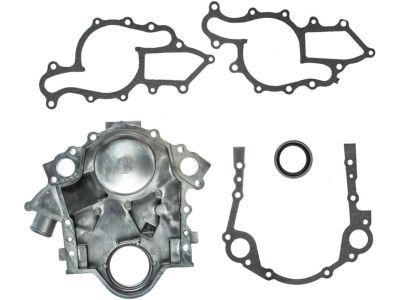
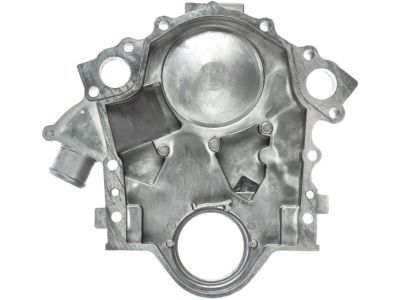
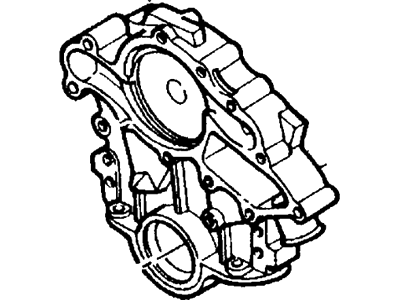
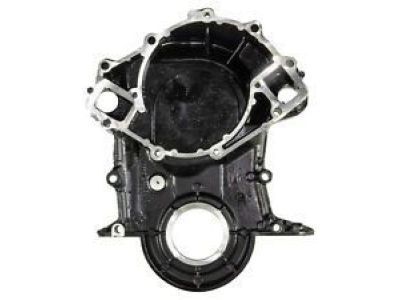
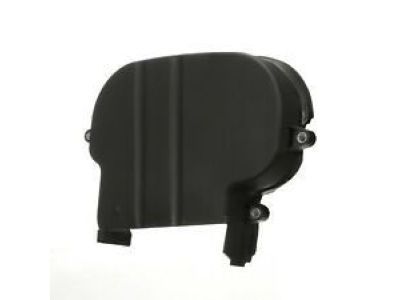
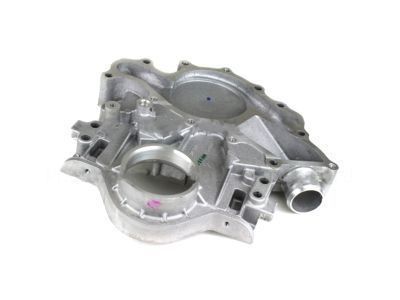
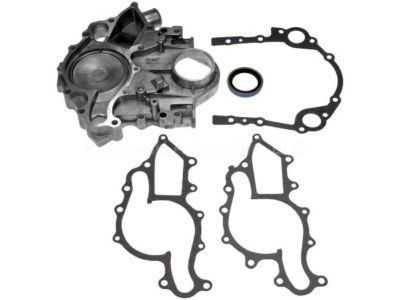
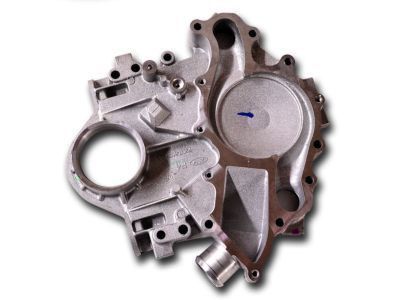
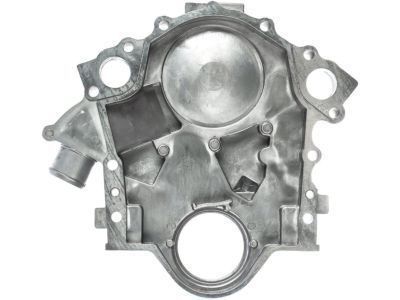
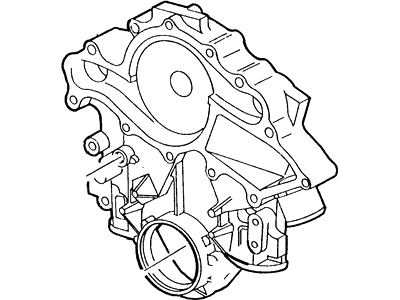
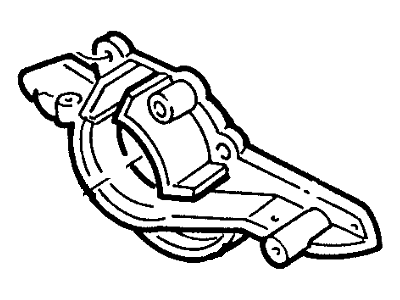
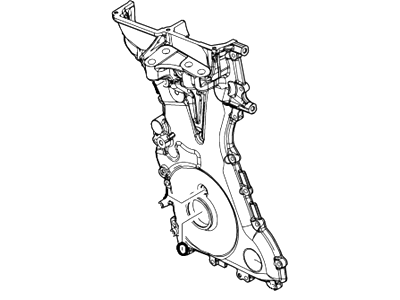
Ford Taurus Timing Cover
The Timing Cover of Ford Taurus automobile plays the purpose of protecting the engine, which might contain a timing belt, timing chain or the cam belt. Made from durable material like aluminum, plastic or even steel the Timing Cover shields underlying components from such elements that may tarnish them. A lot of the Ford Taurus Timing Covers have gaskets that are added to increase the defense of the timing belt as well. There has been a variety of Timing Covers used over the years on the Ford Taurus models depending on the nature of its engine. Even these covers have a tendency to wear out, therefore, replacement at the right time is crucial to safe usage of the vehicles. Maintenance of this part titled as Timing Cover should be considered by the Ford Taurus's owner for the car's efficiency and durability.
We provide a wide range of Ford Taurus Timing Cover at the optimal prices. If you need Ford Taurus Timing Cover, you can shop with confidence on our website. All our OEM parts come with a manufacturer's warranty and are delivered to your doorstep with a fast delivery service.
Ford Taurus Timing Cover Parts Questions & Experts Answers
- Q:How to remove and install the timing cover in the V6 engine on a Ford Taurus?Posted by Bruno N.A:On 3.5L engines, have the air conditioning system discharged by an automotive air conditioning technician. Relieve the fuel system pressure. Disconnect the cable from the negative battery terminal. Loosen the right front wheel lug nuts, raise the front of the vehicle, support it securely on jackstands, and then remove the wheel. For 2013 and later models, remove the engine lower splash shield and skid plate, if equipped. Remove the air filter housing inlet hose. Remove the drivebelt and drivebelt tensioner, and take off the two idler pulleys from the front cover. On 3.5L engines, remove the EVAP canister purge valve and disconnect, then cap or plug, the air conditioning lines to and from the receiver-drier and evaporator. Remove the valve covers and the alternator along with the alternator mounting bracket; for 2013 and later models, also remove the alternator mounting stud from the timing cover. Remove the crankshaft pulley and the front crankshaft oil seal, ensuring the seal is removed to create enough clearance for the cover. Remove the power steering pump and fluid lines, including the mounting brackets, if equipped. Disconnect the Crankshaft Position (CKP) sensor and remove the Camshaft Position (CMP) sensors in front of each cylinder head. Support the engine from above with a hoist or engine support fixture, using chains fastened to the engine lift brackets. Disconnect the electrical connectors at the air conditioning compressor, loosen the compressor mounting bolts, and move the compressor aside for access to the engine cover. Remove the compressor bracket from the front cover, then take off the right side engine mount and disconnect any remaining wires, hoses, clamps, or brackets that will interfere with engine cover removal. For 2013 and later models, lower the engine to remove bolt #23 without letting the compressor hit the subframe, then raise it to remove bolts #24 and #25. For 3.0L engines, loosen the timing cover fasteners gradually and evenly, starting with the oil pan-to-cover bolts, then remove the fasteners and the timing cover. For 3.5L engines, remove the cover bolts, install six of them into the threaded holes in the cover, and tighten them evenly to push the cover from the engine without damage, ensuring all timing cover bolts are removed before attempting to take off the cover. Remove and discard the cover-to-cylinder block gaskets. Inspect and clean all sealing surfaces of the timing cover and the block, being careful when scraping on aluminum engine parts. Replace the crankshaft seal, using Motorcraft High Performance Engine RTV Silicone to prevent engine oil from foaming. Apply a bead of RTV sealant around the sealing edges of the timing cover and to the areas where the oil pan and cylinder heads meet at the engine block. Install new front cover gaskets into the grooves on the cover, and for 3.5L engines, install two dowel pins into the engine block. The manufacturer requires that specific bolts be installed within a set time after the timing has contacted the engine block, followed by the installation of the remaining bolts. Install the timing cover and cover fasteners, ensuring they are in their original locations, and tighten them by hand until the cover contacts the block and cylinder heads. For the 3.0L engine, tighten the cover bolts in sequence to the specified torque, and for the 3.5L engine, install bolts 17 through 20, remove the locating pins, and install the rest of the bolts in sequence to the specified torque before installing the engine mount. Install the drivebelt and tensioner, tightening the tensioner pulley bolt to the specified torque. Install the crankshaft pulley, connect the wiring harness connectors to the CMP and CKP sensors, and install the power steering pump and hoses if equipped. The remainder of the installation is the reverse of removal. Reconnect the battery, then start the engine and check for leaks.Answered by Ford Parts Specialist Bastien / Dec 03, 2022
Related Ford Taurus Parts
 Ford Taurus Timing Chain
 Ford Taurus Cylinder Head Bolts
 Ford Taurus Spool Valve
 Ford Taurus Timing Belt
 Ford Taurus Exhaust Valve
 Ford Taurus Cylinder Head Gasket
 Ford Taurus Camshaft
 Ford Taurus Intake Valve
 Ford Taurus Timing Cover Gasket
 Ford Taurus Cylinder Head
 Ford Taurus Rocker Arm
Browse by Year
2019 Timing Cover 2018 Timing Cover 2017 Timing Cover 2016 Timing Cover 2015 Timing Cover 2014 Timing Cover 2013 Timing Cover 2012 Timing Cover 2011 Timing Cover 2010 Timing Cover 2009 Timing Cover 2008 Timing Cover 2007 Timing Cover 2006 Timing Cover 2005 Timing Cover 2004 Timing Cover 2003 Timing Cover 2002 Timing Cover 2001 Timing Cover 2000 Timing Cover 1999 Timing Cover 1998 Timing Cover 1997 Timing Cover 1996 Timing Cover 1995 Timing Cover 1994 Timing Cover 1993 Timing Cover 1992 Timing Cover 1991 Timing Cover 1990 Timing Cover 1989 Timing Cover 1988 Timing Cover 1987 Timing Cover 1986 Timing Cover