

My Garage
My Account
Cart
Genuine Ford Taurus Exhaust Valve
Exhaust Muffler Valve- Select Vehicle by Model
- Select Vehicle by VIN
Select Vehicle by Model
orMake
Model
Year
Select Vehicle by VIN
For the most accurate results, select vehicle by your VIN (Vehicle Identification Number).
12 Exhaust Valves found
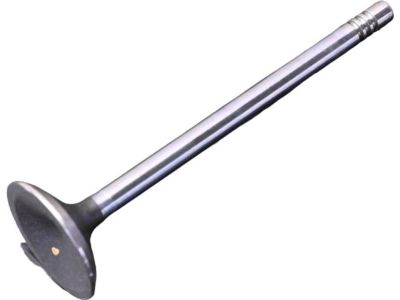
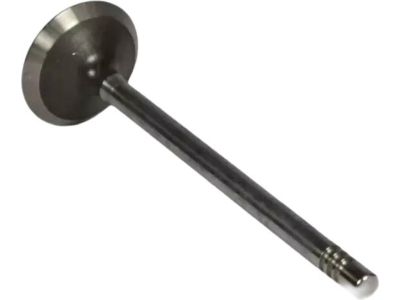
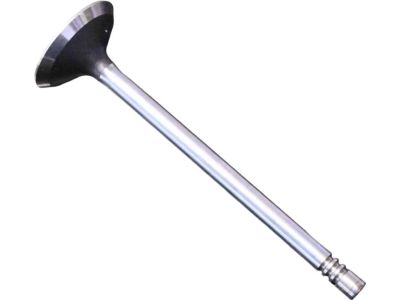
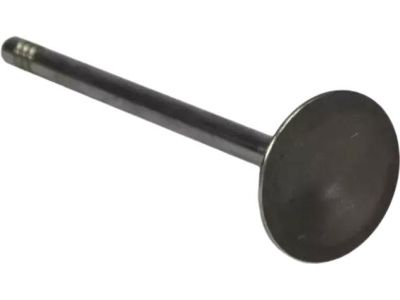
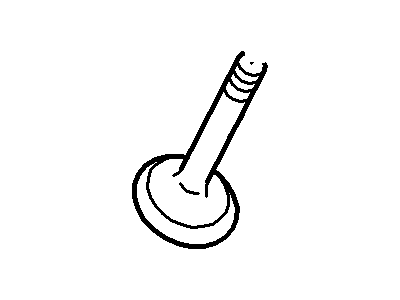
Ford Taurus Exhaust Valve
Part Number: YF1Z-6505-BA$13.73 MSRP: $18.75You Save: $5.02 (27%)Ships in 1-2 Business Days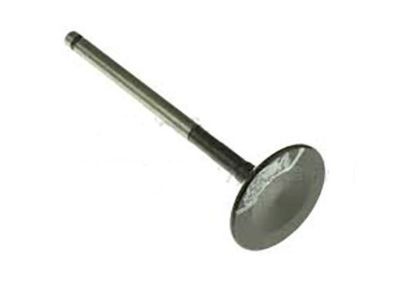
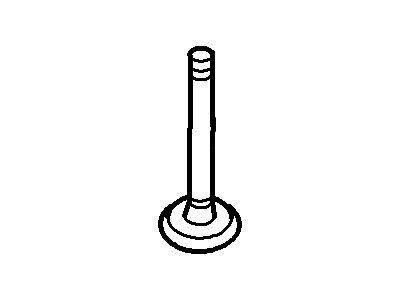
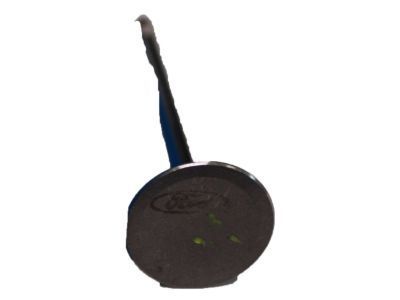
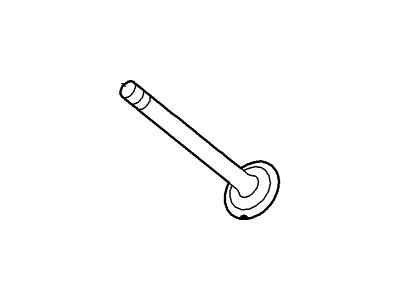
Ford Taurus Exhaust Valve
Part Number: F6DZ-6505-A$25.76 MSRP: $37.67You Save: $11.91 (32%)Ships in 1-3 Business Days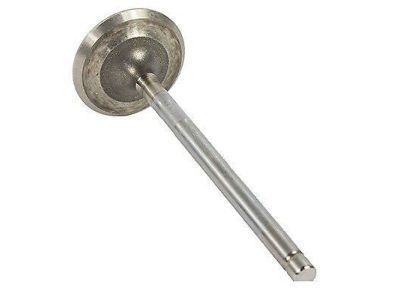
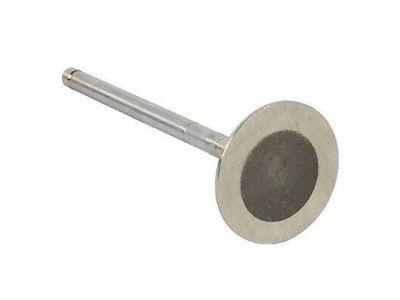
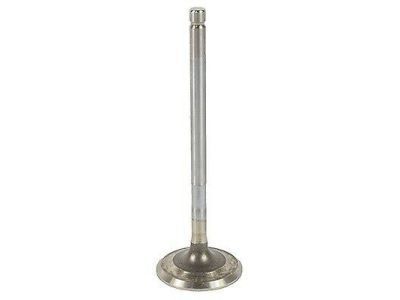
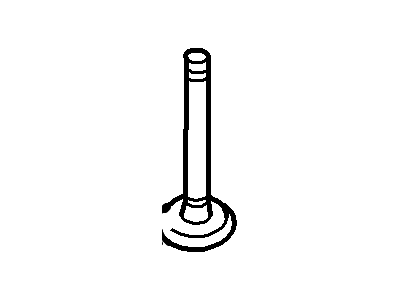
Ford Taurus Exhaust Valve
Part Number: AA5Z-6505-A$40.83 MSRP: $58.67You Save: $17.84 (31%)Ships in 1-3 Business Days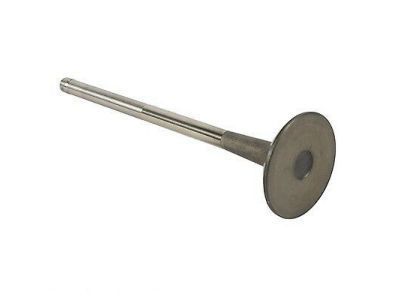
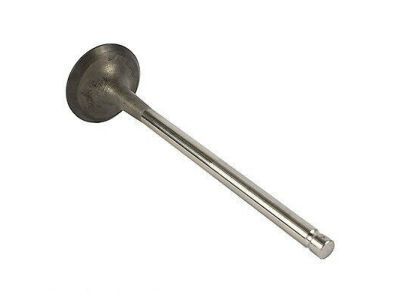
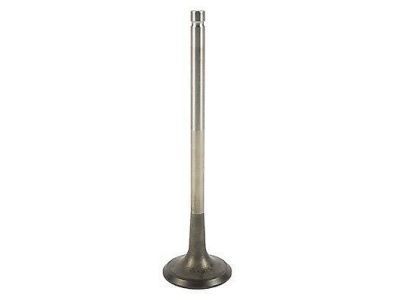
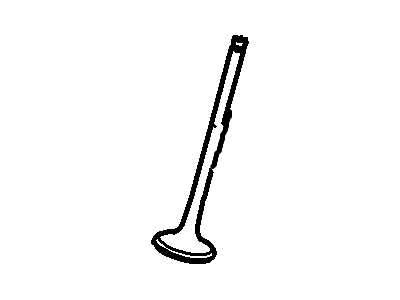
Ford Taurus Exhaust Valve
Part Number: AG9Z-6505-A$31.24 MSRP: $44.50You Save: $13.26 (30%)Ships in 1-3 Business Days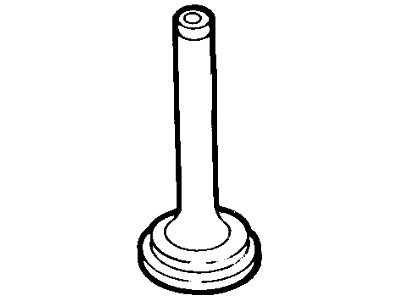
Ford Taurus Valve Exhaust
Part Number: E9SZ6505A$18.13 MSRP: $24.77You Save: $6.64 (27%)Ships in 1-2 Business Days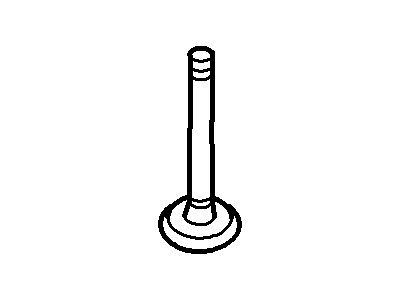
Ford Taurus Exhaust Valve
Part Number: 7T4Z-6505-A$16.99 MSRP: $24.83You Save: $7.84 (32%)Ships in 1-3 Business Days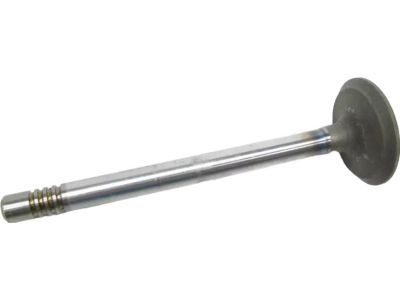
Ford Taurus Exhaust Valve
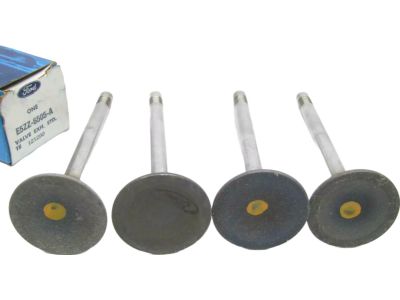
Exhaust Valve is one of the major parts of the internal combustion engine in Ford Taurus with the purpose of letting out the burnt exhaust gases from the engine cylinders. In simple terms, the function of the exhaust valve is crucial for proper running of the engine since anything that is wrong with the Exhaust Valve can lead to problems like, low power, lack of spark, rough running and low fuel economy. Throughout the years, different types of Exhaust Valves for the Ford Taurus have been adopted in the car's manufacturing and these serve to improve the efficiency of the car's engine. Although certain types are not elaborated, the primary conceptual concentration is placed on the capacity of practicing the Exhaust Valve in directing a proper flow of exhaust to prevent the engine from straining. Altogether, the Ford Taurus proves that Exhaust Valve is a critical element to monitor the engine condition and functionality, which is why it plays a significant role in the car's construction.
We provide a wide range of Ford Taurus Exhaust Valve at the optimal prices. If you need Ford Taurus Exhaust Valve, you can shop with confidence on our website. All our OEM parts come with a manufacturer's warranty and are delivered to your doorstep with a fast delivery service.
Ford Taurus Exhaust Valve Parts Questions & Experts Answers
- Q:How to check and adjust the exhaust valve and intake valve clearances on Ford Taurus?A:Disconnect the cable from the negative battery terminal. Remove the spark plugs, then take off the valve cover. Loosen the right front wheel lug nuts, raise the front of the vehicle, and support it securely on jackstands before removing the wheel. Remove the fender splash shield. Using a wrench or socket on the crankshaft pulley bolt, rotate the crankshaft clockwise and check each lifter when its Camshaft lobe is straight up, ensuring that the measurement is between the base circle of the camshaft lobe and the top of the lifter. Use feeler gauges to measure the clearances, ensuring a slight drag is felt as the feeler gauge is slid between the lifter and the camshaft. The clearance must be checked between each camshaft lobe and the lifter it operates, and careful notes of the measurements recorded for each lifter should be kept. If some measurements fall outside the recommended clearances, the camshafts must be removed, and the out-of-spec lifters replaced. New lifters are available with various thicknesses to correct the valve clearances, each marked with a thickness number. To determine the desired thickness for new lifters, add the thickness of the original lifter to the measured clearance, then subtract the mid-range figure for ideal clearance to find the proper lifter thickness to order, keeping in mind that not every thickness is available. Install the camshafts, then recheck the valve clearances. The remainder of the installation is the reverse of removal; run the engine and check for oil leaks.
Related Ford Taurus Parts
 Ford Taurus Cylinder Head Bolts
 Ford Taurus Spool Valve
 Ford Taurus Cylinder Head Gasket
 Ford Taurus Camshaft
 Ford Taurus Timing Cover
 Ford Taurus Intake Valve
 Ford Taurus Cylinder Head
 Ford Taurus Rocker Arm
Browse by Year
2019 Exhaust Valve 2018 Exhaust Valve 2017 Exhaust Valve 2016 Exhaust Valve 2015 Exhaust Valve 2014 Exhaust Valve 2013 Exhaust Valve 2012 Exhaust Valve 2011 Exhaust Valve 2010 Exhaust Valve 2009 Exhaust Valve 2008 Exhaust Valve 2007 Exhaust Valve 2006 Exhaust Valve 2005 Exhaust Valve 2004 Exhaust Valve 2003 Exhaust Valve 2002 Exhaust Valve 2001 Exhaust Valve 2000 Exhaust Valve 1999 Exhaust Valve 1998 Exhaust Valve 1997 Exhaust Valve 1996 Exhaust Valve 1995 Exhaust Valve 1994 Exhaust Valve 1993 Exhaust Valve 1992 Exhaust Valve 1991 Exhaust Valve 1990 Exhaust Valve 1989 Exhaust Valve 1988 Exhaust Valve 1987 Exhaust Valve 1986 Exhaust Valve