

My Garage
My Account
Cart
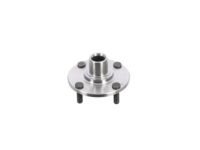
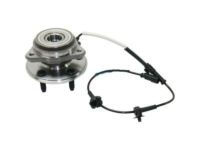
Genuine Ford Wheel Hub
Wheel Axle Hub- Select Vehicle by Model
- Select Vehicle by VIN
Select Vehicle by Model
orMake
Model
Year
Select Vehicle by VIN
For the most accurate results, select vehicle by your VIN (Vehicle Identification Number).
483 Wheel Hubs found
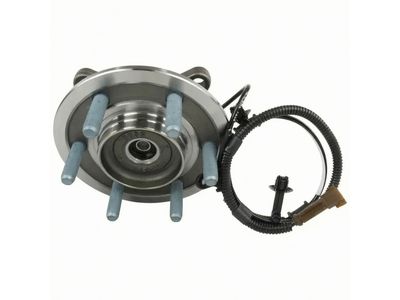
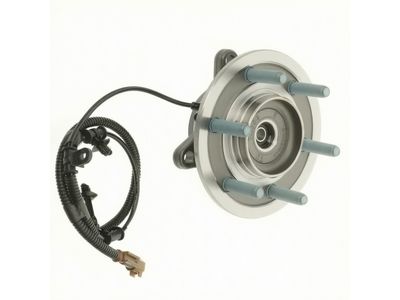
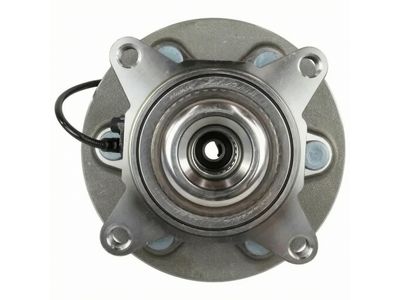
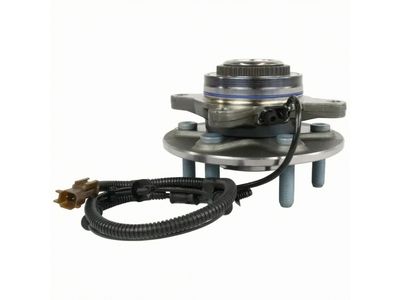
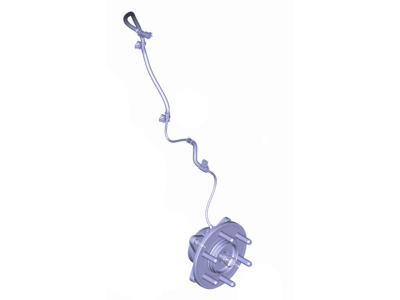
Ford Front Hub & Bearing
Part Number: JL3Z-1104-U$347.32 MSRP: $567.27You Save: $219.95 (39%)Ships in 1-3 Business DaysProduct Specifications- Other Name: Hub Assembly - Wheel; Front Hub & Bearing, Hub & Bearing
- Replaces: HUB-386, HUB-471, JL3Z-1104-C, JL3Z-1104-T, JL3Z-1104-A, JL3Z-1104-P, HUB-380, HUB-485
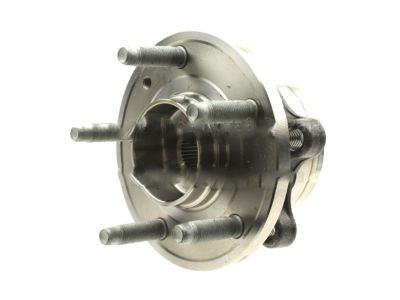
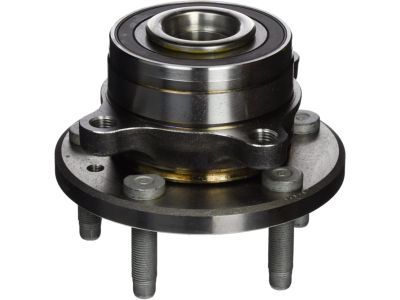
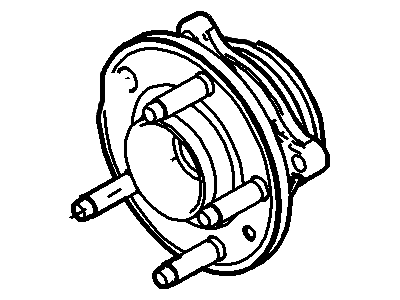
Ford Front Hub & Bearing
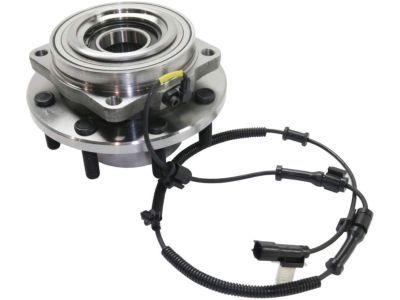
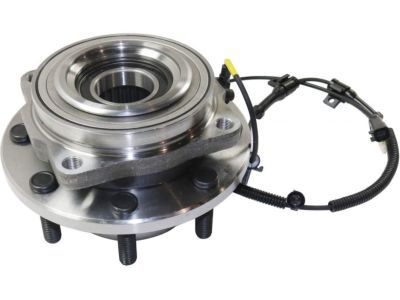
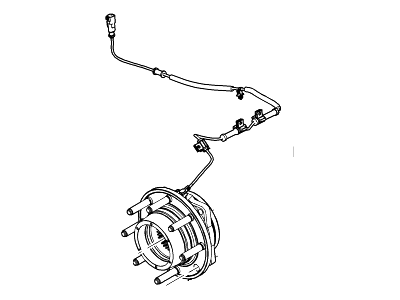
Part Number: BB5Z-1104-A$229.19 MSRP: $318.98You Save: $89.79 (29%)Ships in 1 Business DayProduct Specifications- Other Name: Hub Assembly - Wheel
- Manufacturer Note: RH/LH
- Position: Passenger Side/Driver Side
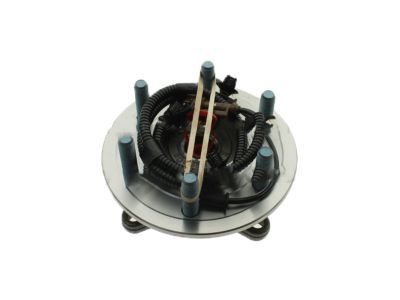
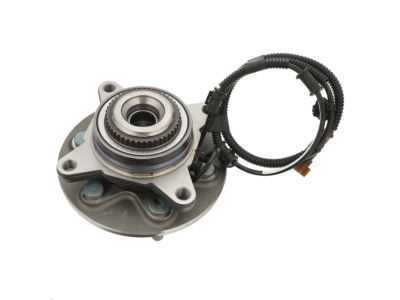
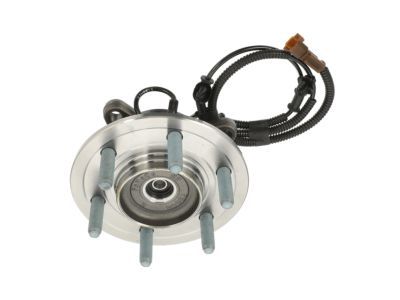
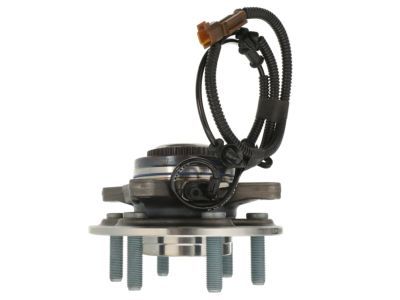
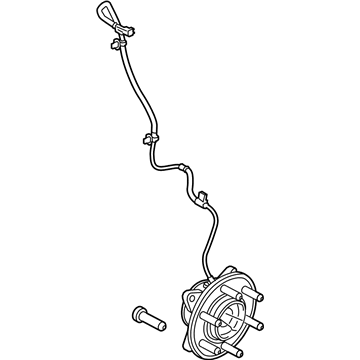 Product Specifications
- Other Name: Hub Assembly - Wheel; Front Hub & Bearing, Hub & Bearing
- Manufacturer Note: RH/LH
- Position: Passenger Side/Driver Side
- Replaces: FL3Z-1104-A, FL3Z-1104-F, FL3Z-1104-E, HUB-372, HUB-306, HUB-361, HUB-286, FL3Z-1104-C
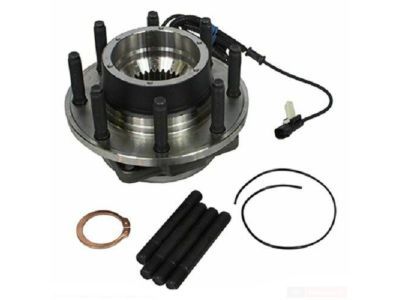
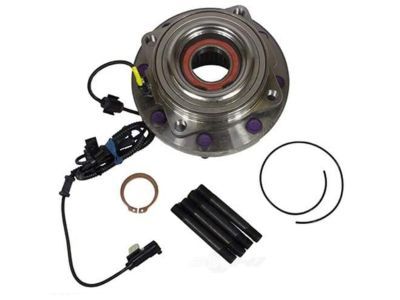
 Product Specifications
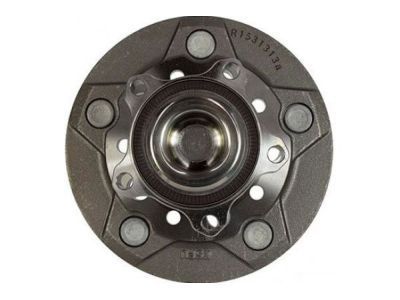
- Other Name: Hub And Bearing Assembly - Wheel; Front Hub, Hub & Bearing
- Position: Passenger Side/Driver Side
- Replaces: BC3Z-1104-A, HUB-70
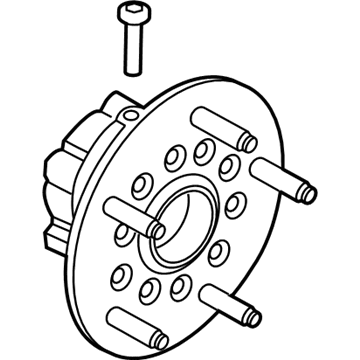
Ford Front Hub & Bearing
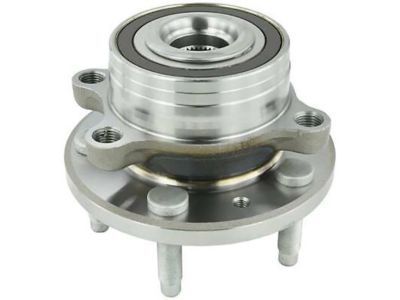
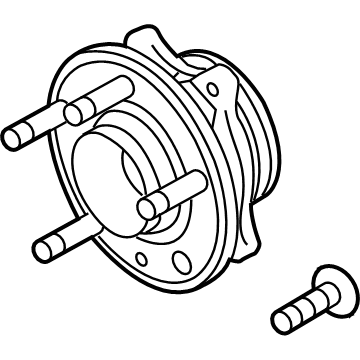
Part Number: CK4Z-1104-G$240.45 MSRP: $392.73You Save: $152.28 (39%)Ships in 1-2 Business DaysProduct Specifications- Other Name: Hub Assembly - Wheel; Front Hub & Bearing, Hub Assembly
- Replaces: CK4Z-1104-B, HUB-255
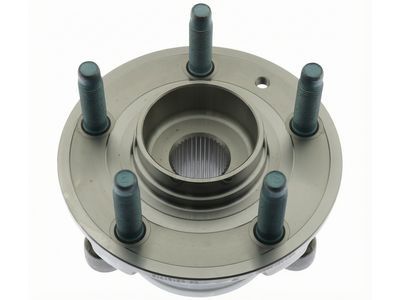
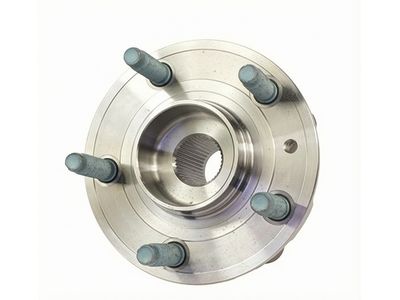
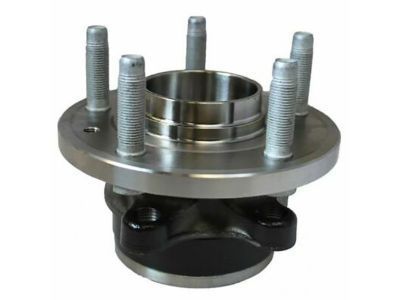
Ford Hub Assembly
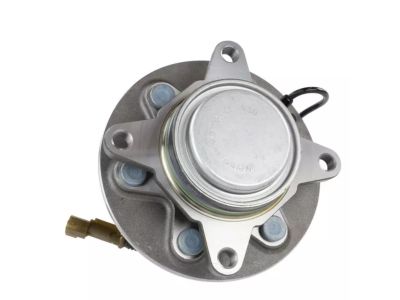
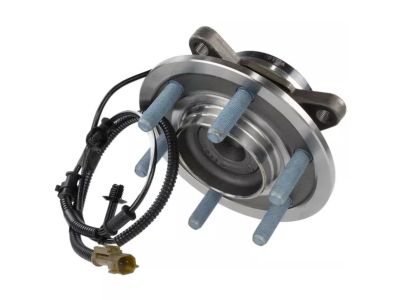
Part Number: HB5Z-1104-C$233.17 MSRP: $398.07You Save: $164.90 (42%)Ships in 1 Business DayProduct Specifications- Other Name: Hub Assembly - Wheel; Hub & Bearing Assembly, Hub Assembly
- Manufacturer Note: RH/LH
- Position: Passenger Side/Driver Side
- Replaces: HUB-363, HB5Z-1104-B, HB5Z-1104-A, HUB-364
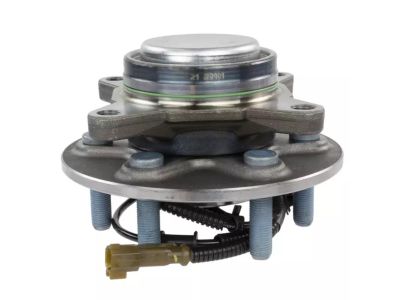
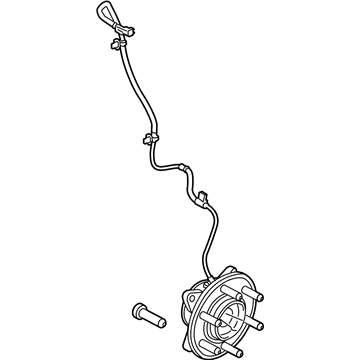
 Product Specifications
- Other Name: Hub Assembly - Wheel; Front Hub, Hub & Bearing
- Replaced by: JL3Z-1104-V
- Replaces: JL3Z-1104-D, HUB-381, JL3Z-1104-B, JL3Z-1104-H, JL3Z-1104-J, HUB-435, HUB-436, HUB-387
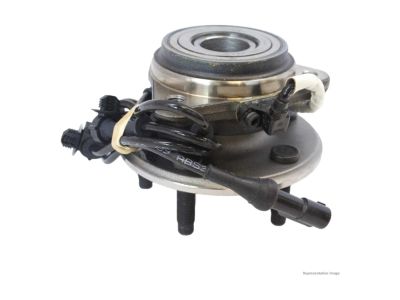
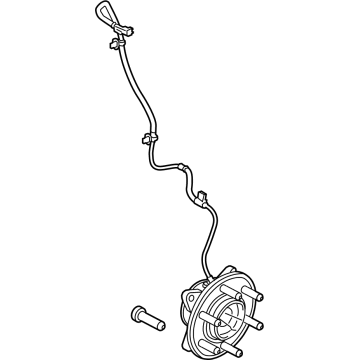
 Product Specifications
- Other Name: Hub Assembly - Wheel; Front Hub & Bearing, Hub & Bearing
- Replaces: JL1Z-1104-C, JL1Z-1104-F, HUB-434, HUB-491, JL1Z-1104-A, JL1Z-1104-E, HUB-384, HUB-492
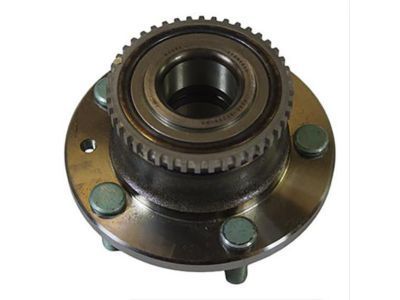
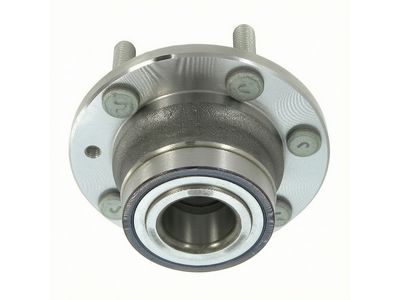
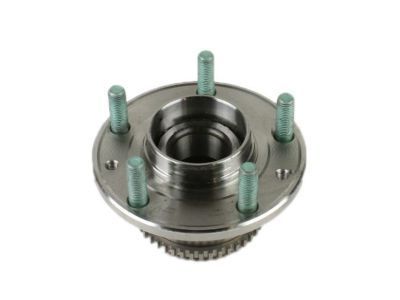
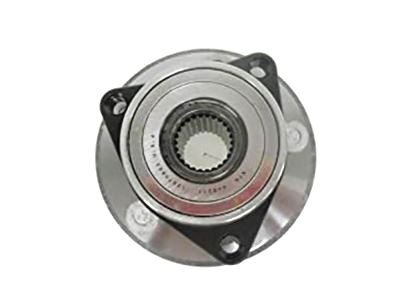
Ford Front Hub
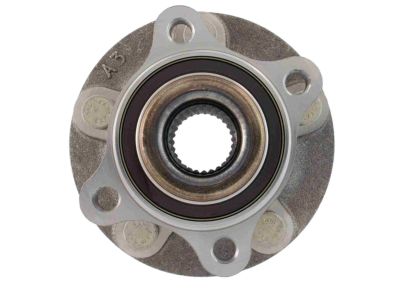
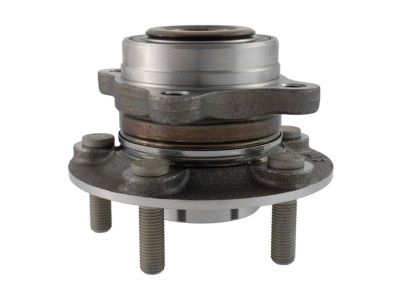
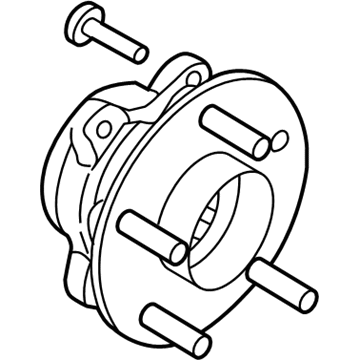
Part Number: 6E5Z-1104-BA$81.44 MSRP: $137.36You Save: $55.92 (41%)Ships in 1 Business DayProduct Specifications- Other Name: Hub Assembly - Wheel; Front Hub, Hub & Bearing Assembly, Hub Assembly
- Manufacturer Note: Includes ABS Tone Ring Not Serviced Separately
- Replaces: 6E5Z-1104-AA, HUB-128
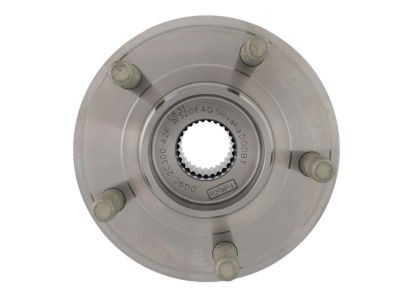
 Product Specifications
- Other Name: Hub Assembly - Wheel
- Replaces: DG9Z-1104-S, DG9Z-1104-D, DG9Z-1104-B, DG9Z-1104-E, HUB-270, HUB-419, HUB-410, HUB-203, HUB-202, HUB-309, DG9Z-1104-U, DG9Z-1104-A
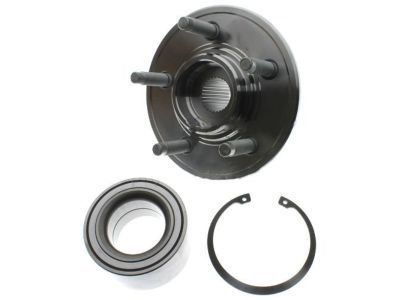
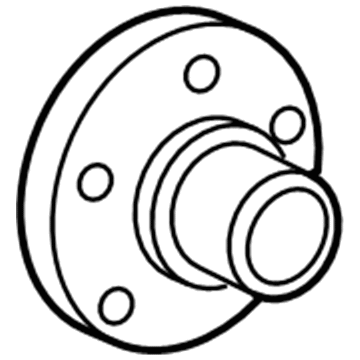
Ford Rear Hub
Part Number: G2MZ-1109-C$133.03 MSRP: $249.80You Save: $116.77 (47%)Ships in 1-2 Business DaysProduct Specifications- Other Name: Hub Assembly - Wheel; Hub, Hub Assembly, Rear Hub
- Position: Passenger Side/Driver Side
- Replaces: 1L2Z-1109-AA, 6L2Z-1109-B, HUB-132, HUB-69
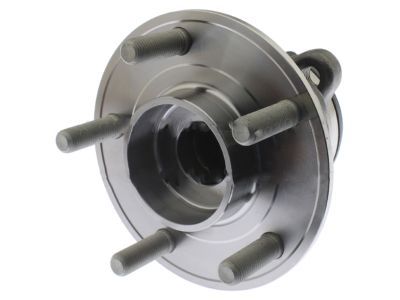
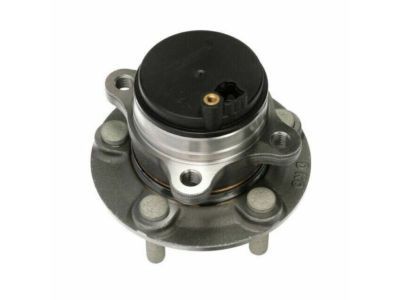
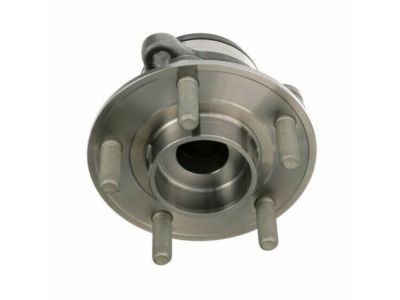
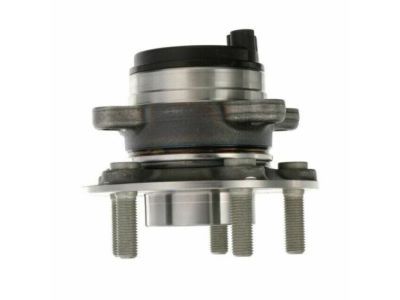
Ford Hub Assembly
Part Number: DG9Z-1109-C$204.48 MSRP: $349.09You Save: $144.61 (42%)Ships in 1-2 Business DaysProduct Specifications- Other Name: Hub Assembly - Wheel; Hub & Bearing Assembly, Hub Assembly
- Manufacturer Note: RH/LH
- Position: Passenger Side/Driver Side
- Replaces: DG9Z-1104-F, HUB-411, HUB-259, HUB-310, DG9Z-1109-A, DG9Z-1104-C
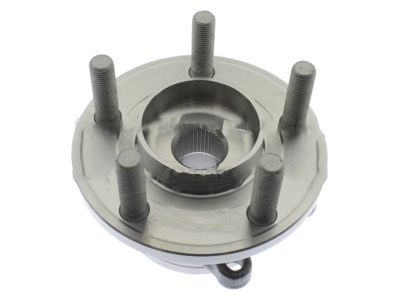
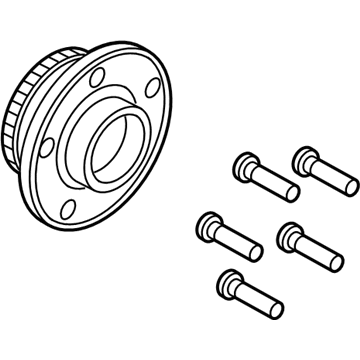
Ford Front Hub & Bearing
Part Number: FR3Z-1104-F$132.06 MSRP: $225.45You Save: $93.39 (42%)Ships in 1-2 Business DaysProduct Specifications- Other Name: Hub Assembly - Wheel; Front Hub & Bearing, Hub Assembly
- Position: Passenger Side/Driver Side
- Replaces: FR3Z-1104-C, HUB-315, FR3Z-1104-CA
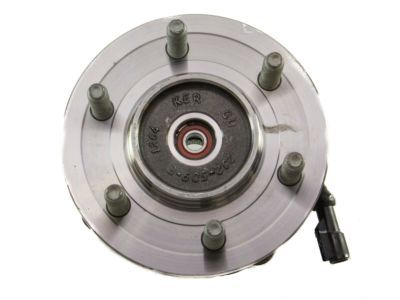
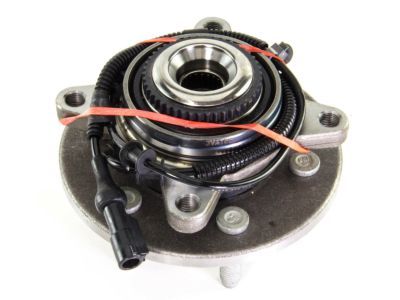
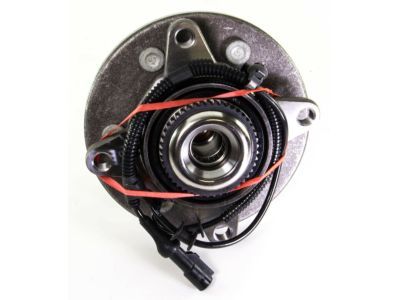
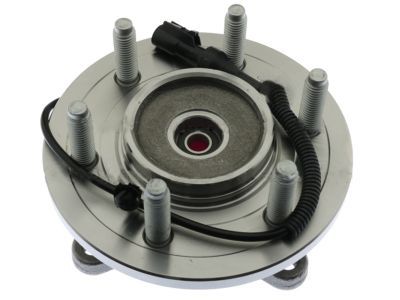
Ford Front Hub
Part Number: G2MZ-1104-R$251.58 MSRP: $452.00You Save: $200.42 (45%)Ships in 1-2 Business DaysProduct Specifications- Other Name: Hub Assembly - Wheel; Front Hub, Hub & Bearing
- Replaces: 6L3Z-1104-DA, 7L3Z-1104-A, HUB-30
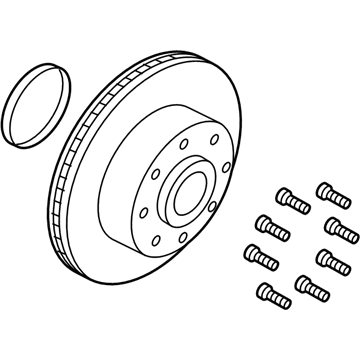
Ford Hub & Rotor
Part Number: PC3Z-1102-A$183.85 MSRP: $273.00You Save: $89.15 (33%)Ships in 1-2 Business DaysProduct Specifications- Other Name: Hub Assembly - Wheel; Hub & Rotor, Rotor
- Replaces: BRRF-310, DC3Z-1102-B, BRRF-374, BRRF-482, BRRF-200, HC3Z-1102-H, G2MZ-1V102-FA, HC3Z-1102-A, HC3Z-1102-L
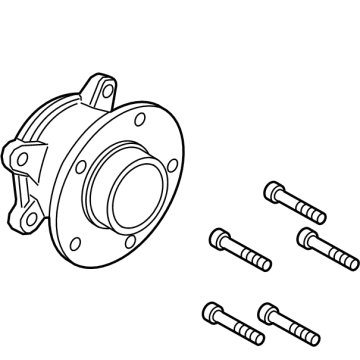
Ford Rear Hub
Part Number: LX6Z-1104-A$225.78 MSRP: $385.45You Save: $159.67 (42%)Ships in 1-2 Business DaysProduct Specifications- Other Name: Hub Assembly - Wheel; Hub, Hub Assembly, Rear Hub, Rear Hub & Bearing
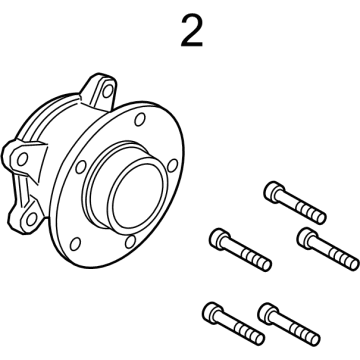
Ford Rear Hub
Part Number: LX6Z-1109-A$132.63 MSRP: $224.33You Save: $91.70 (41%)Ships in 1-2 Business DaysProduct Specifications- Other Name: Hub Assembly - Wheel; Hub, Hub Assembly, Rear Hub, Rear Hub & Bearing
 Product Specifications
- Other Name: Hub Asy; Front Hub & Bearing, Hub Assembly
Ford Front Hub & Bearing
Part Number: LK4Z-1104-B$302.09 MSRP: $493.40You Save: $191.31 (39%)Ships in 1-2 Business DaysProduct Specifications- Other Name: Hub Assembly - Wheel; Front Hub & Bearing, Hub Assembly
- Replaces: CK4Z-1104-A, CK4Z-1104-F, CK4Z-1104-D, HUB-422, HUB-424, HUB-254
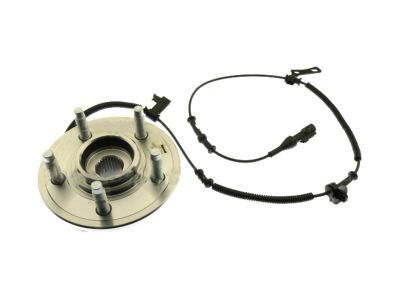
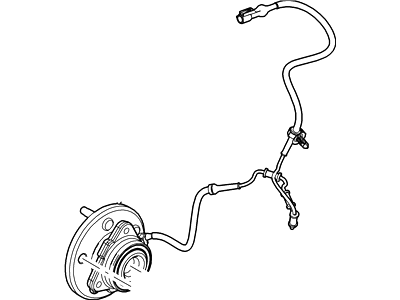 Product Specifications
- Other Name: Hub Assembly - Wheel
- Replaces: 7L2Z-1104-A, 6L2Z-1104-A, HUB-29
| Page 1 of 25 |Next >
1-20 of 483 Results
Ford Wheel Hub Parts Questions & Experts Answers
- Q:How to remove and install the rear Wheel Hub and bearing assembly on Ford Fusion?A:Raise and support the rear of the vehicle and remove the wheel speed sensor. Unbolt and set aside the caliper and caliper mounting bracket, ensuring the caliper does not hang by the rubber brake hose; instead, wire it to the spring or shock absorber with mechanic's wire. Remove the brake disc. For 2012 and earlier FWD models, pry off the grease cap with a screwdriver, tapping it with a small hammer if necessary, then remove the hub nut and slide the hub and bearing assembly from the wheel spindle. Installation is the reverse of removal, tightening all fasteners to the proper torque specifications and using a new hub nut. For AWD models, due to the special tools and expertise required to press the hub and bearing from the steering knuckle, this job should be left to a professional mechanic, although the knuckle and hub may be removed and taken to a qualified repair facility. For 2013 and later models, it is recommended to replace all fasteners with new ones during installation. On AWD models, remove the driveaxle, then remove the four hub mounting bolts from the back side of the knuckle and take out the hub and bearing assembly from the knuckle. Installation is the reverse of removal, ensuring the mating surfaces on the knuckle and the hub and bearing assembly are clean, tightening the mounting bolts in a diagonal pattern to the specified torque, tightening the driveaxle hub nut to the torque if equipped, installing the brake disc, installing the brake caliper and tightening the mounting bolts to the torque, and finally installing the wheel and wheel lug nuts before lowering the vehicle and tightening the nuts to the torque.
- Q:How to inspect and replace the rear Wheel Bearing and Wheel Hub on a Ford Focus?A:The rear hub bearings are non-adjustable, and to check for excessive wear, chock the front wheels, jack up the rear of the vehicle, and support it on axle stands while fully releasing the parking brake. Grip the rear wheel at the top and bottom, attempting to rock it; excessive movement or roughness when spinning indicates worn hub bearings. To replace, first remove the rear wheel, then tap off the dust cap and unscrew the hub nut, which is of special laminated design and should be reused a maximum of four times, marking it each time it is removed. Next, remove the rear brake drum, using a suitable puller if necessary, and apply penetrating oil or heat if the drum is stubborn. Ensure any remaining part of the inner race on the stub axle is removed with a puller, and take out the ABS sensor ring if equipped, as it must be replaced upon reinstallation. Extract the snap-ring securing the bearing in the hub/drum with snap-ring pliers, then press or drive out the bearing using a length of metal tubing slightly smaller than the bearing outer race, and clean the bearing seating faces. Press or drive the new bearing into the hub/drum until fully located, ensuring no pressure is applied to the inner race, then secure it with the snap-ring. Slowly and squarely press the new ABS sensor ring onto the hub assembly, as damage can cause ABS system failure. Locate the new rear hub/drum and bearing assembly on the stub axle, install the hub nut, and tighten it to the specified torque while rotating the hub assembly in the opposite direction to prevent bearing damage. Finally, tap the dust cap onto the hub, install the rear wheel, lower the vehicle, and tighten all bolts and nuts to their specified torque.
- Q:How to remove and install Wheel Hub on Ford Ranger?A:For 2000 models with pulse vacuum hub locks, the hub and bearing assembly is a sealed unit that cannot be adjusted or serviced; if defective, it must be replaced, requiring special tools for removal and installation. To remove the hub lock, six special clips, a hub-lock puller, and a slide hammer are necessary. Begin by loosening the front wheel lug nuts, raising the vehicle, and removing the wheel. Next, remove the brake caliper and disc, install the hub-lock removal clips, and align the puller with the hub lock. After removing the hub lock assembly, unbolt the brake disc splash shield, detach the vacuum line clips, and disconnect the ABS harness if applicable. Remove the hub assembly-to-steering knuckle bolts, tap the hub assembly to break it loose, and pull it off the driveaxle. For disassembly, a special needle bearing puller and slide hammer are needed to remove the caged needle bearing, ensuring not to unscrew the bearing retaining nut. Inspect the hub and bearing assembly for damage, ensuring to replace old O-rings and thrust washers. For reassembly, install the caged needle bearing and lubricate it, ensuring the thrust washer locking tabs are seated correctly. During installation, inspect and replace the main seal if necessary, then install the hub and bearing assembly, tighten the mounting bolts, and reconnect the vacuum line. For models without pulse vacuum hub locks, the sealed wheel bearings must be replaced if defective. The process involves similar steps of removing the wheel, brake components, and driveaxle/hub nut, followed by detaching the wheel hub from the steering knuckle and reversing the process for installation, ensuring to use a new driveaxle/hub nut.
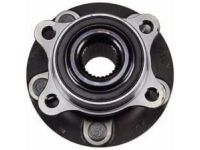
Related Ford Parts
 Ford Lug Nuts
 Ford Wheel Stud
 Ford Wheel Seal
 Ford Wheel Bearing
 Ford Spindle
 Ford Transfer Case Bearing
Browse by Model
Bronco Sport Wheel Hub Bronco Wheel Hub C-Max Wheel Hub Contour Wheel Hub Crown Victoria Wheel Hub E-150 Wheel Hub E-250 Wheel Hub E-350/E-350 Super Duty Wheel Hub E-450 Super Duty Wheel Hub E-Transit Wheel Hub EcoSport Wheel Hub Edge Wheel Hub Escape Wheel Hub Escort Wheel Hub Excursion Wheel Hub EXP Wheel Hub Expedition Wheel Hub Explorer Sport Trac Wheel Hub Explorer Sport Wheel Hub Explorer Wheel Hub F-150 Lightning Wheel Hub F-150 Wheel Hub F-250 Super Duty Wheel Hub F-350 Super Duty Wheel Hub F-450 Super Duty Wheel Hub F-550 Super Duty Wheel Hub F53 Stripped Chassis Wheel Hub Fiesta Wheel Hub Five Hundred Wheel Hub Flex Wheel Hub Focus Wheel Hub Freestar Wheel Hub Freestyle Wheel Hub Fusion Wheel Hub GT Wheel Hub Maverick Wheel Hub Mustang Mach-E Wheel Hub Mustang Wheel Hub Police Interceptor Sedan Wheel Hub Police Interceptor Utility Wheel Hub Police Responder Hybrid Wheel Hub Probe Wheel Hub Ranger Wheel Hub SSV Plug-In Hybrid Wheel Hub Taurus Wheel Hub Taurus X Wheel Hub Tempo Wheel Hub Thunderbird Wheel Hub Transit Connect Wheel Hub Transit Wheel Hub