

My Garage
My Account
Cart
Genuine Ford Spindle
Axle Spindle- Select Vehicle by Model
- Select Vehicle by VIN
Select Vehicle by Model
orMake
Model
Year
Select Vehicle by VIN
For the most accurate results, select vehicle by your VIN (Vehicle Identification Number).
157 Spindles found
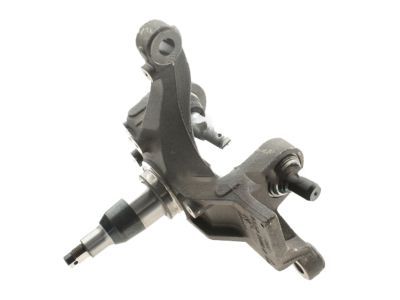
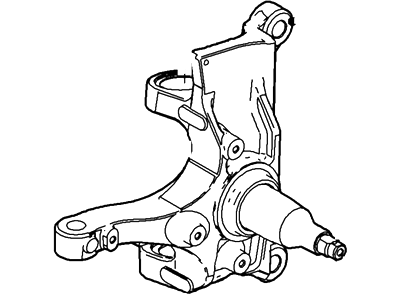
 Product Specifications
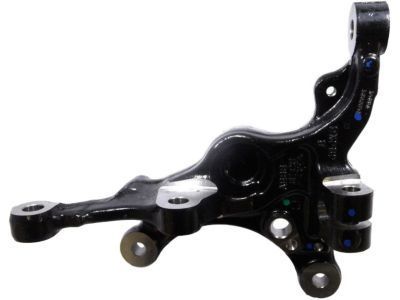
- Other Name: Spindle
- Manufacturer Note: Front RH
- Position: Driver Side
- Replaces: 9C2Z-3106-C, 9C2Z-3106-B
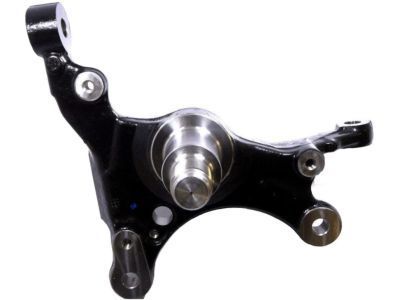
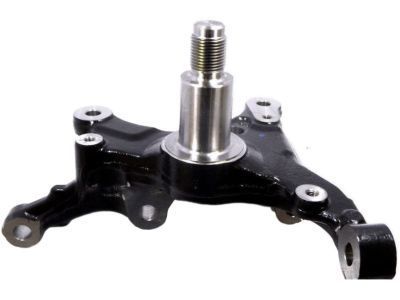
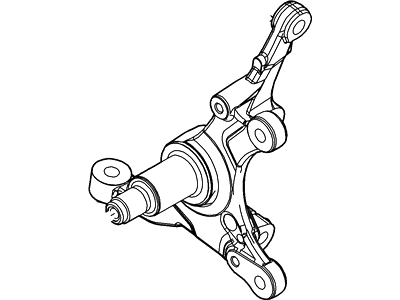 Product Specifications
- Other Name: Spindle; Knuckle
- Position: Driver Side
- Replaces: 4R3Z-3106-AA, 4R3Z-3106-BA, 5R3Z-3106-AA, 5R3Z-3106-BA
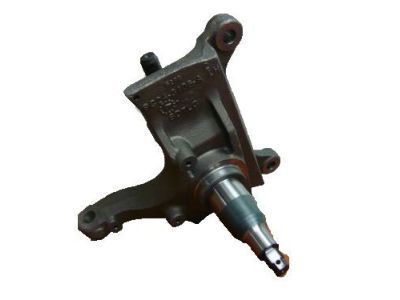
Ford Spindle
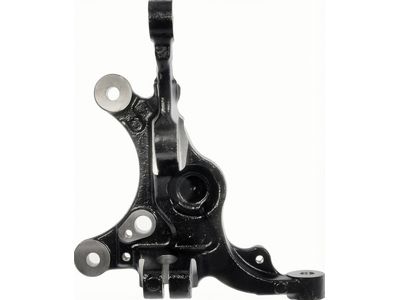
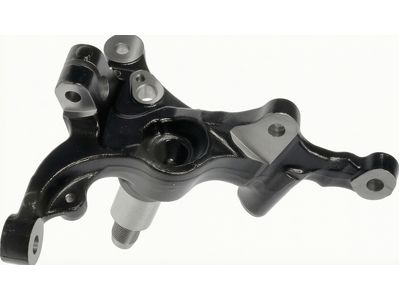
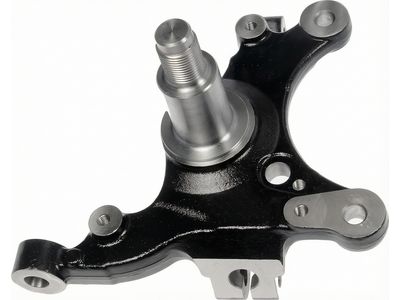
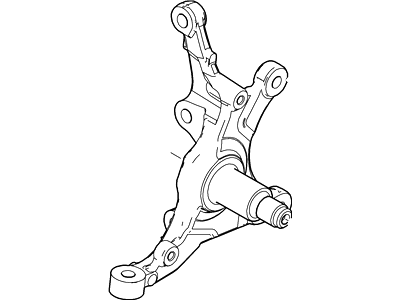
Part Number: 9C2Z-3106-B$501.85 MSRP: $658.33You Save: $156.48 (24%)Ships in 1 Business DayProduct Specifications- Position: Driver Side
- Replaced by: 9C2Z-3106-D
 Product Specifications
- Position: Driver Side
- Replaced by: AR3Z-3106-A
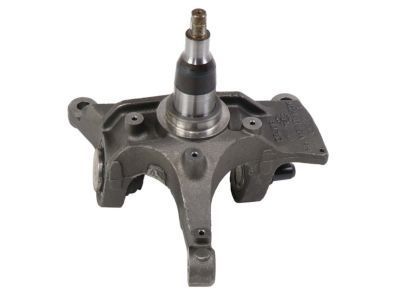
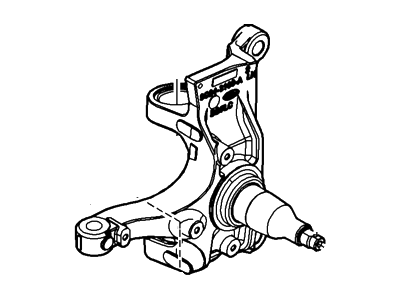 Product Specifications
- Other Name: Spindle
- Manufacturer Note: Front LH
- Position: Passenger Side
- Replaces: 9C2Z-3105-C, 9C2Z-3105-B
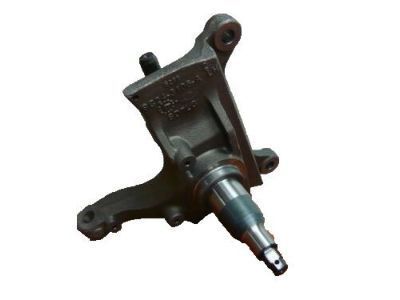
Ford Spindle
Part Number: 9C2Z-3106-C$440.43 MSRP: $658.33You Save: $217.90 (34%)Ships in 1 Business DayProduct Specifications- Position: Driver Side
- Replaced by: 9C2Z-3106-D
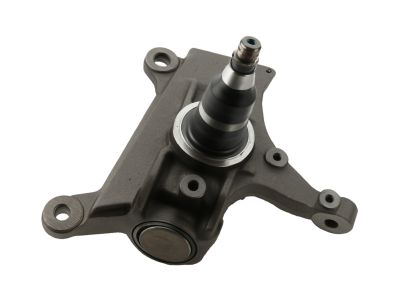
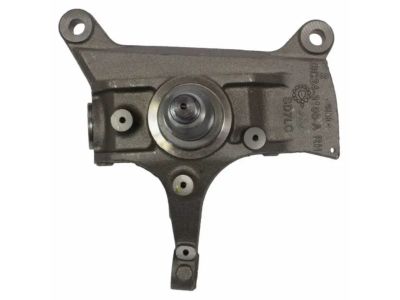
Ford Spindle
Part Number: 9C2Z-3105-B$393.60 MSRP: $588.33You Save: $194.73 (34%)Ships in 1 Business DayProduct Specifications- Position: Passenger Side
- Replaced by: 9C2Z-3105-D
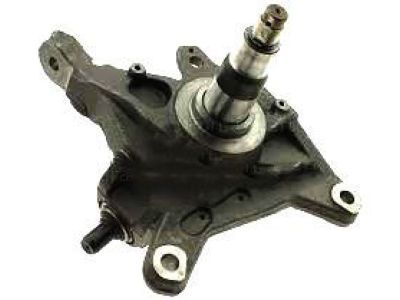
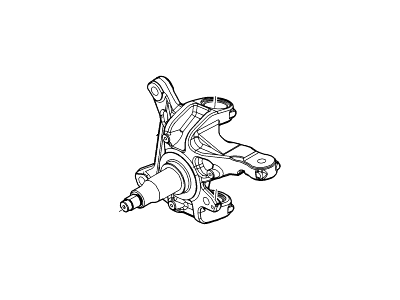
Ford Knuckle
Part Number: 8C3Z-3105-B$302.30 MSRP: $446.67You Save: $144.37 (33%)Ships in 1-3 Business DaysProduct Specifications- Other Name: Spindle; Knuckle
- Position: Passenger Side
- Replaces: 8C3Z-3105-A
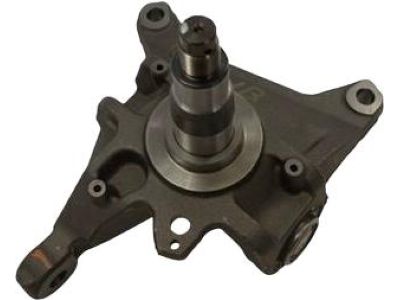
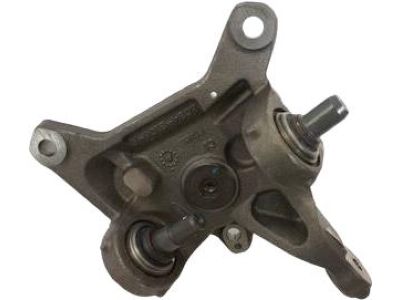
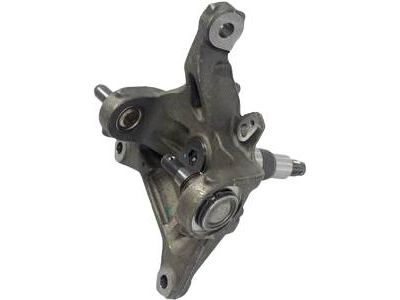
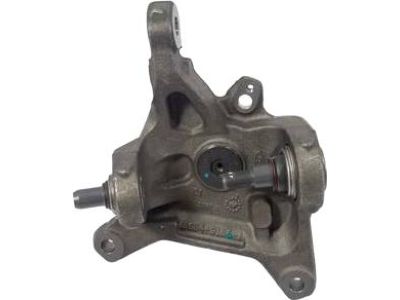
Ford Knuckle
Part Number: 8C3Z-3106-B$312.46 MSRP: $461.67You Save: $149.21 (33%)Ships in 1-3 Business DaysProduct Specifications- Other Name: Spindle; Knuckle
- Position: Driver Side
- Replaces: 8C3Z-3106-A, 7C3Z-3106-AL
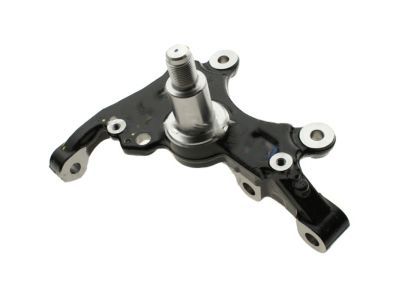
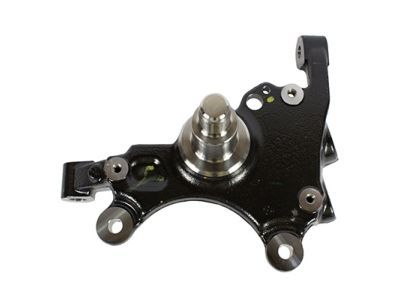
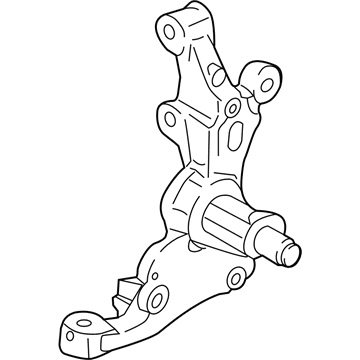 Product Specifications
- Other Name: Spindle; Knuckle
- Position: Passenger Side
- Product Specifications
- Position: Driver Side
- Replaced by: AR3Z-3106-A
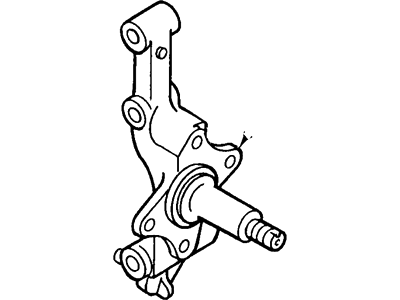
Ford Knuckle
Part Number: FOCZ4A013B$248.16 MSRP: $341.89You Save: $93.73 (28%)Ships in 1-2 Business DaysProduct Specifications- Other Name: Shaft; Knuckle, Spindle
- Position: Driver Side
- Product Specifications
- Position: Driver Side
- Replaced by: AR3Z-3106-A
- Product Specifications
- Position: Driver Side
- Replaced by: AR3Z-3106-A
Ford Spindle
Part Number: 9C2Z-3105-C$393.60 MSRP: $588.33You Save: $194.73 (34%)Ships in 1 Business DayProduct Specifications- Position: Passenger Side
- Replaced by: 9C2Z-3105-D
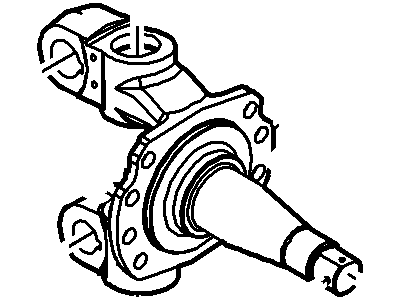
Ford Spindle
Part Number: 8U9Z-3105-A$791.00 MSRP: $1189.83You Save: $398.83 (34%)Ships in 1-2 Business DaysProduct Specifications- Position: Passenger Side
- Replaced by: 8U9Z-3105-B
- Product Specifications
- Other Name: Spindle Steering Knuckle - Right, Front 24
- Position: Passenger Side
- Replaces: 8U9Z-3105-A
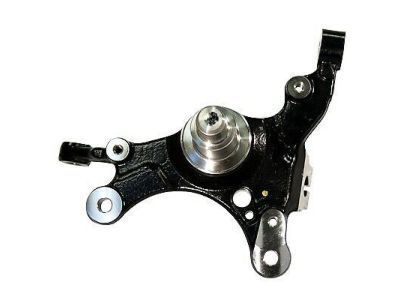
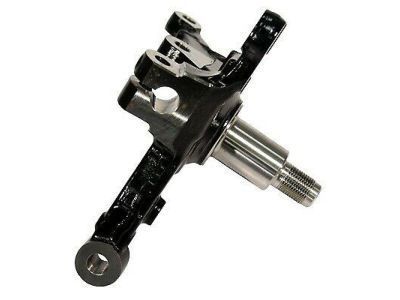
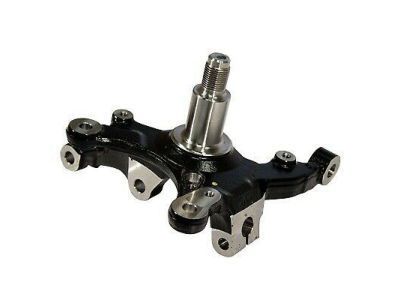
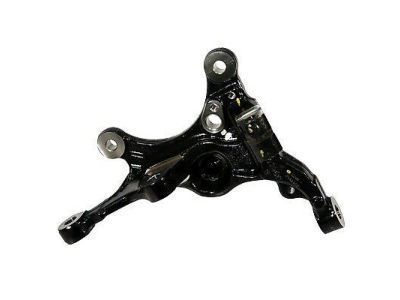 Product Specifications
- Other Name: Knuckle
- Position: Passenger Side
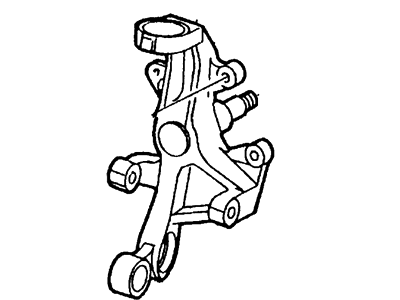 Product Specifications
- Position: Passenger Side
- Replaced by: 3F1Z-4A013-AA
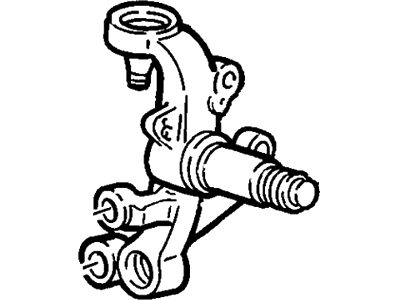 Product Specifications
- Other Name: Knuckle
- Position: Passenger Side
- Replaces: YF1Z-4A013-AA
| Page 1 of 8 |Next >
1-20 of 157 Results
Ford Spindle Parts Questions & Experts Answers
- Q:How to remove and install the spindle or steering knuckle on Ford Ranger?A:On those models with 4WD the spindle is called the steering knuckle. First commence by unscrewing the front wheel lug nuts, with the front wheels facing forward, lift the vehicle and support it with jackstands before proceeding to remove the front wheel. Then, remove the disc brake caliper, brake disc, and for 2WD models the disc brake splash shield, in doing so, remember to secure the caliper to the underbody to prevent the brake hose from being damaged. For the 2WD models equipped with ABS, then, you should remove the ABS sensor. Insert a jack to the lower arm at the balljoint for 2WD models and jack up in order to support the spring load from the lower arm and do not release the jack throughout the whole process. On 4WD models, if equipped, the hub lock assembly must be removed and the driveaxle connected to the hub/bearing assembly; the disc brake splash shield must be removed and if the vehicle is equipped with ABS, the ABS sensor must be removed from the steering knuckle. Lift the car for 4WD models and place on stands then unbolt the torsion bar and support the lower control arm using a jack. Take out the upper shock absorber mounting nut, washer and bushing especially if the nut is very rusty it may be seized, you can use the locking pliers to remove it. Then remove the upper balljoint pinch bolt nut and pinch bolt; following this, you should gently push the ballstud out of the spindle part. Pull-out the lower shock absorber mounting nuts to disarm the lower end of the shock absorber and then remove it. Lose the nut and remove the clevis pin of the tie rod end from the spindle. For the 2WD models, must use a coil spring compressor to compress the coil spring. Pull out the lower ball joint cotter pin and slacken the castellated nut, you then use a small puller to remove the lower control arm ball joint from the spindle. Last of all, unlock and take out the spindle/steering knuckle and on 4WD's, be sure to support the driveaxle assembly to prevent damage to the CV joints while removing it. Reassembly is done in reverse of disassembly; tightening of fasteners is done to the required torque levels applicable and final front-end alignment inspected by a dealer service or an alignment dealer.
Related Ford Parts


Browse by Model
Aerostar Spindle Bronco II Spindle Contour Spindle Crown Victoria Spindle E-150 Spindle E-250 Spindle E-350/E-350 Super Duty Spindle E-450 Super Duty Spindle E-550 Super Duty Spindle Escort Spindle Excursion Spindle Expedition Spindle Explorer Sport Spindle Explorer Sport Trac Spindle F-150 Spindle F-250 Spindle F-250 Super Duty Spindle F-350 Super Duty Spindle F-450 Super Duty Spindle F-550 Super Duty Spindle F53 Spindle F53 Stripped Chassis Spindle Focus Spindle Fusion Spindle Mustang Spindle Probe Spindle Ranger Spindle Taurus Spindle Transit Connect Spindle Windstar Spindle