My Garage
My Account
Cart
Genuine Mercury Mariner Canister Purge Valve
Vapor Canister Purge Valve EVAP- Select Vehicle by Model
- Select Vehicle by VIN
Select Vehicle by Model
orMake
Model
Year
Select Vehicle by VIN
For the most accurate results, select vehicle by your VIN (Vehicle Identification Number).
13 Canister Purge Valves found
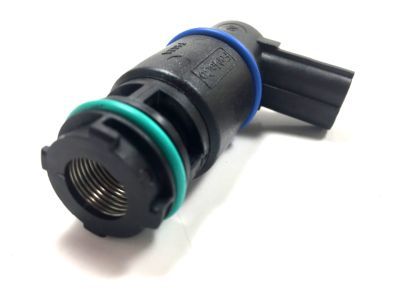
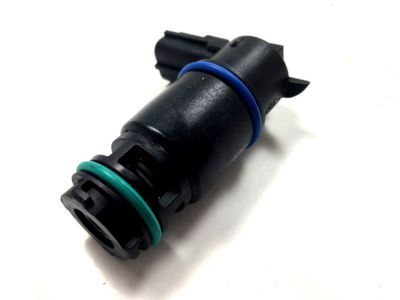
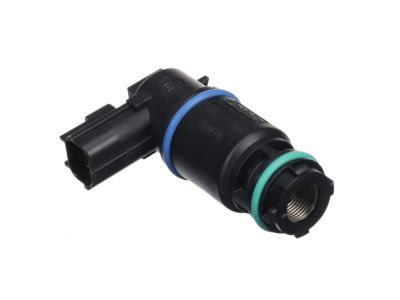
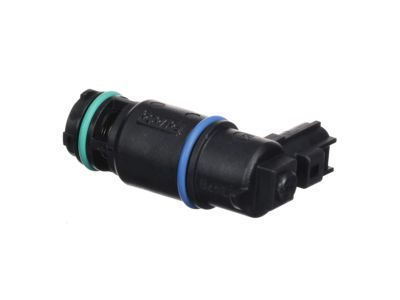
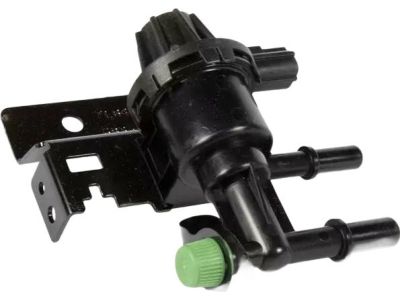
Mercury Mariner Vent Control Solenoid
Part Number: 9U5Z-9F945-C$44.90 MSRP: $72.73You Save: $27.83 (39%)Ships in 1 Business Day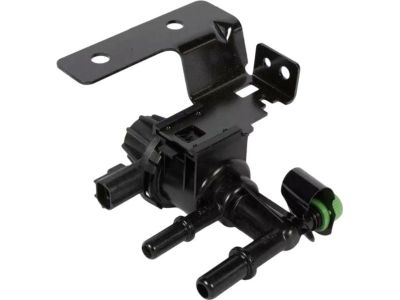
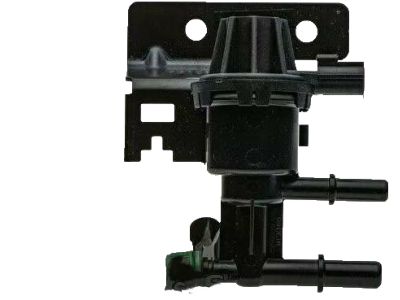
Mercury Mariner Vapor Canister Purge Solenoid
Part Number: 5L8Z-9C915-AA$93.46 MSRP: $157.64You Save: $64.18 (41%)Ships in 1-2 Business Days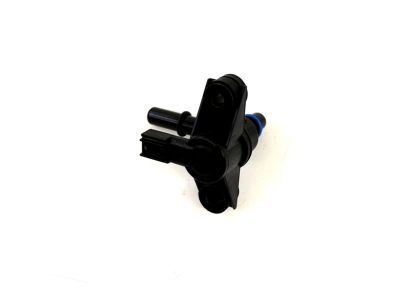
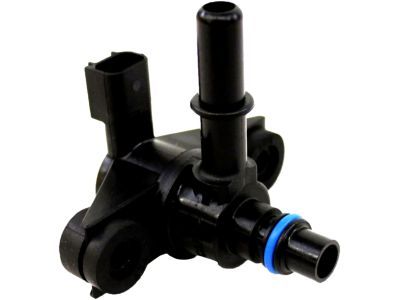
Mercury Mariner Valve Assembly
Part Number: 9U5Z-9C915-H$40.06 MSRP: $64.91You Save: $24.85 (39%)Ships in 1-2 Business Days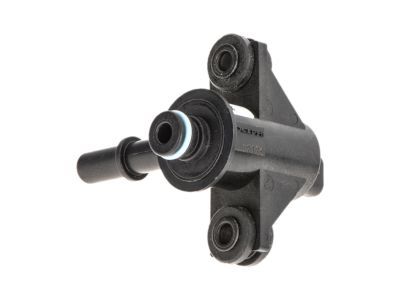
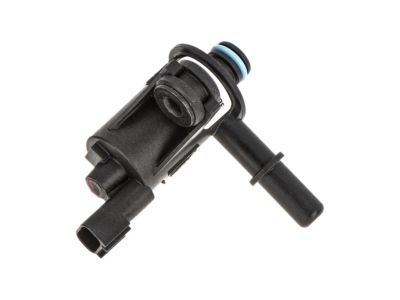
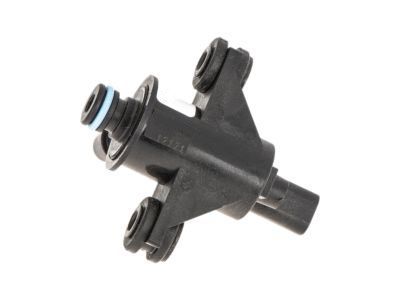
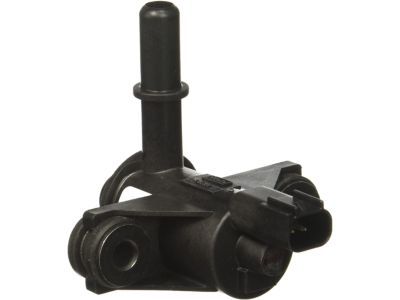

Mercury Mariner Valve Assembly
Part Number: 9U5Z-9C915-BE$60.50 MSRP: $98.00You Save: $37.50 (39%)Ships in 1-2 Business Days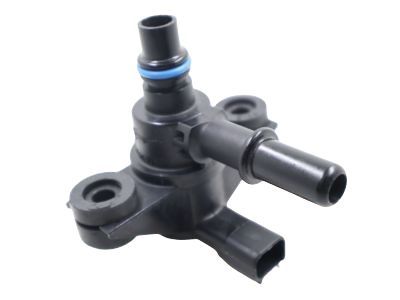
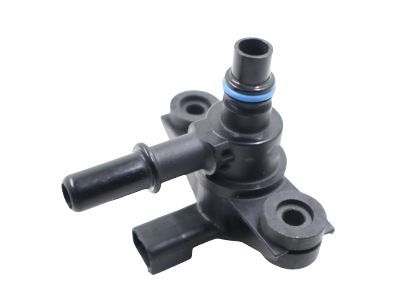
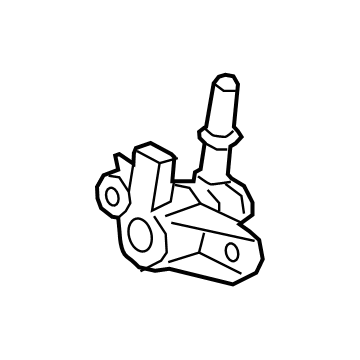
Mercury Mariner Valve Assembly
Part Number: 9U5Z-9C915-D$40.06 MSRP: $64.91You Save: $24.85 (39%)Ships in 1-2 Business Days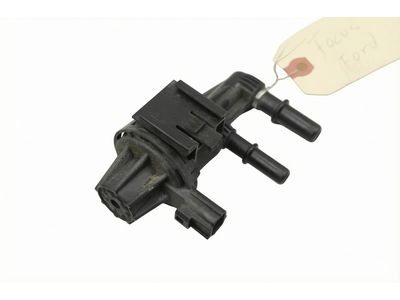
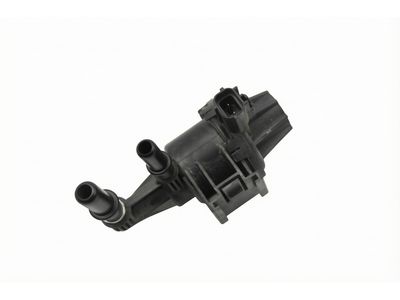
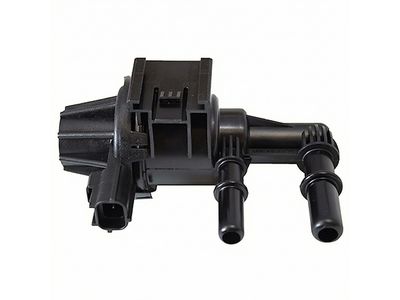
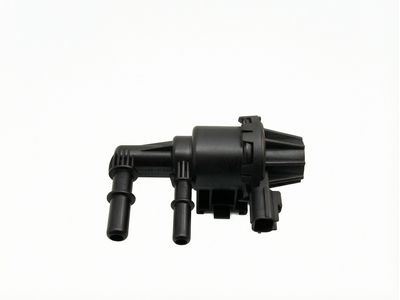

Mercury Mariner Vapor Canister Purge Valve
Part Number: 7U5Z-9C915-D$96.33 MSRP: $153.64You Save: $57.31 (38%)Ships in 1-3 Business Days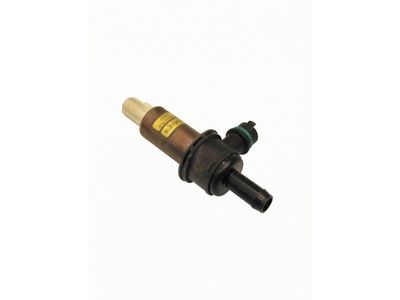
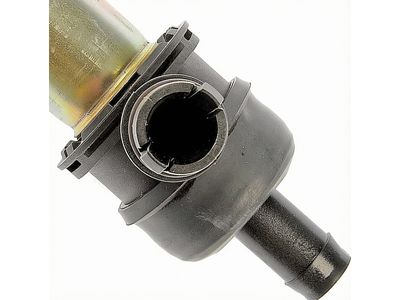
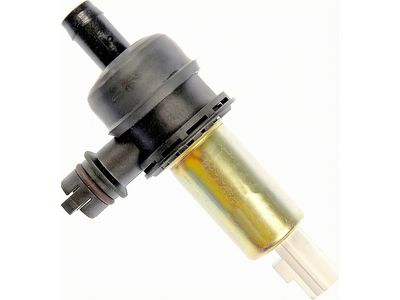
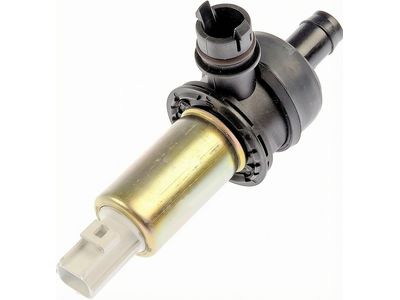
Mercury Mariner Vent Control Solenoid
Part Number: 6F9Z-9F945-AA$81.03 MSRP: $131.27You Save: $50.24 (39%)Ships in 1-3 Business Days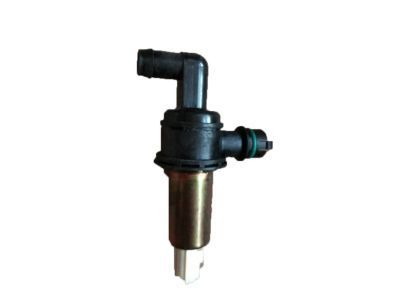
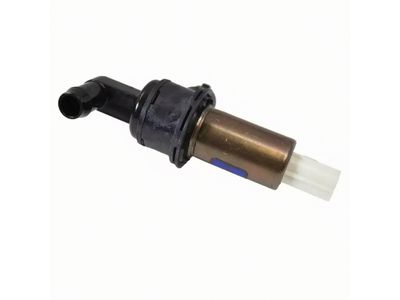
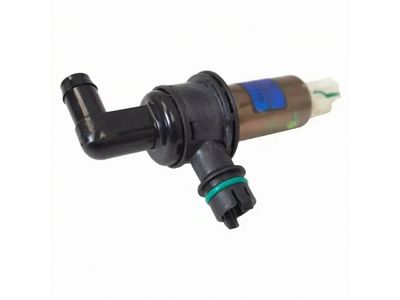
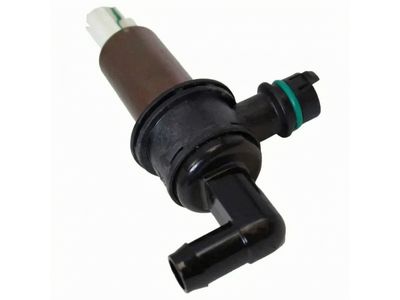
Mercury Mariner Solenoid Assembly
Part Number: 6L3Z-9F945-A$122.10 MSRP: $201.82You Save: $79.72 (40%)Ships in 1-2 Business Days
Mercury Mariner Valve Assembly
Part Number: 7L8Z-9C915-A$99.07 MSRP: $167.09You Save: $68.02 (41%)Ships in 1-3 Business Days
Mercury Mariner Purge Control Valve
Part Number: 6M6Z-9C915-A$181.61 MSRP: $292.73You Save: $111.12 (38%)Ships in 1-3 Business Days
Mercury Mariner Vapor Canister Purge Valve
Part Number: 8M6Z-9C915-A$226.27 MSRP: $314.33You Save: $88.06 (29%)Ships in 1-2 Business DaysMercury Mariner Solenoid Assembly
Part Number: 5U5Z-9F945-CA$81.03 MSRP: $131.27You Save: $50.24 (39%)Ships in 1-3 Business Days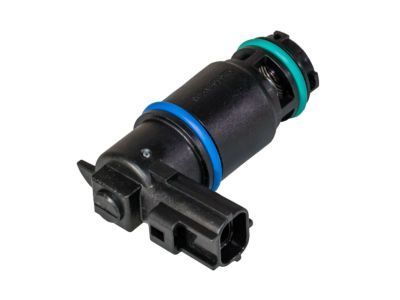
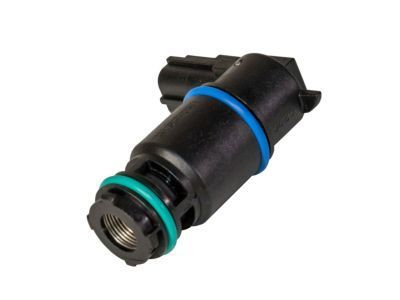
Mercury Mariner Canister Purge Valve
A Mercury Mariner vehicle includes the Canister Purge Valve which functions as a vital component for the EVAP system by regulating vapor transmission between the charcoal canister and the engine intake manifold. The main task of this valve consists of safely burning engine vapors while reducing dangerous emission of hydrocarbons. During engine operation the valve becomes active to produce a vacuum that pulls canister vapors and air into the engine. A variety of Canister Purge Valve was implemented in Mariner vehicles over time including models with functional filters applied for efficiency maintenance. Advanced versions of the Mercury Canister Purge Valve include diagnostic features including the canister vent solenoid and fuel tank pressure sensor for leak detection and performance optimization. When a Mercury Mariner Canister Purge Valve does not work properly it causes engine emission levels to rise and activates the check engine warning light until a vehicle inspector examines the system or makes necessary repairs.
We provide a wide range of Mercury Mariner Canister Purge Valve at the optimal prices. If you need Mercury Mariner Canister Purge Valve, you can shop with confidence on our website. All our OEM parts come with a manufacturer's warranty and are delivered to your doorstep with a fast delivery service.
Mercury Mariner Canister Purge Valve Parts Questions & Experts Answers
- Q:What is the purpose and function of the Evaporative Emissions Control system,Canister Purge Valve,Fuel Pressure Sensor and Vapor Canister on Mercury Mariner?A:When the EVAP system works, it holds back fuel vapor gases that aren't burned in the engine from entering the air we breathe. When it's warm outside, fuel vapors in the tank push up against the sealing cap, and when the pressure hits its limit, the fuel vapor vent valve lets these vapors escape in a controlled way down to the EVAP canister for temporary storage before being burned up while the car is running normally. The PCM first opens the canister purge valve when it detects certain circumstances, and then pulls fuel vapors from the canister into the engine's intake system. The EVAP canister, found under the vehicle against the left side, uses activated carbon to store fuel vapors without needing any upkeep. Along with the check valve and dust separator, the canister vent solenoid makes up the system together. The fuel tank pressure sensor senses the pressure inside the tank and tells the PCM what the reading is when it does an OBD-II leak test. The fuel vapor vent valve helps vapors enter the EVAP system, while the fuel vapor control valve keeps liquid fuel from reaching the canister when we fuel up. The canister vent solenoid stays open to let air through, but blocks the system during checks. The EVAP check valve lets out air from the tank during refueling. The PCM tells the canister purge valve when to let vapor move into the intake manifold. Problems with the EVAP system show themselves when you smell fuel, your car has trouble staying running, and pulls to one side while you drive, all caused by different system components going wrong. We can find out if fuel vapor pressure is too high by taking off the gas cap and listening to any air pressure that releases. Replacing the PCM needs us to turn off the battery, take off the parts that must be handled, then put and wire the PCM back in correctly to make it work well.