Make sure this part fits

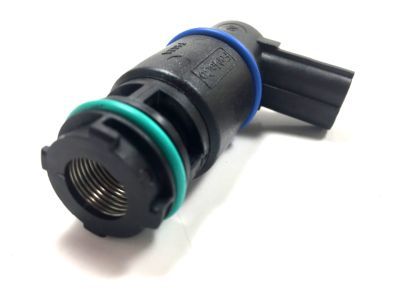
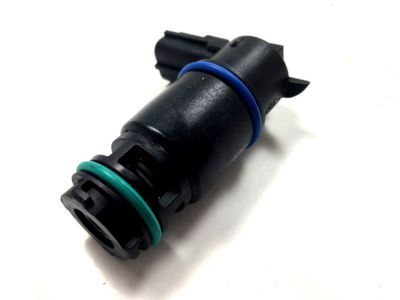
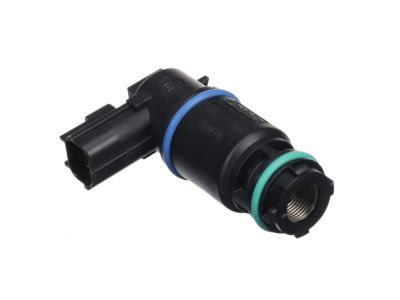
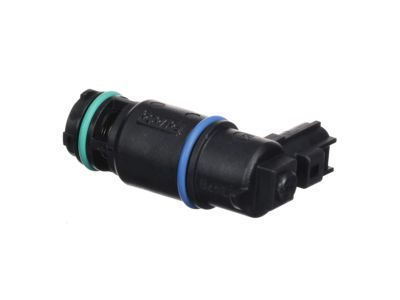
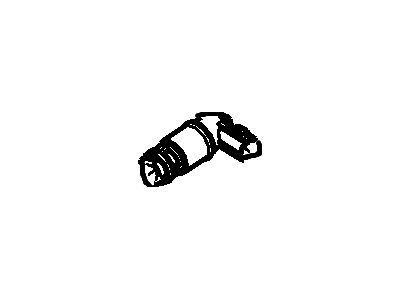
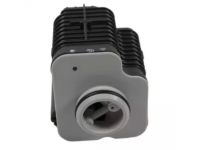
Ford 9U5Z-9F945-C Vent Control Solenoid

2009-2025 Ford 9U5Z9F945C

Customer Questions & Expert Answers (12)
9U5Z-9F945-C Ford Vent Control Solenoid Product Photo 1 of 10
  • Part Description
    Vent Control Solenoid, Solenoid Assembly
  • Base No.
    9F945
  • Replaces
    7U5Z-9F945-E
  • Manufacturer
    Ford
Make sure this part fits
$44.90 MSRP: $72.73
You Save: $27.83 (39%)
Ships in 1 Business Day
1
ADD TO CART
  • Related Parts
  • Product Specifications
  • Vehicle Fitment
  • Customer Questions & Expert Answers
  • Product Specifications

    BrandGenuine Ford
    Base No.9F945
    Manufacturer Part Number9U5Z-9F945-C, 9U5Z9F945C
    Part DescriptionVent Control Solenoid, Solenoid Assembly
    Item Dimensions9.2 x 7.4 x 3.2 inches
    Item Weight1.30 Pounds
    ConditionNew
    Fitment TypeDirect Replacement
    Replaces7U5Z-9F945-E
    ManufacturerFord
    SKU9U5Z-9F945-C
    WarrantyThis genuine Ford part is guaranteed by Ford's factory warranty.
    Shipping & ReturnShipping Policy Return Policy
    Warning: California's Proposition 65
  • Vehicle Fitment

    Year Make Model Engine Important vehicle option details
    2021-2025 Ford Bronco4 Cyl 2.3 L GAS, 6 Cyl 2.7 L GAS, 6 Cyl 3.0 L GAS
    2021-2025 Ford Bronco Sport3 Cyl 1.5 L GAS, 4 Cyl 2.0 L GAS
    2009-2019 Ford E-15010 Cyl 6.8L SOHC EFI NA, 8 Cyl 4.6L Romeo SOHC EFI, 8 Cyl 5.4L Modular SOHC, 8 Cyl 6.2L OHC NA4-Speed Automatic Transmission 4R70W (AODE), 4-Speed Automatic Transmission 4R75E Livonia, 4-Speed Automatic Transmission AODEW/4R70E W/TSS, 4-Speed Automatic Transmission AODEW/4R75E W/TSS, 5-Speed Automatic Transmission 5R110W - HI/Torque, 5-Speed Automatic Transmission 5R110W NAAO, 6-Speed Automatic Transmission (6R140)
    2009-2019 Ford E-25010 Cyl 6.8L SOHC EFI NA, 8 Cyl 4.6L Romeo SOHC EFI, 8 Cyl 5.4L Modular SOHC, 8 Cyl 6.2L OHC NA4-Speed Automatic Transmission 4R70W (AODE), 4-Speed Automatic Transmission 4R75E Livonia, 4-Speed Automatic Transmission AODEW/4R70E W/TSS, 4-Speed Automatic Transmission AODEW/4R75E W/TSS, 5-Speed Automatic Transmission 5R110W - HI/Torque, 5-Speed Automatic Transmission 5R110W NAAO, 6-Speed Automatic Transmission (6R140)
    2021-2025, 2009-2019 Ford E-350/E-350 Super Duty10 Cyl 6.8L SOHC EFI NA, 8 Cyl 4.6L Romeo SOHC EFI, 8 Cyl 5.4L Modular SOHC, 8 Cyl 6.2L OHC NA4-Speed Automatic Transmission 4R70W (AODE), 4-Speed Automatic Transmission 4R75E Livonia, 4-Speed Automatic Transmission AODEW/4R70E W/TSS, 4-Speed Automatic Transmission AODEW/4R75E W/TSS, 5-Speed Automatic Transmission 5R110W - HI/Torque, 5-Speed Automatic Transmission 5R110W NAAO, 6-Speed Automatic Transmission (6R140)
    2009-2019 Ford E-450 Super Duty10 Cyl 6.8L SOHC EFI NA, 8 Cyl 4.6L Romeo SOHC EFI, 8 Cyl 5.4L Modular SOHC, 8 Cyl 6.2L OHC NA4-Speed Automatic Transmission 4R70W (AODE), 4-Speed Automatic Transmission 4R75E Livonia, 4-Speed Automatic Transmission AODEW/4R70E W/TSS, 4-Speed Automatic Transmission AODEW/4R75E W/TSS, 5-Speed Automatic Transmission 5R110W - HI/Torque, 5-Speed Automatic Transmission 5R110W NAAO, 6-Speed Automatic Transmission (6R140)
    2018-2019 Ford EcoSport3 Cyl 1.0L EcoBoost 120PS/125PS/140PS, 4 Cyl 2.0L6-Speed Automatic Transmission 6F Mid-Range, 6-Speed Automatic Transmission 6F15, Four-Wheel Drive (Part Time) (Left Hand Drive), Front-Wheel Drive (Left Hand Drive), Left Hand Drive
    2015-2024 Ford Edge4 Cyl 2.0L EcoBoost (240PS), 6 Cyl 2.7L, 6 Cyl 3.5L Cyclone Petrol TIVCT6-Speed Automatic Transmission 6DCT450 - MPS6, 6-Speed Automatic Transmission 6F Mid-Range, 6-Speed Automatic Transmission 6F50, 6-Speed Automatic Transmission 6F55, 6-Speed Manual Transaxle - MMT6, 8-Speed Automatic Transmission 8F57, Four-Wheel Drive (Full Time) (Left Hand Drive), Front-Wheel Drive (Left Hand Drive), Front-Wheel Drive (Right Hand Drive), Left Hand Drive, RHD 4WD (FTD)
    2009-2025 Ford Escape4 Cyl 1.6L EcoBoost SCTi -Sigma, 4 Cyl 2.0L, 4 Cyl 2.5L Duratec (110kW/150PS), 4 Cyl 2.5L Duratec FFV (125kW/170PS), 4 Cyl 2.5L PFI Gas/Electric, 6 Cyl 3.0L OHC Duratec4AT CD4E, 5-Speed Manual Transmission - AK, 6-Speed Automatic Transmission 6F Mid-Range, CVT Auto Trans Powersplit Elec, Four-Wheel Drive, Four-Wheel Drive (Full Time) (Left Hand Drive), Four-Wheel Drive (Part Time) (Left Hand Drive), Front-Wheel Drive (Left Hand Drive), Front-Wheel Drive (Right Hand Drive), Left Hand Drive, Two-Wheel Drive (Left Hand Drive)
    2009-2025 Ford Expedition6 Cyl 3.5L GTDI, 8 Cyl 5.4L10-Speed Automatic Transmission (10R80), 4-Speed Automatic Transmission 4R70W (AODE), 4-Speed Automatic Transmission 4R75E Livonia, 4-Speed Automatic Transmission AODEW/4R75E W/TSS, 4AT 4R75W, 6-Speed Automatic Transmission (6R75), 6-Speed Automatic Transmission (6R80), Four-Wheel Drive (Part Time) (Left Hand Drive), Left Hand Drive, Rear-Wheel Drive (Left Hand Drive)
    View More
  • Customer Questions & Expert Answers

    Q:
    I would like to know is this part gonna fit with my car Posted by FordPartsGiant Specialist
    A:
    You can Select Your Vehicle to check if 9U5Z-9F945-C fits your vehicle.
    Posted by FordPartsGiant Specialist
    Q:
    What Are the Functions and Component Replacement Procedures for the Evaporative Emissions Control System,Canister Purge Valve and Vapor Canister on Ford F-150? Posted by Customer
    A:
    EVAP stands for Evaporative Emission Control and EVAP system is responsible for succumbing the fuel vapors and then emitting it into the intake manifold once the car engine is running so as to mix with the arriving air fuel mixture. The various parts of the EVAP system are the EVAP canister, the vent solenoid, the filter tube, the dust separator and the canister purge valve, with the canister together with related components situated within the vehicle above the spare tire while the purge valve is situated in the engine compartment adjacent to the brake fluid reservoir. Other accessories include Fuel Tank Pressure (FTP) sensor, Fuel Limit Vent Valve (FLW) assembly, check valve for fuel filler pipe, cap for filler neck as well as the EVAP system check. Overfilling and vapor escape is eliminated by the use of fuel filler neck cap and the FLW assembly has the responsibility of controlling the flow of fuel vapor and prohibiting the entry of liquid fuel into the EVAP lines in a case of a vehicle rollover. The FTP sensor triggers the purge valve where tank pressure is high, it also measures vacuum levels during testing. The EVAP system monitor in a vehicle will perform a 'running loss system leak test' in which the engine is started and tested for large leaks, before running the test to note the rate of decay as an indicator of minor leaks. For component replacement, there are the EVAP canister purge valve which at the removal, entails disconnecting the electrical connector and quick-connect couplings as well as releasing it from the mounting bracket. The EVAP canister assembly comprised different parts, and to check or replace any component, the negative terminal of the battery has to be disconnected, car has to be raised and some hoses and mounting bolts have to be disconnected or removed, and after installation, all the parts are refitted in the reverse order.
    Posted by FordPartsGiant Specialist
    Q:
    How to replace the EVAP canister purge valve and Vapor Canister on a Lincoln MKX? Posted by Customer
    A:
    To replace the EVAP canister purge valve, disconnect the negative battery terminal and remove the engine cover. Disconnect the electrical connector and EVAP line from the purge valve. Remove the mounting stud bolts or bracket nuts and remove the assembly. To replace the EVAP canister, disconnect the negative battery terminal and raise the vehicle. Remove the splash shield fasteners and shield. Lower the rear differential assembly and subframe. Disconnect the electrical connector and vapor hose from the EVAP canister vent solenoid dust separator. Remove the mounting fasteners and remove the canister. To replace the EVAP canister vent solenoid and dust separator assembly, remove the EVAP canister and the heat shield. Disconnect the vapor hose and electrical connector from the vent solenoid. Rotate the vent solenoid clockwise and remove it.
    Posted by FordPartsGiant Specialist
    Q:
    What is the purpose and function of the Evaporative Emissions Control system,Canister Purge Valve,Fuel Pressure Sensor and Vapor Canister on Mercury Mariner? Posted by Customer
    A:
    When the EVAP system works, it holds back fuel vapor gases that aren't burned in the engine from entering the air we breathe. When it's warm outside, fuel vapors in the tank push up against the sealing cap, and when the pressure hits its limit, the fuel vapor vent valve lets these vapors escape in a controlled way down to the EVAP canister for temporary storage before being burned up while the car is running normally. The PCM first opens the canister purge valve when it detects certain circumstances, and then pulls fuel vapors from the canister into the engine's intake system. The EVAP canister, found under the vehicle against the left side, uses activated carbon to store fuel vapors without needing any upkeep. Along with the check valve and dust separator, the canister vent solenoid makes up the system together. The fuel tank pressure sensor senses the pressure inside the tank and tells the PCM what the reading is when it does an OBD-II leak test. The fuel vapor vent valve helps vapors enter the EVAP system, while the fuel vapor control valve keeps liquid fuel from reaching the canister when we fuel up. The canister vent solenoid stays open to let air through, but blocks the system during checks. The EVAP check valve lets out air from the tank during refueling. The PCM tells the canister purge valve when to let vapor move into the intake manifold. Problems with the EVAP system show themselves when you smell fuel, your car has trouble staying running, and pulls to one side while you drive, all caused by different system components going wrong. We can find out if fuel vapor pressure is too high by taking off the gas cap and listening to any air pressure that releases. Replacing the PCM needs us to turn off the battery, take off the parts that must be handled, then put and wire the PCM back in correctly to make it work well.
    Posted by FordPartsGiant Specialist
    Q:
    How do you replace the EVAP canister for the 2018 Ford Edge? Posted by Customer
    A:
    Disconnect the cable from the negative battery terminal and raise the vehicle securely on jackstands. Remove the splash shield fasteners and shield, if equipped. For 2015 and later models, lower the rear differential assembly and subframe. Disconnect the electrical connector and vapor hose from the EVAP canister vent solenoid dust separator. Disconnect the two EVAP line quick-connect fittings from the canister. Remove the mounting fasteners and remove the canister. Installation is the reverse of removal.
    Posted by FordPartsGiant Specialist
    See expert answers on similar Canister Purge Valve
    Q:
    What is the first step in replacing the EVAP canister purge valve for the 2011 Ford Escape? Posted by Customer
    A:
    Disconnect the cable from the negative terminal of the battery.
    Posted by FordPartsGiant Specialist
    See expert answers on similar Canister Purge Valve
    Q:
    How do you proceed to remove the canister purge valve and 1.5L 2013 Ford Fusion? Posted by Customer
    A:
    On V6 models, remove the lower cowl trim panel. On 1.5L models, remove the air filter housing outlet duct. Disconnect the electrical connector from the canister purge valve. Disconnect the EVAP line quick connect fittings. Remove the purge valve and mounting bracket as a single assembly, then depress the lock tab and slide the purge valve off the mounting bracket. Installation is the reverse of removal.
    Posted by FordPartsGiant Specialist
    See expert answers on similar Canister Purge Valve
    Q:
    Where is the purge valve located for the 2010 Ford Focus? Posted by Customer
    A:
    The purge valve is located at the right-hand rear of the engine compartment.
    Posted by FordPartsGiant Specialist
    See expert answers on similar Canister Purge Valve
    Q:
    What is the procedure for disconnecting the EVAP canister vent solenoid for the 2011 Ford Mustang? Posted by Customer
    A:
    Disconnect the electrical connector from the vent solenoid by depressing the release tab and pulling off the connector.
    Posted by FordPartsGiant Specialist
    See expert answers on similar Canister Purge Valve
    Q:
    This part looks like a vent valve, not a purge valve. Posted by Customer: 2015 Ford Focus
    A:
    PART IS THE VENT VALVE, NOT PURGE VALVE
    Posted by FordPartsGiant Specialist 31/7/2025
    Q:
    Hello, I am overseas (DoD) looking for parts for my American vehicle. My mechanic told me I needed to replace my Fuel Vapor Valve (OEM BV61-9G866-AA) due to the check engine code my car put out, but I'm having difficulty finding the part from a reputable dealer. Your site is leading me to this part and HU5Z-9F945-A. Posted by Customer: 2018 Ford Fiesta
    A:
    9U5Z9F945C IS JUST THE SOLENOID HU5Z9F945A IS THE SOLENOID PLUS THE BOX IT ATTACHES TO BEFORE THE CANNISTER
    Posted by FordPartsGiant Specialist 12/4/2025
    Q:
    Which part (or other) is the Canister Purge Valve referred to by Ford? Posted by Customer: 2013 Ford Focus
    A:
    BV6Z-9D289B
    Posted by FordPartsGiant Specialist 12/2/2025
    If you have any questions about this product, please don't hesitate to ask us. We will be happy to help you!

Genuine Ford Part 9U5Z-9F945-C, the Right Choice

To ensure reliability, purchase part # 9U5Z-9F945-C Vent Control Solenoid. It is also called Canister Purge Valve. OEM parts are of high quality and known for their longevity. This is because they are built to the Ford standards which are relatively high and undergo rigorous quality control testing. This part fits specific Ford Bronco, F-150, Ranger models. It fits Lincoln Continental, MKX, Navigator. It also fits Mercury Mariner.

FordPartsGiant.com is a leading supplier of genuine components and accessories such as 9U5Z9F945C Vent Control Solenoid. Looking to purchase quality low-cost OEM Ford parts? You have just found the right place. For detailed Ford parts information, click here.

Why choose Ford Parts Giant

  • Dedicated Service

    Your complete satisfaction is our #1 goal

  • Lowest Prices

    Best deals on genuine OE parts from dealerships

  • Fast Delivery

    Orders are processed and delivered promptly