My Garage
My Account
Cart
Genuine Mercury Mariner PCV Valve
Position Crank Ventilation Valve- Select Vehicle by Model
- Select Vehicle by VIN
Select Vehicle by Model
orMake
Model
Year
Select Vehicle by VIN
For the most accurate results, select vehicle by your VIN (Vehicle Identification Number).
6 PCV Valves found
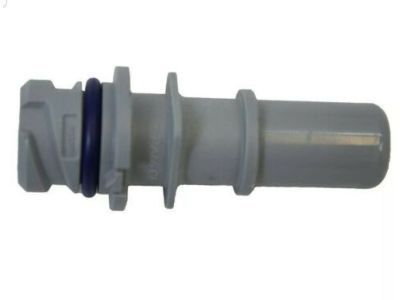
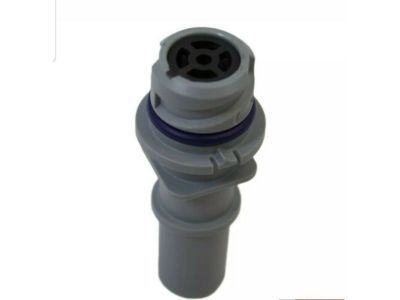
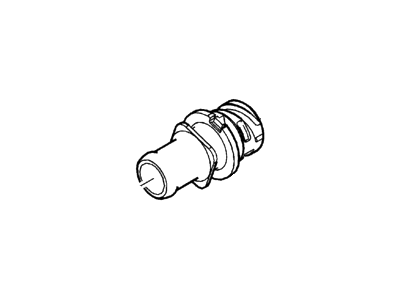
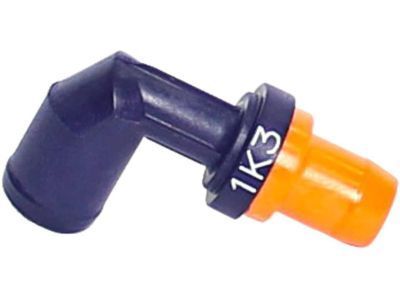

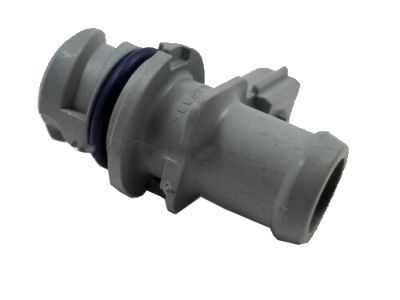
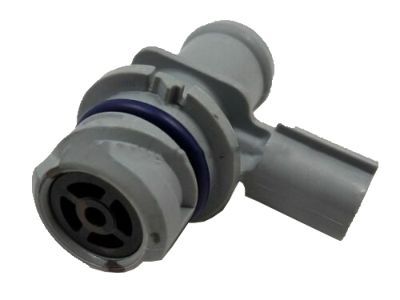
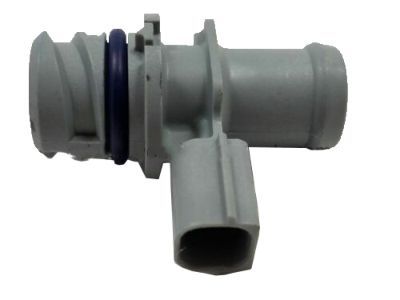
Mercury Mariner Valve Assembly
Part Number: 4L5Z-6A666-BA$19.98 MSRP: $32.36You Save: $12.38 (39%)Ships in 1 Business Day
Mercury Mariner Valve Assembly
Part Number: 2C5Z-6A666-AA$89.12 MSRP: $144.36You Save: $55.24 (39%)Ships in 1 Business Day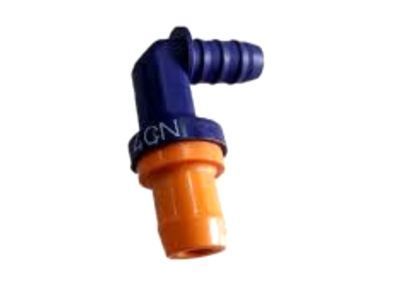
Mercury Mariner Valve Assembly
Part Number: 8S4Z-6A666-A$38.50 MSRP: $62.36You Save: $23.86 (39%)Ships in 1-2 Business Days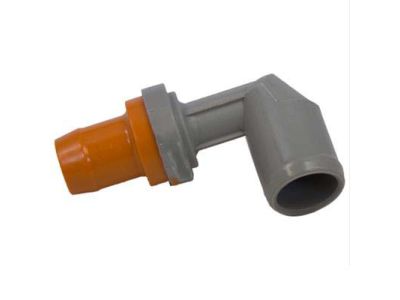
Mercury Mariner Valve Assembly
Part Number: 3L8Z-6A666-AD$106.29 MSRP: $172.18You Save: $65.89 (39%)Ships in 1 Business Day
Mercury Mariner Valve Assembly
Part Number: 5L8Z-6A666-AA$194.02 MSRP: $269.52You Save: $75.50 (29%)Ships in 1-2 Business Days
Mercury Mariner PCV Valve
The PCV Valve in Mercury Mariner consists of a collection of car elements which plays an important role for cutting down mercury emissions and improving the Mariner engine performance. The PCV Valve and the hose directs these combustion byproduct gases back into the engine's combustion chamber thereby negating the effects of polluting the environment and the engine's accumulation of destructive oil sludge. Depending on the intake manifold vacuum conditions, PCV Valve has a tendency of limiting gas flow at idle, thus avoiding lean running of the engine while at the same time, the same valve has a tendency of allowing fresh air into the crankcase at higher RPMs or under loads to handle with excess blow-by gases. This mechanism is useful in fulfilling the ventilation of crankcase gases and at the same time not affect the operation of the engine. In addition, the PCV Valve serve to functions as flame arrestor to ensure the crankcase does not suffer positive pressure events like turbo charging or back firing. It should be noted that failure to maintain the PCV Valve perfect could lead to a situation where the engine oil gets contaminated with other materials, there could be oil leaks and the car begins to have a high rate of fuel consumption.
We provide a wide range of Mercury Mariner PCV Valve at the optimal prices. If you need Mercury Mariner PCV Valve, you can shop with confidence on our website. All our OEM parts come with a manufacturer's warranty and are delivered to your doorstep with a fast delivery service.
Mercury Mariner PCV Valve Parts Questions & Experts Answers
- Q:What is the function and maintenance of the Positive Crankcase Ventilation system,PCV Hose and PCV Valve on Mercury Mariner?A:The Positive Crankcase Ventilation (PCV) system minimises hydrocarbon emissions by drawing a fresh air through the air cleaner, passing it through the crank case, mixing it with blow-by gases, taking it to a PCV valve where intake manifold vacuum is used to draw the vapors in. The make up of this system entails the fresh air inlet hose, the PCV valve and the PCV hose connecting this valve to the intake manifold while to ensure that oil does not get into the valve, there is a crankcase vent oil separator. Fresh-air inlet hose and PCV hose should be periodically checked for signs of damages; blockages or failures should be compensated by a new hose rather than by simple washing. On the four-cylinder models, fresh air inlet hose is between the air intake duct and crankcase and should be disconnected and checked for sign of wear and tear, while PCV hose should also be checked for leakage. The crankcase vent oil separator is located behind the exhaust manifold and can only be accessed by removing the Catalytic Converter and the exhaust manifold, then detaching the PCV hose and cleaning the separator. V6 models have an additional fresh air inlet hose that connects to both the front and rear valve covers and the hoses especially the PCV hose should be well directed when removing and fixing. The PCV valve, which may need different procedure for the models after 2004, should be replaced if it has been removed; the crankcase vent oil separator needs removal of the intake manifold and front cylinder head for accessing it in early models, with the cleaning of the area and Ensure that the gaskets and bolts are clean and are put back correctly.