

My Garage
My Account
Cart
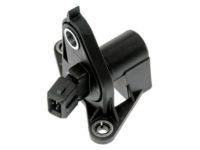
Genuine Ford Explorer Sport Trac Crankshaft Position Sensor
Engine Crankshaft Position Sensor- Select Vehicle by Model
- Select Vehicle by VIN
Select Vehicle by Model
orMake
Model
Year
Select Vehicle by VIN
For the most accurate results, select vehicle by your VIN (Vehicle Identification Number).
3 Crankshaft Position Sensors found
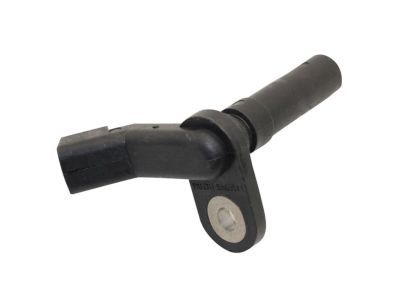
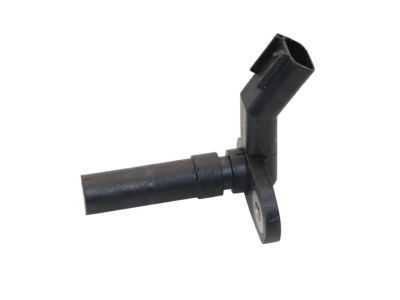
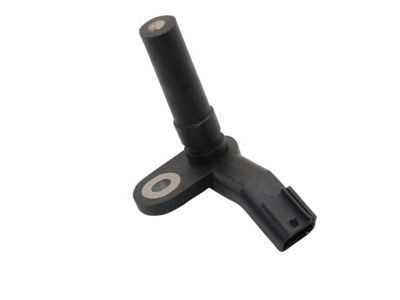
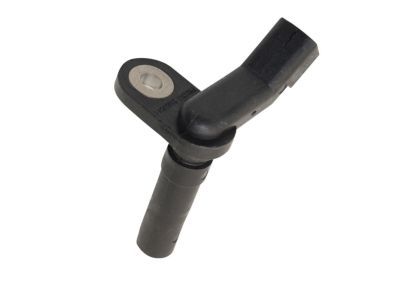
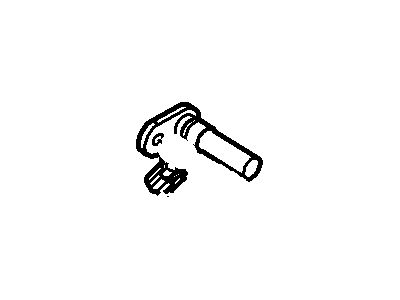
Ford Explorer Sport Trac Position Sensor
Part Number: 1W7Z-6C315-AB$41.08 MSRP: $66.55You Save: $25.47 (39%)Ships in 1 Business Day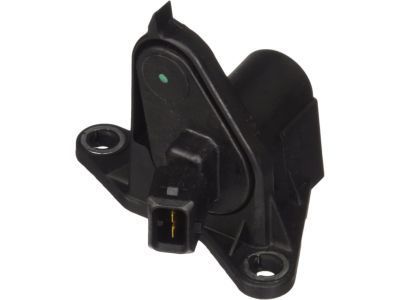
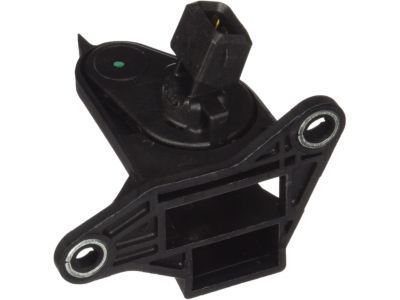
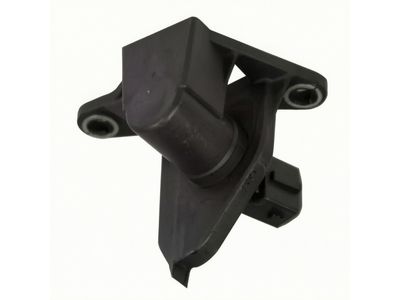
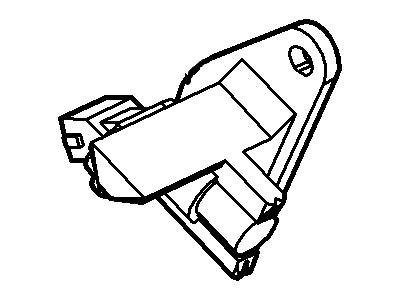
Ford Explorer Sport Trac Position Sensor
Part Number: 5L2Z-6C315-A$24.35 MSRP: $39.45You Save: $15.10 (39%)Ships in 1-2 Business Days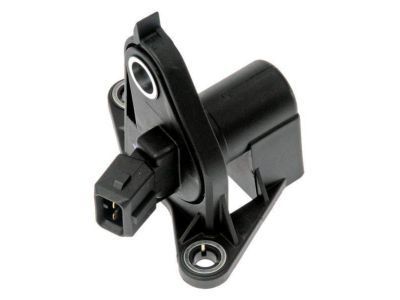
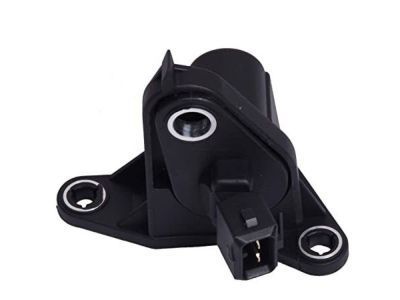
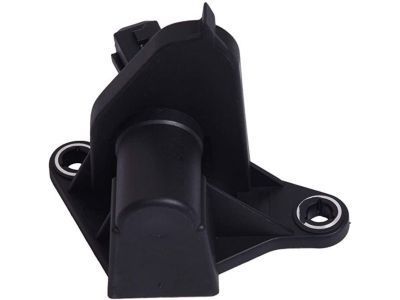

Ford Explorer Sport Trac Cps Crankshaft Position Sensor
Part Number: 1L2Z-6C315-BB$24.35 MSRP: $39.45You Save: $15.10 (39%)Ships in 1-2 Business Days
Ford Explorer Sport Trac Crankshaft Position Sensor
Crankshaft Position Sensor of Ford Explorer Sport Trac is a very essential electronic sensor that helps for detecting the crankshaft position in the car and its speed of rotation. This information is sent to the powertrain control module and it aids in the regulation of fuel injection and ignition timing for the optimal performance of the engine. Different crankshaft position sensors have been used which include the inductive type, the Hall Effect type, the magnetoresistive and the optical type. Inductive sensors are non-active while those of Hall Effect, magnetoresistive can sense only static magnetic fields. Optical sensors give great edge detection but can be easily coated over or fouled over which affects their performance. The sensor is usually fixed on the crank pulley, flywheel or directly to the crank shaft and a failure in it may cause starting problems or engine stalling. All in all, the Crankshaft Position Sensor is a vital component in the present era's vehicle engine management systems.
We provide a wide range of Ford Explorer Sport Trac Crankshaft Position Sensor at the optimal prices. If you need Ford Explorer Sport Trac Crankshaft Position Sensor, you can shop with confidence on our website. All our OEM parts come with a manufacturer's warranty and are delivered to your doorstep with a fast delivery service.
Ford Explorer Sport Trac Crankshaft Position Sensor Parts Questions & Experts Answers
- Q:How to diagnose and replace a crankshaft position sensor on Ford Explorer Sport Trac?A:When testing shows that your sensors are working fine, but driving issues keep happening, check all wiring between the sensor and PCM for breaks or electricity shorts. To solve persistent driveability problems, bring your car to a car dealer service area or experienced repair shop when no other issues are found. The CKP sensor sits on the front engine cover near a trigger wheel with 35 evenly spaced teeth and one space. It uses the engine's crankshaft to tell the PCM when the engine's #1 and #5 cylinders reach 60 degrees before the piston reaches TDC, or top dead center. The PCM takes information from the CKP sensor to control ignition spark timing and uses the engine speed data from the same sensor for the misfire monitor system. The PCM looks for problems with the CKP sensor, then codes them in the trouble code section. Check the 1.5-volt signal on one sensor wire with the engine off and ignition on, when you detach the CKP sensor. Disconnect fuel flow before starting, plug your voltmeter to CKP and see if engine cranking generates voltage pulses, keeping the voltmeter wires away from moving parts. To see if the engine runs properly again, replace the crankshaft sensor if the voltage test doesn't show any rapid changes. Take out the sensor following these steps: Shut down the engine, disconnect the electrical connection, unscrew the bolts holding the sensor, and pull it out of the front engine cover. When installing the new sensor, follow the same steps backward from how you removed it. Keep the wear tabs of your 2001 or later model sensor touching the damper before tightening the bolts. These tabs will wear down fast once the engine starts, making sure the sensor stays correctly aligned with the puller.
Related Ford Explorer Sport Trac Parts
 Ford Explorer Sport Trac Camshaft Position Sensor
 Ford Explorer Sport Trac Throttle Position Sensor
 Ford Explorer Sport Trac Coolant Temperature Sensor
 Ford Explorer Sport Trac Mass Air Flow Sensor
 Ford Explorer Sport Trac Vehicle Speed Sensor
 Ford Explorer Sport Trac Knock Sensor