

My Garage
My Account
Cart
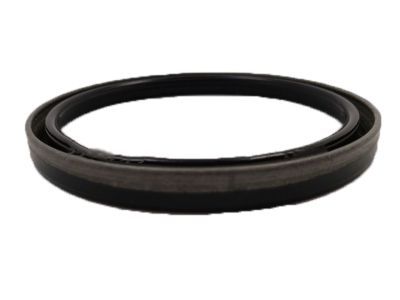
Genuine 1997 Ford Ranger Crankshaft Seal
Crankshaft Seals- Select Vehicle by Model
- Select Vehicle by VIN
Select Vehicle by Model
orMake
Model
Year
Select Vehicle by VIN
For the most accurate results, select vehicle by your VIN (Vehicle Identification Number).
4 Crankshaft Seals found
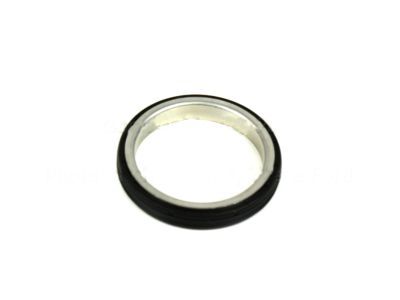
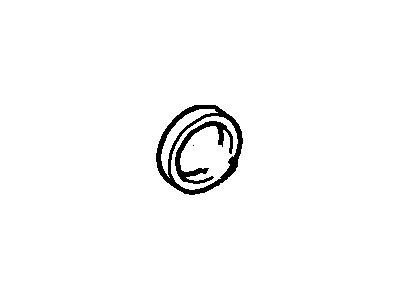 Product Specifications
- Other Name: Seal Assembly - Crankshaft Oil
- Replaces: D7RZ-6701-A, F77Z-6701-BA, F77Z-6701-AA
- Base No.: 6701
- Item Weight: 0.40 Pounds
- Item Dimensions: 9.2 x 7.1 x 1.0 inches
- Condition: New
- Fitment Type: Direct Replacement
- SKU: F5TZ-6701-A
- Warranty: This genuine part is guaranteed by Ford's factory warranty.
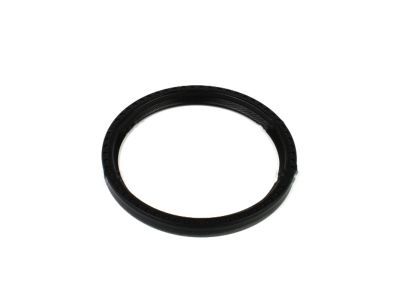
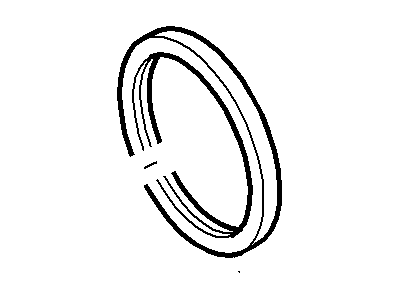
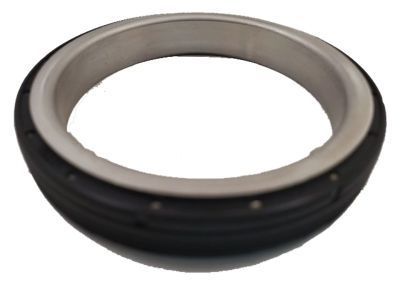
1997 Ford Ranger Oil Pan Rear Seal
Part Number: F4AZ-6701-A$33.74 MSRP: $49.33You Save: $15.59 (32%)Ships in 1-2 Business DaysProduct Specifications- Other Name: Seal Assembly - Crankshaft Oil
- Replaces: F3AZ-6701-B
- Base No.: 6701
- Item Weight: 0.40 Pounds
- Item Dimensions: 8.3 x 6.7 x 1.0 inches
- Condition: New
- Fitment Type: Direct Replacement
- SKU: F4AZ-6701-A
- Warranty: This genuine part is guaranteed by Ford's factory warranty.


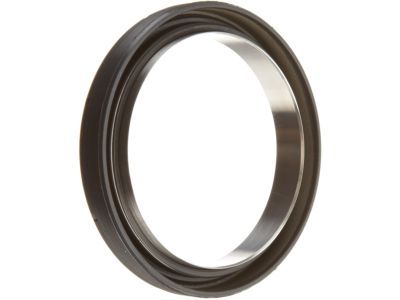
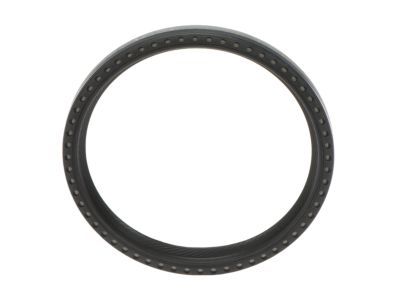
1997 Ford Ranger Oil Pan Rear Seal
Part Number: F37Z-6701-A$24.45 MSRP: $34.83You Save: $10.38 (30%)Ships in 1-3 Business DaysProduct Specifications- Other Name: Seal Assembly - Crankshaft Oil
- Replaces: E8DZ-6701-A
- Base No.: 6701
- Item Weight: 0.50 Pounds
- Condition: New
- Fitment Type: Direct Replacement
- SKU: F37Z-6701-A
- Warranty: This genuine part is guaranteed by Ford's factory warranty.

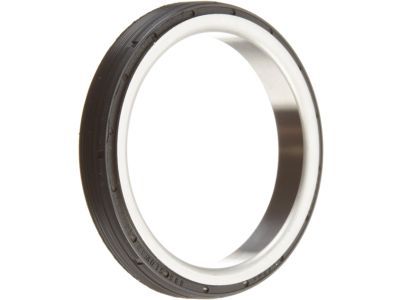
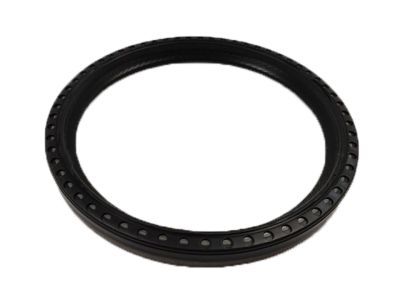
1997 Ford Ranger Crankshaft Oil Seal Assembly
Part Number: F77Z-6701-BA$29.72 MSRP: $42.33You Save: $12.61 (30%)Ships in 1-2 Business DaysProduct Specifications- Other Name: Seal Assembly - Crankshaft Oil
- Replaced by: F5TZ-6701-A
- Item Weight: 0.40 Pounds
- Condition: New
- Fitment Type: Direct Replacement
- SKU: F77Z-6701-BA
- Warranty: This genuine part is guaranteed by Ford's factory warranty.
1997 Ford Ranger Crankshaft Seal
At FordPartsGiant.com, you will find an extensive inventory of genuine 1997 Ford Ranger Crankshaft Seal offered at competitive prices online. These manufacturer-backed OEM 1997 Ford Ranger Crankshaft Seal ensure your satisfaction with their quality and come with a hassle-free return policy and expedited delivery service, guaranteeing a delightful shopping experience.
1997 Ford Ranger Crankshaft Seal Parts Questions & Experts Answers
- Q:How to replace the rear Crankshaft Seal in 4.0L pushrod V6 engine on 1997 Ford Ranger?Posted by Nocholas V.A:To install the front seal and with the timing chain cover fixed, place wooden blocks on the timing chain cover and then use a punch and hammer to drive out the seal. Ensure the seal bore in the timing chain cover's free of nicks or burrs, apply engine oil to the seal lip and the outer periphery. Align the new seal with its lip towards the wall and install it by using seal driver in the lack of which a large socket or even a pipe the same diameter as a new seal can be used. For the rear seal, one has to first remove the transmission then clutch if installed, the flywheel or the driveplate then the engine rear plate. Make two small holes though the seal on both opposite sides close to where the main bearing cap touches the cylinder block and then screw a sheet metal screw into such holes. Feel around the circumference of the screws to turn them anti-clockwise with large screwdrivers or small prybars to unthread the seal, ensuring that the crankshaft seal surface is not scratched or gouged. Scrub the inner-diameter of the oil seal of block and bearing cap, and search for roughness and burrs on the place. Rub a thin layer of clean engine oil to the outer circle of the seal and the contact ends of the seal and crankshaft. After washing the rubber seal with water, position the seal in the bore in a manner that the open end is inwards and push it in with the help of a seal installer up to the time that it gets fixed; though in case a seal driver is not available one may use a socket or a piece of pipe. In the final process, knock the seal lightly with a hammer and drift in circular manner, and continue until it fits snugly. Once it is in place ensure that it aligns with the crankshaft center line and is encapsulated within the prescribed depth.Answered by Ford Parts Specialist George / Oct 11, 2025
Related 1997 Ford Ranger Parts
 1997 Ford Ranger Cylinder Head Bolts
 1997 Ford Ranger Crankshaft Pulley
 1997 Ford Ranger Cruise Control Switch
 1997 Ford Ranger Crankshaft Gear
 1997 Ford Ranger Crankshaft Position Sensor
 1997 Ford Ranger Crankshaft
 1997 Ford Ranger Cylinder Head
 1997 Ford Ranger Crankcase Breather Hose
 1997 Ford Ranger Crankshaft Thrust Washer Set