My Garage
My Account
Cart
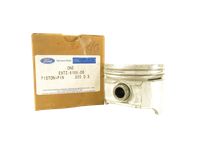
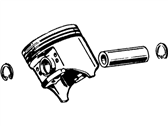
Genuine Mercury Piston
Engine Pistons- Select Vehicle by Model
- Select Vehicle by VIN
Select Vehicle by Model
orMake
Model
Year
Select Vehicle by VIN
For the most accurate results, select vehicle by your VIN (Vehicle Identification Number).
98 Pistons found
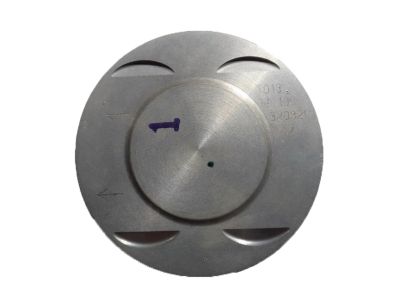
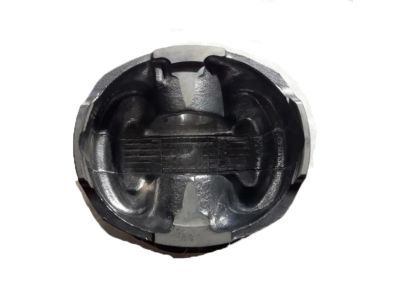
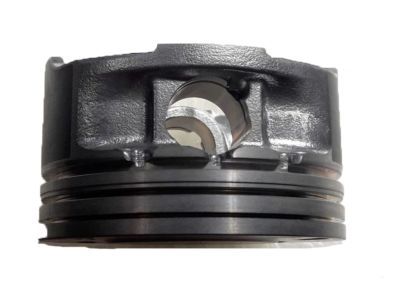
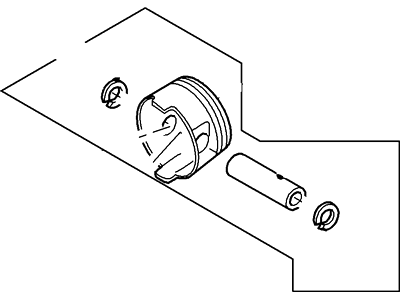
Mercury Piston And Pin Assembly
Part Number: 3W4Z-6108-A$42.52 MSRP: $62.17You Save: $19.65 (32%)Ships in 1-3 Business DaysProduct Specifications- Other Name: Piston And Pin Assy; Piston
- Replaces: XW4Z-6100-A
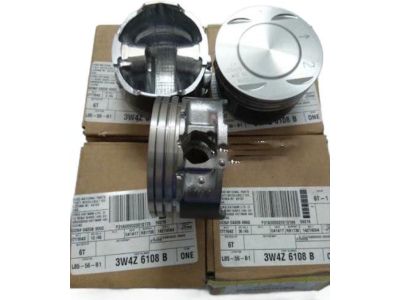
Mercury Piston And Pin Assembly
Part Number: 3W4Z-6108-B$42.52 MSRP: $62.17You Save: $19.65 (32%)Ships in 1-3 Business DaysProduct Specifications- Other Name: Piston And Pin Assy; Piston
- Replaces: XW4Z-6100-B
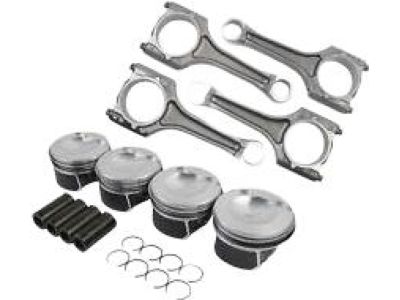
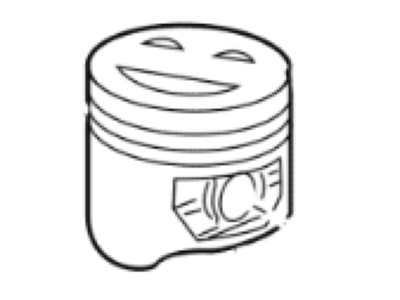
Mercury Piston And Pin Assembly
Part Number: 9E5Z-6108-B$64.50 MSRP: $89.60You Save: $25.10 (29%)Ships in 1-2 Business DaysProduct Specifications- Other Name: Piston And Pin Assy; Piston
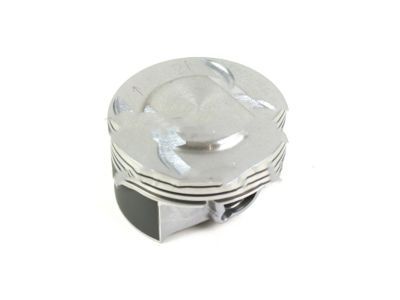
Mercury Piston
Part Number: 9L8Z-6108-A$36.30 MSRP: $50.43You Save: $14.13 (29%)Ships in 1-2 Business Days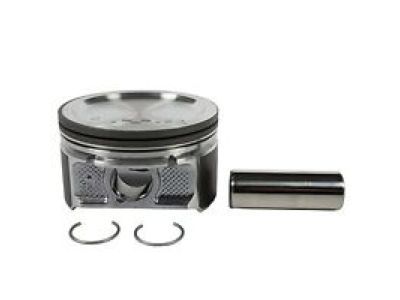
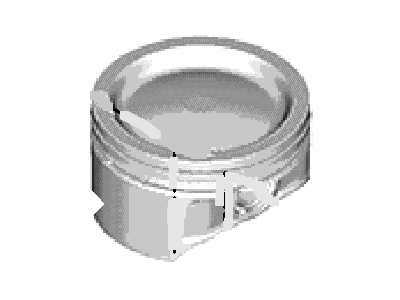
Mercury Piston
Part Number: 8E5Z-6108-AC$78.55 MSRP: $114.83You Save: $36.28 (32%)Ships in 1-3 Business Days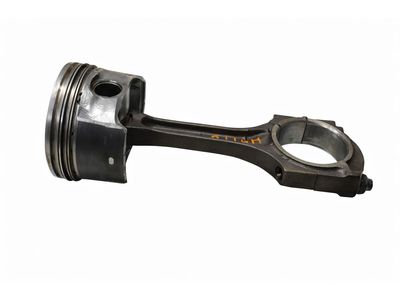
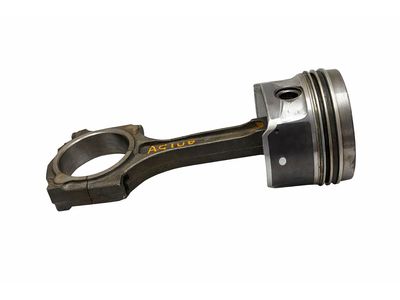
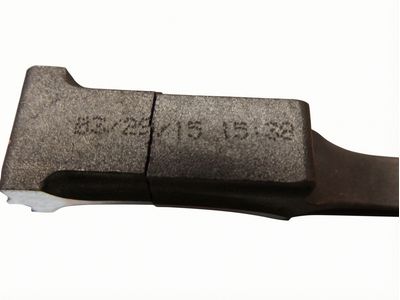
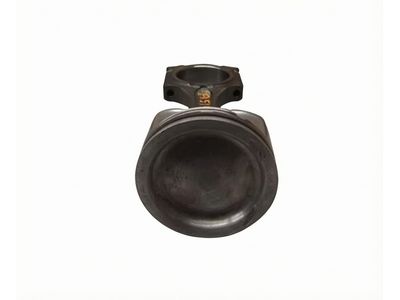
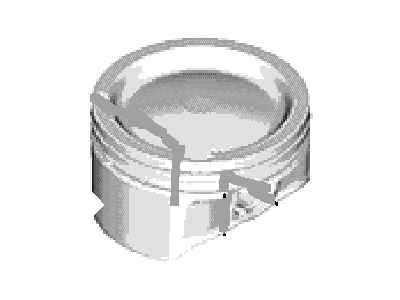
Mercury Piston
Part Number: 8E5Z-6108-BA$79.88 MSRP: $116.78You Save: $36.90 (32%)Ships in 1-3 Business Days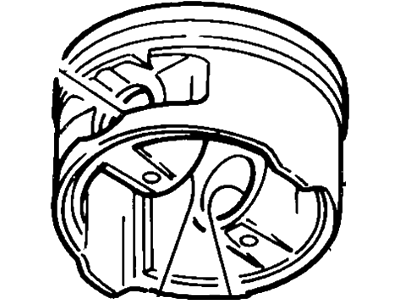 Product Specifications
- Manufacturer Note: .50mm/.020" oversize

Mercury Piston & Pin Assembly
Part Number: F7XZ6108BA$47.35 MSRP: $64.70You Save: $17.35 (27%)Ships in 1-2 Business DaysProduct Specifications- Other Name: Piston And Pin Assy; Piston
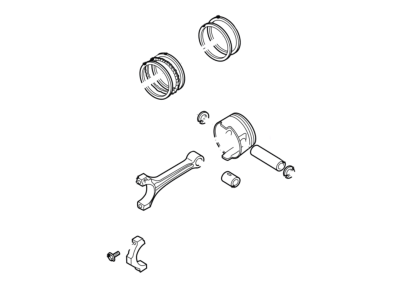
Mercury Piston and Connecting Rod Assembly
Part Number: XW4Z-6100-A$42.52 MSRP: $62.17You Save: $19.65 (32%)Ships in 1-3 Business DaysProduct Specifications- Other Name: Piston And Connecting Rod Assy
- Manufacturer Note: STD Grade 3
- Replaced by: 3W4Z-6108-A
Mercury Piston and Connecting Rod Assembly
Part Number: XW4Z-6100-B$42.52 MSRP: $62.17You Save: $19.65 (32%)Ships in 1-3 Business DaysProduct Specifications- Other Name: Piston And Connecting Rod Assy
- Manufacturer Note: STD Grade 2
- Replaced by: 3W4Z-6108-B
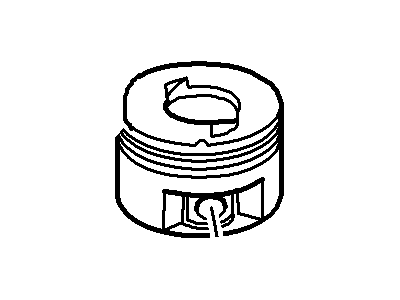
Mercury Piston And Pin Assembly
Part Number: 2F1Z-6108-FA$20.11 MSRP: $27.94You Save: $7.83 (29%)Ships in 1-2 Business DaysProduct Specifications- Other Name: Piston And Pin Assy
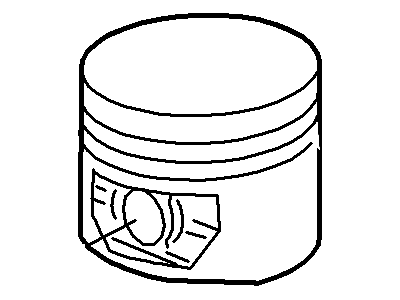
Mercury Piston
Part Number: 4U7Z-6108-A$61.21 MSRP: $85.03You Save: $23.82 (29%)Ships in 1-2 Business DaysMercury Piston And Pin Assembly
Part Number: 2F1Z-6108-CA$37.82 MSRP: $52.54You Save: $14.72 (29%)Ships in 1-2 Business DaysProduct Specifications- Other Name: Piston And Pin Assy; Piston
Mercury Piston And Pin Assembly
Part Number: 2L2Z-6108-HA$25.49 MSRP: $35.41You Save: $9.92 (29%)Ships in 1-2 Business DaysProduct Specifications- Other Name: Piston And Pin Assy
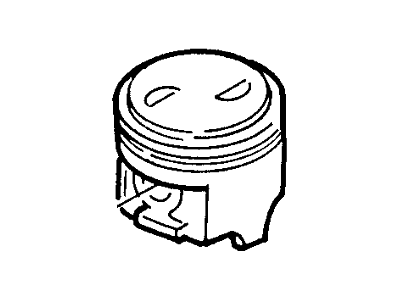
Mercury Piston & Pin Assembly
Part Number: F2ZZ6108DB$27.08 MSRP: $37.62You Save: $10.54 (29%)Ships in 1-2 Business DaysProduct Specifications- Other Name: Piston And Pin Assy
Mercury Piston
Part Number: 2S7Z-7D402-BA$30.16 MSRP: $41.89You Save: $11.73 (28%)Ships in 1-2 Business DaysProduct Specifications- Replaces: 2S7Z-7A262-BA
Mercury Piston And Connecting Rod Assy
Part Number: 2L3Z-6100-AA$9.50 MSRP: $13.20You Save: $3.70 (29%)Ships in 1-2 Business Days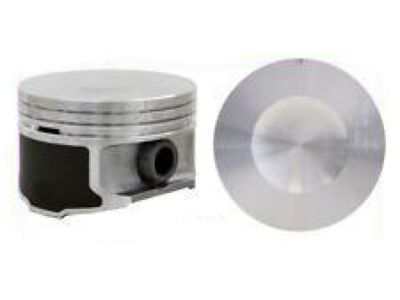
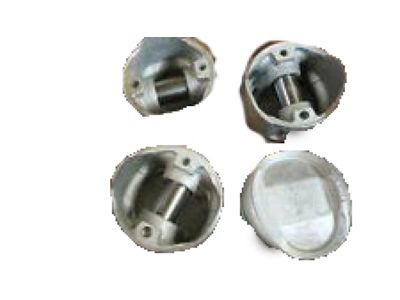
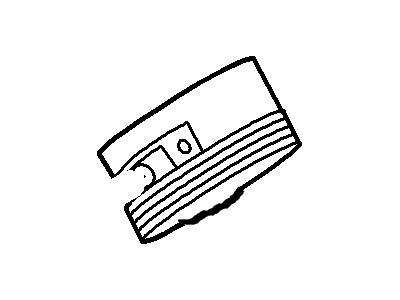 Product Specifications
- Other Name: Piston And Pin Assy; Piston
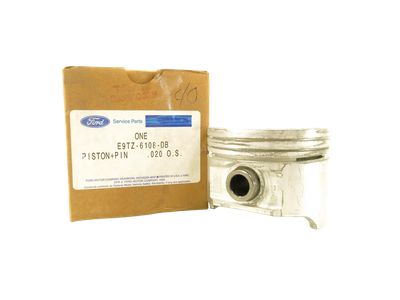
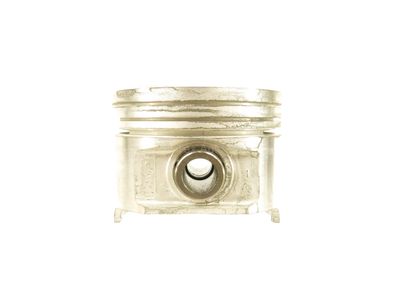
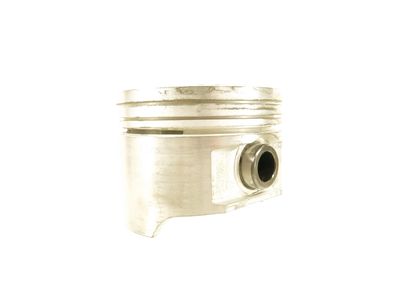
 Product Specifications
- Other Name: Piston And Pin Assy
- Replaced by: 4L2Z-6108-A
| Page 1 of 5 |Next >
1-20 of 98 Results
Mercury Piston
We offer a wide variety of genuine Mercury Pistons at competitive prices online. Our OEM Mercury Pistons come with the assurance of a manufacturer's warranty, alongside a hassle-free return policy and prompt delivery service, ensuring a worry-free shopping experience.
Mercury Piston Parts Questions & Experts Answers
- Q:What are the steps involved in inspecting and preparing piston/connecting rod assemblies before reassembly on Mercury Cougar?A:Before the inspection can be done, the piston/connecting rod assemblies have to be washed, the original piston rings have to be taken off the pistons and new piston rings always have to be installed. The rings on the pistons should be retrieved with a piston ring installation tool without scratching the ring or piston. Remove all the carbon deposits that stick to the head of the piston with the aid of a hand held wire brush or fine emery cloth, but it is recommended that you avoid using a wire brush that has been fixed in a motor since doing this will erode the surface of the piston. Carbon build-up in the ring grooves needs to be cleaned, using a piston ring groove cleaner, or as a last resort, a section of an old ring, should not scrape any metal off the grooves nor cause any damage. Upon the removal of the deposits, wash the piston/rod assemblies with solvent and blow the assemblies using compressed air such that the oil return holes are clear. If pistons and the cylinder walls are not badly scratched and worn and engine block has not been rebored, new pistons may not be needed, however always new piston rings should be fitted in the engine during rebuild. All pistons must be examined for evidence of cracks, scoring or scutting, particularly in areas where there may be signs of overheating or abnormal combustion; also patterns of corrosion suggesting coolant leaks. Check the side clearance of each of the pistons rings by using the feeler gauge on three points of each of the grooves and making sure the correct ring is used in each groove. To check the piston-to-bore clearance some bore measurements and piston diameters should be made in order to detect the accurate clearance. In the event that the clearance is outside the specifications, then the block should be rebored, pistons and piston rings changed. It can be checked that phenomenon of piston-to-rod clearance by attempting to twist the piston and rod in opposite directions; which would show definite looseness that would demand adjustment. If pistons are to be separated from the connecting rods, then the latter has to be sent for assessment of bend and twist at an automotive machine shop. Also, discover the connecting rods are cracked or damaged in some way, or can be slightly loosened so that the rod caps can be removed for inspection of the bearing surfaces for any nicks or scratches and bearings replaced before proceeding.
- Q:How to install piston/connecting rod assemblies and check connecting rod bearing oil clearance on Mercury Capri?A:Prior to inserting the piston and connecting rod combination then the cylinder walls should be smooth, top edge of each cylinder relieved and the crankshaft fitted. Take off the cap from number one connecting rod and note the marks that were made while taking off then clean the bearing surfaces of the con rod with a clean lint free cloth. Remove the new upper bearing insert from its container and wash the back side then fit it into the connecting rod with the tab side, do not hammer the tab into the recess. Do the same for the other bearing insert of the rod cap , and ensure that all the mating surfaces are clean and free from oil. Place the gaps of the piston ring to the piston, put a hose over each connecting rod cap bolt, and then apply some drops of clean engine oil to the piston and the rings, and then place a piston ring compressor placing the skirt out so as to direct the piston onto the cylinder. Bore the number one connecting rod journal down to the bottom dead center and lubricate the cylinder walls with engine oil. Place the piston/connecting rod assembly into the cylinder bore so that the arrow, or notches, on the piston face points toward the front of the engine and gently hit the top of the ring compressor so that it makes contact with the block. Gently strike the piston with the wooden end of a hammer to help guide the connecting rod onto the crankshaft journal without a force that will harm the piston or the rings. Again, using Plastigage, it is recommended to check the connecting rod-bearing oil clearance after the installation provided that the bearing faces are clean, a uniform layer of grease or assembly lube is applied and by tightening the nuts to the prescribed torque, the rod cap is reinstalled. The same process follows for the rest of the assembly in which the bearing inserts and the connecting rods should be clean, the piston/rod assembly should be correct and the cylinder walls and bearing faces should be lubricated. After final installation of the last assembly, rotate the crankshaft and feel for binding, and then, check the connecting rod end play and if it correct as well as need to check the connecting rod end play especially if new components are installed.