

My Garage
My Account
Cart
Genuine Mercury Power Steering Pump
Power Steering Pump Unit- Select Vehicle by Model
- Select Vehicle by VIN
Select Vehicle by Model
orMake
Model
Year
Select Vehicle by VIN
For the most accurate results, select vehicle by your VIN (Vehicle Identification Number).
97 Power Steering Pumps found
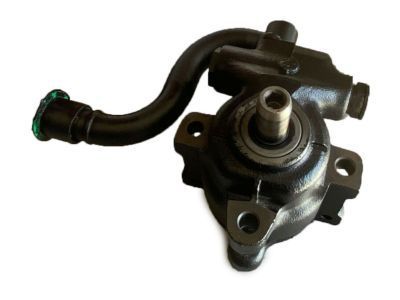
 Product Specifications
- Other Name: Pump Assembly - Power Steering; Power Steering Pump
- Replaces: YF1Z-3A674-DARM
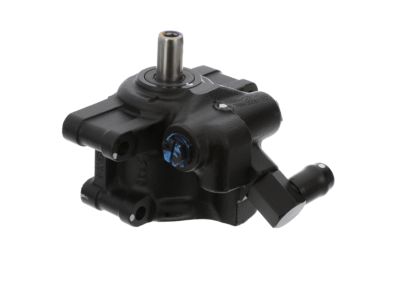
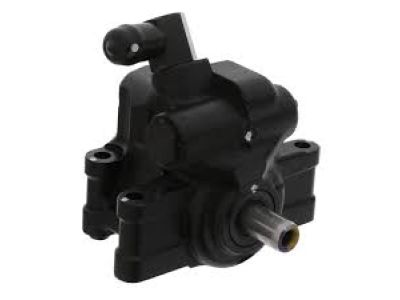
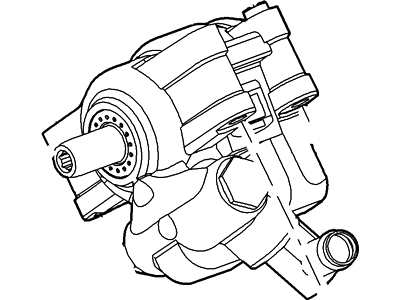
Mercury Power Steering Pump
Part Number: 9W7Z-3A674-BARM$165.95 MSRP: $278.18You Save: $112.23 (41%)Ships in 1-2 Business DaysProduct Specifications- Other Name: Pump Assembly - Power Steering; Power Steering Pump
- Replaces: 8W7Z-3A674-C, 9W7Z-3A674-A, 9W7Z-3A674-B, STP-255, STP-261, STP-229
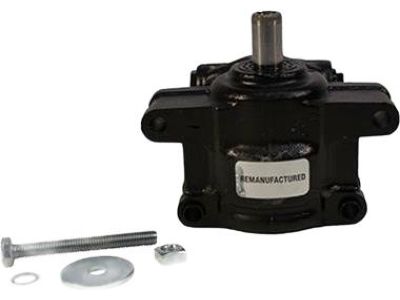
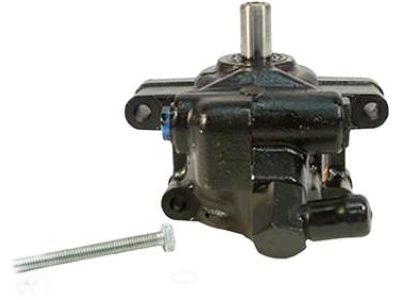
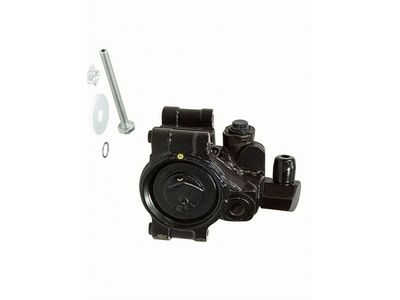
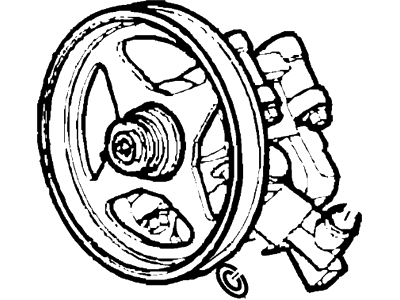
Mercury Power Steering Pump
Part Number: 3W1Z-3A674-CARM$120.90 MSRP: $201.82You Save: $80.92 (41%)Ships in 1-2 Business DaysProduct Specifications- Other Name: Pump Assembly - Power Steering; Power Steering Pump
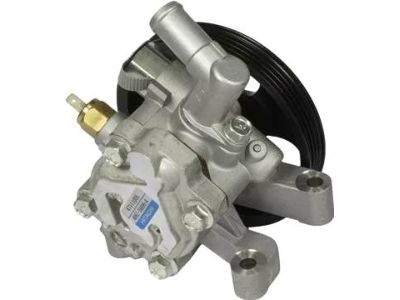
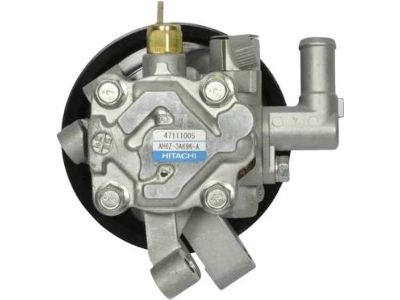
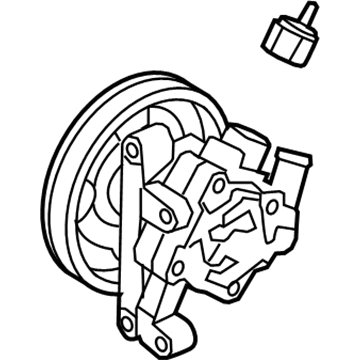
Mercury Power Steering Pump
Part Number: AH6Z-3A696-A$88.14 MSRP: $140.73You Save: $52.59 (38%)Ships in 1-2 Business DaysProduct Specifications- Other Name: Pump Assembly - Power Steering; Power Steering Pump
- Manufacturer Note: With Pulley
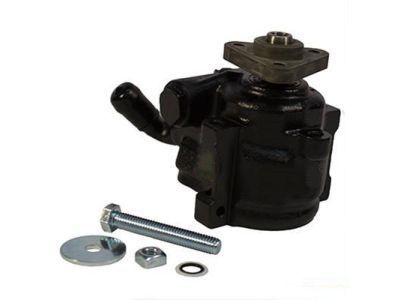
Mercury Power Steering Pump
Part Number: 9L2Z-3A674-CRM$173.60 MSRP: $278.18You Save: $104.58 (38%)Ships in 1-2 Business DaysProduct Specifications- Other Name: Pump Assembly - Power Steering; Power Steering Pump
- Replaces: 6L2Z-3A674-BA, 6L2Z-3A674-C, STP-176, STP-157
Mercury Power Steering Pump Assembly
Part Number: 9W7Z-3A674-B$165.95 MSRP: $278.18You Save: $112.23 (41%)Ships in 1-2 Business DaysProduct Specifications- Other Name: Pump Assembly - Power Steering
- Replaced by: 9W7Z-3A674-BARM
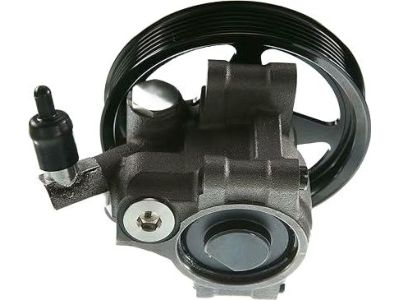
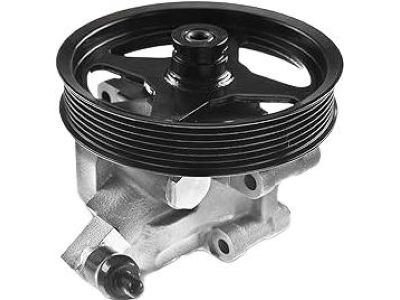
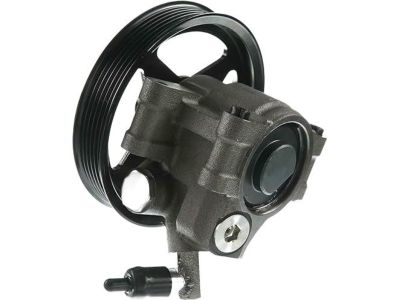
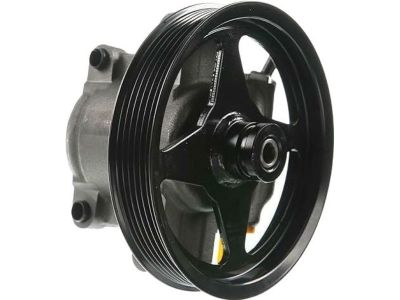
Mercury Power Steering Pump Assembly
Part Number: 8W7Z-3A674-C$165.95 MSRP: $278.18You Save: $112.23 (41%)Ships in 1-2 Business DaysProduct Specifications- Other Name: Pump Assembly - Power Steering
- Replaced by: 9W7Z-3A674-BARM
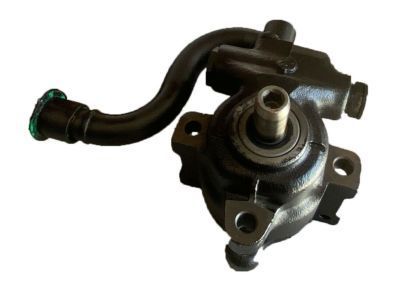
 Product Specifications
- Other Name: Pump Assembly - Power Steering; Power Steering Pump
- Replaces: YF1Z-3A674-AARM
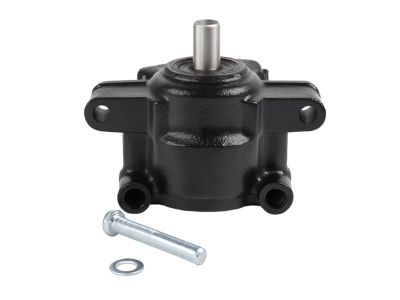
Mercury Power Steering Pump
Part Number: 8G1Z-3A674-ARM$129.40 MSRP: $216.36You Save: $86.96 (41%)Ships in 1-2 Business DaysProduct Specifications- Other Name: Pump Assembly - Power Steering; Power Steering Pump
- Replaces: 9G1Z-3A674-A, 8G1Z-3A674-A, STP-194
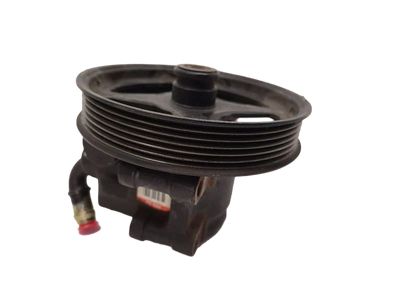
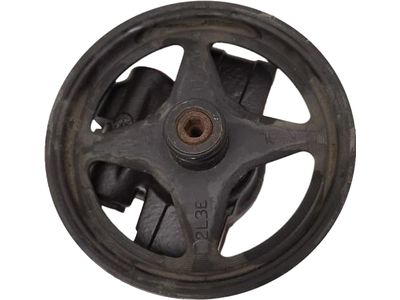
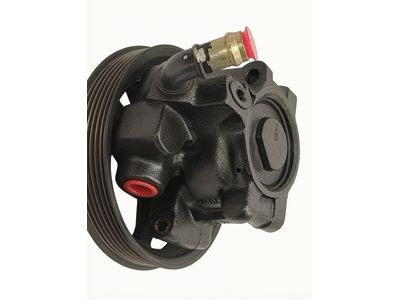
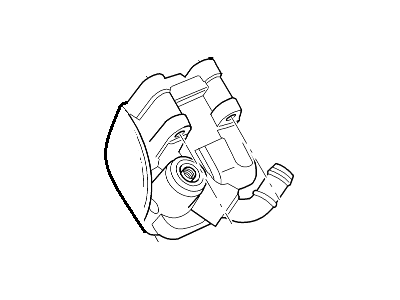
Mercury Power Steering Pump
Part Number: 3L2Z-3A674-BARM$157.45 MSRP: $263.64You Save: $106.19 (41%)Ships in 1-3 Business DaysProduct Specifications- Other Name: Pump Assembly - Power Steering; Power Steering Pump
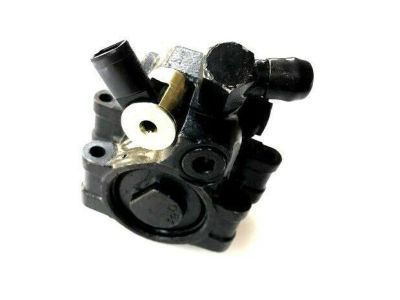
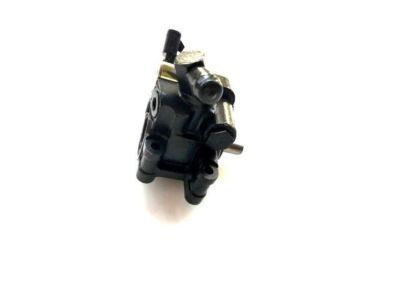
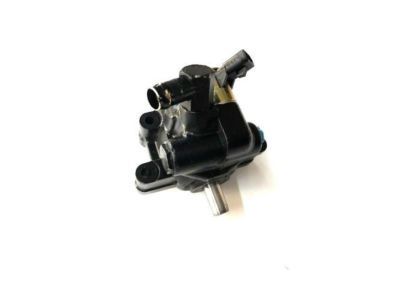
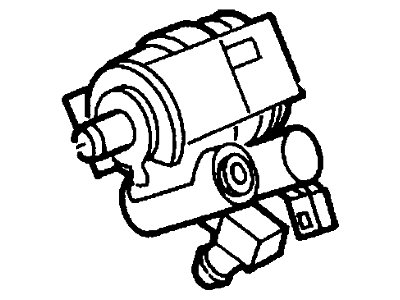
Mercury Power Steering Pump Assembly
Part Number: XW7Z-3A674-ABRM$160.10 MSRP: $256.36You Save: $96.26 (38%)Product Specifications- Other Name: Pump Assy - Power Steering
- Replaced by: XW7Z-3A674-ADRM
Mercury Power Steering Pump
Part Number: 4L2Z-3A674-AARM$113.58 MSRP: $189.09You Save: $75.51 (40%)Ships in 1-3 Business DaysProduct Specifications- Other Name: Pump Assembly - Power Steering; Power Steering Pump
- Replaces: 4L2Z-3A674-AA, STP-144
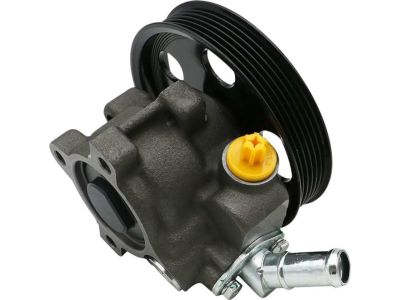
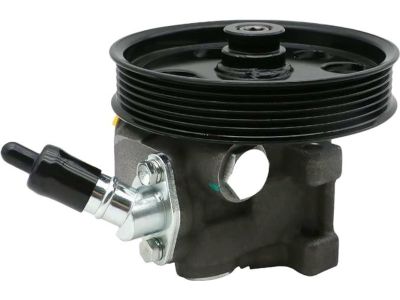
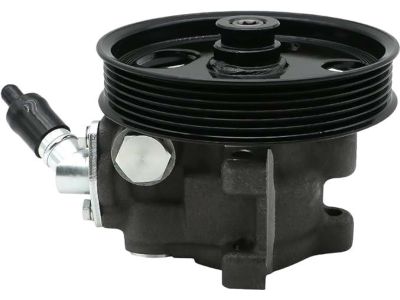
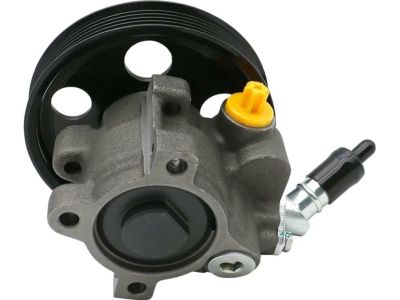
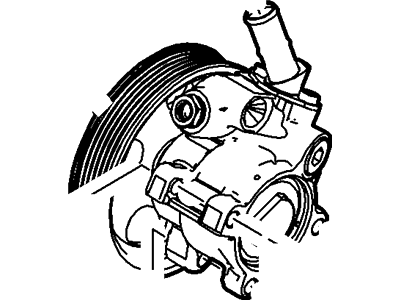 Product Specifications
- Other Name: Pump Assembly - Power Steering; Power Steering Pump
- Replaced by: 6F9Z-3A674-CRM
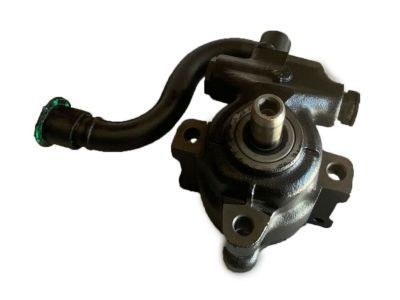
Mercury Power Steering Pump Assembly
Part Number: YF1Z-3A674-AARM$110.45 MSRP: $183.64You Save: $73.19 (40%)Product Specifications- Other Name: Pump Assembly - Power Steering
- Replaced by: YF1Z-3A674-ABRM
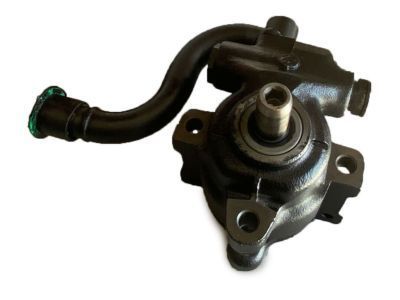
Mercury Power Steering Pump Assembly
Part Number: YF1Z-3A674-DARM$115.84 MSRP: $192.73You Save: $76.89 (40%)Product Specifications- Other Name: Pump Assembly - Power Steering
- Replaced by: YF1Z-3A674-DBRM
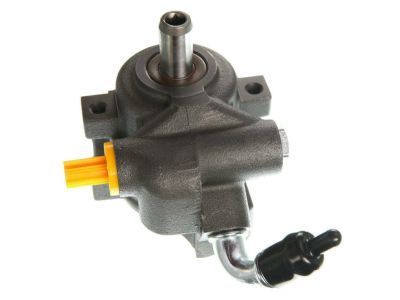
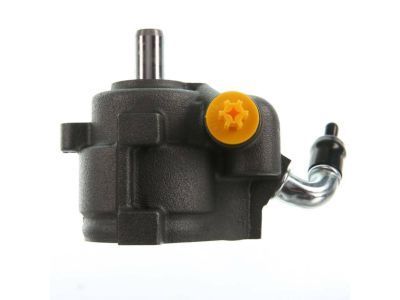
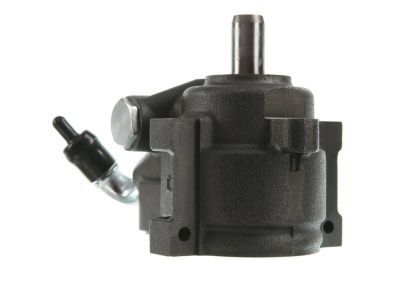
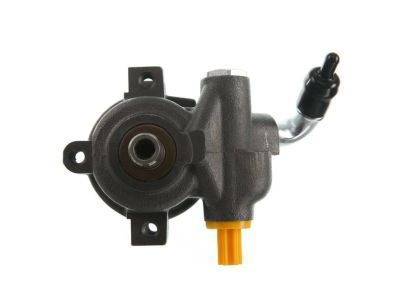
Mercury Power Steering Pump Assembly
Part Number: 6L2Z-3A674-C$169.77 MSRP: $278.18You Save: $108.41 (39%)Ships in 1-2 Business DaysProduct Specifications- Other Name: Pump Assembly - Power Steering
- Replaced by: 9L2Z-3A674-CRM
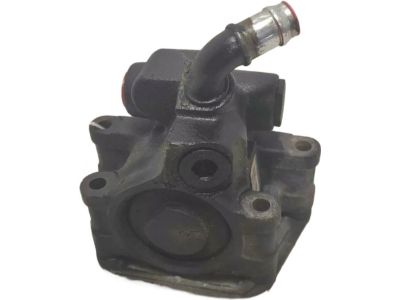
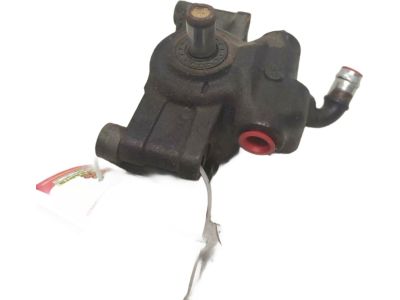
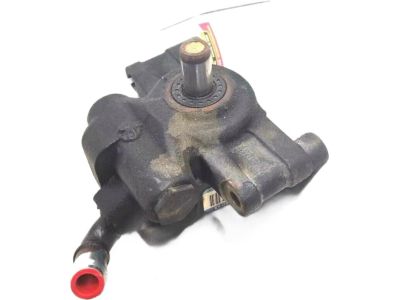
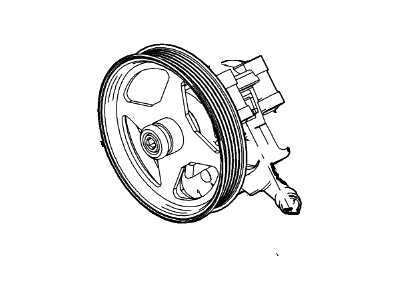
Mercury Power Steering Pump Assembly
Part Number: 9L2Z-3A674-A$133.47 MSRP: $218.18You Save: $84.71 (39%)Ships in 1-2 Business DaysProduct Specifications- Other Name: Pump Assembly - Power Steering
- Replaced by: 9L2Z-3A674-ARM
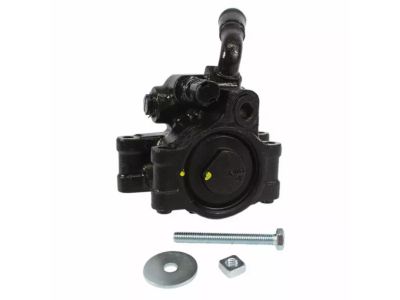
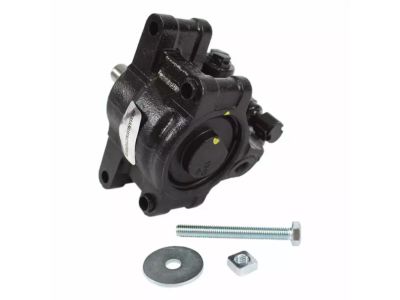
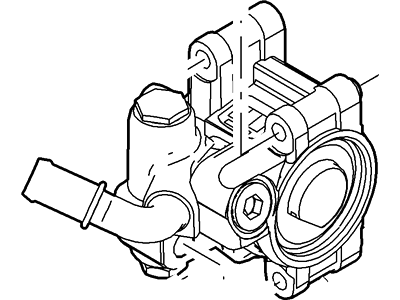
Mercury Power Steering Pump Assembly
Part Number: 5L8Z-3A674-AA$139.48 MSRP: $228.11You Save: $88.63 (39%)Ships in 1-2 Business DaysProduct Specifications- Other Name: Pump Assembly - Power Steering
- Replaced by: 7L8Z-3A674-ARM
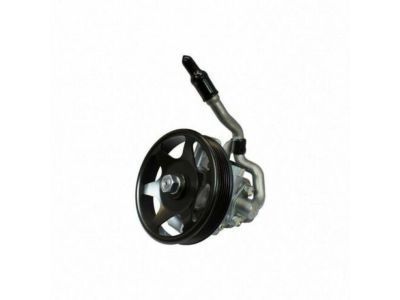
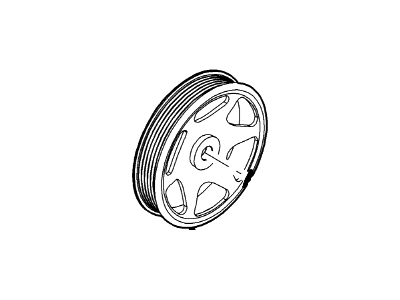 Product Specifications
- Other Name: Pump Assy - Power Steering; Power Steering Pump
- Manufacturer Note: With Pulley
- Replaces: 5L8Z-3A696-BA
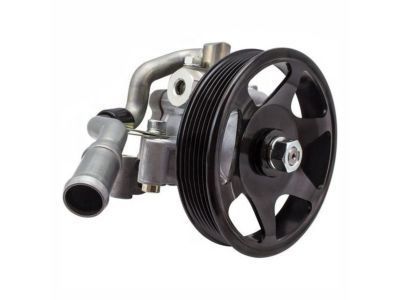
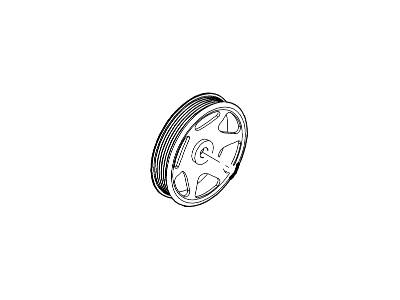 Product Specifications
- Other Name: Pump Assy - Power Steering
- Manufacturer Note: With Pulley
- Replaced by: 6L8Z-3A696-BA
| Page 1 of 5 |Next >
1-20 of 97 Results
Mercury Power Steering Pump
We offer a wide variety of genuine Mercury Power Steering Pumps at competitive prices online. Our OEM Mercury Power Steering Pumps come with the assurance of a manufacturer's warranty, alongside a hassle-free return policy and prompt delivery service, ensuring a worry-free shopping experience.
Mercury Power Steering Pump Parts Questions & Experts Answers
- Q:How should a do-it-yourself owner remove the engine for Power Steering Pump on Mercury Bobcat?Posted by Martha A.A:A good tool selection along with a hoist should enable the do-it-yourself owner to remove the engine in a few hours. Access underneath the car requires a jack or axle stands. Assistance during lifting operations can be useful. Exercise caution during installation of the air conditioning since the refrigerant lines should be cut off by an expert only due to the dangers of refrigerant gas. To start, open the engine compartment hood and disconnect the battery ground lead. Next, remove the air cleaner assembly making a sketch of pipe connections to assist with refitting. Using a soft lead pencil or chalk, outline the shape of the hood hinges. If you can, raise the vehicle on a hoist or place it over an inspection pit, but if not, jack it up on the body side members. If fitted, remove the engine shield. Then remove the radiator bottom hose and drain the engine coolant mixture into a suitable container. The following step will be to detach the starter motor while for the automatic transmission models, remove the torque converter bolt access cover & adapter plate-to-converter bolts while detaching the converter from that adapter plate. If you have a manual transmission, take off the flywheel cover. Remove the exhaust pipe from the exhaust manifold, and remove the automatic transmission oil cooler lines from the radiator if equipped. Take the pivot bolts off the engine mountings, drain oil, and detach the fuel pipes from the fuel pump while plugging the pipes to prevent leaking. If applicable, remove the power steering pump belt and pulley, and then lower the car to the ground. Detach the top hose, fan shroud, and then the radiator. Disconnect the heater and vacuum hoses, power brake hose, oil pressure union, carburetor cable(s), throttle solenoid and choke heater wires, and coolant temperature sender wire and the main ground strap. Remove the vacuum amplifier connections, coil wires, and vacuum hose from distributor, alternator multi-plug and ground wire also disconnect. Take out the alternator adjusting arm bolt along with the other bolts that attach the power steering pump to its bracket. Next, support the weight of the transmission using a jack. Lastly, take out the bellhousing-to-engine bolts. Using the hoist hooks, attach to the engine lifting brackets and lift the engine slightly off the transmission, but support the transmission. To prevent fluid loss and damage, always keep the torque converter in close contact with the automatic transmission gearbox. Be careful not to damage the hoses or the mounting equipment when lifting the engine out. After removing it, move it to a working area that will allow you to remove the accessories, e.g. alternator, Thermactor pump, clutch (if equipped). Before carrying out any disassembly, clean the engine from the outside with a water-soluble solvent. If an overhaul is to be undertaken, fuel pump, oil filter, spark plugs, distributor, fan, coolant pump, thermostat, oil pressure and coolant temperature sender along with emission control ancillaries must be removed.Answered by Ford Parts Specialist Clayton / Apr 23, 2026
Related Mercury Parts
 Mercury Steering Shaft
 Mercury Power Steering Hose
 Mercury Oil Pump Gasket
 Mercury Steering Column Cover
 Mercury Steering Column
 Mercury Steering Angle Sensor
 Mercury Power Steering Reservoir
 Mercury Oil Pump
 Mercury Rack And Pinion
 Mercury Steering Gear Box
 Mercury Power Steering Cooler
Browse by Model
Bobcat Power Steering Pump Capri Power Steering Pump Cougar Power Steering Pump Grand Marquis Power Steering Pump Lynx Power Steering Pump Mariner Power Steering Pump Marquis Power Steering Pump Milan Power Steering Pump Montego Power Steering Pump Monterey Power Steering Pump Mountaineer Power Steering Pump Mystique Power Steering Pump Sable Power Steering Pump Topaz Power Steering Pump Tracer Power Steering Pump Zephyr Power Steering Pump