

My Garage
My Account
Cart
Genuine Ford Fuel Pump
Gas Pump- Select Vehicle by Model
- Select Vehicle by VIN
Select Vehicle by Model
orMake
Model
Year
Select Vehicle by VIN
For the most accurate results, select vehicle by your VIN (Vehicle Identification Number).
745 Fuel Pumps found
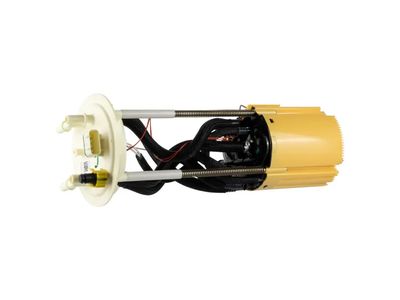
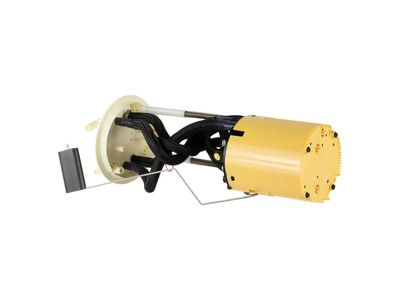
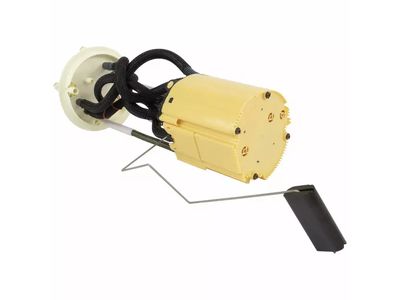
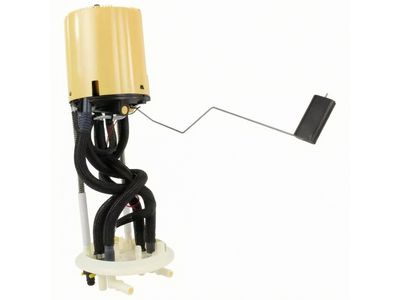
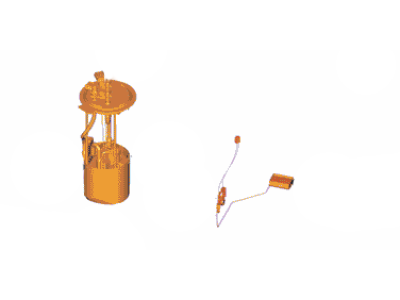
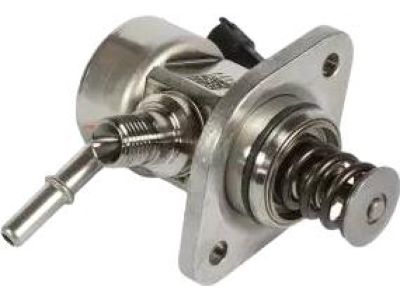
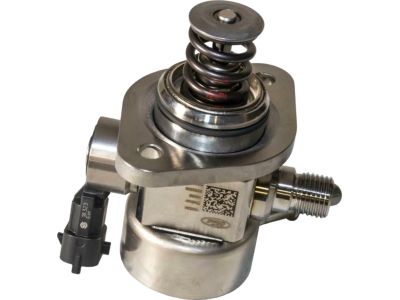
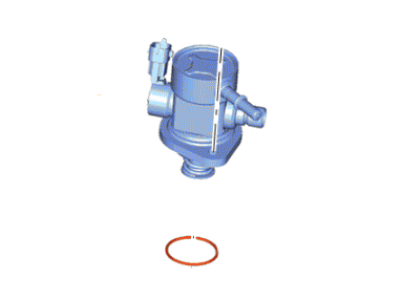
Ford Fuel Pump
Part Number: HC3Z-9H307-AS$525.98 MSRP: $866.25You Save: $340.27 (40%)Ships in 1-2 Business DaysProduct Specifications- Other Name: Sender And Pump Assembly; Fuel Pump
- Replaces: HC3Z-9H307-D, HC3Z-9H307-S, HC3Z-9H307-AJ, PFS-1334, PFS-1115
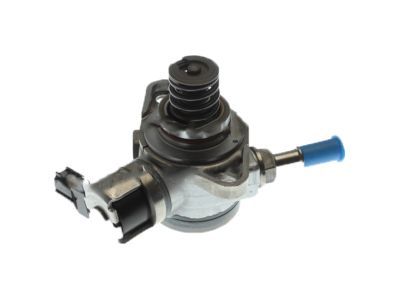
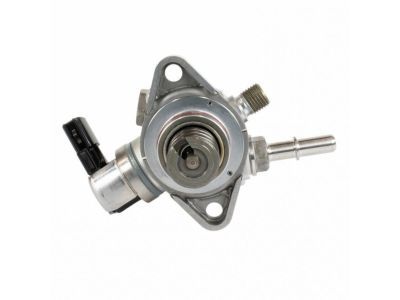
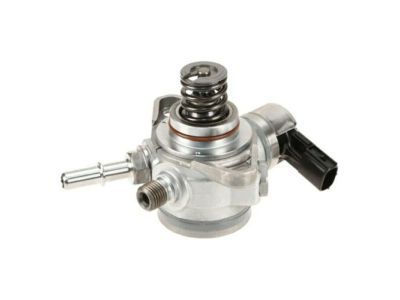
 Product Specifications
- Other Name: Pump Assembly - Fuel; Fuel Pump
- Replaces: BL3Z-9350-B, BL3Z-9350-A, BL3Z-9350-C
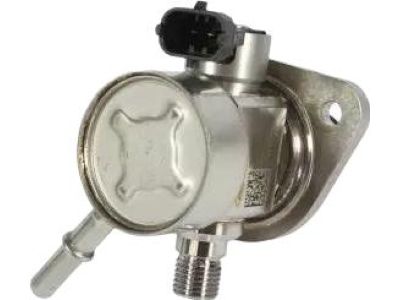
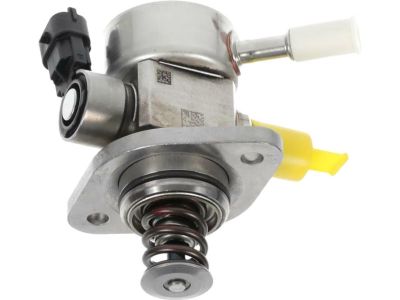
Ford Fuel Pump
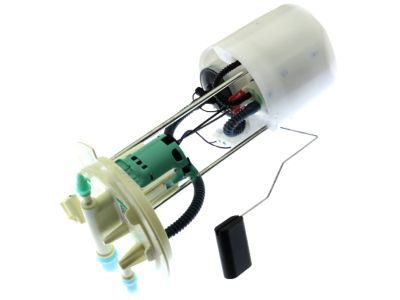
Part Number: DS7Z-9350-C$311.70 MSRP: $466.67You Save: $154.97 (34%)Ships in 1-2 Business DaysProduct Specifications- Other Name: Pump Assembly - Fuel; Fuel Pump
- Replaces: DS7Z-9350-A, DS7Z-9350-B
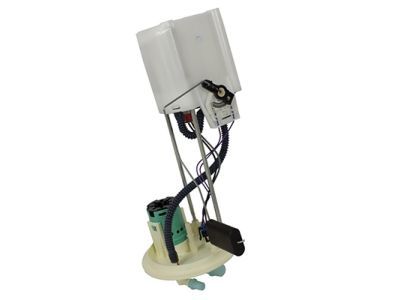
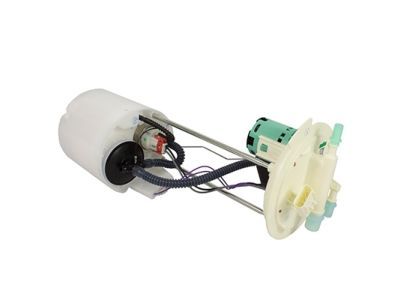
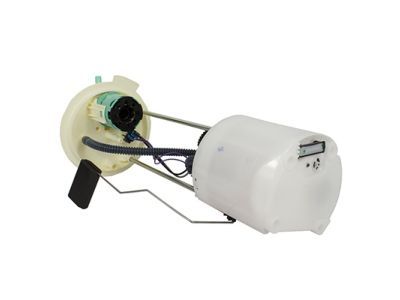
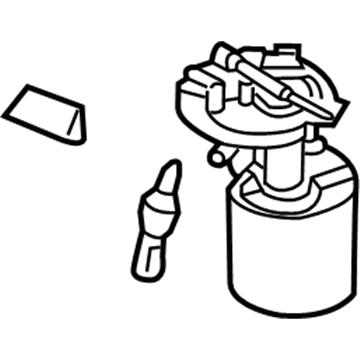
Ford Fuel Pump
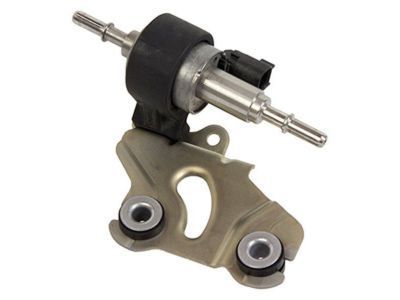
Part Number: FL3Z-9H307-N$364.85 MSRP: $595.91You Save: $231.06 (39%)Ships in 1-2 Business DaysProduct Specifications- Other Name: Sender And Pump Assembly; Fuel Pump
- Replaces: FL3Z-9H307-H, FL3Z-9H307-F, PFS-1057
 Product Specifications
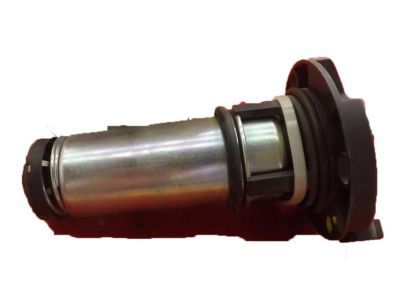
- Other Name: Pump Assembly - Fuel; Fuel Pump, Pump
 Product Specifications
- Other Name: Pump Assembly - Fuel
- Manufacturer Note: Kit- pump asy.-frame rail mounted. Also serviced in 9G282, Diesel 6.0L
- Replaced by: 6C3Z-9F759-A
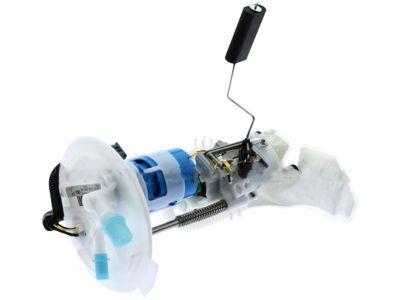
 Product Specifications
- Other Name: Sender And Pump Assembly; Fuel Pump, Fuel Pump Assembly
- Replaces: 5L2Z-9H307-A
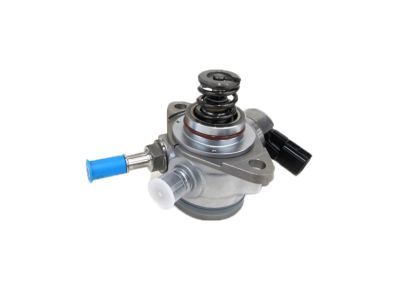
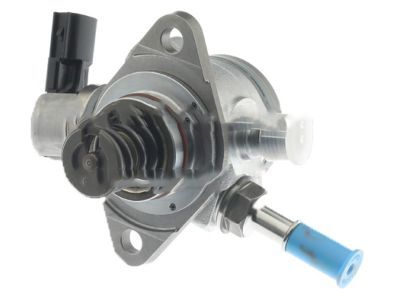
Ford Fuel Pump
Part Number: BL3Z-9350-C$239.34 MSRP: $358.33You Save: $118.99 (34%)Ships in 1-2 Business DaysProduct Specifications- Other Name: Pump Assembly - Fuel; Fuel Pump
- Replaced by: BL3Z-9350-D
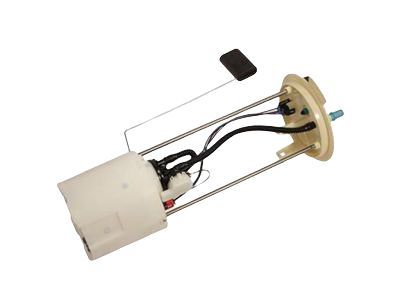
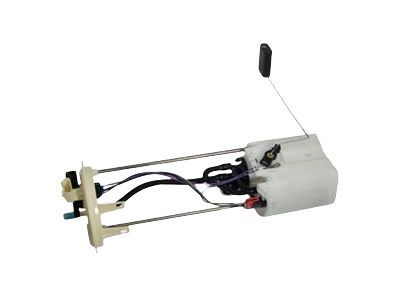
Ford Fuel Pump
Part Number: BC3Z-9H307-B$350.20 MSRP: $601.82You Save: $251.62 (42%)Ships in 1-2 Business DaysProduct Specifications- Other Name: Sender And Pump Assembly; Fuel Pump
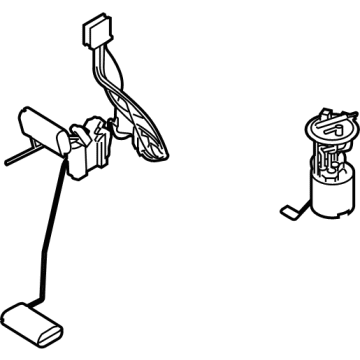
 Product Specifications
- Other Name: Sender And Pump Assembly; Fuel Pump
- Replaces: LK4Z-9H307-C
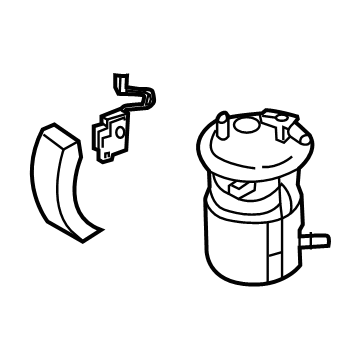
 Product Specifications
- Other Name: SENDER AND PUMP ASY; Fuel Pump, Fuel Pump Assembly
- Replaces: L1MZ-9H307-MA
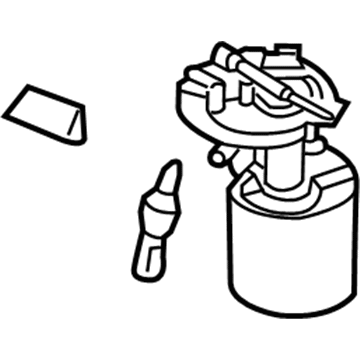
Ford Fuel Pump
Part Number: HL3Z-9H307-F$384.05 MSRP: $627.27You Save: $243.22 (39%)Ships in 1-2 Business DaysProduct Specifications- Other Name: Sender And Pump Assembly; Fuel Pump
- Replaces: HL3Z-9H307-B, PFS-1126
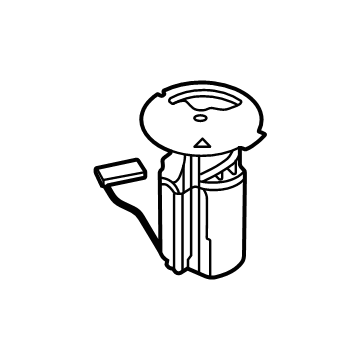
Ford Fuel Pump
Part Number: LX6Z-9H307-B$434.64 MSRP: $709.91You Save: $275.27 (39%)Ships in 1-2 Business DaysProduct Specifications- Other Name: Sender And Pump Assembly; Fuel Pump, Fuel Pump Assembly
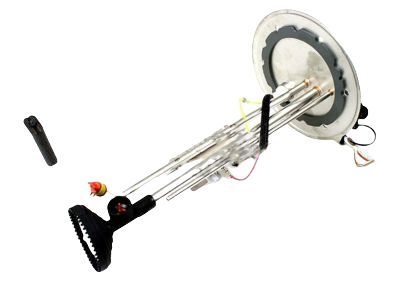
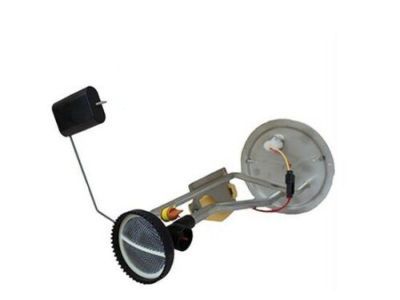
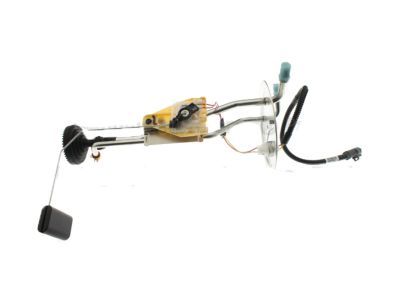
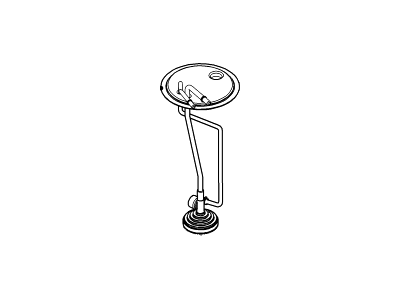 Product Specifications
- Other Name: Sender Assembly - Fuel Tank; Fuel Gauge Sending Unit, Fuel Pump
- Replaces: 7C3Z-9275-B, 8C3Z-9A299-E, 8C3Z-9275-B, 8C3Z-9275-T, 8C3Z-9A299-P, 8C3Z-9275-N, 8C3Z-9A299-K, PS-388, 8C3Z-9275-J, PS-368, PS-423, PS-424
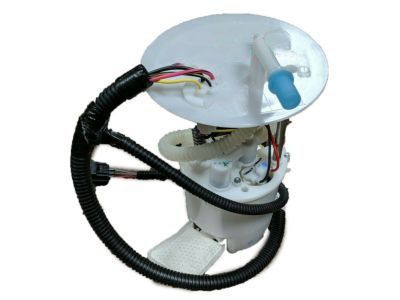
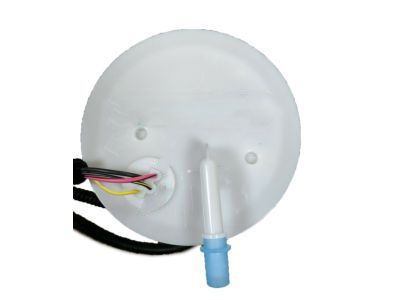
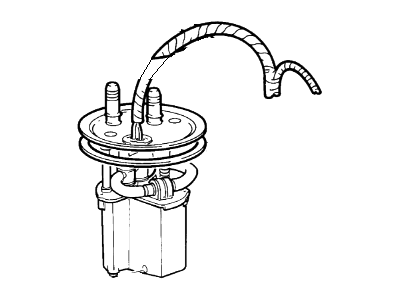 Product Specifications
- Other Name: Sender And Pump Assembly; Fuel Pump, Fuel Pump Assembly
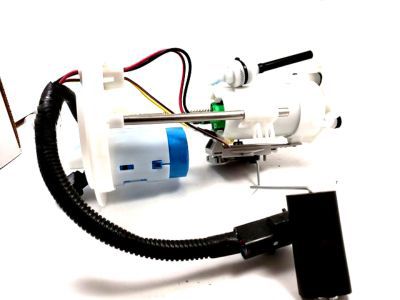
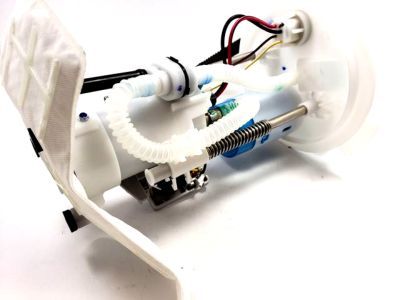
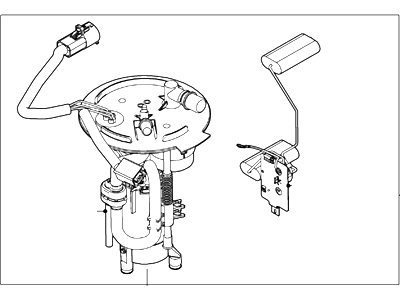
Ford Fuel Pump And Sender Assembly
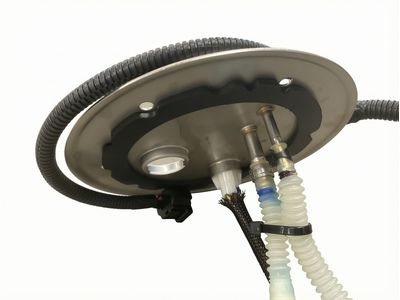
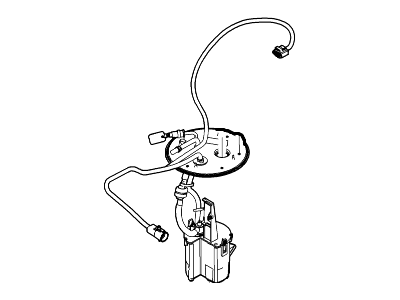
Part Number: AL2Z-9H307-AA$221.09 MSRP: $356.36You Save: $135.27 (38%)Product Specifications- Other Name: Sender And Pump Assy; Fuel Pump, Fuel Pump Assembly
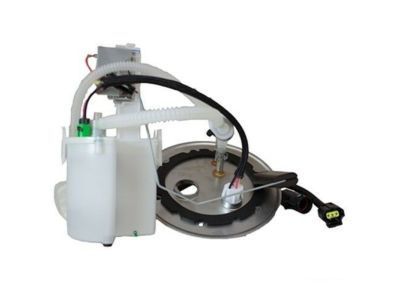
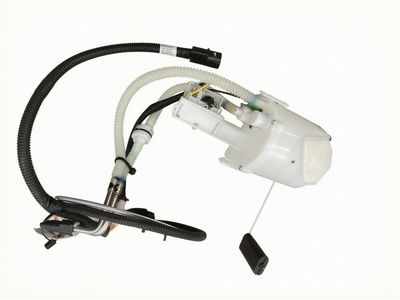
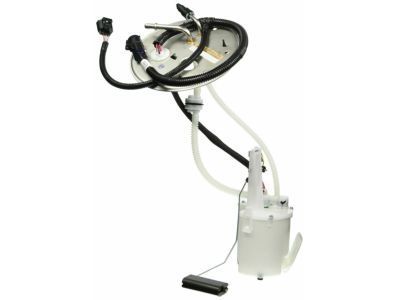
 Product Specifications
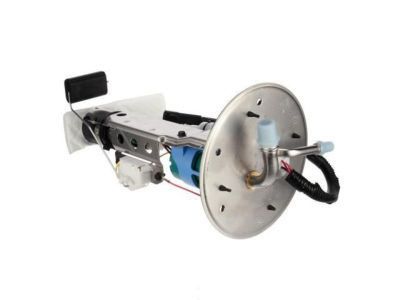
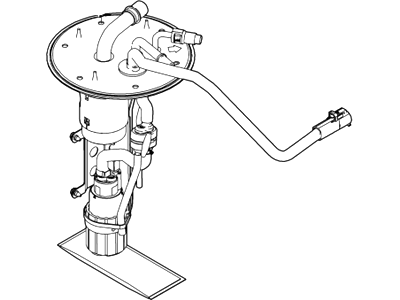
- Other Name: Sender And Pump Assy
- Replaces: 7C3Z-9A299-G, 7C3Z-9A299-C, 7C3Z-9H307-C
 Product Specifications
- Other Name: Sender And Pump Assy; Fuel Pump, Fuel Pump Assembly
- Replaces: 5C2Z-9H307-A
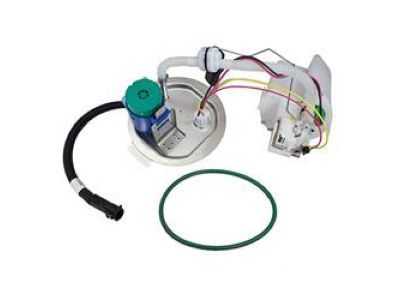
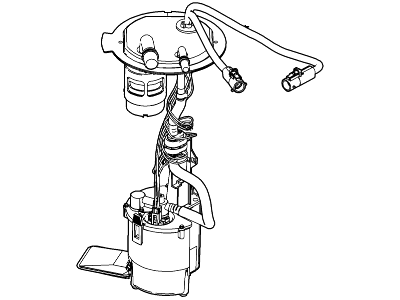
Ford Fuel Pump And Sender Assembly
Part Number: 6C3Z-9H307-AA$435.97 MSRP: $710.91You Save: $274.94 (39%)Product Specifications- Other Name: Sender And Pump Assy; Fuel Pump
- Replaces: 5C3Z-9H307-C
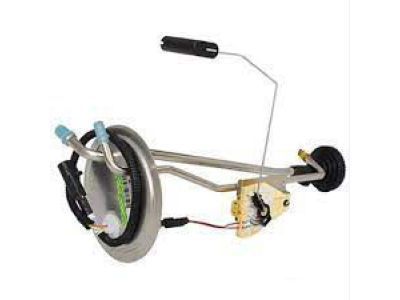 Product Specifications
- Other Name: Sender Assembly - Fuel Tank; Fuel Gauge Sending Unit, Fuel Pump
- Replaces: 8C3Z-9275-Q, 7C3Z-9275-D, 8C3Z-9A299-J, 8C3Z-9A299-D, 8C3Z-9275-P, 8C3Z-9275-D, PS-272, PS-387, PS-367, PS-417, PS-298, 8C3Z-9275-K, 8C3Z-9A299-N, PS-390, PS-422
| Page 1 of 38 |Next >
1-20 of 745 Results
About Ford Fuel Pump
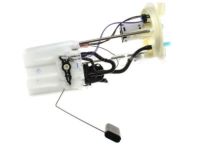
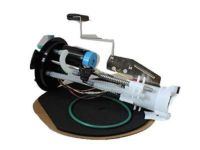
The fuel pump is an essential component for any car, motorcycle, or anything with an internal combustion engine, as it allows sends fuel from the fuel tank to the engine. An improperly or non-functioning Ford fuel pump is usually the cause of problems like engine stalling, start-up failure, or sluggish acceleration.
Ford Fuel Pump Parts Questions & Experts Answers
- Q:What is the position and function of the mechanical fuel pump in the Ford Bronco?A:In the block or timing chain cover, the fuel pump is on the left front side. The rocker arm moves around due to the eccentric cam found on the camshaft. This forces the diaphragm inside to move against its spring and draw fuel into a pump chamber. Thereafter, fuel gets compressed for exit, thanks to check valves that prevent a backward flow. Make sure that you have gas in your tank, your fuel filter is not clogged, there are no leaks in mechanical connections and hoses before replacing a failed fuel pump. Take off your air cleaner assembly to test how well it pumps in air and unhook its fuel line at the inlet of an inwardly bent tube connected to the intake manifold of your carburetor. Check the fuel pump output. Carry out remote fuel supply tests if low.
- Q:How to remove and install a high pressure fuel pump on Ford F-150?A:Relieve the fuel system pressure, then remove the cover from the pump located at the rear of the left valve cover. Disconnect the electrical connector from the pump and detach the fuel feed line from it. Carefully loosen the high-pressure fuel line fitting from the pump and fuel rails, discarding the high-pressure fuel tube as a new one must be installed during reassembly. Unscrew the pump mounting bolts gradually until they are loose, discarding the old bolts for new ones upon installation. Remove the pump and the roller tappet from its bore, checking for wear and replacing it if necessary. Take out the bolt and the pump mounting plate, ensuring the cam lobe that drives the pump is at Bottom Dead Center before installation; if not, turn the crankshaft with a wrench until it is. Lubricate the roller tappet and its bore with clean engine oil, then install the tappet. Lubricate the pump mounting plate seal and install it, followed by the pump 0-rings, also lubricated with clean engine oil. Using new bolts, install the pump, tightening them in the correct sequence and to the specified torque. Clean the high-pressure fuel line fittings on the fuel rails, apply a little clean engine oil to the threads, and install the new high-pressure fuel tube, tightening the fittings in the correct sequence and to the specified torque. Finally, connect the fuel feed line and electrical connector to the pump, and install the pump cover.
- Q:How to check Fuel Pump on Ford Ranger?A:Always ensure there is fuel in the tank before assuming the fuel pump is defective. An electric fuel pump malfunction typically leads to a loss of fuel flow or pressure, often resulting in decreased performance or a no-run condition. Verify that the pump operates by removing the fuel filler cap and having someone turn the ignition switch to On; a brief whirring noise should indicate the pump is pressurizing the system. If the pump does not run, check the fuel pump fuse and relay. If these components are functional, test the inertia switch for continuity. If the fuse is blown, replace it and check if the pump operates; if it blows again, investigate the fuel pump circuit for a short to ground. If the pump remains silent despite a good fuse, unplug the electrical connector from the fuel pump, ground the negative terminal, and apply 12-volts to the feed terminal. If the pump still does not run, it needs replacement; if it does run, the issue lies within the electrical circuit. The fuel pressure regulator is located in the fuel tank with the pump, and the system includes a fuel pressure damper on the fuel rail to reduce pulsations. Relieve the fuel pressure, connect a fuel pressure gauge to the Schrader valve on the fuel rail, and turn the ignition switch to On. The pump should run for about two seconds, and the pressure should stabilize. If the pressure exceeds specifications, check for a faulty regulator. If it is lower than specified, replace the fuel filter, inspect for pinched or clogged hoses, check for leaks in the fuel feed line, and examine for leaking injectors. After turning the ignition switch to OFF and waiting one minute, recheck the pressure; if it is less than specified, there may be a leak in the fuel delivery line or quick-connect fitting, leaking injectors, or a defective fuel pump. Finally, relieve the fuel system pressure and remove the gauge after testing.
Related Ford Parts
 Ford Fuel Tank
 Ford Throttle Body
 Ford Throttle Cable
 Ford Fuel Injector
 Ford Throttle Body Gasket
 Ford Fuel Injector O-Ring
 Ford Accelerator Cable
 Ford Fuel Rail
 Ford Fuel Level Sensor
 Ford Vacuum Pump
 Ford Turbocharger
 Ford Fuel Temperature Sensor
Browse by Model
Aerostar Fuel Pump Bronco Fuel Pump Bronco II Fuel Pump Bronco Sport Fuel Pump C-Max Fuel Pump Contour Fuel Pump Crown Victoria Fuel Pump E-150 Fuel Pump E-250 Fuel Pump E-350/E-350 Super Duty Fuel Pump E-450 Super Duty Fuel Pump E-550 Super Duty Fuel Pump Econoline Super Duty(1996-1999) Fuel Pump EcoSport Fuel Pump Edge Fuel Pump Escape Fuel Pump Escort Fuel Pump Excursion Fuel Pump Expedition Fuel Pump Explorer Fuel Pump Explorer Sport Fuel Pump Explorer Sport Trac Fuel Pump F Super Duty Fuel Pump F-150 Fuel Pump F-250 Fuel Pump F-250 Super Duty Fuel Pump F-350 Fuel Pump F-350 Super Duty Fuel Pump F-450 Super Duty Fuel Pump F-550 Super Duty Fuel Pump F53 Fuel Pump F53 Stripped Chassis Fuel Pump F59 Fuel Pump Fiesta Fuel Pump Five Hundred Fuel Pump Flex Fuel Pump Focus Fuel Pump Freestar Fuel Pump Freestyle Fuel Pump Fusion Fuel Pump GT Fuel Pump Maverick Fuel Pump Mustang Fuel Pump Police Interceptor Sedan Fuel Pump Police Interceptor Utility Fuel Pump Police Responder Hybrid Fuel Pump Ranger Fuel Pump SSV Plug-In Hybrid Fuel Pump Taurus Fuel Pump Taurus X Fuel Pump Tempo Fuel Pump Thunderbird Fuel Pump Transit Connect Fuel Pump Transit Fuel Pump Windstar Fuel Pump