

My Garage
My Account
Cart
Genuine Ford F-250 Transfer Case Seal
Transfer Case Output Shaft Seal- Select Vehicle by Model
- Select Vehicle by VIN
Select Vehicle by Model
orMake
Model
Year
Select Vehicle by VIN
For the most accurate results, select vehicle by your VIN (Vehicle Identification Number).
7 Transfer Case Seals found
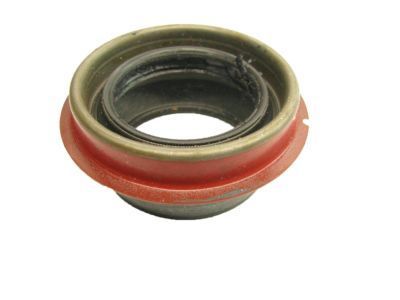
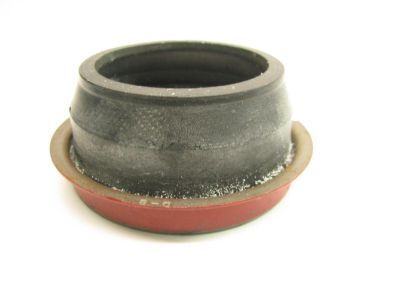
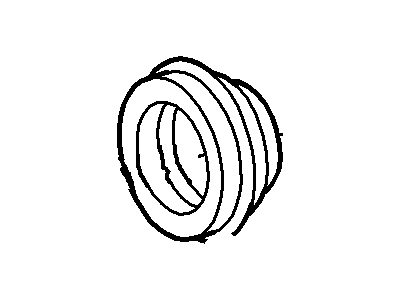
Ford F-250 Rear Seal
Part Number: F6TZ-7052-A$18.24 MSRP: $26.67You Save: $8.43 (32%)Ships in 1-2 Business Days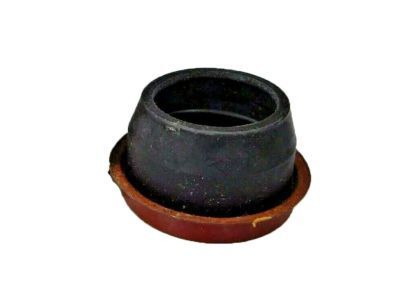
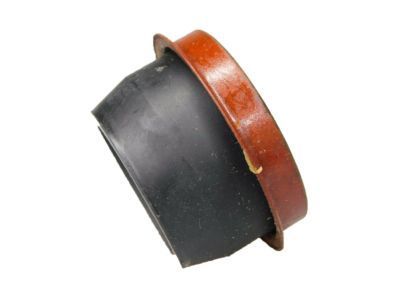
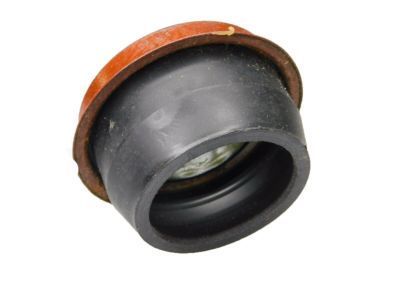
Ford F-250 Oil Seal Assembly
Part Number: D5AZ-7052-A$18.24 MSRP: $26.67You Save: $8.43 (32%)Ships in 1-2 Business Days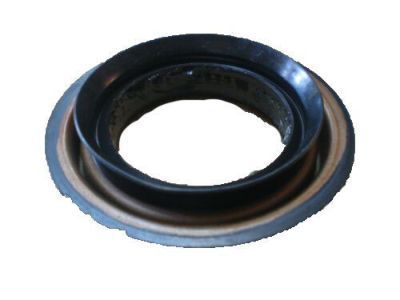
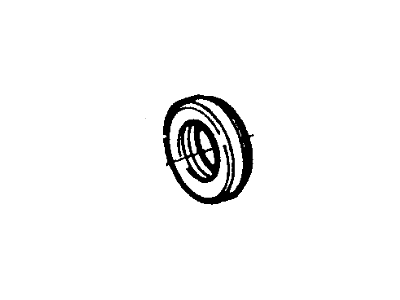
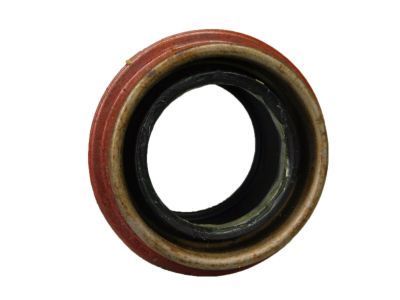
Ford F-250 Seal
Part Number: E7TZ-7B215-B$18.24 MSRP: $26.67You Save: $8.43 (32%)Ships in 1 Business Day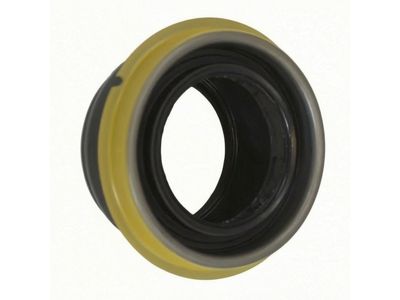
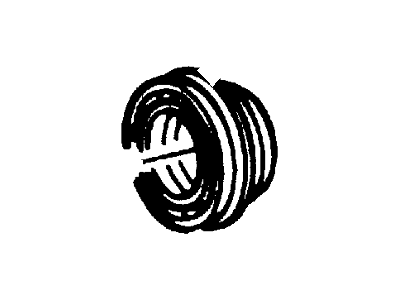
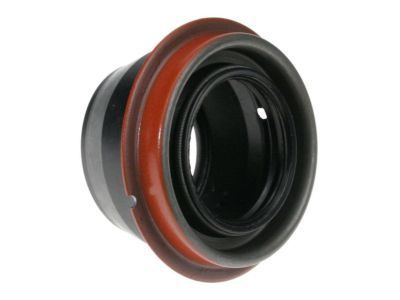
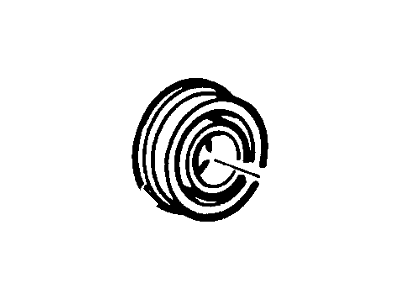
Ford F-250 Extension Housing Seal
Part Number: E2DZ-7052-A$15.80 MSRP: $22.50You Save: $6.70 (30%)Ships in 1-3 Business Days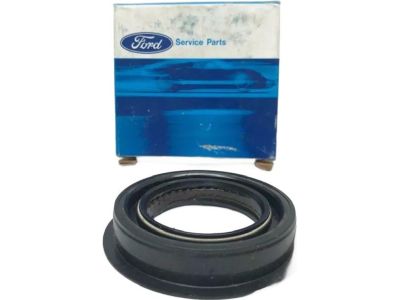
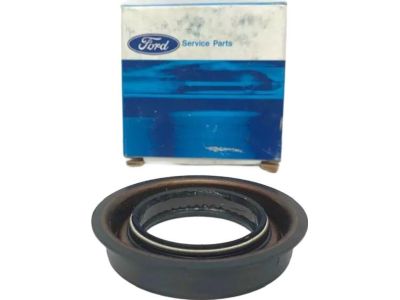
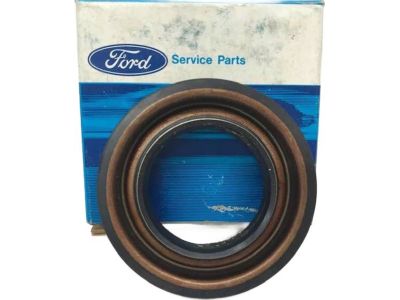
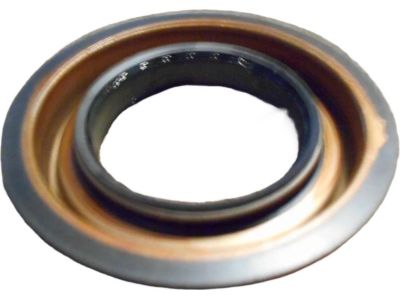
Ford F-250 Seal
Part Number: E3TZ-7B215-G$5.68 MSRP: $13.34You Save: $7.66 (58%)Ships in 1-3 Business DaysFord F-250 Seal
Part Number: E8TZ-7B215-A$27.36 MSRP: $40.00You Save: $12.64 (32%)Ships in 1 Business Day
Ford F-250 Transfer Case Seal
The purpose of the Ford F-250 Transfer Case Seal is to retain the lubricant within the transfer case, preventing it from leaking out and potentially depriving the gears of their essential lubrication, which could lead to severe damage. Located at the rear housing where driveshafts slip in, this Transfer Case Seal acts like a tight barrier that rides on the yoke so fluid stays put while the shaft rotates and slides. As the seal gets older, oil leak puddles below the transfer case can overheat or wear the gears that link the transmission to the front and rear axles on a four wheel drive F-250. The fundamental design of Ford pickups has remained similar over the years, utilizing a rubber bonded metal ring backed by the housing bushing. However, later versions of the F-250 received tougher lip materials that are better able to resist heat and abrasion than earlier nitrile styles. Removing the driveshaft, pulling the old part, cleaning the bore, and pressing in a new Transfer Case Seal renews the seal for dependable Ford performance. This replacement ensures every F-250 keeps shifting smoothly without leaks from its Transfer Case Seal. They can all count on their Transfer Case Seal for smooth shifts.
We provide a wide range of Ford F-250 Transfer Case Seal at the optimal prices. If you need Ford F-250 Transfer Case Seal, you can shop with confidence on our website. All our OEM parts come with a manufacturer's warranty and are delivered to your doorstep with a fast delivery service.
Ford F-250 Transfer Case Seal Parts Questions & Experts Answers
- Q:How to replace a Transfer Case Seal on the extension housing of a Ford F-250?A:It only applies to two-wheel-drive models and the first step to follow involved hoisting the car up and putting it firmly on jackstands, with the extension housing oil seal being found at the very rear of the transmission where the driveshaft is connected, and evidence of a leaking seal is typically a layer of lubricant on the front of the driveshaft, or dripping out on the back of the transmission. Disassemble the driveshaft, on circular flange or yoke type rear output shafts disassemble the retaining nut and washer on the flange or the yoke and push the flange or the yoke aside. Tap the dust shield with a soft-faced hammer, carefully, back, in case it has one, and remove it without distortion. The rear of the transmission a screwdriver or pry bar heightens the likelihood of breaking the oil seal and bushing (where present) and the splines of the output shaft, so care is required to not damage it, and in any case, this is very difficult, and a special tool to remove the oil seal should be used. To install the new oil seal, cut a large section of pipe or a large deep socket as a drift, and beat the cultivated section into the bore, taking full care to ensure that it is firmly seated, and then the dust shield is once again installed by beating it into place. Wipe the yoke splines with multi-purpose grease and, pushing the flange or yoke over the output shaft past the new seal, use thread locking compound on the retaining nut, install the washer and nut, and tighten to the required torque. Lightly lubricate the splines of the transmission output shaft with lightweight grease and carefully replace the driveshaft so as to not damage the new seal and then install the yoke, washer and retaining nut (where necessary). Install the rear driveshaft back, replace and fill the transmission lubricant where needed, take out jackstands, and lower vehicle.
Related Ford F-250 Parts
 Ford F-250 Transfer Case
 Ford F-250 Axle Shaft
 Ford F-250 Input Shaft Bearing
 Ford F-250 Output Shaft Bearing
Browse by Year
1999 Transfer Case Seal 1998 Transfer Case Seal 1997 Transfer Case Seal 1996 Transfer Case Seal 1995 Transfer Case Seal 1994 Transfer Case Seal 1993 Transfer Case Seal 1992 Transfer Case Seal 1991 Transfer Case Seal 1990 Transfer Case Seal 1989 Transfer Case Seal 1988 Transfer Case Seal 1987 Transfer Case Seal 1986 Transfer Case Seal 1985 Transfer Case Seal 1984 Transfer Case Seal 1983 Transfer Case Seal 1982 Transfer Case Seal 1981 Transfer Case Seal 1980 Transfer Case Seal