

My Garage
My Account
Cart
Genuine Ford Explorer Sport Trac Wheel Bearing
Hub Bearing- Select Vehicle by Model
- Select Vehicle by VIN
Select Vehicle by Model
orMake
Model
Year
Select Vehicle by VIN
For the most accurate results, select vehicle by your VIN (Vehicle Identification Number).
4 Wheel Bearings found
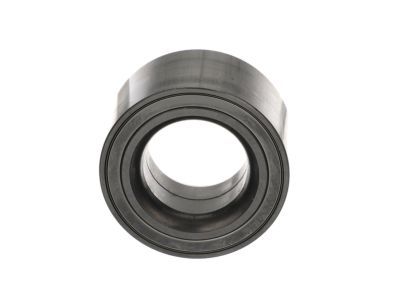
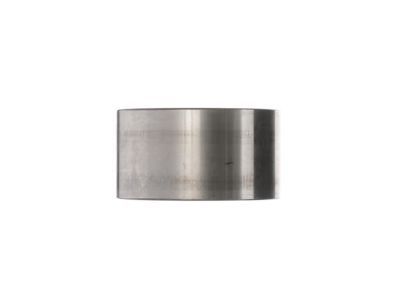
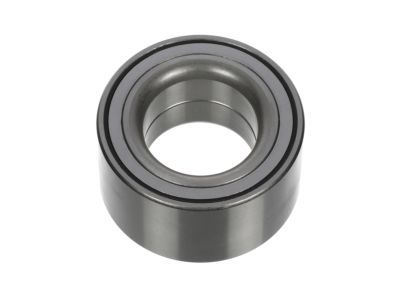
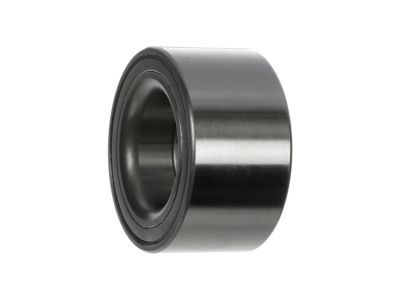
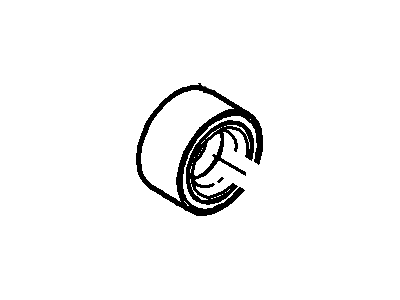
Ford Explorer Sport Trac Wheel Bearings
Part Number: 6L2Z-1215-A$53.89 MSRP: $90.73You Save: $36.84 (41%)Ships in 1 Business Day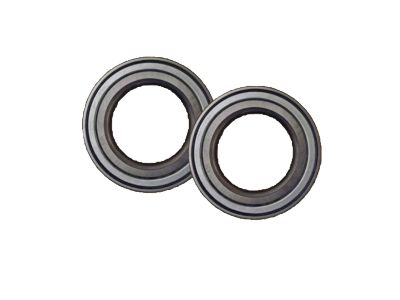
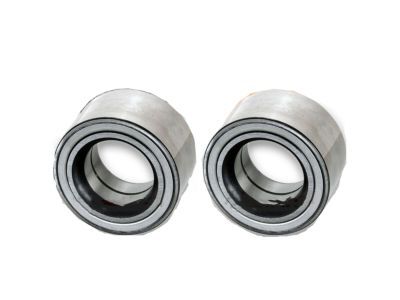
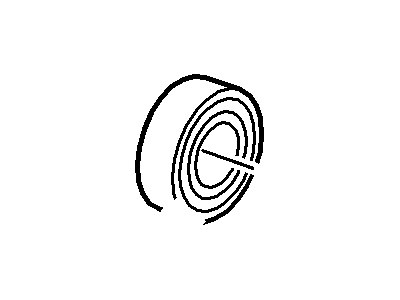
Ford Explorer Sport Trac Wheel Hub Bearing Assembly
Part Number: 3L2Z-1215-AA$53.89 MSRP: $90.73You Save: $36.84 (41%)Ships in 1 Business Day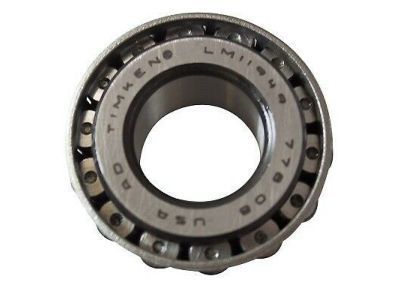
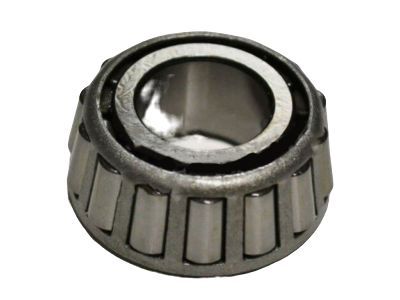
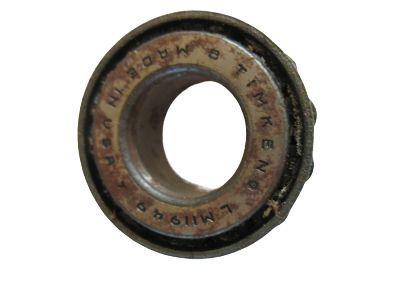
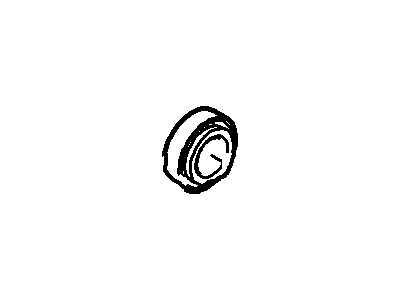
Ford Explorer Sport Trac Outer Bearing
Part Number: B5A-1216-A$17.53 MSRP: $25.64You Save: $8.11 (32%)Ships in 1-3 Business Days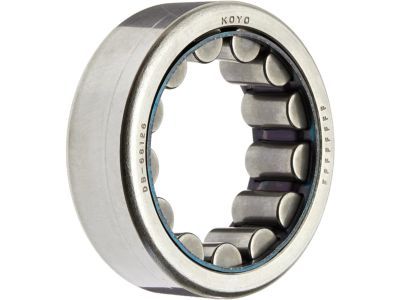
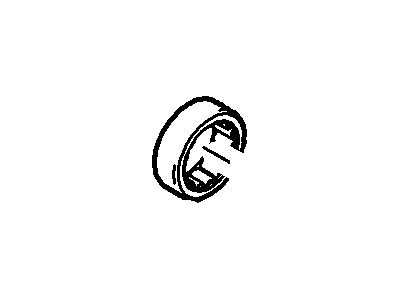
Ford Explorer Sport Trac Axle Bearing
Part Number: E3TZ-1225-AA$16.95 MSRP: $27.45You Save: $10.50 (39%)Ships in 1 Business Day
Ford Explorer Sport Trac Wheel Bearing
Ford Explorer Sport Trac Wheel Bearing is one of those auto components, which holds the responsibility of enabling the wheels to rotate without obstruction for both enhanced output and protection needs. Based on the type of hub and bearing assembly, there are 3 different versions and the most widely used is the unit assembly incorporating the ABS sensor. Loose or worn bearings produce noise and vibrations that will advance towards the sprouting of the wheels. To check for problems, instal a hub and rotate the wheel, inspect and use a dial indicator to check for play. Tapered's roller bearings are of the circulating type and thus, they are replaceable, though require inspection and greasing for maintenance. In general, the Wheel Bearing is one of the critical components by which the Ford Explorer Sport Trac vehicle can have a smooth and safe ride.
We provide a wide range of Ford Explorer Sport Trac Wheel Bearing at the optimal prices. If you need Ford Explorer Sport Trac Wheel Bearing, you can shop with confidence on our website. All our OEM parts come with a manufacturer's warranty and are delivered to your doorstep with a fast delivery service.
Ford Explorer Sport Trac Wheel Bearing Parts Questions & Experts Answers
- Q:How to service front wheel bearings on Ford Explorer Sport Trac?A:You should inspect front wheel bearings only while you lift the car for brake pad changes. Either way, they need attention when the front of your car goes up. There are specific tools you need for this job: a torque wrench and special grease. Begin by first lifting the vehicle on jack stands, then check the wheel with three main tests - listening for noise while spinning, noting how hard it takes to spin, and looking for unexpected movement when you push and pull the wheel. Before lifting your vehicle, turn off the Automatic Ride Control air suspension switch to avoid harming the car. Mark pressure the wheel, and when you feel movement, it's time to check and maybe fix your hub bearings with grease or new bearings. Take off the wheel and brake caliper, being careful not to let the caliper hang through its rubber connection. After 1995, take out the mount for the brake caliper when you replace it. Pull the cap off first, remove the straightened cotter pin, and throw it away. Take the retainer, its adjusting nut, and flat washer off the spindle. Give the hub assembly a gentle bump forward, then push it all the way back to break free the outer bearing. Started by sliding the hub off the bearing post. Insert a flat metal bar underneath the hub to lift the seal taking care to remember the seal's insertion location off the backside. Clean the wheel bearings and hub by dissolving grease with solvent, allowing every part to air dry without rinsing. Check the bearings for cracks, look for discoloration from too much heat, and see if they show signs of wear; you also need to check if the races are damaged; if any races are defective, replacements must be done by a professional. Put in plenty of high-temperature grease for front wheel bearings, work it thoroughly within both bearings. Snip a thin layer of grease onto the spindle. Spread a tiny amount of grease inside both bearings' raceways within the hub. Place the hub on the axle, push the greasy inner bearing into place, add more grease, and put a new seal covering it, pressing it down to match the surface. Line up the hub assembly over the spindle, use a small push to place the thickly-lubricated outer bearing where it belongs, and fasten the flat and adjustment nuts loosely on top. Position the hub and turn it around to let the bearings get the right placement and clean up any extra grease or sharp edges. While spinning the wheel, increase tightening on the nut until it reaches its correct torque, then screw it back off half a turn. Screw the nut tight again to the recommended torque level. Add a new cotter pin, then adjust the retainer so its holes match up. Before trimming, press down the two cotter pin ends to flatten them against the nut. After putting in place the cap filled with grease, attach the caliper, and lock the wheel onto the hub with lug nuts, tightening them until they reach the right torque. After that, make sure to follow the same bearing inspection steps and lower the car.
Related Ford Explorer Sport Trac Parts
 Ford Explorer Sport Trac Drive Shaft
 Ford Explorer Sport Trac Axle Shaft
 Ford Explorer Sport Trac ABS Sensor
 Ford Explorer Sport Trac Differential
 Ford Explorer Sport Trac Universal Joint
 Ford Explorer Sport Trac CV Joint
 Ford Explorer Sport Trac Pinion Bearing
 Ford Explorer Sport Trac CV Boot
 Ford Explorer Sport Trac Spindle