

My Garage
My Account
Cart
Genuine Ford Explorer Transfer Case Seal
Transfer Case Output Shaft Seal- Select Vehicle by Model
- Select Vehicle by VIN
Select Vehicle by Model
orMake
Model
Year
Select Vehicle by VIN
For the most accurate results, select vehicle by your VIN (Vehicle Identification Number).
27 Transfer Case Seals found
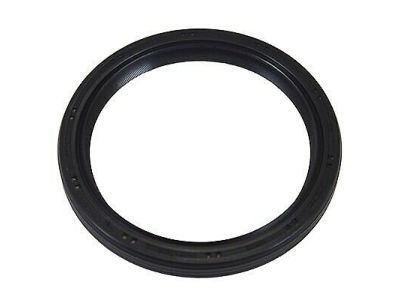
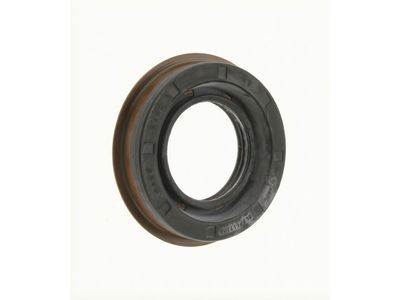
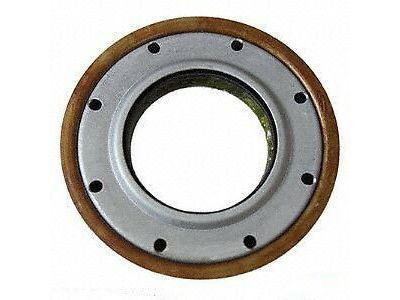
Ford Explorer Oil Seal Assembly
Part Number: 9L3Z-7052-A$15.98 MSRP: $22.50You Save: $6.52 (29%)Ships in 1-2 Business Days
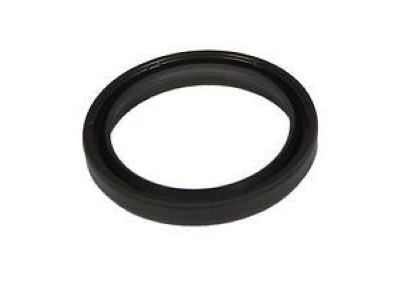
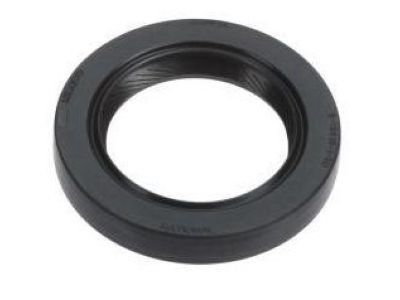
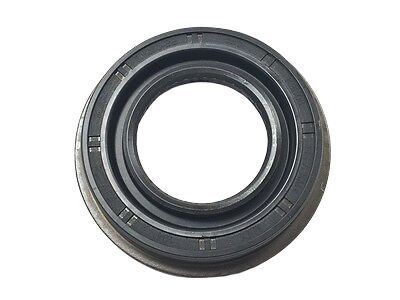
Ford Explorer Seal
Part Number: 9L8Z-1177-C$15.73 MSRP: $25.09You Save: $9.36 (38%)Ships in 1 Business Day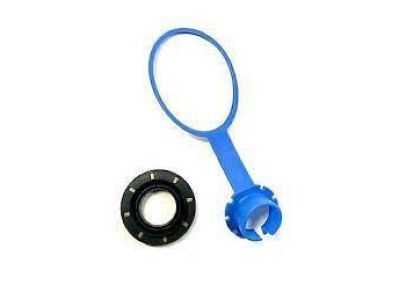
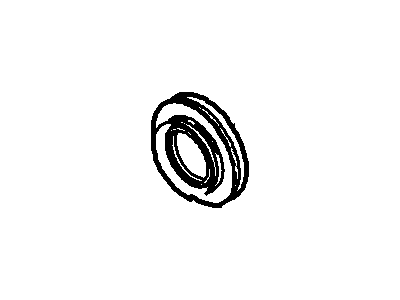
Ford Explorer Seal
Part Number: 7T4Z-1177-C$21.65 MSRP: $30.83You Save: $9.18 (30%)Ships in 1 Business Day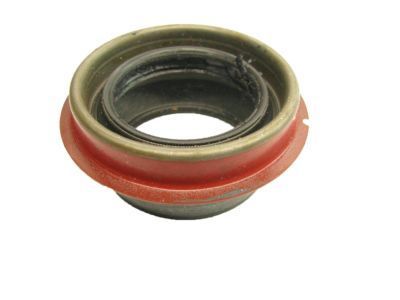
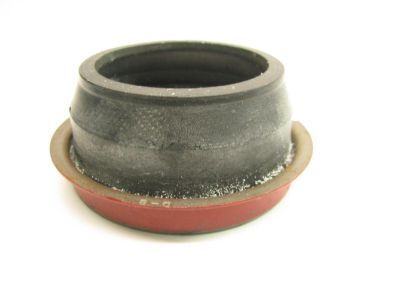
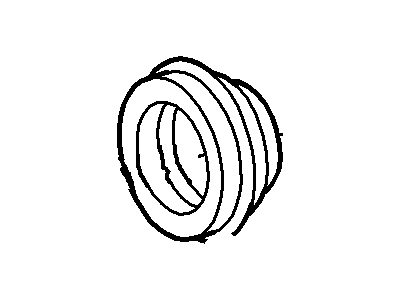
Ford Explorer Oil Seal Assembly
Part Number: F6TZ-7052-A$18.24 MSRP: $26.67You Save: $8.43 (32%)Ships in 1-2 Business Days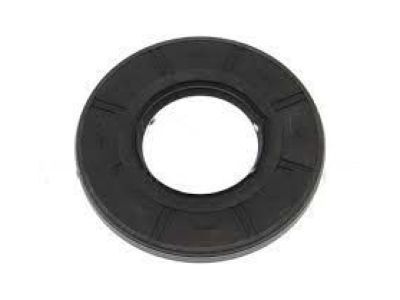
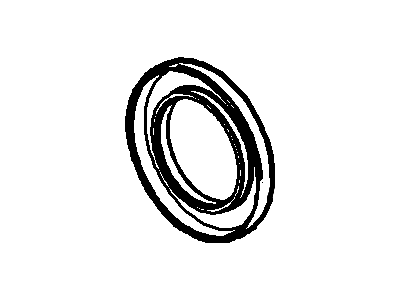
Ford Explorer Oil Seal Assembly
Part Number: 9L3Z-7052-B$15.39 MSRP: $22.50You Save: $7.11 (32%)Ships in 1-3 Business Days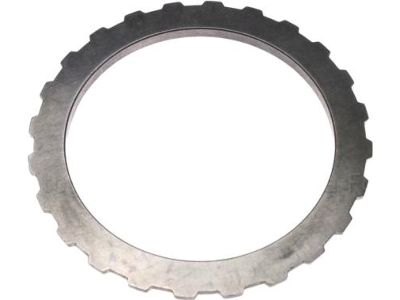
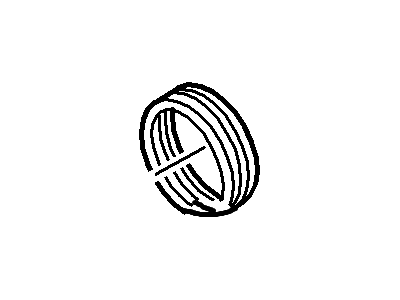
Ford Explorer Seal
Part Number: 6L2Z-7B215-AA$6.30 MSRP: $9.22You Save: $2.92 (32%)Ships in 1-3 Business Days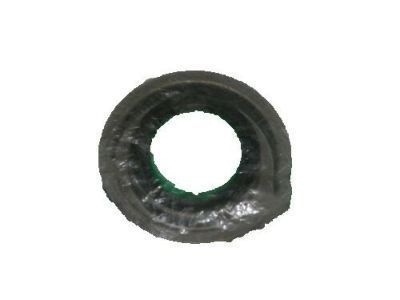
Ford Explorer Seal
Part Number: BB5Z-1S177-A$11.48 MSRP: $18.61You Save: $7.13 (39%)Ships in 1 Business Day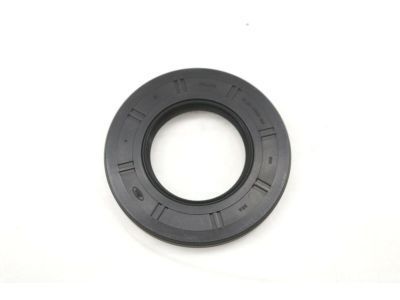
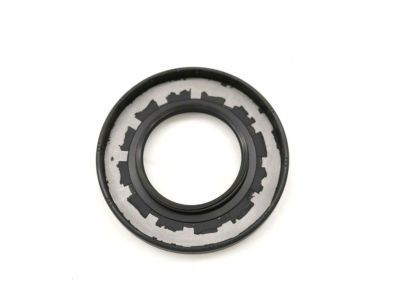
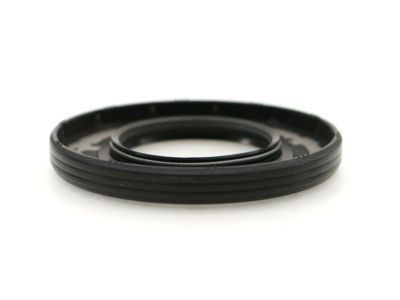
Ford Explorer Oil Seal Assembly
Part Number: 6L2Z-7052-BA$11.70 MSRP: $16.67You Save: $4.97 (30%)Ships in 1-3 Business Days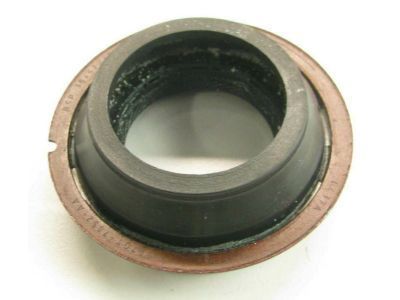
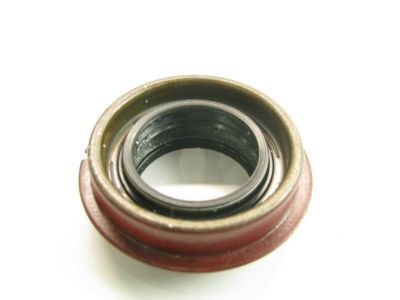
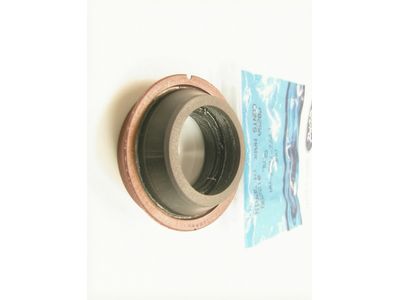
Ford Explorer Oil Seal Assembly
Part Number: F77Z-7052-AA$15.80 MSRP: $22.50You Save: $6.70 (30%)Ships in 1-3 Business Days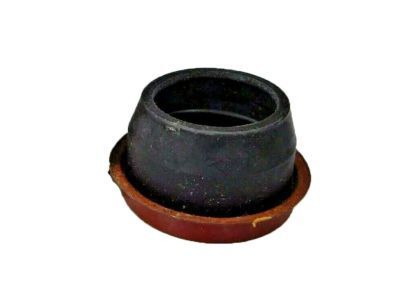
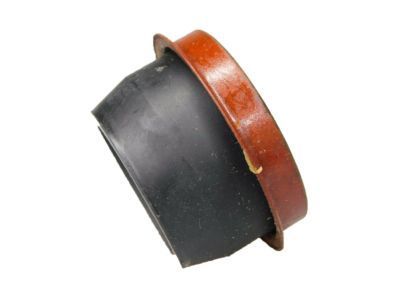
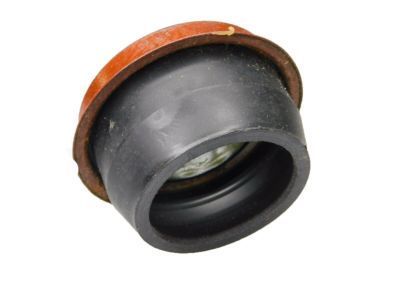
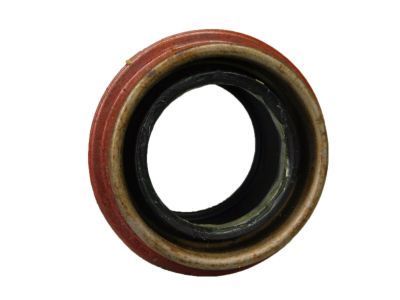
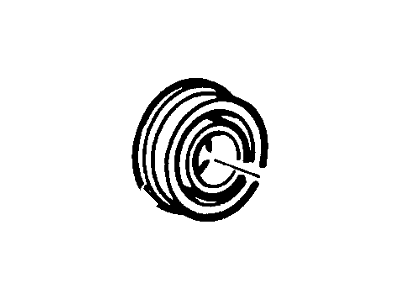
Ford Explorer Oil Seal Assembly
Part Number: D5AZ-7052-A$18.24 MSRP: $26.67You Save: $8.43 (32%)Ships in 1-2 Business Days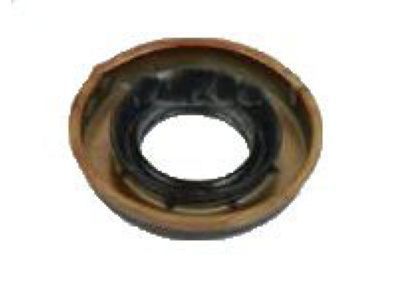
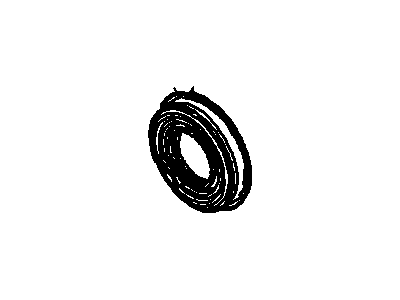
Ford Explorer Seal
Part Number: 7T4Z-1177-D$21.65 MSRP: $30.83You Save: $9.18 (30%)Ships in 1 Business Day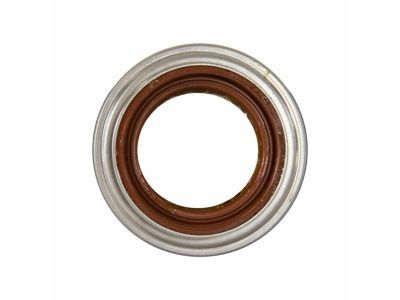
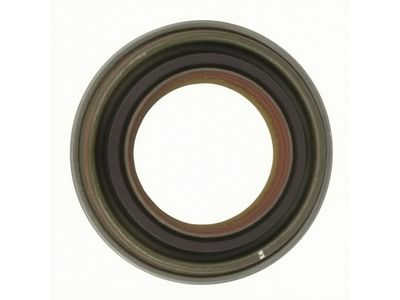
Ford Explorer Seal
Part Number: CN1Z-7H424-B$29.48 MSRP: $38.77You Save: $9.29 (24%)Ships in 1-2 Business Days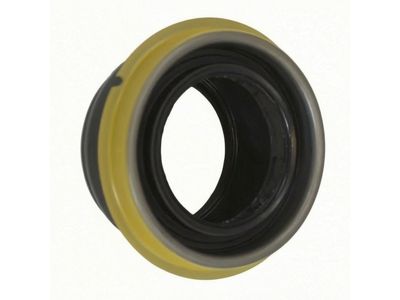
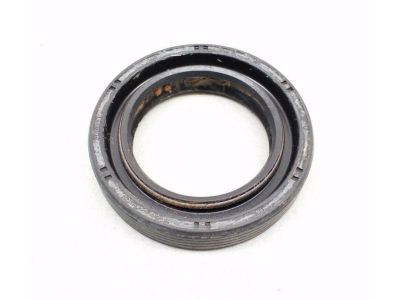
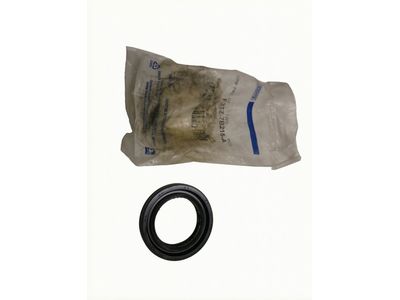
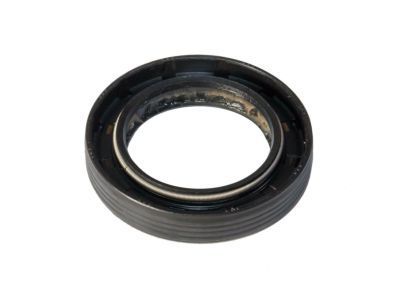
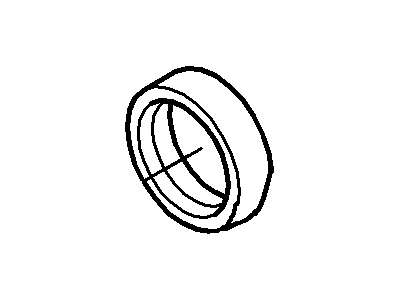
Ford Explorer Seal
Part Number: F3TZ-7B215-A$9.36 MSRP: $13.34You Save: $3.98 (30%)Ships in 1-3 Business Days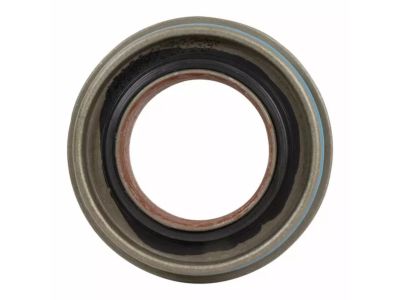
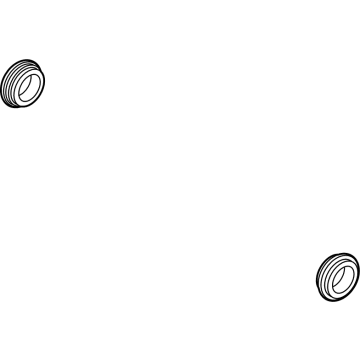
Ford Explorer Dust Seal
Part Number: L1MZ-3C084-A$12.54 MSRP: $18.17You Save: $5.63 (31%)Ships in 1-3 Business Days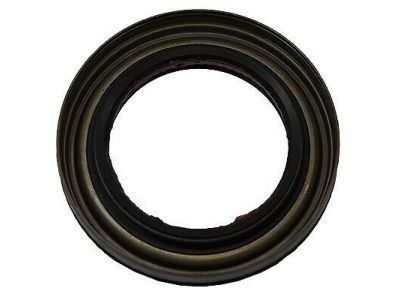
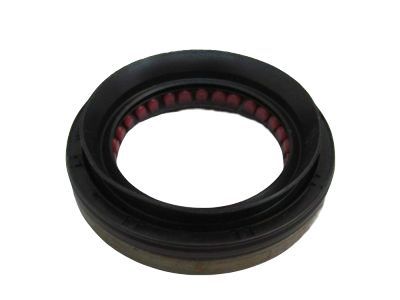
Ford Explorer Seal
Part Number: 3L2Z-7B215-AA$18.24 MSRP: $26.67You Save: $8.43 (32%)Ships in 1-3 Business Days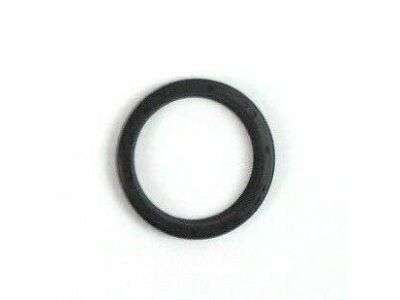
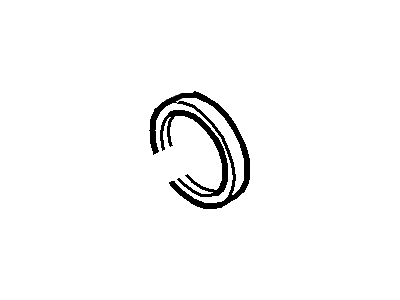
Ford Explorer Oil Seal Assembly
Part Number: 6L2Z-7052-CA$11.70 MSRP: $16.67You Save: $4.97 (30%)Ships in 1-2 Business Days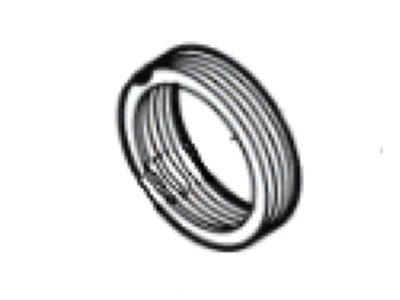
Ford Explorer Seal
Part Number: M1MZ-7B215-A$11.50 MSRP: $16.67You Save: $5.17 (32%)Ships in 1-2 Business Days
Ford Explorer Seal
Part Number: MB3Z-7B215-A$18.24 MSRP: $26.67You Save: $8.43 (32%)Ships in 1-2 Business Days
| Page 1 of 2 |Next >
1-20 of 27 Results
Ford Explorer Transfer Case Seal
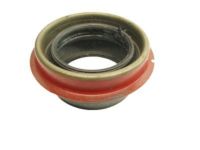
The purpose of a Transfer Case Seal is to contain the lubricant inside the transfer case to prevent the loss of fluids, which could potentially damage the gears and create overheating issues. Located at the rear output shaft, the Transfer Case Seal prevents a fluid leak. The humble ring in every Ford 4x4 system ensures that lubrication stays proper so gears can rotate freely and cool efficiently. When the seal fails, drivers might see red puddles under the case, indicating that the Explorer drivetrain is subject to heat, wear, and loss of hydraulic pressure. Initially, a single-lip Transfer Case Seal made of nitrile rubber was applied, but later models of the Explorer featured dual-lip parts with Viton for higher temperature resistance and improved spring tension. A new Transfer Case Seal, regardless of style, along with a good output-shaft bushing will center the yoke and eliminate side play. By ensuring this part is healthy, Ford owners can avoid costly gear damage, crisp all-wheel engagement, and realize the adventurous characteristics that hallmarked the popularity of the Ford Explorer, so replacing a worn Transfer Case Seal is smart.
We provide a wide range of Ford Explorer Transfer Case Seal at the optimal prices. If you need Ford Explorer Transfer Case Seal, you can shop with confidence on our website. All our OEM parts come with a manufacturer's warranty and are delivered to your doorstep with a fast delivery service.
Ford Explorer Transfer Case Seal Parts Questions & Experts Answers
- Q:How to remove and install the Transfer Case Seal on the Ford Explorer?A:To eliminate the component, one ought to lift the vehicle and stabilize it clamps, if the vehicle is fitted with Automatic Ride Control, make sure that the air suspension switch is off. Empty the Transfer Case of its oil, then pull out either the front or rear driveshaft in order to gain access to the yoke and seal that have to be replaced. On early models, remove the output shaft nut, washer, rubber seal, the front yoke if you're servicing the rear flange, or simply the rear flange itself if it has to be removed but maintain the indexing marks on the flange and shaft so that they can be easily aligned when you are replacing them. In later models, a snap-ring holds the front driveshaft yoke in place; replacing this seal requires disassembly of the transfer case and some degree of dismantling to get to the snap ring. If you intend to replace the yoke, then take off the dust seal around the opening and apply a seal remover to gouge out the oil seal. For installation, one needs to check the oil seal contact surface for scoring or burrs and if any need to be eliminated. Spread multipurpose grease on the oil seal lip and fit it into the output shaft housing bore in such a manner that the broad side or the side which was not previously lubricated should not be installed on the flat surface of the shaft Put it into place using a seal driver or hammer with a large socket. , before installing the splined shaft on the end of the driveshaft make sure the transfer case output female splines are cleam and that you grease them. Some machines have a front yoke or rear flange that snugs onto these splines; then, there is a rubber seal, steel washer, and a new nut is put in and tightened to the specified torque. After that the driveshaft should be connected to the axle input yoke, it is recommended although to use new bolts or thread locking sealant on the old bolts then refill the transfer case lubricant, and finally remove the jack stands from under the vehicle.
Related Ford Explorer Parts
 Ford Explorer Transfer Case
 Ford Explorer Transfer Case Shim
 Ford Explorer Transfer Case Cover
 Ford Explorer Input Shaft Bearing
 Ford Explorer Output Shaft Bearing
 Ford Explorer Transfer Case Bearing
 Ford Explorer Transfer Case Gear
 Ford Explorer Transfer Case Output Shaft Snap Ring
Browse by Year
2025 Transfer Case Seal 2024 Transfer Case Seal 2023 Transfer Case Seal 2022 Transfer Case Seal 2021 Transfer Case Seal 2020 Transfer Case Seal 2019 Transfer Case Seal 2018 Transfer Case Seal 2017 Transfer Case Seal 2016 Transfer Case Seal 2015 Transfer Case Seal 2014 Transfer Case Seal 2013 Transfer Case Seal 2012 Transfer Case Seal 2011 Transfer Case Seal 2010 Transfer Case Seal 2009 Transfer Case Seal 2008 Transfer Case Seal 2007 Transfer Case Seal 2006 Transfer Case Seal 2005 Transfer Case Seal 2004 Transfer Case Seal 2003 Transfer Case Seal 2002 Transfer Case Seal 2001 Transfer Case Seal 2000 Transfer Case Seal 1999 Transfer Case Seal 1998 Transfer Case Seal 1997 Transfer Case Seal 1996 Transfer Case Seal 1995 Transfer Case Seal 1994 Transfer Case Seal 1993 Transfer Case Seal 1992 Transfer Case Seal 1991 Transfer Case Seal