

My Garage
My Account
Cart
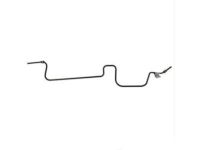
Genuine Ford Brake Line
Brake Hose- Select Vehicle by Model
- Select Vehicle by VIN
Select Vehicle by Model
orMake
Model
Year
Select Vehicle by VIN
For the most accurate results, select vehicle by your VIN (Vehicle Identification Number).
1989 Brake Lines found
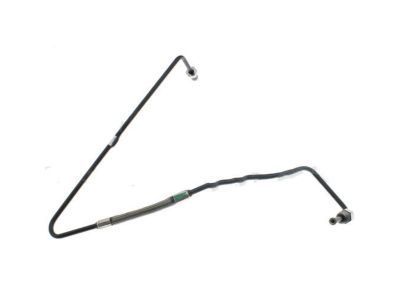
 Product Specifications
- Other Name: Pipe - Brake
- Manufacturer Note: Master Cylinder Primary
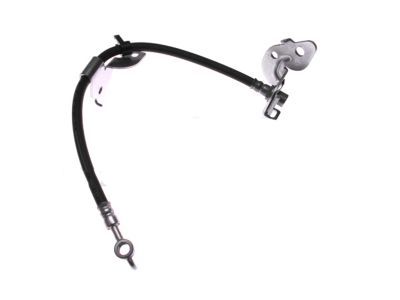
 Product Specifications
- Other Name: Hose Assembly - Brake; Brake Hose, Flex Hose
- Position: Driver Side
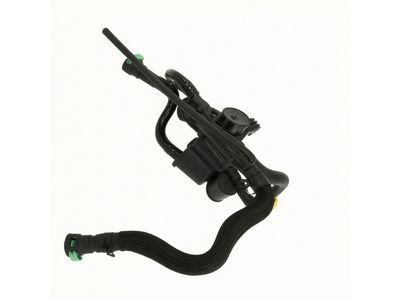
Ford Vacuum Tube
Part Number: JL3Z-2420-AA$248.76 MSRP: $326.33You Save: $77.57 (24%)Ships in 1-2 Business DaysProduct Specifications- Other Name: TUBE - VACUUM; Booster Hose, Vacuum Tube
- Replaces: HL3Z-2420-A, JL3Z-2420-M, JL3Z-2420-R, HL3Z-2420-C, HL3Z-2420-F, JL3Z-2420-W
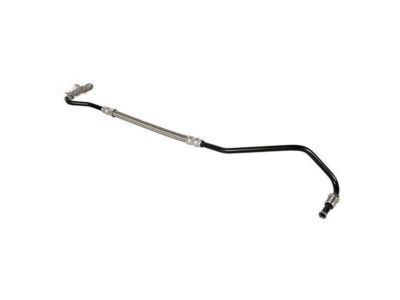
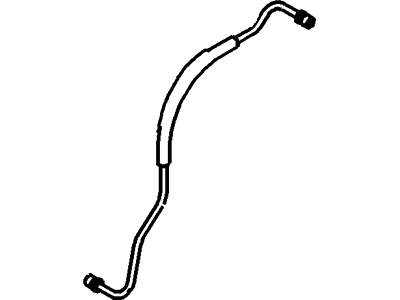
Ford Brake Pipe
Part Number: AL3Z-2A040-B$47.95 MSRP: $77.67You Save: $29.72 (39%)Ships in 1-3 Business DaysProduct Specifications- Other Name: Pipe - Brake
- Manufacturer Note: Master Cylinder Primary
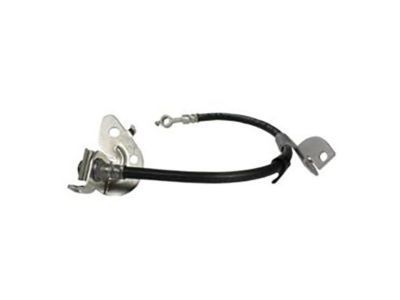
Ford Brake Hose
Part Number: CL3Z-2078-B$41.21 MSRP: $66.76You Save: $25.55 (39%)Ships in 1-2 Business DaysProduct Specifications- Other Name: Hose Assembly - Brake; Brake Hose, Flex Hose
- Position: Passenger Side
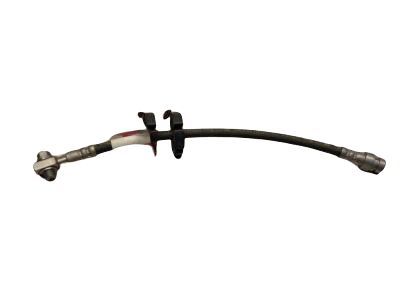
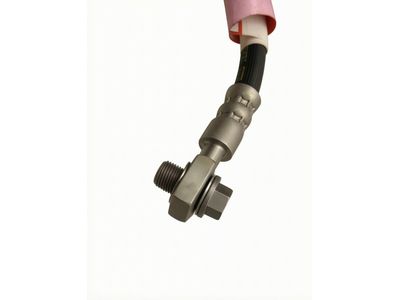
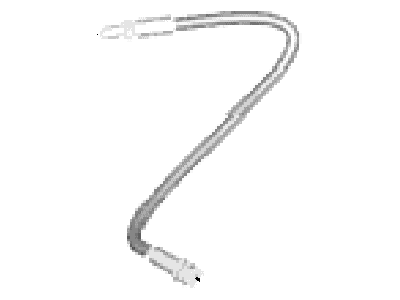
Ford Brake Hose
Part Number: CK4Z-2282-A$32.96 MSRP: $53.41You Save: $20.45 (39%)Ships in 1-2 Business DaysProduct Specifications- Other Name: Hose Assembly - Brake; Brake Hose
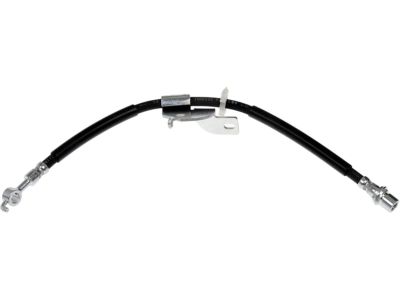
Ford Brake Hose
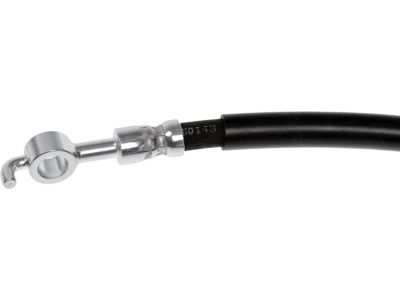
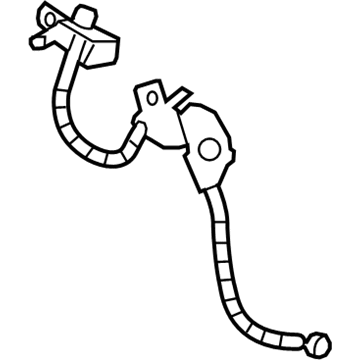
Part Number: GL3Z-2078-D$28.23 MSRP: $46.04You Save: $17.81 (39%)Ships in 1-2 Business DaysProduct Specifications- Other Name: Hose Assembly - Brake; Brake Hose, Flex Hose
- Position: Passenger Side
- Replaces: BRHF-173, FL3Z-2078-B, GL3Z-2078-B, BRHF-78
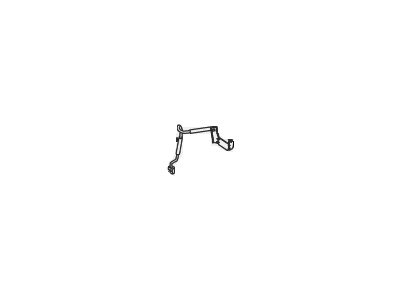 Product Specifications
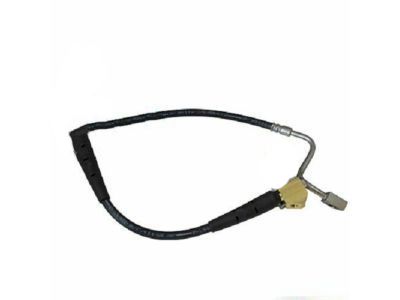
- Other Name: Hose Assembly - Brake; Brake Hose, Flex Hose
- Position: Passenger Side
- Replaces: 5C3Z-2078-BC
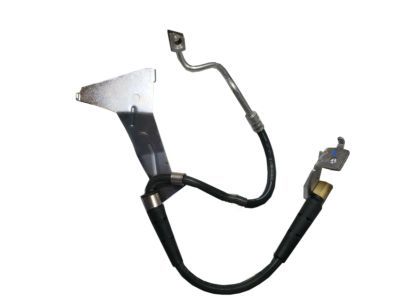
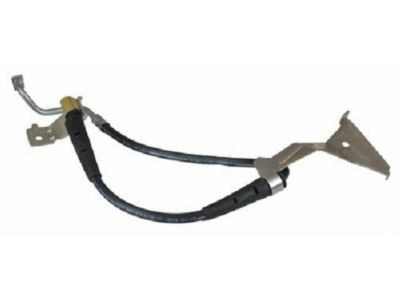
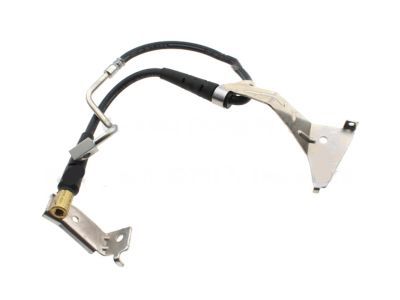 Product Specifications
- Other Name: Hose Assembly - Brake; Brake Hose, Flex Hose
- Position: Driver Side
- Replaces: 5C3Z-2078-BA
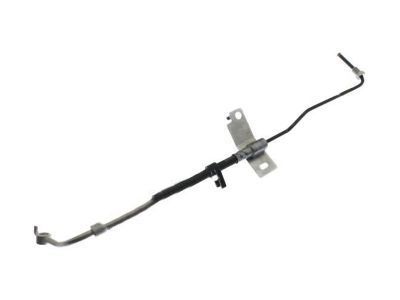
Ford Brake Hose
Part Number: GL3Z-2282-B$54.06 MSRP: $87.57You Save: $33.51 (39%)Ships in 1-2 Business DaysProduct Specifications- Other Name: Hose Assembly - Brake; Brake Hose, Flex Hose
- Position: Driver Side
- Replaces: BRHR-138, FL3Z-2282-C
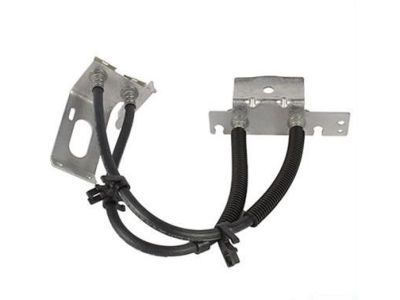
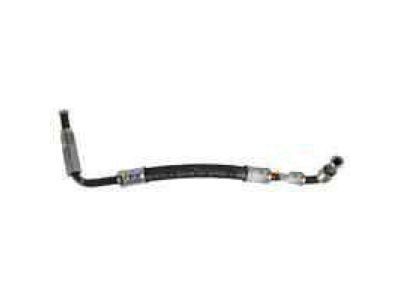
Ford Brake Hose Assembly
Part Number: AL3Z-2282-A$49.97 MSRP: $80.95You Save: $30.98 (39%)Ships in 1-2 Business DaysProduct Specifications- Other Name: Hose Assembly - Brake
- Replaces: 9L3Z-2282-C
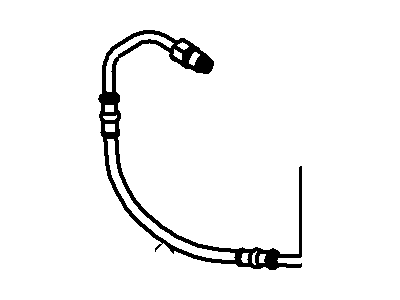
Ford Brake Tube Assembly
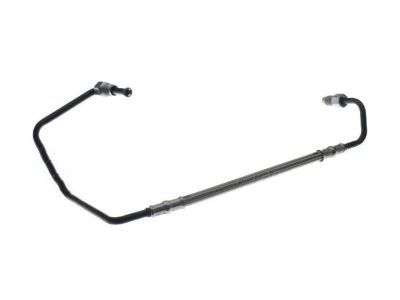
Part Number: BC3Z-2C295-A$131.11 MSRP: $212.39You Save: $81.28 (39%)Ships in 1-2 Business DaysProduct Specifications- Other Name: Tube Assembly - Brake
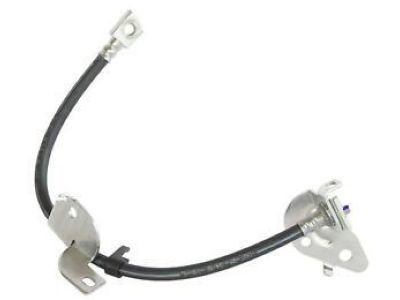
Ford Brake Hose
Part Number: AL3Z-2078-H$53.20 MSRP: $86.18You Save: $32.98 (39%)Ships in 1-2 Business DaysProduct Specifications- Other Name: Hose Assembly - Brake; Brake Hose, Flex Hose
- Position: Passenger Side
- Replaces: AL3Z-2078-D
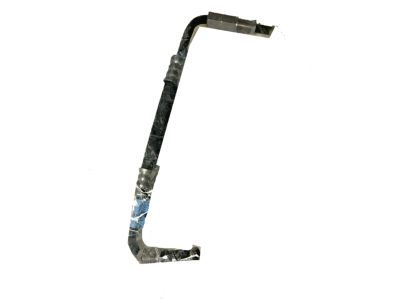
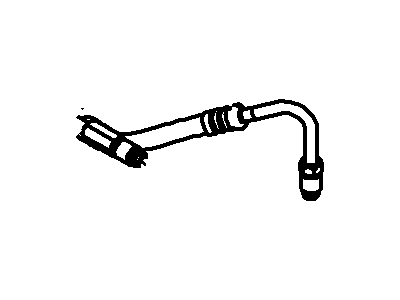
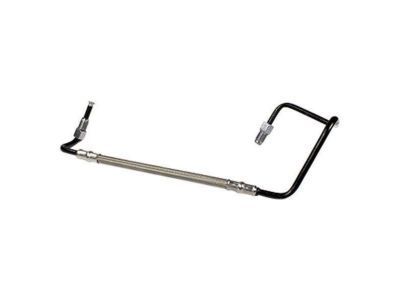
Ford Brake Tube Assembly
Part Number: BC3Z-2C294-B$66.43 MSRP: $107.59You Save: $41.16 (39%)Ships in 1-2 Business DaysProduct Specifications- Other Name: Tube Assembly - Brake
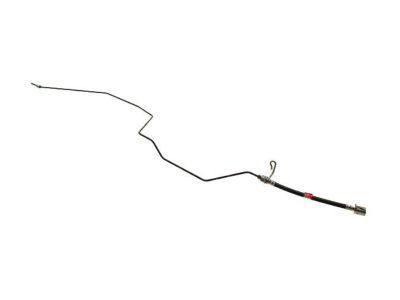
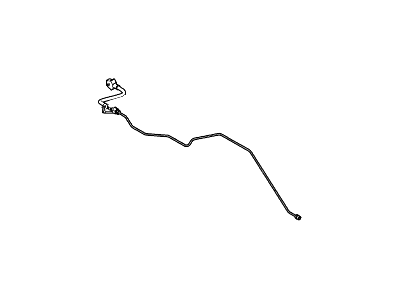 Product Specifications
- Other Name: Tube Assembly - Brake; Brake Hose
- Position: Passenger Side
- Replaces: 5C3Z-2267-AD
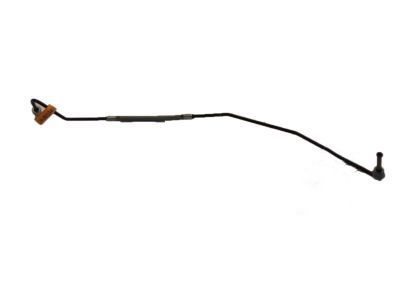
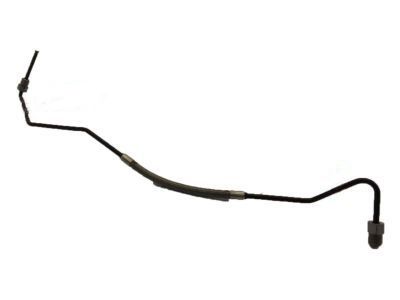
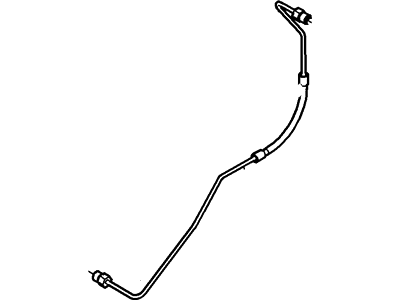 Product Specifications
- Other Name: Tube Assembly - Brake
- Manufacturer Note: Master Cylinder Secondary
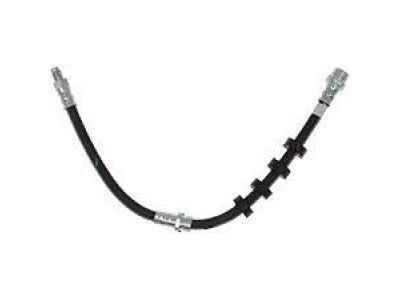
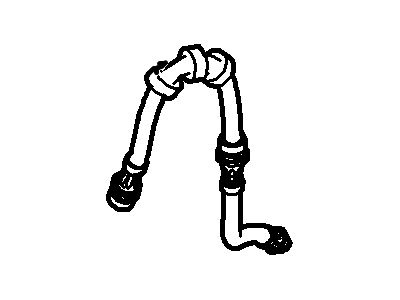
Ford Front Hose
Part Number: BL8Z-2078-A$51.04 MSRP: $82.69You Save: $31.65 (39%)Ships in 1 Business DayProduct Specifications- Other Name: Hose Assembly - Brake; Brake Hose, Flex Hose, Front Flex Hose
- Replaces: 8L8Z-2078-A, 9L8Z-2078-A, 8L8Z-2078-B
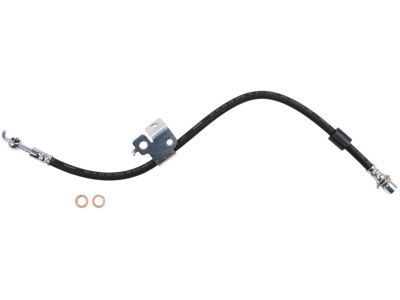
Ford Brake Hose
Part Number: CL3Z-2078-D$73.09 MSRP: $118.40You Save: $45.31 (39%)Ships in 1-3 Business DaysProduct Specifications- Other Name: Hose Assembly - Brake; Brake Hose, Flex Hose
- Position: Passenger Side
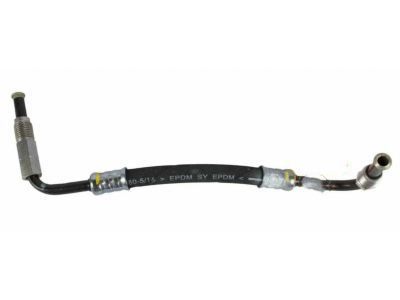
Ford Brake Tube Assembly
Part Number: BC3Z-2C294-A$77.97 MSRP: $126.32You Save: $48.35 (39%)Ships in 1-3 Business DaysProduct Specifications- Other Name: Tube Assembly - Brake
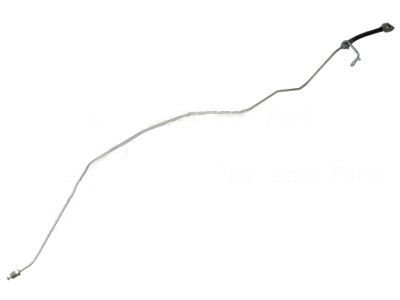
 Product Specifications
- Other Name: Tube Assembly - Brake; Brake Hose
- Position: Passenger Side
| Page 1 of 100 |Next >
1-20 of 1989 Results
Ford Brake Line Parts Questions & Experts Answers
- Q:What precautions should be taken when disconnecting the brake line equipped with a four-wheel Anti-lock Brake System (ABS) on Ford Ranger?A:If the vehicle is equipped with a four-wheel Anti-lock Brake System (ABS), plug the brake line immediately after disconnecting it from the brake hose to prevent fluid from draining and air from entering the Hydraulic Control Unit (HCU), as bleeding the HCU requires an expensive tool. Inspect the rubber hoses connecting the steel brake lines to the front and rear brake assemblies every six months while the vehicle is securely raised on jackstands, checking for cracks, chafing, leaks, and blisters; replace any damaged hoses. To replace a flexible hose, use a flare nut wrench to disconnect the brake line from the hose fitting without bending the frame bracket or brake line, holding the fitting with a wrench to prevent twisting. Remove the large retaining clip to detach the hose from the bracket and body, and plug the metal brake line immediately to avoid air entering the HCU. Remove the banjo bolt from the caliper, discard the sealing washers, and connect the new hose to the caliper with new sealing washers, tightening the banjo bolt to the specified torque. Connect the other end of the line to the bracket on the chassis without twisting the hose, then connect the metal brake line to the hose fitting by hand and tighten securely with a flare nut wrench, ensuring no kinks in the hose and that it does not contact any suspension parts. When replacing brake lines, use the correct steel parts and avoid copper tubing; prefabricated brake lines with flared ends and fittings are available at auto parts stores. Ensure the new line is securely supported and has clearance from moving or hot components, check the master cylinder fluid level after installation, and bleed the brake system before carefully testing the brakes in traffic.
Related Ford Parts
 Ford ABS Control Module
 Ford Brake Booster
 Ford Brake Caliper
 Ford Wheel Seal
 Ford ABS Sensor
 Ford Parking Brake Cable
 Ford Brake Master Cylinder
 Ford Brake Bleeder Screw
 Ford Brake Drum
Browse by Model
Aerostar Brake Line Bronco Brake Line Bronco Sport Brake Line C-Max Brake Line Contour Brake Line Crown Victoria Brake Line E-150 Brake Line E-250 Brake Line E-350/E-350 Super Duty Brake Line E-450 Super Duty Brake Line E-550 Super Duty Brake Line E-Transit Brake Line Econoline Super Duty(1996-1999) Brake Line EcoSport Brake Line Edge Brake Line Escape Brake Line Escort Brake Line Excursion Brake Line Expedition Brake Line Explorer Brake Line Explorer Sport Brake Line Explorer Sport Trac Brake Line F Super Duty Brake Line F-150 Brake Line F-150 Lightning Brake Line F-250 Brake Line F-250 Super Duty Brake Line F-350 Brake Line F-350 Super Duty Brake Line F-450 Super Duty Brake Line F-550 Super Duty Brake Line F53 Brake Line F53 Stripped Chassis Brake Line F59 Brake Line Fiesta Brake Line Five Hundred Brake Line Flex Brake Line Focus Brake Line Freestar Brake Line Freestyle Brake Line Fusion Brake Line GT Brake Line Maverick Brake Line Mustang Brake Line Mustang Mach-E Brake Line Police Interceptor Sedan Brake Line Police Interceptor Utility Brake Line Police Responder Hybrid Brake Line Probe Brake Line Ranger Brake Line SSV Plug-In Hybrid Brake Line Taurus Brake Line Taurus X Brake Line Tempo Brake Line Thunderbird Brake Line Transit Brake Line Transit Connect Brake Line Windstar Brake Line