

My Garage
My Account
Cart
Genuine Ford Brake Booster
Brake Power Booster- Select Vehicle by Model
- Select Vehicle by VIN
Select Vehicle by Model
orMake
Model
Year
Select Vehicle by VIN
For the most accurate results, select vehicle by your VIN (Vehicle Identification Number).
303 Brake Boosters found
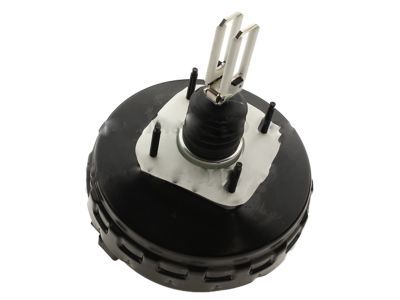
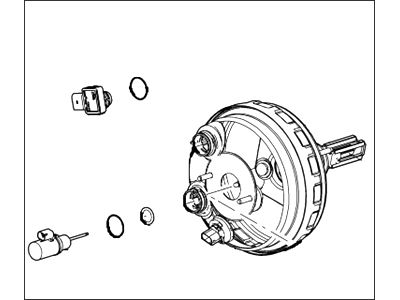 Product Specifications
- Other Name: Booster Assembly - Brake; Booster, Brake Booster
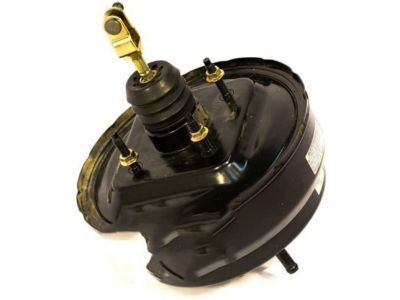
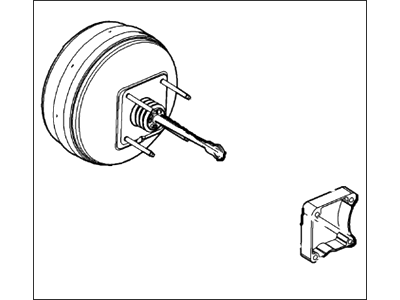
Ford Power Booster
Part Number: AE9Z-2005-A$195.00 MSRP: $270.89You Save: $75.89 (29%)Ships in 1-2 Business DaysProduct Specifications- Other Name: Booster Assembly - Brake; Brake Booster, Power Booster
- Manufacturer Note: When Replacing This Component, 2L523 Has To Be Replaced
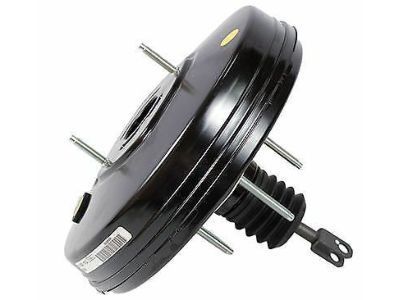
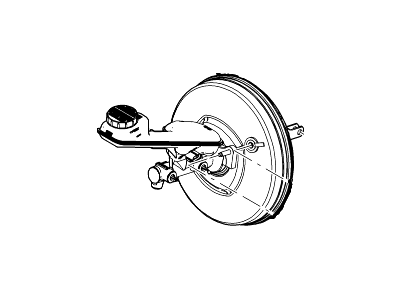
Ford Power Booster
Part Number: CT4Z-2005-A$184.07 MSRP: $298.18You Save: $114.11 (39%)Ships in 1-2 Business DaysProduct Specifications- Other Name: Booster Assembly - Brake; Brake Booster, Power Booster
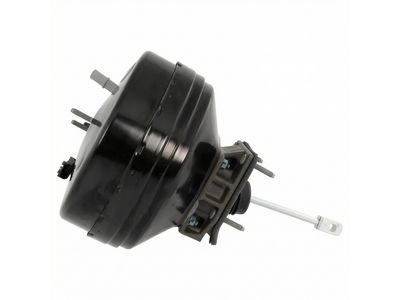
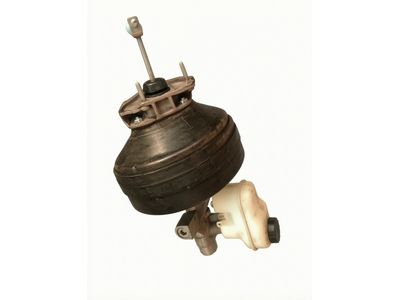
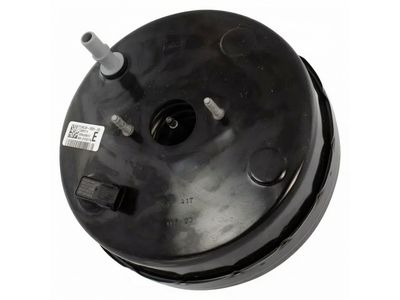
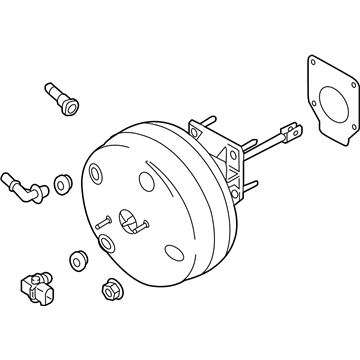
Ford Brake Booster
Part Number: HL3Z-2005-G$88.71 MSRP: $151.45You Save: $62.74 (42%)Ships in 1-2 Business DaysProduct Specifications- Other Name: Booster Assembly - Brake; Booster, Brake Booster
- Replaces: BRB-160, HL3Z-2005-E
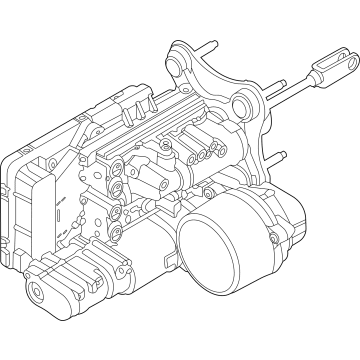
Ford Brake Booster
Part Number: PL3Z-2005-F$1564.58 MSRP: $2576.73You Save: $1012.15 (40%)Ships in 1-2 Business DaysProduct Specifications- Other Name: Booster Assembly - Brake; Booster, Booster Assembly, Brake Booster
- Replaces: NL3Z-2005-A, ML3Z-2005-X, ML3Z-2005-U, ML3Z-2005-V, ML3Z-2005-W, PL3Z-2005-B, NL3Z-2005-B, PL3Z-2005-A, PL3Z-2005-D, PL3Z-2005-E
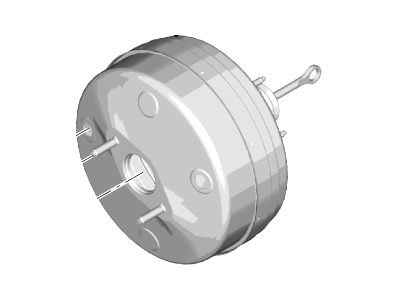
Ford Brake Booster
Part Number: CK4Z-2005-C$206.41 MSRP: $287.27You Save: $80.86 (29%)Ships in 1-3 Business DaysProduct Specifications- Other Name: Booster Assembly - Brake; Booster, Brake Booster
- Replaces: CK4Z-2005-B, CK4Z-2005-A, BRB-124, BRB-161
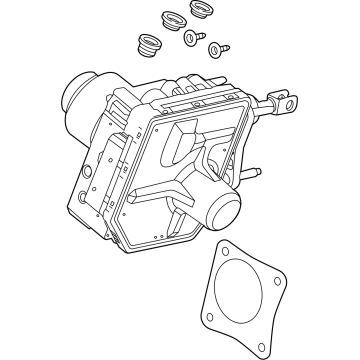
Ford Brake Booster
Part Number: PZ1Z-2005-M$659.09 MSRP: $1085.45You Save: $426.36 (40%)Ships in 1-2 Business DaysProduct Specifications- Other Name: Booster Assembly - Brake; Booster, Brake Booster
- Replaces: PZ1Z-2005-E, PZ1Z-2005-A, PZ1Z-2005-G, PZ1Z-2005-K
 Product Specifications
- Other Name: Booster Assembly - Brake; Booster Assembly, Brake Booster
- Replaces: BRB-107, CV6Z-2005-G, CV6Z-2005-D, BRB-66
Ford Brake Booster Assembly
Part Number: PZ1Z-2005-K$659.09 MSRP: $1085.45You Save: $426.36 (40%)Ships in 1-2 Business DaysProduct Specifications- Other Name: Booster Assembly - Brake; Booster, Booster Assembly, Brake Booster
- Replaced by: PZ1Z-2005-M
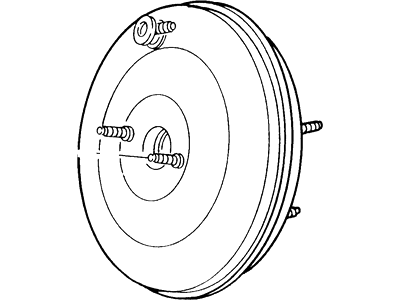 Product Specifications
- Other Name: Booster Assembly - Brake; Brake Booster
- Product Specifications
- Other Name: Booster Assembly - Brake
- Replaced by: CK4Z-2005-C
Ford Brake Booster Assembly
Part Number: HL3Z-2005-E$88.71 MSRP: $151.45You Save: $62.74 (42%)Ships in 1-2 Business DaysProduct Specifications- Other Name: Booster Assembly - Brake
- Replaced by: HL3Z-2005-G
- Product Specifications
- Other Name: Booster Assembly - Brake
- Replaced by: CV6Z-2005-H
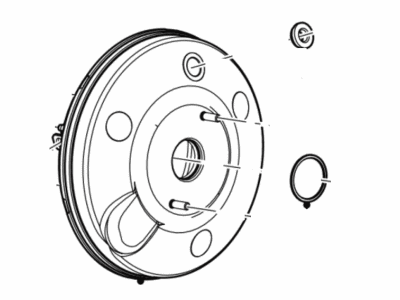
Ford Brake Booster Assembly
Part Number: AV6Z-2005-C$166.72 MSRP: $281.99You Save: $115.27 (41%)Ships in 1-3 Business DaysProduct Specifications- Other Name: Booster Assembly - Brake
- Replaced by: AV6Z-2005-L
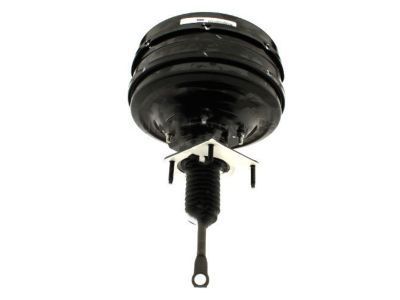
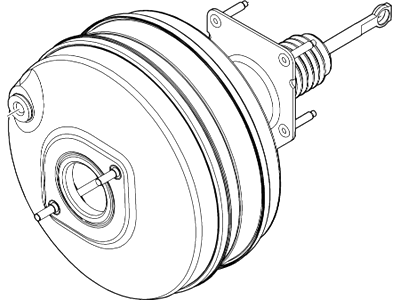 Product Specifications
- Other Name: Booster Assembly - Brake; Booster, Brake Booster
- Replaces: 5C3Z-2005-AC, 8C3Z-2005-A, 6C3Z-2005-AB, BRB-16
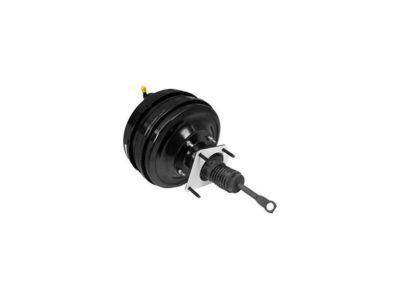
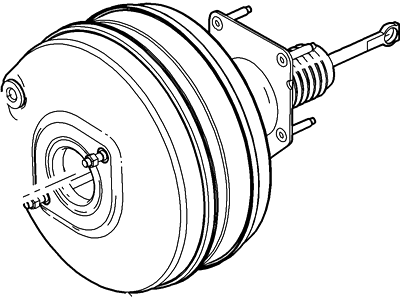 Product Specifications
- Other Name: Booster Assembly - Brake; Brake Booster
- Replaced by: 8C3Z-2005-B
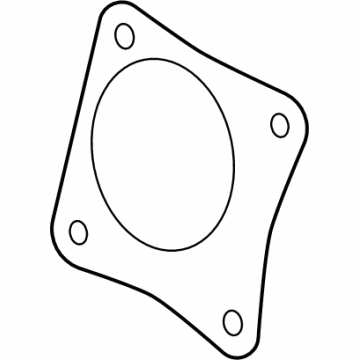 Product Specifications
- Other Name: BOOSTER ASY - BRAKE; Booster, Booster Assembly, Brake Booster
- Replaces: BRB-295, LX6Z-2005-R
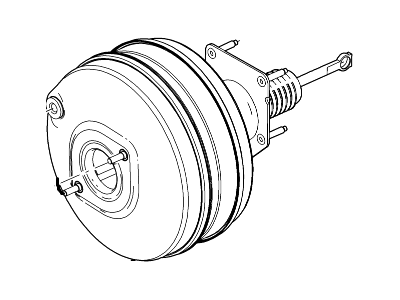 Product Specifications
- Other Name: Booster Assy - Brake
- Replaced by: 8C3Z-2005-B
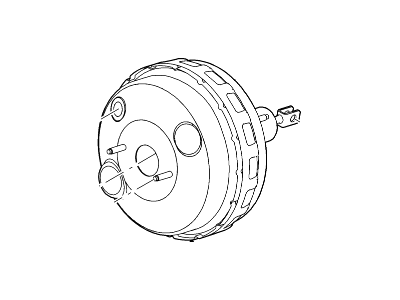 Product Specifications
- Other Name: Kit - Brake Booster Repair
- Replaced by: 9L8Z-2005-A
- Product Specifications
- Other Name: Booster Assy - Brake
- Replaced by: 8C3Z-2005-B
| Page 1 of 16 |Next >
1-20 of 303 Results
Ford Brake Booster Parts Questions & Experts Answers
- Q:How to check, remove, install, and adjust the power brake booster unit on Ford Ranger?A:The power brake booster unit requires no special maintenance apart from periodic inspection of the vacuum hose and the case. Dismantling the brake booster requires special tools and should not be attempted by the home mechanic; if a problem arises, a new or factory rebuilt unit should be installed. To check the power booster, begin by depressing the brake pedal several times with the engine running, ensuring no change in the pedal reserve distance, which is the distance between the pedal and the floor when fully depressed. After turning off the engine, slowly depress the brake pedal; if it goes down farther initially but rises after subsequent depressions, the booster is airtight. Depressing the pedal and starting the engine should result in a slight drop of the pedal for normal operation. If the pedal remains depressed for about 30 seconds without a change in reserve distance after stopping the engine, the booster is airtight. A "hard" pedal when the engine is running indicates improper booster operation or a vacuum leak in the hose. For removal, detach the master cylinder from the booster, being cautious not to bend the brake lines, and unplug the electrical connector from the brake light switch and cruise control switch if equipped. Remove the pushrod retaining clip and nylon washer, then detach the booster from the firewall and lift it out of the engine compartment. For installation, position the booster on the firewall, tighten the mounting nuts, connect the pushrod and brake light switch, and install the master cylinder, ensuring proper torque. Before driving, check the operation of the brakes. Some boosters may have an adjustable pushrod, typically matched at the factory, but if adjustment is needed, a gauge can be fabricated from heavy gauge sheet metal. Symptoms of a misadjusted pushrod include dragging brakes or excessive brake pedal travel with a groaning sound. To check the pushrod length, unbolt the master cylinder and position it aside without disconnecting hydraulic lines. Apply vacuum to the booster with a hand-held vacuum pump, then use the pushrod gauge to ensure proper seating of the pushrod. Adjust as necessary, and after completing the adjustment, reinstall the master cylinder and verify proper brake operation before driving.
Related Ford Parts
 Ford Brake Controller
 Ford Brake Proportioning Valve
 Ford Brake Master Cylinder
 Ford Brake Master Cylinder Repair Kit
 Ford Brake Fluid Level Sensor
Browse by Model
Aspire Brake Booster Bronco Brake Booster Bronco Sport Brake Booster C-Max Brake Booster Contour Brake Booster Crown Victoria Brake Booster E-150 Brake Booster E-250 Brake Booster E-350/E-350 Super Duty Brake Booster E-450 Super Duty Brake Booster E-550 Super Duty Brake Booster E-Transit Brake Booster Econoline Super Duty(1996-1999) Brake Booster EcoSport Brake Booster Edge Brake Booster Escape Brake Booster Escort Brake Booster Excursion Brake Booster Expedition Brake Booster Explorer Brake Booster Explorer Sport Brake Booster Explorer Sport Trac Brake Booster F Super Duty Brake Booster F-150 Brake Booster F-150 Lightning Brake Booster F-250 Brake Booster F-250 Super Duty Brake Booster F-350 Brake Booster F-350 Super Duty Brake Booster F-450 Super Duty Brake Booster F-550 Super Duty Brake Booster F53 Brake Booster F53 Stripped Chassis Brake Booster Fiesta Brake Booster Five Hundred Brake Booster Flex Brake Booster Focus Brake Booster Freestar Brake Booster Freestyle Brake Booster Fusion Brake Booster GT Brake Booster Maverick Brake Booster Mustang Brake Booster Mustang Mach-E Brake Booster Police Interceptor Sedan Brake Booster Police Interceptor Utility Brake Booster Police Responder Hybrid Brake Booster Probe Brake Booster Ranger Brake Booster SSV Plug-In Hybrid Brake Booster Taurus Brake Booster Taurus X Brake Booster Thunderbird Brake Booster Transit Brake Booster Transit Connect Brake Booster Windstar Brake Booster