

My Garage
My Account
Cart
Genuine Ford Brake Master Cylinder
- Select Vehicle by Model
- Select Vehicle by VIN
Select Vehicle by Model
orMake
Model
Year
Select Vehicle by VIN
For the most accurate results, select vehicle by your VIN (Vehicle Identification Number).
292 Brake Master Cylinders found
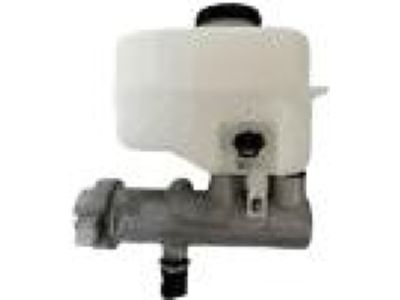
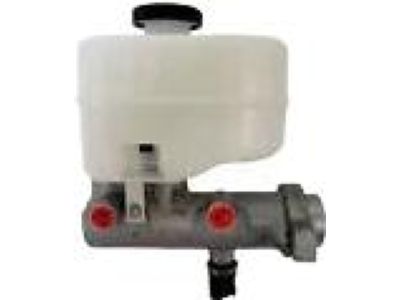
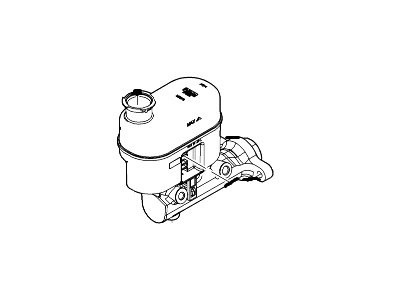
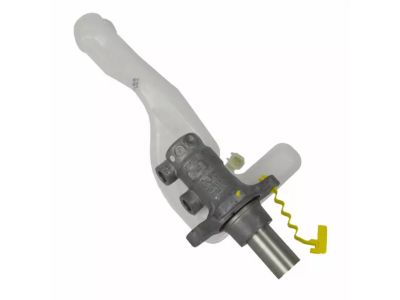
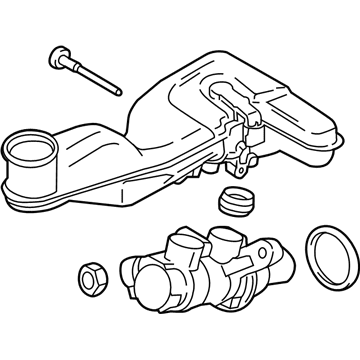
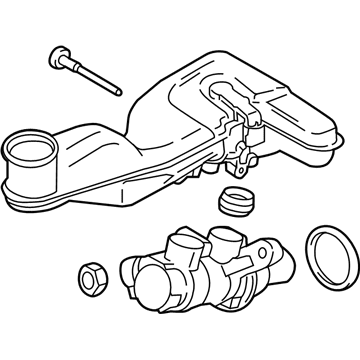
Ford Master Cylinder Assembly
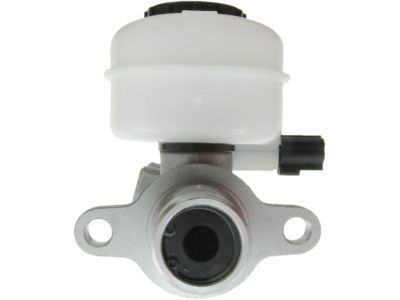
Part Number: DC3Z-2140-B$225.78 MSRP: $385.45You Save: $159.67 (42%)Ships in 1-2 Business DaysProduct Specifications- Other Name: Cylinder Assy - Master; Master Cylinder
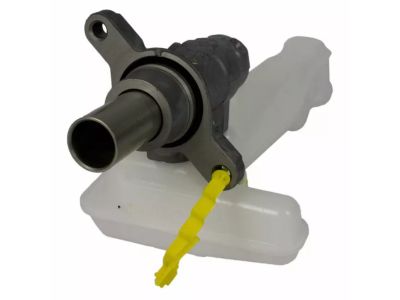
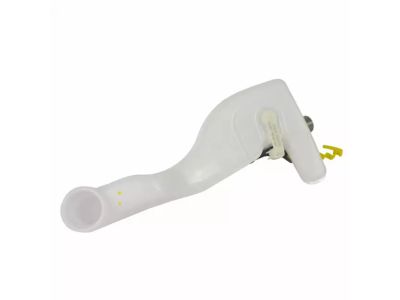
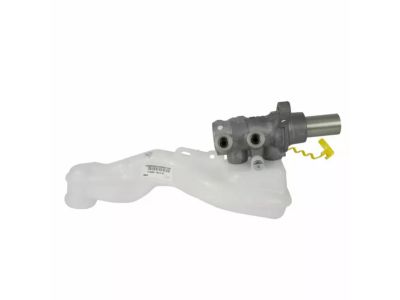
 Product Specifications
- Other Name: Kit - Master Cylinder Repair; Master Cylinder
- Replaced by: J2GZ-2140-A

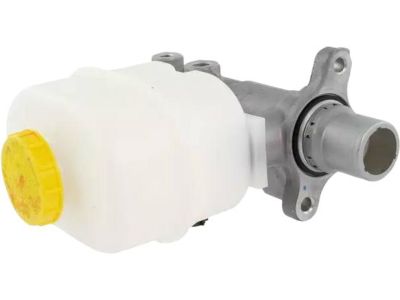
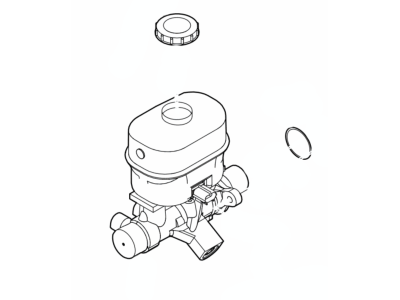 Product Specifications
- Other Name: Cylinder Assy - Master
- Replaced by: HL1Z-2140-B
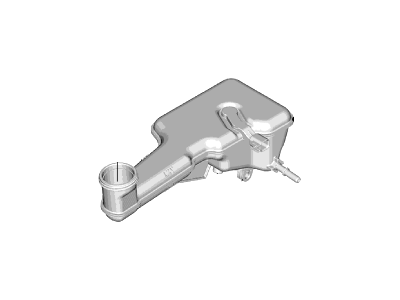
Ford Master Cylinder Repair Kit
Part Number: J2GZ-2140-A$88.45 MSRP: $151.00You Save: $62.55 (42%)Ships in 1-3 Business DaysProduct Specifications- Other Name: KIT - MASTER CYLINDER REPAIR; Master Cylinder
- Replaces: BRMC-228, F2GZ-2140-A, F2GZ-2140-B, BRMC-311
Ford Master Cylinder Repair Kit
Part Number: DG9Z-2140-A$193.82 MSRP: $295.15You Save: $101.33 (35%)Product Specifications- Other Name: Kit - Master Cylinder Repair; Master Cylinder
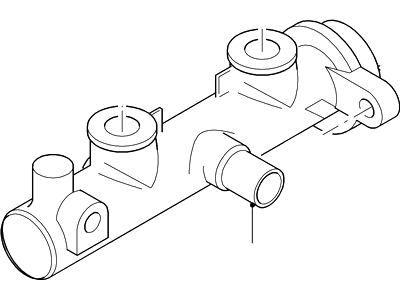
Ford Master Cylinder Assembly
Part Number: 6L5Z-2140-AA$123.79 MSRP: $200.53You Save: $76.74 (39%)Ships in 1-2 Business DaysProduct Specifications- Other Name: Cylinder Assy - Master; Master Cylinder
- Replaces: YL2Z-2140-AA
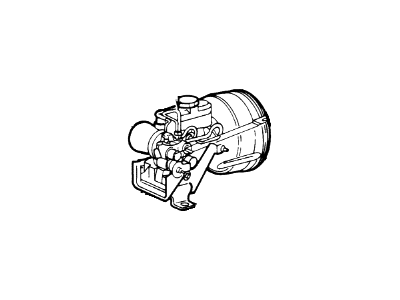
Ford Master Cylinder Assembly
Part Number: F5TZ-2140-B$302.46 MSRP: $619.64You Save: $317.18 (52%)Ships in 1-2 Business DaysProduct Specifications- Other Name: Cylinder Assy - Master
- Manufacturer Note: Master cylinder w/proportioning valve, with booster - with speed control
- Replaced by: F5TZ-2004-C
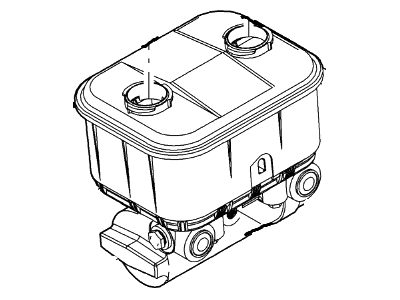
Ford Master Cylinder Assembly
Part Number: 6U9Z-2140-A$438.15 MSRP: $715.63You Save: $277.48 (39%)Ships in 1-3 Business DaysProduct Specifications- Other Name: Cylinder Assy - Master
- Replaced by: DU9Z-2140-F
Ford Master Cylinder Assembly
Part Number: YL2Z-2140-AA$123.79 MSRP: $200.53You Save: $76.74 (39%)Ships in 1-2 Business DaysProduct Specifications- Other Name: Cylinder Assy - Master
- Manufacturer Note: Master Cylinder, postal RHD
- Replaced by: 6L5Z-2140-AA
Ford Master Cylinder Assembly
Part Number: DU9Z-2140-B$438.15 MSRP: $715.63You Save: $277.48 (39%)Ships in 1-3 Business DaysProduct Specifications- Other Name: Cylinder Assy - Master
- Replaced by: DU9Z-2140-F
Ford Master Cylinder Assembly
Part Number: 4C3Z-2140-AA$438.15 MSRP: $715.63You Save: $277.48 (39%)Ships in 1-3 Business DaysProduct Specifications- Other Name: Cylinder Assy - Master
- Replaced by: DU9Z-2140-F
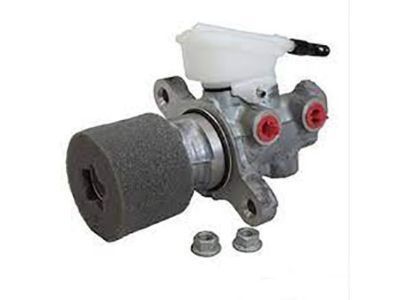
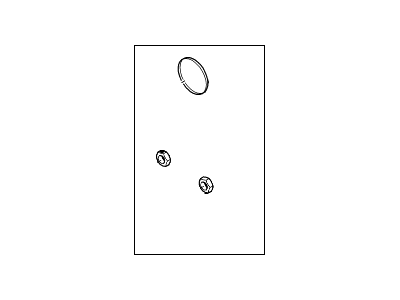 Product Specifications
- Other Name: Kit - Master Cylinder Repair; Master Cylinder
- Replaces: 9S4Z-2140-B, BRMC-140
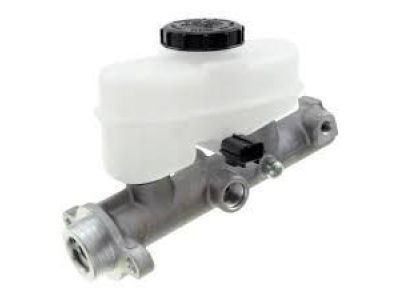
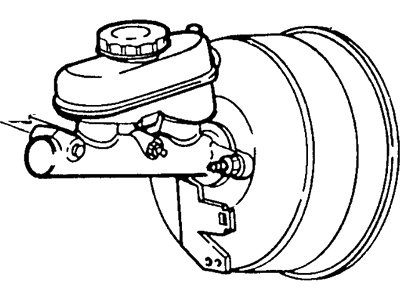 Product Specifications
- Other Name: Cylinder Assy - Master; Master Cylinder
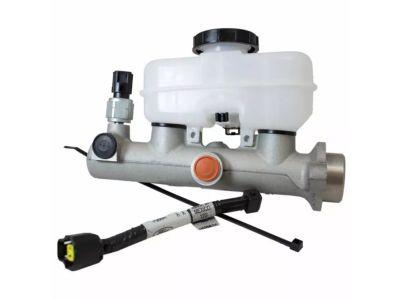
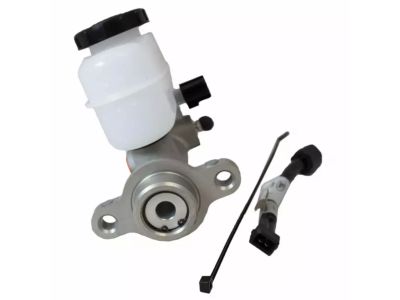
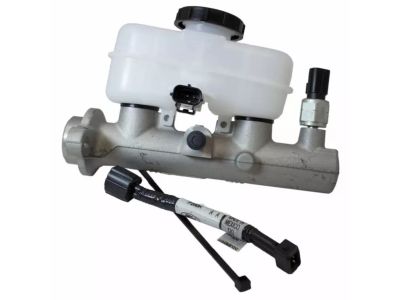
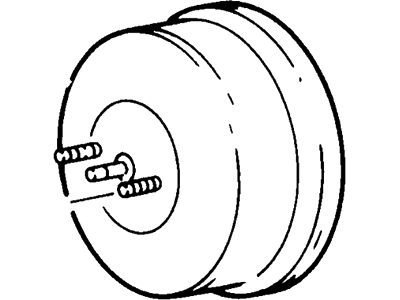 Product Specifications
- Other Name: Cylinder Assy - Master
- Replaced by: F87Z-2004-B

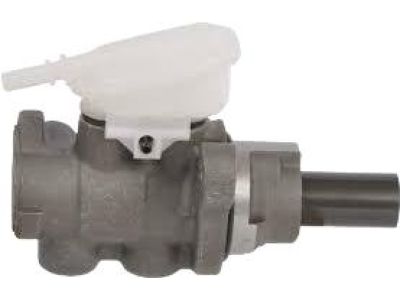
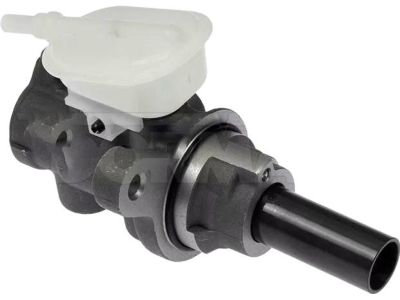
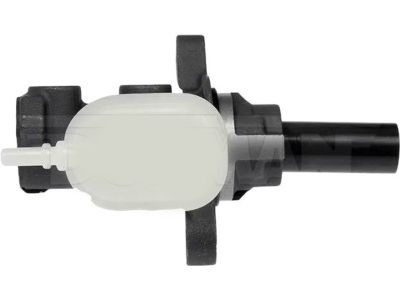 Product Specifications
- Other Name: Kit - Master Cylinder Repair
- Replaced by: AS4Z-2140-A
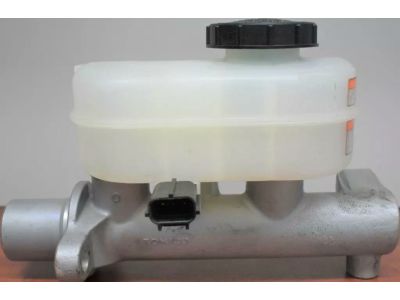
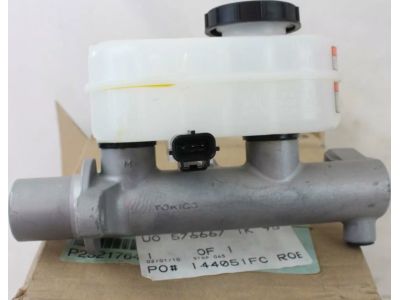
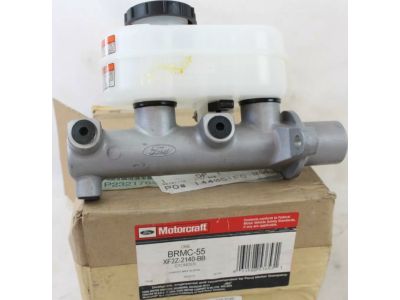
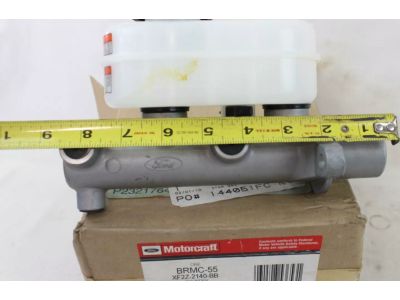
 Product Specifications
- Other Name: Cylinder Assy - Master; Master Cylinder
- Manufacturer Note: Master cylinder, w/o anti-spin traction brakes - rear drum - with booster ID# XF22-2B195-BE and XF22-2B195-BC
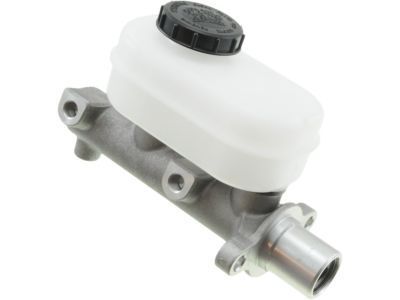
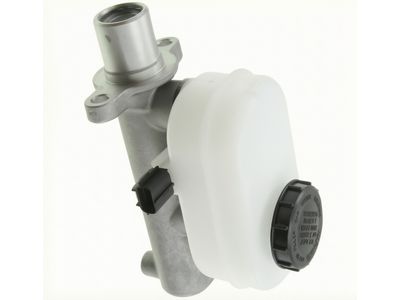
 Product Specifications
- Other Name: Cylinder Assy - Master; Master Cylinder
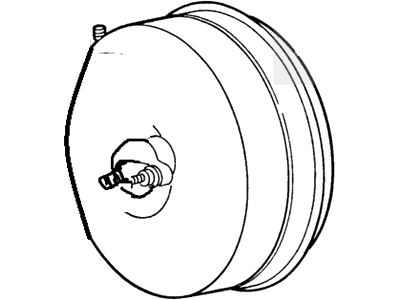
- Manufacturer Note: Master cylinder, w/ anti-spin traction brakes - rear drum - with booster ID# XF22-2B195-CC/CD/CE
 Product Specifications
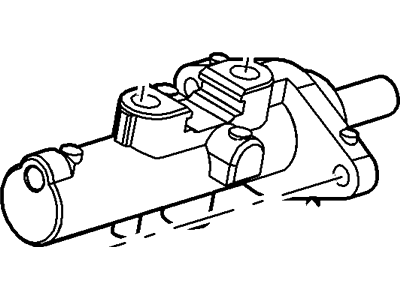
- Other Name: Cylinder Assy - Master; Master Cylinder
 Product Specifications
- Other Name: Kit - Master Cylinder Repair; Master Cylinder
- Product Specifications
- Other Name: Cylinder Assy - Master
| Page 1 of 15 |Next >
1-20 of 292 Results
Ford Brake Master Cylinder Parts Questions & Experts Answers
- Q:How to remove, overhaul, and install the Brake Master Cylinder on a Ford Ranger?A:To remove the Brake Master Cylinder, place rags under the brake line fittings and prepare caps or plastic bags to cover the ends of the lines after disconnection, taking care to avoid spilling brake fluid, which can damage paint. Unscrew the tube nuts at the ends of the brake lines using a flare-nut wrench to prevent rounding off the flats. Pull the brake lines slightly away from the Brake Master Cylinder and plug the ends to prevent contamination. Disconnect the brake warning light electrical connector if equipped, remove the two mounting nuts, and detach the Brake Master Cylinder from the vehicle. Remove the reservoir cap and discard any remaining fluid. For overhaul, mount the Brake Master Cylinder in a vise, remove the primary piston snap-ring, and extract the primary piston assembly. Remove the secondary piston assembly, possibly inverting the Brake Master Cylinder and tapping it against a block of wood. If fluid has leaked past the reservoir grommets, pry the reservoir from the cylinder body, remove the grommets, and clean the components with brake system cleaner. Inspect the cylinder bore for corrosion or damage, replacing the Brake Master Cylinder if necessary. Lubricate new reservoir grommets with silicone grease or clean brake fluid, press them into the Brake Master Cylinder body, and then press the Brake Master Cylinder body onto the reservoir. Lubricate the cylinder bore and piston assemblies with clean brake fluid, insert the secondary piston assembly, and install the primary piston assembly with the snap-ring. Inspect the reservoir cap and diaphragm for damage, replacing any faulty parts. When the Brake Master Cylinder is removed, the hydraulic system must be bled, which can be expedited by filling and bench bleeding the Brake Master Cylinder before installation. Insert threaded plugs into the cylinder outlet holes, fill the reservoirs with brake fluid, and loosen one plug at a time to expel air from the Brake Master Cylinder. Stroke the piston several times for each outlet to ensure all air is expelled, using an alternative method to keep air from being drawn back in. Refill the Brake Master Cylinder reservoirs and install the diaphragm and cap assembly. For installation on 2002 and earlier models, apply a vacuum to the power booster and adjust the pushrod length as needed before carefully installing the Brake Master Cylinder and bleeding the brakes.

Related Ford Parts
 Ford Brake Booster
 Ford Brake Controller
 Ford Brake Proportioning Valve
 Ford Brake Master Cylinder Repair Kit
 Ford Brake Fluid Level Sensor
Browse by Model
Bronco Brake Master Cylinder Bronco Sport Brake Master Cylinder C-Max Brake Master Cylinder Contour Brake Master Cylinder Crown Victoria Brake Master Cylinder E-150 Brake Master Cylinder E-250 Brake Master Cylinder E-350/E-350 Super Duty Brake Master Cylinder E-450 Super Duty Brake Master Cylinder E-550 Super Duty Brake Master Cylinder E-Transit Brake Master Cylinder Econoline Super Duty(1996-1999) Brake Master Cylinder EcoSport Brake Master Cylinder Edge Brake Master Cylinder Escape Brake Master Cylinder Escort Brake Master Cylinder Expedition Brake Master Cylinder Explorer Brake Master Cylinder Explorer Sport Brake Master Cylinder Explorer Sport Trac Brake Master Cylinder F Super Duty Brake Master Cylinder F-150 Brake Master Cylinder F-250 Brake Master Cylinder F-250 Super Duty Brake Master Cylinder F-350 Brake Master Cylinder F-350 Super Duty Brake Master Cylinder F-450 Super Duty Brake Master Cylinder F-550 Super Duty Brake Master Cylinder F53 Brake Master Cylinder F53 Stripped Chassis Brake Master Cylinder F59 Brake Master Cylinder Fairmont Brake Master Cylinder Fiesta Brake Master Cylinder Five Hundred Brake Master Cylinder Flex Brake Master Cylinder Focus Brake Master Cylinder Freestar Brake Master Cylinder Freestyle Brake Master Cylinder Fusion Brake Master Cylinder Granada Brake Master Cylinder GT Brake Master Cylinder Maverick Brake Master Cylinder Mustang Brake Master Cylinder Police Interceptor Sedan Brake Master Cylinder Police Interceptor Utility Brake Master Cylinder Police Responder Hybrid Brake Master Cylinder Ranger Brake Master Cylinder SSV Plug-In Hybrid Brake Master Cylinder Taurus Brake Master Cylinder Taurus X Brake Master Cylinder Tempo Brake Master Cylinder Thunderbird Brake Master Cylinder Transit Brake Master Cylinder Transit Connect Brake Master Cylinder Windstar Brake Master Cylinder