Make sure this part fits

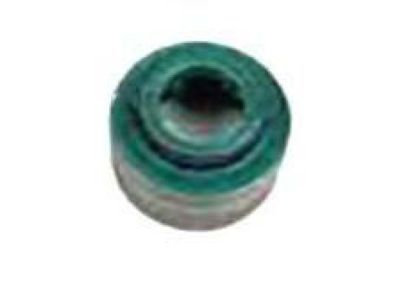
Mercury E6TZ-6571-A Valve Stem Seal

1988-1989 Mercury E6TZ6571A

Customer Questions & Expert Answers (12)
E6TZ-6571-A Ford Valve Stem Seal Product Photo 1 of 1
  • Part Description
    Seal - Valve Stem
  • Base No.
    6571
  • Manufacturer
    Ford
Make sure this part fits
$1.43 MSRP: $2.03
You Save: $0.60 (30%)
Currently Unavailable

Due to manufacturer supply shortage, this item isn't currently available for ordering.

  • Related Parts
  • Specifications
  • Fitment
  • Q&A
  • Product Specifications

    BrandGenuine Mercury
    Base No.6571
    Manufacturer Part NumberE6TZ-6571-A, E6TZ6571A
    Part DescriptionSeal - Valve Stem
    Other NamesValve Seals
    Manufacturer NoteOHV
    Item Weight0.40 Pounds
    ConditionNew
    Fitment TypeDirect Replacement
    Require Quantity12
    ManufacturerFord
    SKUE6TZ-6571-A
    WarrantyThis genuine Ford part is guaranteed by Ford's factory warranty.
    Shipping & ReturnShipping Policy Return Policy
    Warning: California's Proposition 65
  • Vehicle Fitment

    Year Make Model Engine Important vehicle option details
    1988-1989 Mercury Cougar6 Cyl 3.8L, 8 Cyl 5.0L4AT AOD, 5MT
    1988-1989 Mercury Grand Marquis8 Cyl 5.0L, 8 Cyl 5.8L4AT AOD
    1988-1989 Mercury Sable6 Cyl 3.0L, 6 Cyl 3.8L4AT AXOD
    1988-1989 Mercury Topaz4 Cyl 2.3L3AT ATX, 5MT
    1988-1989 Mercury Tracer4 Cyl 1.6L3AT ATX, 4MT, 5MT
  • Customer Questions & Expert Answers

    Q:
    I would like to know is this part gonna fit with my car Posted by FordPartsGiant Specialist
    A:
    You can Select Your Vehicle to check if E6TZ-6571-A fits your vehicle.
    Posted by FordPartsGiant Specialist
    Q:
    How can broken valve springs and defective valve stem seals be replaced without removing the cylinder heads on Ford Thunderbird? Posted by Customer
    A:
    Cylinder head removal is not always necessary to replace broken valve springs and or defective valve stem seals as these jobs usually require the use of only two tools and compressed air. In absence of compressed air one can use a length of nylon rope so that the valves do not fall into the cylinder. Start with the elimination of the valve cover of the cylinder head in question and, if all valve stem seals are to be changed, both covers should be removed. Second, take off the spark plug of the cylinder containing the faulty component and if replacing all seals thus take off all spark plugs. Operate the crankshaft in a circular manner until the piston in the damaged cylinder is aligned at the top dead center on the compression stroke; do this cylinder by cylinder starting with cylinder one in the firing order sequence 1-4-2-5-3-6. Insert a spark plug thread an adapter into the spark plug hole and attach an air hose to it from a compressed air. If compressed air is not available, place the piston just prior to top dead center of the compression stroke and insert a long length of nylon string through the spark plug hole and into the combustion chamber until all of but one end of the string is pulled out for removal. Jam the shop rag into the cylinder head holes so that parts do not go into the engine, and using valve spring compressor, compress the spring/damper, then remove the keepers with the tips of a needle-nose plier or magnet. Pull off the spring retainer or rotator, the sleeve, the valve spring and the guide seal. If air pressure is not sufficient to close the valve it will cause valve face or the seat to wear and to address this; you will have to remove the cylinder head. Put a rubber band or tape around the upper part of the valve stem so it does not fall into the combustion chamber and then deflate the tire. Check for such things as on the valve stem that the head should not bind in the guide; if it does, the head will require removal to be fixed. Put the air pressure back on to lock the valve shut, then take out the tape or rubber band. Use a drop of engine oil on the valve stem and fit a new rubber suction cup to the stem; put the spring arrangement in place on the stem of the valve on another side. Screw in the valve spring retainer or rotator, squeeze the spring and put the keepers in the grooves, using the grease to maintain position if required. Withdraw the rope, if any used, and turn off the air hose and detach the adapter inserted into the spark plug hole. Last, fit the rocker arm(s) and the push rod(s), the spark plug(s) & wire(s) and the valve cover(s) tighten and start the engine look out for oil leakage and some unusual sound emanating from the valve cover part.

    Posted by FordPartsGiant Specialist
    Q:
    What tools and compressed air source are needed to replace broken valve springs or defective valve stem seals without removing the cylinder heads on Lincoln Mark VII Overhead valve (OHV)engines? Posted by Customer
    A:
    To replace broken valve springs or defective valve stem seals without removing the cylinder heads, specific tools and compressed air are needed. Remove valve cover(s) and spark plug(s) from affected cylinder. Ensure piston is at Top Dead Center on compression stroke. Thread adapter into spark plug hole and connect air hose from compressed air source. If no air pressure, insert nylon rope into combustion chamber to prevent valve drop. Remove rocker arm, fulcrum, and pushrod for affected valve. Apply compressed air to hold valves in place. Alternatively, with rope, stuff rags into cylinder head holes, use valve spring compressor to compress spring, remove keepers, and disassemble valve components. Inspect valve stem for damage, lubricate it, and install new valve guide seal. Reassemble valve components, release air pressure or rotate crankshaft, and reinstall rocker arm(s), pushrod(s), spark plug(s), and valve cover(s). Start and run engine, check for oil leaks and unusual sounds from valve cover area.
    Posted by FordPartsGiant Specialist
    Q:
    How can broken valve springs and defective valve stem seals be replaced without removing the cylinder heads on Mercury Cougar? Posted by Customer
    A:
    Cylinder head removal is not always necessary to replace broken valve springs and or defective valve stem seals as these jobs usually require the use of only two tools and compressed air. In absence of compressed air one can use a length of nylon rope so that the valves do not fall into the cylinder. Start with the elimination of the valve cover of the cylinder head in question and, if all valve stem seals are to be changed, both covers should be removed. Second, take off the spark plug of the cylinder containing the faulty component and if replacing all seals thus take off all spark plugs. Operate the crankshaft in a circular manner until the piston in the damaged cylinder is aligned at the top dead center on the compression stroke; do this cylinder by cylinder starting with cylinder one in the firing order sequence 1-4-2-5-3-6. Insert a spark plug thread an adapter into the spark plug hole and attach an air hose to it from a compressed air. If compressed air is not available, place the piston just prior to top dead center of the compression stroke and insert a long length of nylon string through the spark plug hole and into the combustion chamber until all of but one end of the string is pulled out for removal. Jam the shop rag into the cylinder head holes so that parts do not go into the engine, and using valve spring compressor, compress the spring/damper, then remove the keepers with the tips of a needle-nose plier or magnet. Pull off the spring retainer or rotator, the sleeve, the valve spring and the guide seal. If air pressure is not sufficient to close the valve it will cause valve face or the seat to wear and to address this; you will have to remove the cylinder head. Put a rubber band or tape around the upper part of the valve stem so it does not fall into the combustion chamber and then deflate the tire. Check for such things as on the valve stem that the head should not bind in the guide; if it does, the head will require removal to be fixed. Put the air pressure back on to lock the valve shut, then take out the tape or rubber band. Use a drop of engine oil on the valve stem and fit a new rubber suction cup to the stem; put the spring arrangement in place on the stem of the valve on another side. Screw in the valve spring retainer or rotator, squeeze the spring and put the keepers in the grooves, using the grease to maintain position if required. Withdraw the rope, if any used, and turn off the air hose and detach the adapter inserted into the spark plug hole. Last, fit the rocker arm(s) and the push rod(s), the spark plug(s) & wire(s) and the valve cover(s) tighten and start the engine look out for oil leakage and some unusual sound emanating from the valve cover part.

    Posted by FordPartsGiant Specialist
    Q:
    How is the valve spring and retainer installed for the 1997 Ford Explorer? Posted by Customer
    A:
    Install the spring in position over the valve, then install the valve spring retainer.
    Posted by FordPartsGiant Specialist
    See expert answers on similar Valve Stem Seal
    Q:
    What is the purpose of applying compressed air to the cylinder for the 1997 Ford Explorer? Posted by Customer
    A:
    The valves should be held in place by the air pressure.
    Posted by FordPartsGiant Specialist
    See expert answers on similar Valve Stem Seal
    Q:
    How are the valve springs compressed for the 1998 Ford Ranger? Posted by Customer
    A:
    Stuff shop rags into the cylinder head holes above and below the valves to prevent parts and tools from falling into the engine, then use a valve spring compressor to compress the spring. Remove the keepers with small needle-nose pliers or a magnet.
    Posted by FordPartsGiant Specialist
    See expert answers on similar Valve Stem Seal
    Q:
    How do you compress the valve spring assembly for the 1999 Ford Ranger? Posted by Customer
    A:
    Use a valve spring compressor to compress the spring/damper assembly. Remove the keepers with small needle-nose pliers or a magnet.
    Posted by FordPartsGiant Specialist
    See expert answers on similar Valve Stem Seal
    Q:
    What components can be replaced without removing the cylinder head for the 2000 Ford Ranger? Posted by Customer
    A:
    Broken valve springs and defective valve stem seals can be replaced without removing the cylinder head.
    Posted by FordPartsGiant Specialist
    See expert answers on similar Valve Stem Seal
    Q:
    What are the steps involved in the repair process using the air method for the 1989 Lincoln Mark VII? Posted by Customer
    A:
    The steps involved in the repair process using the air method include valve cover removal, cylinder TDC positioning, applying compressed air or rope to retain valve position, using specialized tools to compress the spring and remove various components, replacing valve stem seals, and reassembling the components in reverse order.
    Posted by FordPartsGiant Specialist
    See expert answers on similar Valve Stem Seal
    Q:
    What components should be removed next for the 1989 Lincoln Town Car? Posted by Customer
    A:
    The rocker arm, fulcrum, and pushrod for the affected valve should be removed.
    Posted by FordPartsGiant Specialist
    See expert answers on similar Valve Stem Seal
    Q:
    How do you remove the valve spring for the 1989 Mercury Grand Marquis? Posted by Customer
    A:
    Use a valve spring compressor to compress the spring, then remove the keepers with small needle-nose pliers or a magnet. Remove the spring retainer or rotator, sleeve (if used), and valve spring assembly.
    Posted by FordPartsGiant Specialist
    See expert answers on similar Valve Stem Seal
    If you have any questions about this product, please don't hesitate to ask us. We will be happy to help you!

Genuine Ford Part E6TZ-6571-A, the Right Choice

To ensure reliability, purchase part # E6TZ-6571-A Valve Stem Seal. It is also called Valve Stem Seal. OEM parts are of high quality and known for their longevity. This is because they are built to the Ford standards which are relatively high and undergo rigorous quality control testing. This part fits specific Mercury Cougar, Sable, Tracer models.

FordPartsGiant.com is a leading supplier of genuine components and accessories such as E6TZ6571A Valve Stem Seal. Looking to purchase quality low-cost OEM Ford parts? You have just found the right place. For detailed Mercury parts information, click here.

Why choose Ford Parts Giant

  • Dedicated Service

    Your complete satisfaction is our #1 goal

  • Lowest Prices

    Best deals on genuine OE parts from dealerships

  • Fast Delivery

    Orders are processed and delivered promptly