

My Garage
My Account
Cart
Genuine Ford Explorer Valve Stem Seal
Engine Valve Seal- Select Vehicle by Model
- Select Vehicle by VIN
Select Vehicle by Model
orMake
Model
Year
Select Vehicle by VIN
For the most accurate results, select vehicle by your VIN (Vehicle Identification Number).
12 Valve Stem Seals found
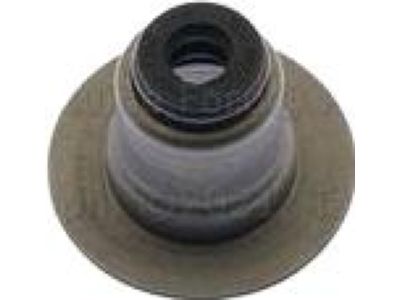
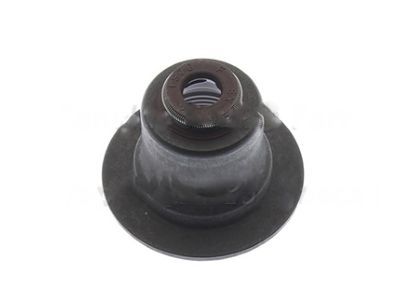
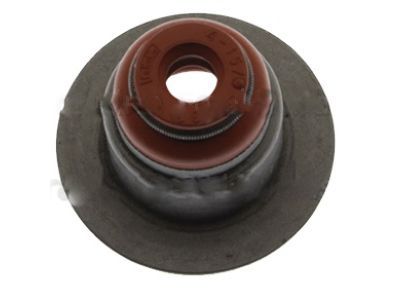
Ford Explorer Valve Stem Seal
Part Number: BL3Z-6571-A$2.63 MSRP: $3.75You Save: $1.12 (30%)Ships in 1-3 Business Days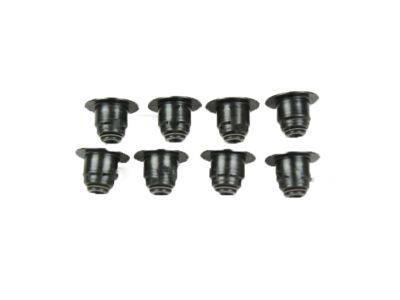
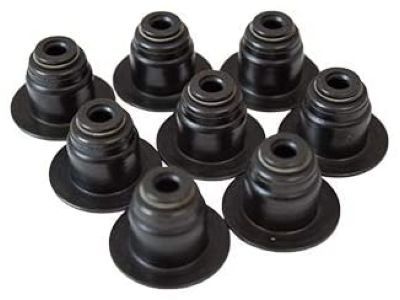
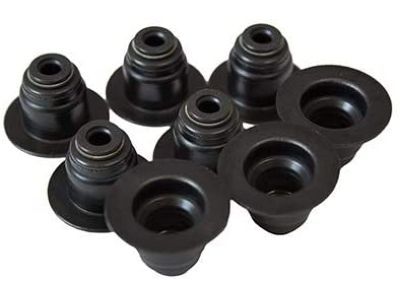
Ford Explorer Valve Stem Seal
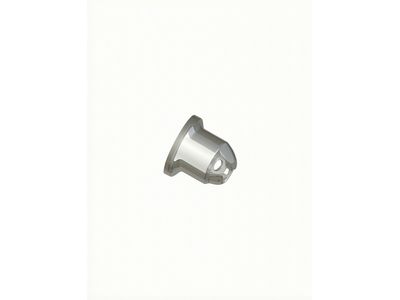
Part Number: 3L3Z-6571-DA$5.08 MSRP: $7.23You Save: $2.15 (30%)Ships in 1 Business Day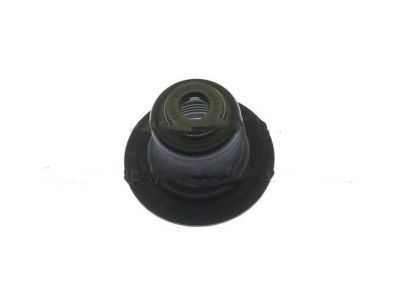
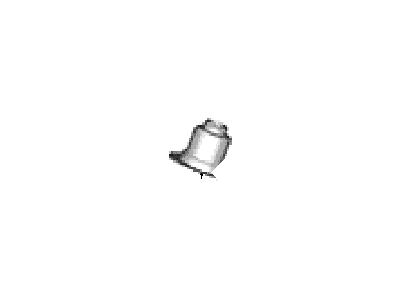
Ford Explorer Valve Spring Retainers
Part Number: 3S4Z-6571-A$5.01 MSRP: $7.13You Save: $2.12 (30%)Ships in 1-3 Business Days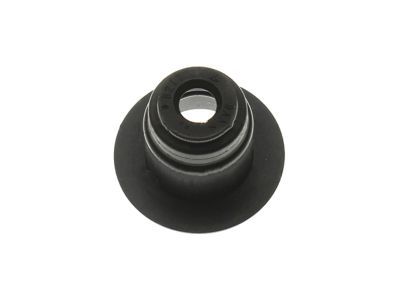
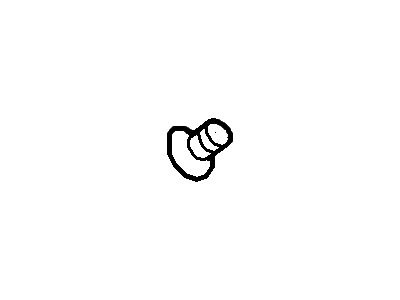
Ford Explorer Valve Stem Seal
Part Number: F6AZ-6571-AA$2.22 MSRP: $3.16You Save: $0.94 (30%)Ships in 1-3 Business Days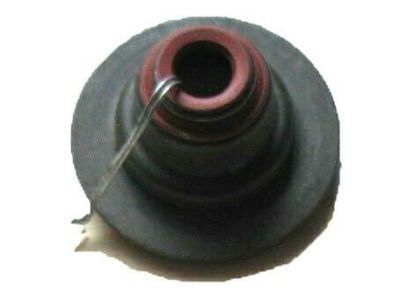
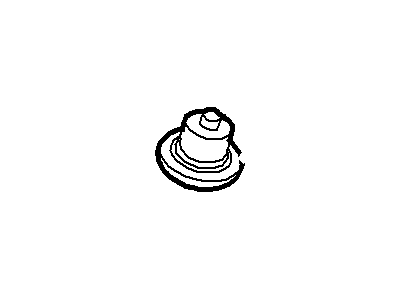
Ford Explorer Valve Stem Seal
Part Number: F77Z-6571-AB$4.61 MSRP: $6.57You Save: $1.96 (30%)Ships in 1-3 Business Days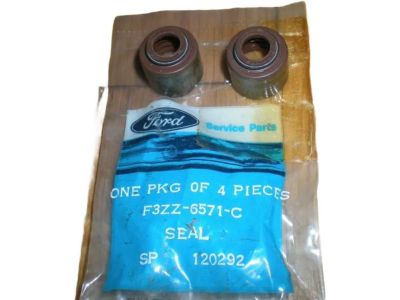
Ford Explorer Valve Stem Seal
Part Number: F3ZZ-6571-C$1.85 MSRP: $2.63You Save: $0.78 (30%)Ships in 1-3 Business Days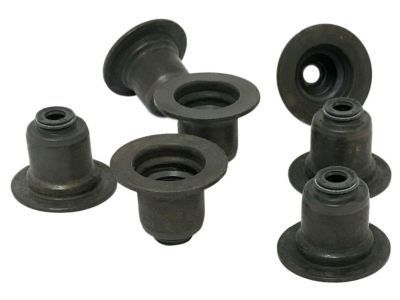
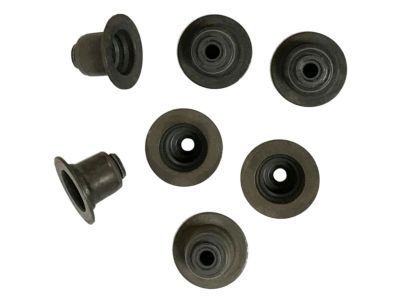
Ford Explorer Valve Stem Seal
Part Number: 1S7Z-6571-EA$5.41 MSRP: $7.70You Save: $2.29 (30%)Ships in 1-3 Business Days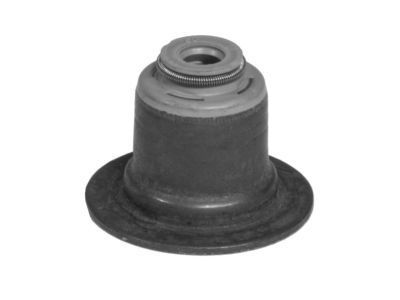
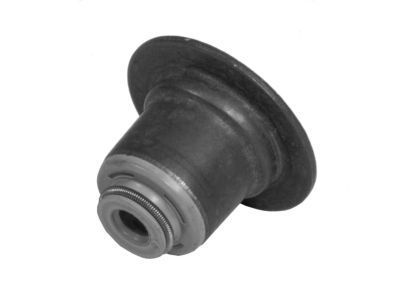
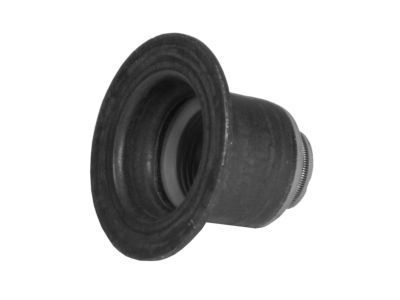
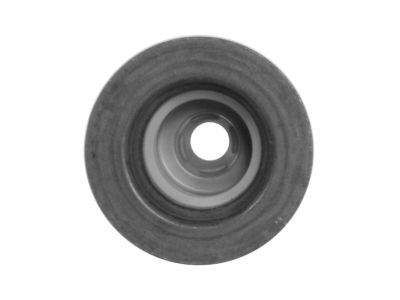
Ford Explorer Valve Stem Seal
Part Number: 3S4Z-6571-AA$5.01 MSRP: $7.13You Save: $2.12 (30%)Ships in 1-3 Business Days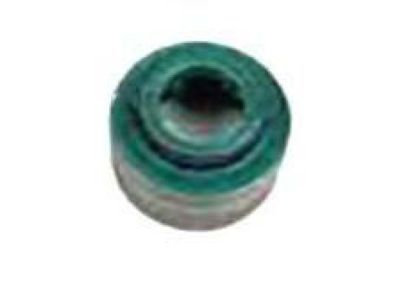

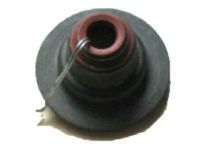
Ford Explorer Valve Stem Seal
Part Number: P2GZ-6571-A$4.29 MSRP: $6.12You Save: $1.83 (30%)Ships in 1-2 Business Days
Ford Explorer Valve Stem Seal
The Ford Explorer Valve Stem Seal ensures that engine oil stays in its assigned location. It also prevents oil from leaking into the combustion chamber while maintaining crisp compression and allowing clean burning power. The Valve Stem Seal embraced by every Ford-built Explorer engine around the moving valve stem is a tight interface that remains flexible enough to allow the stem to slide as the camshaft, pushrods, or overhead cam followers command each valve opening and closing. The Valve Stem Seal restricts oil use and permits movement in the process. This prevents the vehicle from producing blue gray exhaust smoke. It also curtails oil consumption. Finally, the cylinders can maintain their full compression to allow strong acceleration. Every generation of the Ford Explorer line features the same basic elastomer seal. Whether the SUV has an early overhead valve layout with lifters and rocker arms or later overhead cam hardware that drops pushrods altogether, drivers face no confusing style changes. Regular servicing of a high mileage Ford Explorer may detect tell-tale seal wear that needs timely replacement and keeps the Valve Stem Seal doing its basic but essential task. The Valve Stem Seal is crucial for optimal engine performance.
We provide a wide range of Ford Explorer Valve Stem Seal at the optimal prices. If you need Ford Explorer Valve Stem Seal, you can shop with confidence on our website. All our OEM parts come with a manufacturer's warranty and are delivered to your doorstep with a fast delivery service.
Ford Explorer Valve Stem Seal Parts Questions & Experts Answers
- Q:Can broken valve springs and defective valve stem seals be replaced without removing the cylinder heads in 4.0L SOHC V6 engine on Ford Explorer?A:The valve springs can break over time and the valve stem seals can become defective; in either case, the individual components can be swapped without having to remove the cylinder heads due to a second method recommended by the manufacturer which also does not require removing the camshaft although a special tool exclusive to the SOHC engine is used. It is a valve spring compressor that just uses the camshaft as the fulcrum and with the aid of a ratchet to compress the spring and take off tension on the valve stem locks. The second procedure requires the utilization of a more familiar tool, but the valve springs are designed in such a way that they are recessed, and as a consequence, most clamp-type spring compressors cannot be employed unless the cylinder head is detached. When the cylinder head is pulled off, a normal C-clamp-type compressor is used on the spring pockets with an extension. For this operation, a compressed air source is sometimes required, therefore it is recommended to assemble the required tools in advance. The procedure starts with the dismantling of the valve cover and spark plug from the chosen cylinder and placing the piston on the top dead centre on the compression stroke. There is a thread air hose adapter inserted into the spark plug hole so that with the help of compressed air valve is held. Shop rags must be packed into the cylinder head holes to avoid that some parts may fall into the engine. The spring is then pushed to take out the Rocker Arm and every component is labelled for ease of reassembling. With the spring compressed, the lock of the valve stem is un-fastened and the spring retainer, the valve spring and finally the valve stem seal. If air pressure cannot retain the valve closed further checks on the valve face and seat are required and in some cases cylinder heads may have to be removed for further valve repairs. The valve stem is tied with a rubber band or a tape after which, the valve is checked for damage, lubricated and a new seal is fitted. The spring and retainer are then placed and the stem lock of the valve is greased if required. When the lock is properly positioned, the air hose is disconnected and the rest of the installation performed in the same manner as the removal. Last of all, the engine is started again and the bonnet is kept open in order to observe whether there is any oil leakage and also to listen to any unusual sound that may be produced by the engine.
Related Ford Explorer Parts

Browse by Year
2025 Valve Stem Seal 2024 Valve Stem Seal 2023 Valve Stem Seal 2022 Valve Stem Seal 2021 Valve Stem Seal 2020 Valve Stem Seal 2019 Valve Stem Seal 2018 Valve Stem Seal 2017 Valve Stem Seal 2016 Valve Stem Seal 2015 Valve Stem Seal 2014 Valve Stem Seal 2013 Valve Stem Seal 2012 Valve Stem Seal 2011 Valve Stem Seal 2010 Valve Stem Seal 2009 Valve Stem Seal 2008 Valve Stem Seal 2007 Valve Stem Seal 2006 Valve Stem Seal 2005 Valve Stem Seal 2004 Valve Stem Seal 2003 Valve Stem Seal 2002 Valve Stem Seal 2001 Valve Stem Seal 2000 Valve Stem Seal 1999 Valve Stem Seal 1998 Valve Stem Seal 1997 Valve Stem Seal 1996 Valve Stem Seal 1995 Valve Stem Seal 1994 Valve Stem Seal 1993 Valve Stem Seal 1992 Valve Stem Seal 1991 Valve Stem Seal