

My Garage
My Account
Cart
Genuine 1998 Ford Ranger Valve Stem Seal
Engine Valve Seal- Select Vehicle by Model
- Select Vehicle by VIN
Select Vehicle by Model
orMake
Model
Year
Select Vehicle by VIN
For the most accurate results, select vehicle by your VIN (Vehicle Identification Number).
4 Valve Stem Seals found
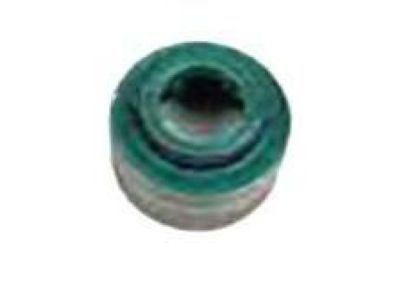
 Product Specifications
- Other Name: Seal - Valve Stem; Valve Seals
- Manufacturer Note: OHV
- Base No.: 6571
- Item Weight: 0.40 Pounds
- Condition: New
- Fitment Type: Direct Replacement
- Require Quantity: 12
- SKU: E6TZ-6571-A
- Warranty: This genuine part is guaranteed by Ford's factory warranty.
1998 Ford Ranger Exhaust Valve Seals
Part Number: E6DZ-6571-A$13.73 MSRP: $18.75You Save: $5.02 (27%)Product Specifications- Other Name: Seal - Valve Stem; Exhaust Valve Seals, Valve Seals
- Base No.: 6571
- Item Weight: 0.40 Pounds
- Condition: New
- Fitment Type: Direct Replacement
- Require Quantity: 6
- SKU: E6DZ-6571-A
- Warranty: This genuine part is guaranteed by Ford's factory warranty.
1998 Ford Ranger Exhaust Valve Seals
Part Number: F57Z-6571-A$1.46 MSRP: $2.08You Save: $0.62 (30%)Ships in 1-3 Business DaysProduct Specifications- Other Name: Seal - Valve Stem
- Manufacturer Note: Intake & Exhaust
- Base No.: 6571
- Item Weight: 0.40 Pounds
- Condition: New
- Fitment Type: Direct Replacement
- SKU: F57Z-6571-A
- Warranty: This genuine part is guaranteed by Ford's factory warranty.
- Product Specifications
- Other Name: Seal - Valve Stem; Intake Valve Seals, Valve Seals
- Replaces: F6DZ-6571-DA
- Base No.: 6571
- Item Weight: 0.40 Pounds
- Condition: New
- Fitment Type: Direct Replacement
- Require Quantity: 6
- SKU: E6DZ-6571-D
- Warranty: This genuine part is guaranteed by Ford's factory warranty.
1998 Ford Ranger Valve Stem Seal
At FordPartsGiant.com, you will find an extensive inventory of genuine 1998 Ford Ranger Valve Stem Seal offered at competitive prices online. These manufacturer-backed OEM 1998 Ford Ranger Valve Stem Seal ensure your satisfaction with their quality and come with a hassle-free return policy and expedited delivery service, guaranteeing a delightful shopping experience.
1998 Ford Ranger Valve Stem Seal Parts Questions & Experts Answers
- Q:How can broken valve springs and defective valve stem seals be replaced without removing the cylinder heads in 4.0L pushrod V6 engine on 1998 Ford Ranger?Posted by Frida P.A:Valve spring retainer and valve stem seal failures can be repaired without removing the cylinder heads, generally needing two other tools and a compressed air supply. In the absence of compressed air, a length of nylon rope can be employed in order an proper prevent the valves from falling into the cylinder. Start with the dismantling of a valve cover from the intended cylinder head and, if all of the valve stem seals are going to be changed, both valve covers should be removed. Then, take out the spark plug from the cylinder with the spoiled component and if changing all seals, take all spark plugs out. Rotate the crankshaft until the piston in the problematic cylinder is upon the TDC of the compression stroke, this must be done on each cylinder in a firing order starting from number one. Hold an adapter over the spark plug hole and attach an air-line from an air-compressor in place. Both rocker assemblies can be removed on the side of the engine being worked on, in case of replacing all the seals as well. Blast compressed air into the cylinder ensuring that the piston is compressed downwards you get to see the crankshaft in motion. The air pressure must seal the valves in place. In its absence, turn the piston forty five degrees before TDC on the compression stroke, insert a piece of nylon string big enough to fill the cylinder till it comes out the spark plug hole with its end accessible for withdrawal. Cotton up the small holes of the cylinder head to avoid dropping of parts and tools into the engine then use the valve spring compressor to compress the spring and take off the keepers. Take off the spring retainer, the spring and the stem seal, and note that if pressure will not hold the valve closed, face or seat may be worn out and they must remove the cylinder head to carry out further repair on it. That's why they add a rubber band or tape to the top of the valve stem to avoid a fall into the combustion chamber while releasing the air pressure. Look at the valve stem, having a smooth surface that doesn't bind in the guide; binding of the stem means a bent valve or damaged guide and will require removal of the head. Apply air pressure to keep the valve closed then proceed and dismantle the tape rubber band or whatever you used. It is recommended that the valve stem be lubricated with engine oil and a new stem seal sliding over the valve guide be hammered with some special tool or deep socket. Place the valve spring over the saddle, then the valve spring retainer, compress the spring and put the keepers into the groove putting a little grease onto them to keep them set in place. Withdraw pressure from the spring tool and make certain that the keepers are properly in position. Pull out the rope if used, or disconnect the air hose and remove the spark plug hole adapter. Place the rocker arm assembly, spark plug s and then connect the wires for the spark plugs and place the valve covers. After starting the engine check for signs of oil leakage and strange noises coming from the top of the engine-valve cover.Answered by Ford Parts Specialist Ley / Aug 22, 2024
Related 1998 Ford Ranger Parts
 1998 Ford Ranger Valve Cover Gasket
 1998 Ford Ranger Timing Belt
 1998 Ford Ranger Camshaft
 1998 Ford Ranger Oil Pan Gasket
 1998 Ford Ranger Oil Pump Gasket
 1998 Ford Ranger Crankshaft Gear
 1998 Ford Ranger Cylinder Head Gasket
 1998 Ford Ranger Crankshaft
 1998 Ford Ranger Camshaft Position Sensor
 1998 Ford Ranger Crankshaft Seal
 1998 Ford Ranger Camshaft Bearing