My Garage
My Account
Cart
Genuine Lincoln MKX Cylinder Head
Head- Select Vehicle by Model
- Select Vehicle by VIN
Select Vehicle by Model
orMake
Model
Year
Select Vehicle by VIN
For the most accurate results, select vehicle by your VIN (Vehicle Identification Number).
11 Cylinder Heads found
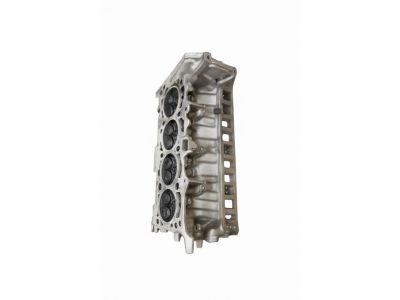

Lincoln MKX Cylinder Head
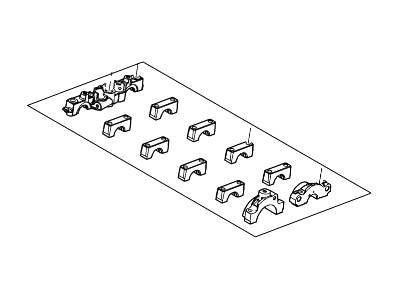
Part Number: CJ5Z-6049-B$749.72 MSRP: $1050.77You Save: $301.05 (29%)Ships in 1-3 Business Days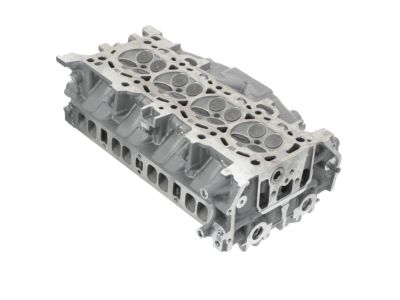
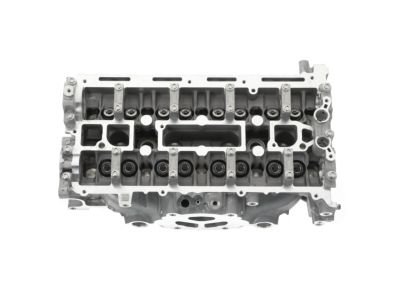
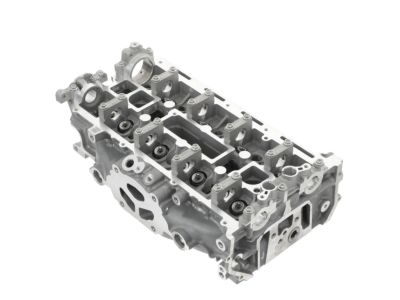
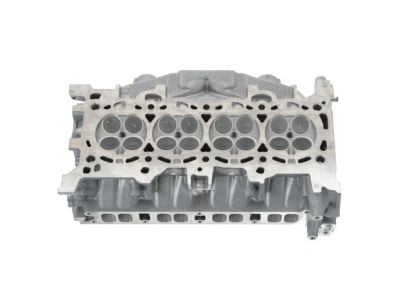
Lincoln MKX Cylinder Head
Part Number: EJ7Z-6049-B$1003.56 MSRP: $1386.15You Save: $382.59 (28%)Ships in 1-3 Business Days
Lincoln MKX Cylinder Head Assembly
Part Number: FT4Z-6049-C$761.62 MSRP: $1113.54You Save: $351.92 (32%)Ships in 1-2 Business Days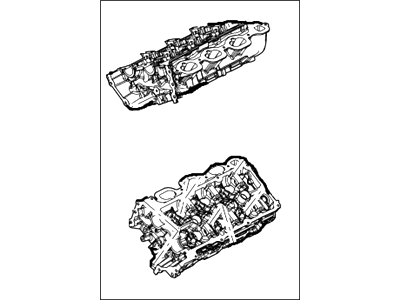
Lincoln MKX Cylinder Head Assembly
Part Number: AT4Z-6049-C$859.52 MSRP: $1186.15You Save: $326.63 (28%)Ships in 1-3 Business DaysLincoln MKX Cylinder Head Assembly
Part Number: AT4Z-6049-B$859.52 MSRP: $1186.15You Save: $326.63 (28%)Ships in 1-3 Business DaysLincoln MKX Cylinder Head Assembly
Part Number: AT4Z-6049-D$892.76 MSRP: $1232.31You Save: $339.55 (28%)Ships in 1-3 Business DaysLincoln MKX Cylinder Head Assembly
Part Number: 7T4Z-6049-A$4079.37 MSRP: $5656.92You Save: $1577.55 (28%)Ships in 1-3 Business DaysLincoln MKX Cylinder Head Assembly
Part Number: 7T4Z-6049-B$586.62 MSRP: $807.23You Save: $220.61 (28%)Ships in 1-3 Business DaysLincoln MKX Cylinder Head Assembly
Part Number: FT4Z-6049-D$790.16 MSRP: $1089.85You Save: $299.69 (28%)Ships in 1-2 Business Days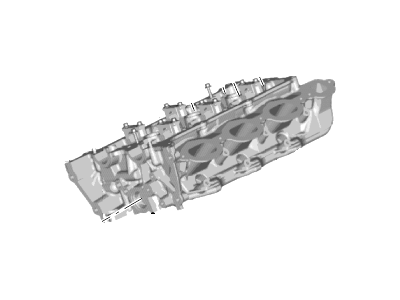
Lincoln MKX Cylinder Head Assembly
Part Number: DG1Z-6049-A$859.52 MSRP: $1186.15You Save: $326.63 (28%)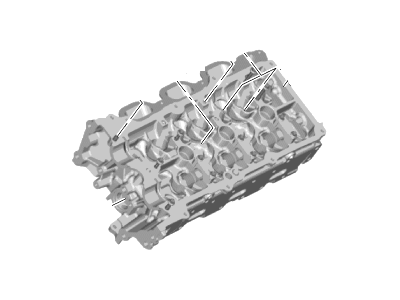
Lincoln MKX Cylinder Head
The purpose of the Lincoln MKX Cylinder Head is to allow the air-fuel mixture in and the exhaust gases out while sealing the combustion chambers. This allows the engine to produce a smooth and refined delivery of power. The Cylinder Head is available in a lighter aluminum construction, which improves heat shedding capability and weight balance, or in a strong cast iron build, which enhances durability. This Cylinder Head enhances airflow via shaped ports that raise horsepower. Each Cylinder Head is beefed up in key areas to allow greater port shaping, and the two are equipped with MKX features. In order to ensure a solid connection between the head and block, the MKX uses torque to yield bolts, which stretch to their yield point, helping to achieve an even clamping force to guarantee a reliable gasket seal. Cylinder Heads generally might be warped on their surfaces, cracked on their passages, or worn on their valves. These findings may lead to coolant loss, misfire, overheating, or oil-antifreeze mixing upon gasket failure. Regularly inspecting the Cylinder Head surface and gasket condition helps prevent significant repair costs. Owners of Lincoln models have always appreciated how the MKX maintains the efficient combustion of its Lincoln Duratec engine. As a result of that engine design, a Lincoln keeps things working well all the time. One thing is guaranteed: a Lincoln engine will always feel lively.
We provide a wide range of Lincoln MKX Cylinder Head at the optimal prices. If you need Lincoln MKX Cylinder Head, you can shop with confidence on our website. All our OEM parts come with a manufacturer's warranty and are delivered to your doorstep with a fast delivery service.
Lincoln MKX Cylinder Head Parts Questions & Experts Answers
- Q:How to remove and install the Cylinder Head in four cylinder engine on Lincoln MKX?A:Take off fuel pressure from the system, unplug the battery's negative cable, disconnect and remove the airflow filters, then remove the parts connected to inlet and outlet air pipes for the charger cooler. Take the power steering pump and bracket out if it exists, and the alternator. Pull the coolant out of the system first, then take off the Turbo and expansion tank for more coolant. Take out the Timing Chain, but first check valve adjustments before starting to take apart the camshafts. Disconnect the power wire from the Camshaft Position sensor, pull out and take off the VCT solenoid valves bolted to the front camshaft bearing cap, then use care to remove both camshafts and lifters while keeping track of their positions. Take out the fuel rail, injectors, and remove all hoses from the coolant outlets. Then disconnect and remove the Intake Manifold. When an engine support tool or lift prevents us from taking out the cylinder head, we can use a floor jack with a block of wood to hold up the engine from beneath. Carefully cut down the bolt tension on each cylinder head by taking small turning steps back, from newest bolts to oldest, and lift the head out of its place under the hood. When removing the head, protect the aluminum alloy against damage since it is easy to dent. After separating the cylinder head, isolate and throw away the gasket. While cleaning, ensure any locating pins in both the block and head get put back exactly where they belonged. You must wash off all residue on both the cylinder head and block with gasket removal spray, then scrape it clean with rubber or wood tools. Be cautious when cleaning to keep the aluminum alloy intact and stop carbon from getting into oil and water lines. Before putting the pistons in, spread a thin layer of lubricant between the bores and pistons to stop carbon from entering. Check the mating surface for cuts, deep scrapes, and any other damage, and get help from an auto shop if needed. Make sure the mating areas are clean, and place alignment dowels if your vehicle comes with them. Before setting head bolts, make sure the holes are dry to stop water or oil from forcing the pushing rods to lock up. Set the gasket on the cylinder block face with markings upwards, and use guide studs to help you lift the heavy cylinder head into place. Cover the threaded part of each cylinder head bolt with engine oil, put them in place loosely, and work through all bolts in a specific order until they reach their specified torque strength. Along with the other steps, change both your engine oil and filter, and top off the system with fresh fluid.