

My Garage
My Account
Cart
Genuine Lincoln MKX Crankshaft Seal
- Select Vehicle by Model
- Select Vehicle by VIN
Select Vehicle by Model
orMake
Model
Year
Select Vehicle by VIN
For the most accurate results, select vehicle by your VIN (Vehicle Identification Number).
10 Crankshaft Seals found
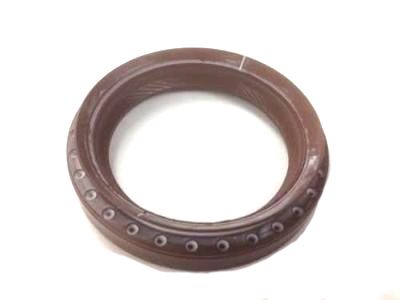
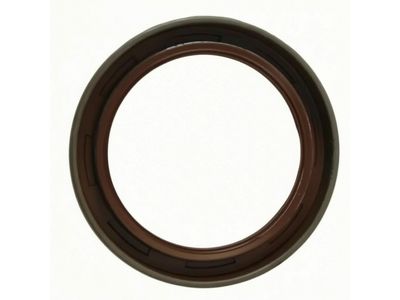
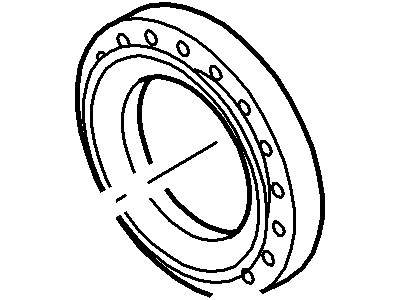
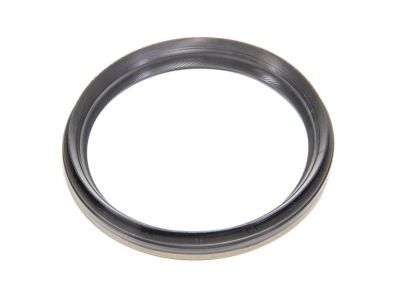
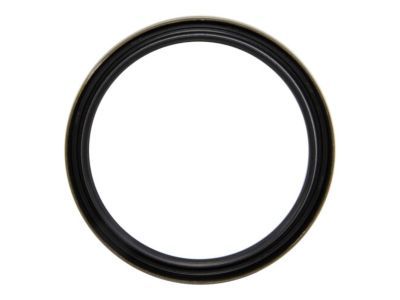
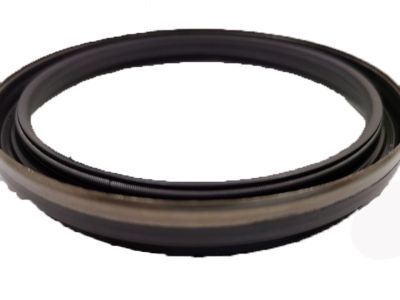
Lincoln MKX Crankshaft Oil Seal Assembly Front
Part Number: XW4Z-6700-AA$11.38 MSRP: $16.22You Save: $4.84 (30%)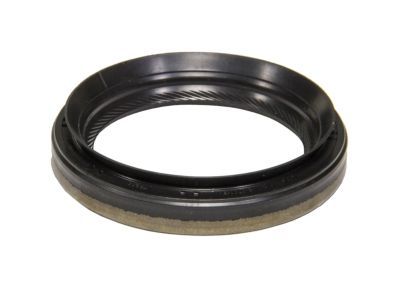
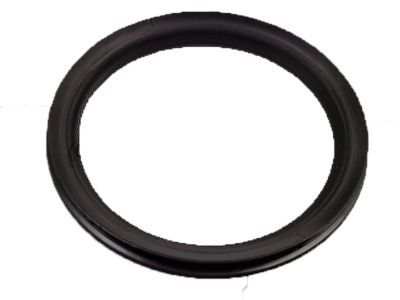
Lincoln MKX Crankshaft Oil Seal Assembly Front
Part Number: XW4Z-6700-B$5.39 MSRP: $7.68You Save: $2.29 (30%)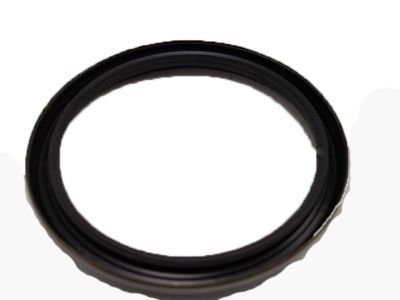
Lincoln MKX Crankshaft Oil Seal Assembly
Part Number: AT4Z-6701-A$30.78 MSRP: $45.00You Save: $14.22 (32%)Ships in 1 Business Day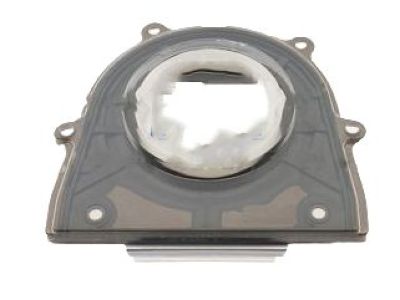
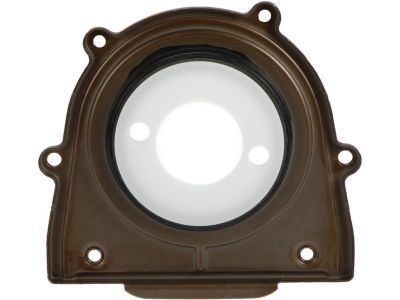
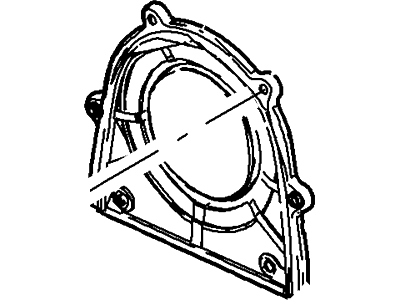
Lincoln MKX Crankshaft Oil Seal Retainer
Part Number: 1S7Z-6K301-BA$78.77 MSRP: $115.17You Save: $36.40 (32%)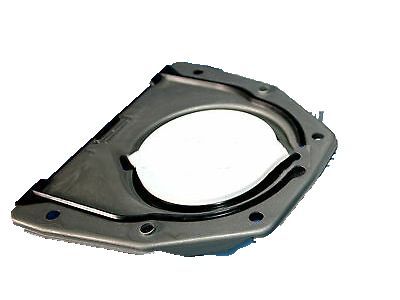
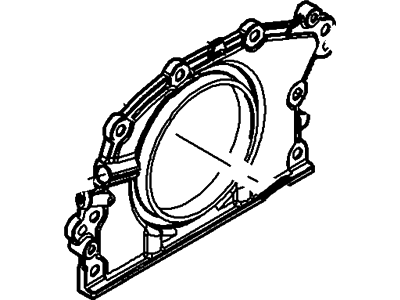
Lincoln MKX Rear Main Seal Retainer
Part Number: AT4Z-6K301-B$39.44 MSRP: $56.67You Save: $17.23 (31%)Ships in 1-2 Business Days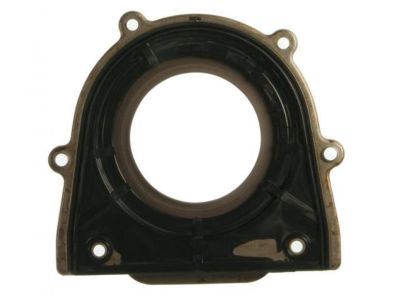
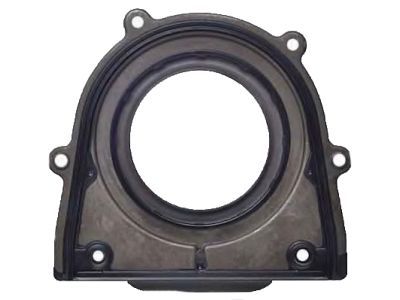
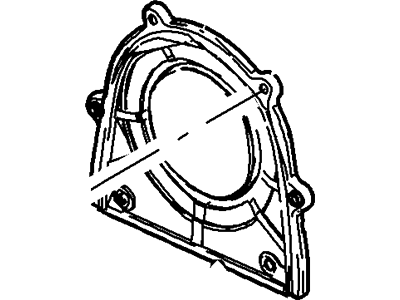
Lincoln MKX Crankshaft Oil Seal Retainer
Part Number: 1S7Z-6K301-AA$78.77 MSRP: $115.17You Save: $36.40 (32%)Ships in 1 Business Day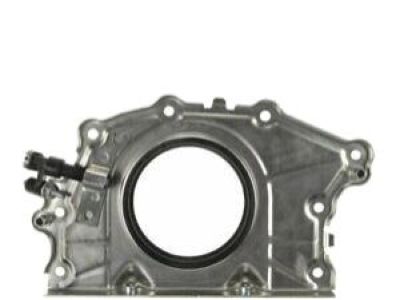
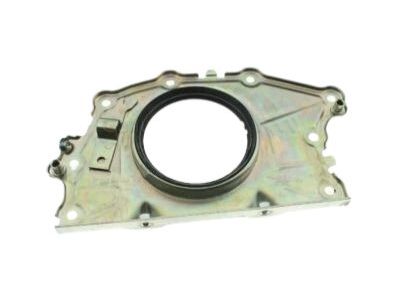
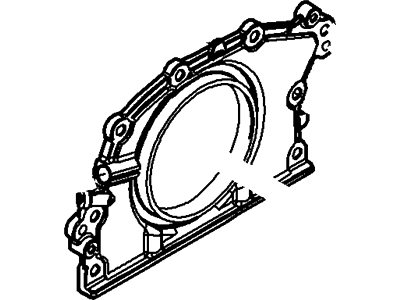
Lincoln MKX Crankshaft Oil Seal Retainer
Part Number: 7T4Z-6K301-A$39.44 MSRP: $56.67You Save: $17.23 (31%)Ships in 1-2 Business Days
Lincoln MKX Crankshaft Oil Seal Retainer
Part Number: FT4Z-6335-A$36.77 MSRP: $47.83You Save: $11.06 (24%)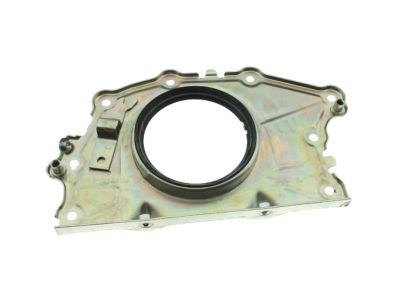
Lincoln MKX Crankshaft Seal
Lincoln MKX Crankshaft Seal is an important part of the car's engine that is situated on the front part of it and its main function is to prevent the oil from leaking out of the crankcase. This round seal is usually composed of metal and rubber and is vital to sustaining the supply of engine lubrication which also helps to cut down friction and wear on the parts used on an engine. As a matter of course, Lincoln MKX Crankshaft Seal could degrade gradually depending on the vehicle's usage, therefore, it may require replacement most especially when it begins to show traces of corrosion, common in high-mileage vehicles and that could lead to oil leaks. Although the position of the Crankshaft Seal may vary with different model of MKX, its duty does not differ, it has the task of making the engine function properly. This is the reason why Lincoln MKX owners should ensure that the Crankshaft Seal is maintained and replaced frequently to be able to provide seamless performance for the engine.
We provide a wide range of Lincoln MKX Crankshaft Seal at the optimal prices. If you need Lincoln MKX Crankshaft Seal, you can shop with confidence on our website. All our OEM parts come with a manufacturer's warranty and are delivered to your doorstep with a fast delivery service.
Lincoln MKX Crankshaft Seal Parts Questions & Experts Answers
- Q:How is the rear crankshaft seal installed and what precautions should be taken during the process in V6 engine on Lincoln MKX?A:The one-piece rear Crankshaft Seal is pressed into a carrier mounted at the rear of the block. For 2.7L engines and 2015 and later 3.5L engines, the crankshaft rear seal and retainer must be replaced as an assembly since the seal cannot be replaced separately. Begin by removing the transaxle, followed by the driveplate and the crankshaft sensor ring. Next, remove the Crankshaft Position (CKP) sensor. On 2014 and earlier models, the old seal can be removed by prying it out with a screwdriver or by creating small holes in the seal flange with a sharp pick, then using a screw-in type slide-hammer puller. It is important to note how far the seal is recessed into the bore before removal, as the new seal must be recessed the same amount. Care must be taken to avoid scratching or damaging the crankshaft or the bore in the housing to prevent oil leaks. For easier installation on 2014 and earlier models, unbolt and remove the seal retainer plate, then use two of the retainer-to-oil pan bolts to push the retainer from the engine. Remove all traces of RTV sealant and apply a 3/16-inch bead of RTV where the block and oil pan flanges meet. Install the retainer to the engine and secure all bolts within 10 minutes of applying the sealant. On 2014 and earlier 3.5L and 3.7L engines, ensure the bore is clean, then apply a film of clean engine oil to the outer edge and lips of the new seal, pressing it squarely into the bore with a special seal installation tool, as hammering is not recommended. For 2.7L engines, tighten the bolts in sequence to the specified torque. For 2015 and later 3.5L engines, first install and tighten the seal-retainer-to-engine block bolts in sequence, then install and tighten the oil pan-to-seal retainer bolts. Finally, reinstall the CKP sensor, the driveplate ensuring the crankshaft sensor ring is positioned correctly, and then reinstall the transaxle.
Related Lincoln MKX Parts
 Lincoln MKX Crankshaft Thrust Washer Set
 Lincoln MKX Cylinder Head Bolts
 Lincoln MKX Crankshaft Position Sensor
 Lincoln MKX Crankshaft Pulley
 Lincoln MKX Cruise Control Switch
 Lincoln MKX Crankshaft Gear
 Lincoln MKX Crankshaft
 Lincoln MKX CV Joint
 Lincoln MKX Cylinder Head
 Lincoln MKX Crankcase Breather Hose
 Lincoln MKX CV Boot