

My Garage
My Account
Cart
Genuine Ford PCV Hose
PCV Valve Hose- Select Vehicle by Model
- Select Vehicle by VIN
Select Vehicle by Model
orMake
Model
Year
Select Vehicle by VIN
For the most accurate results, select vehicle by your VIN (Vehicle Identification Number).
506 PCV Hoses found
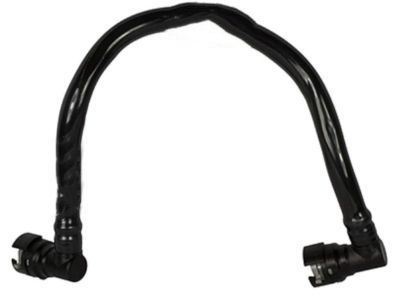
Ford PCV Hose
Part Number: BR3Z-6A664-A$34.90 MSRP: $51.83You Save: $16.93 (33%)Ships in 1-2 Business DaysProduct Specifications- Other Name: Hose - Vent; PCV Hose, PCV Tube, Vent Hose
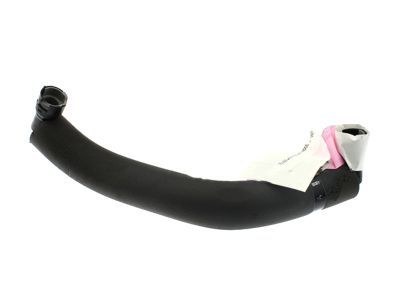
Ford PCV Hose
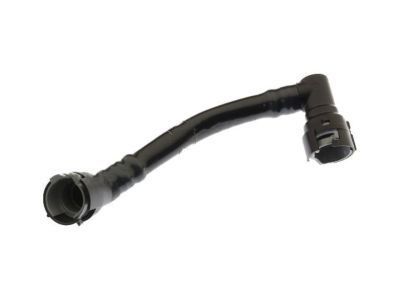
Part Number: 7L3Z-6A664-B$54.78 MSRP: $81.33You Save: $26.55 (33%)Ships in 1-2 Business DaysProduct Specifications- Other Name: Hose - Vent; Connector Hose, Hose & Tube Assembly, PCV Hose
Ford PCV Hose
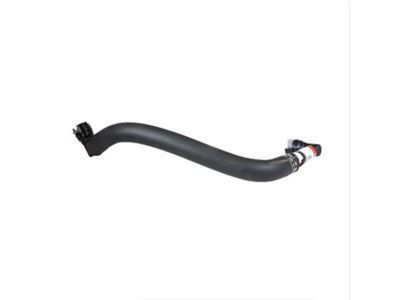
Part Number: HL3Z-6A664-A$15.26 MSRP: $22.67You Save: $7.41 (33%)Ships in 1-2 Business DaysProduct Specifications- Other Name: Hose - Vent; PCV Hose
Ford Vent Hose
Part Number: 4C2Z-6A664-AA$71.49 MSRP: $106.17You Save: $34.68 (33%)Ships in 1-2 Business DaysProduct Specifications- Other Name: Hose - Vent
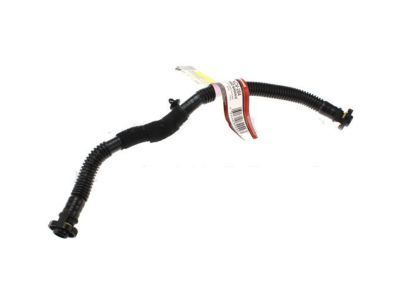
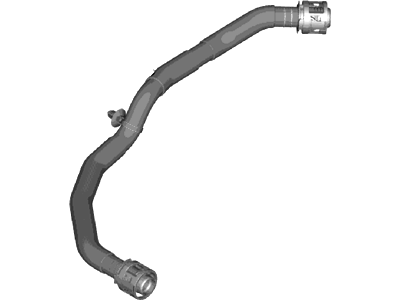
Ford Crankcase Tube
Part Number: BM5Z-6A664-H$62.29 MSRP: $92.50You Save: $30.21 (33%)Ships in 1-2 Business DaysProduct Specifications- Other Name: Hose - Vent; Crankcase Tube, Hose Assembly, PCV Hose, PCV Tube
- Replaces: BM5Z-6A664-B, BM5Z-6A664-C, BM5Z-6A664-G, KCV-264, KCV-269, KCV-279
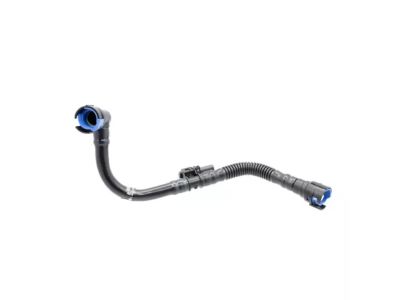
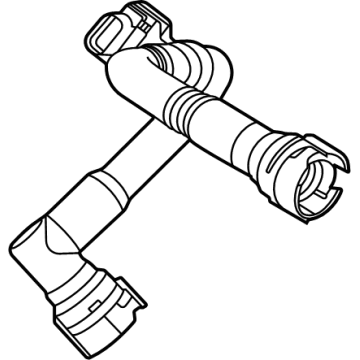
Ford Tube
Part Number: JX6Z-6758-B$81.17 MSRP: $105.60You Save: $24.43 (24%)Ships in 1-3 Business DaysProduct Specifications- Other Name: Tube Assembly; Tube
- Position: Passenger Side
- Replaces: JX6Z-6758-A
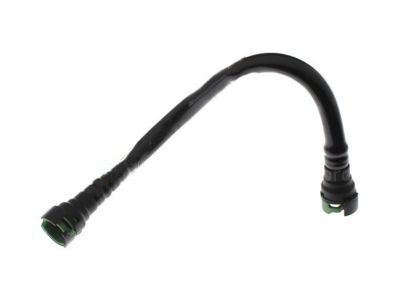
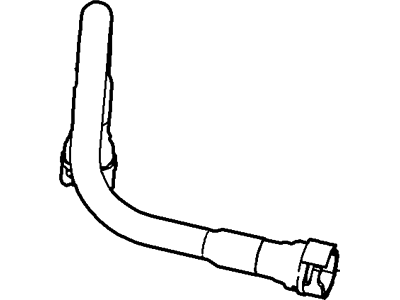
Ford Vent Hose
Part Number: 5W7Z-6A664-AA$21.22 MSRP: $31.50You Save: $10.28 (33%)Ships in 1-2 Business DaysProduct Specifications- Other Name: Hose - Vent
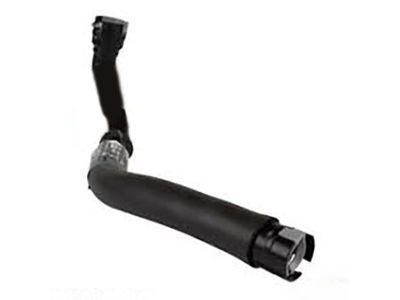
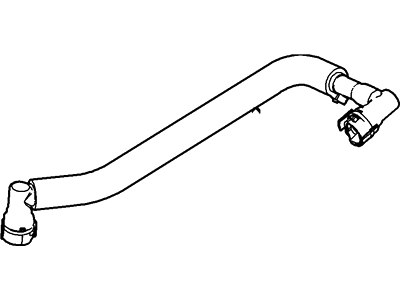
Ford Vent Hose
Part Number: 7C2Z-6A664-A$23.23 MSRP: $34.50You Save: $11.27 (33%)Ships in 1-3 Business DaysProduct Specifications- Other Name: Hose - Vent
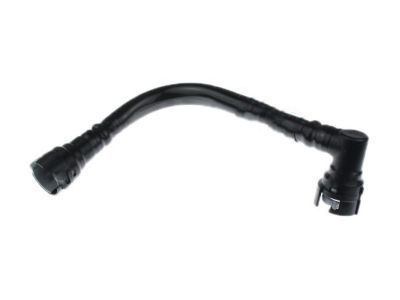
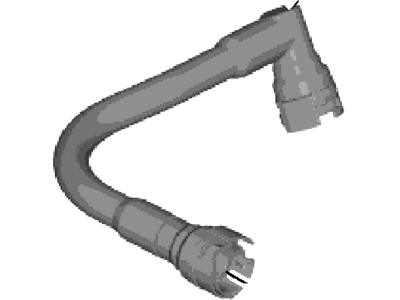
Ford PCV Hose
Part Number: DL3Z-6A664-A$15.71 MSRP: $23.33You Save: $7.62 (33%)Ships in 1 Business DayProduct Specifications- Other Name: Hose - Vent; Connector Hose, PCV Hose
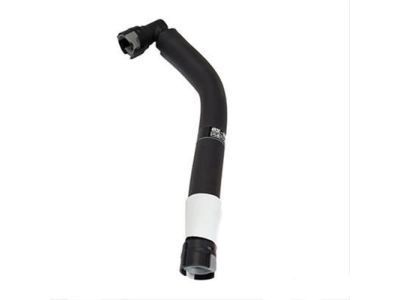
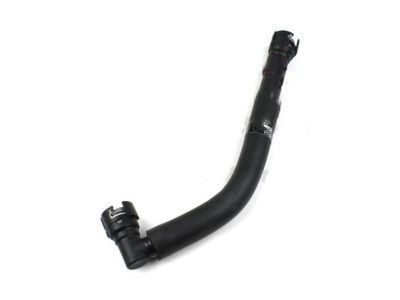
Ford Vent Hose
Part Number: 4R3Z-6A664-BA$20.31 MSRP: $30.17You Save: $9.86 (33%)Ships in 1-3 Business DaysProduct Specifications- Other Name: Hose - Vent
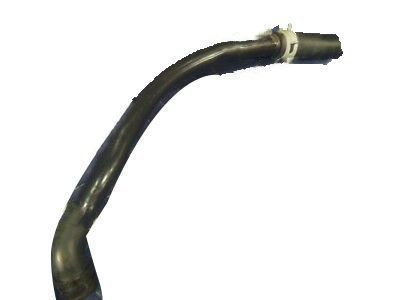
Ford PCV Hose
Part Number: AT4Z-6A664-B$22.00 MSRP: $32.67You Save: $10.67 (33%)Ships in 1-2 Business DaysProduct Specifications- Other Name: Hose - Vent; PCV Tube
- Replaces: AT4Z-6A664-A, KCV-257
Ford Crankcase Tube
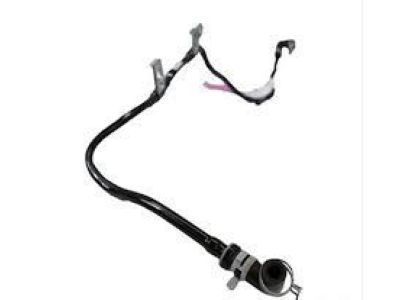
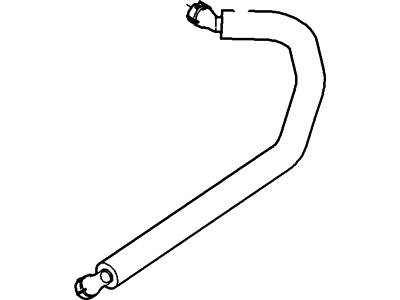
Part Number: 8C3Z-6A664-A$28.62 MSRP: $42.50You Save: $13.88 (33%)Ships in 1-2 Business DaysProduct Specifications- Other Name: Hose - Vent; Crankcase Tube, PCV Valve
- Manufacturer Note: HOSE, CRNKCS EMS VLV INTK MANI
- Replaces: 5C3Z-6A664-CA, KCV-172
Ford PCV Hose
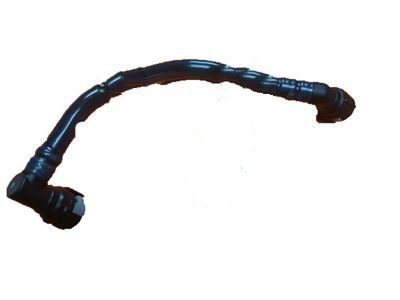
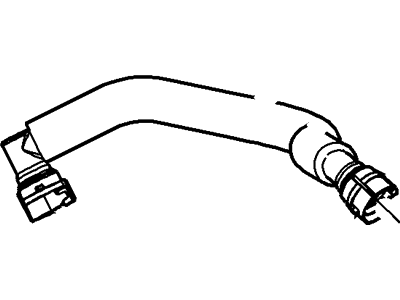
Part Number: AL3Z-6A664-A$26.38 MSRP: $39.17You Save: $12.79 (33%)Ships in 1 Business DayProduct Specifications- Other Name: Hose - Vent; PCV Hose
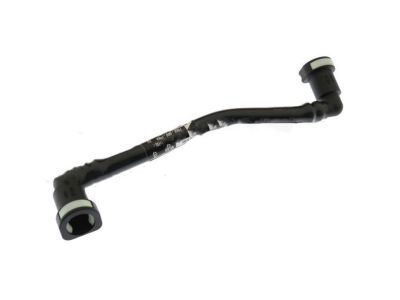
Ford Vent Hose
Part Number: FR3Z-6A664-A$20.31 MSRP: $30.17You Save: $9.86 (33%)Ships in 1-3 Business DaysProduct Specifications- Other Name: Hose - Vent
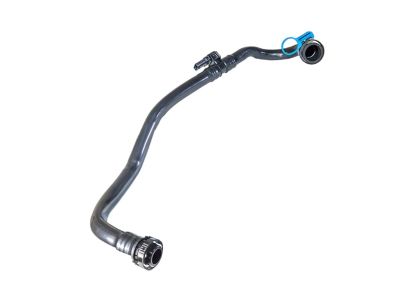
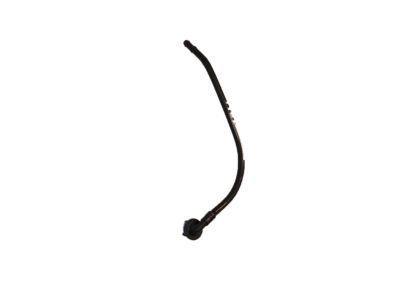
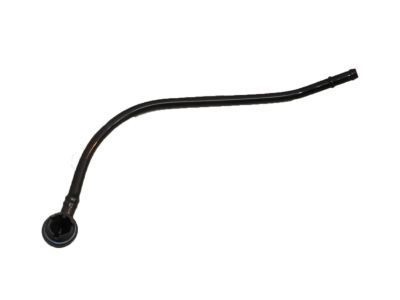
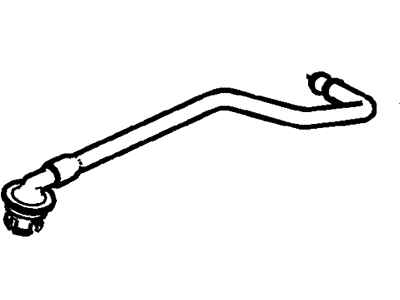
Ford Crankcase Tube
Part Number: HS7Z-6A664-C$164.48 MSRP: $255.00You Save: $90.52 (36%)Ships in 1-2 Business DaysProduct Specifications- Other Name: Tube - Breather; Crankcase Tube
- Replaces: HS7Z-6A664-A, KCV-291, HS7Z-6A664-B, KCV-307
 Product Specifications
- Other Name: Tube Assy
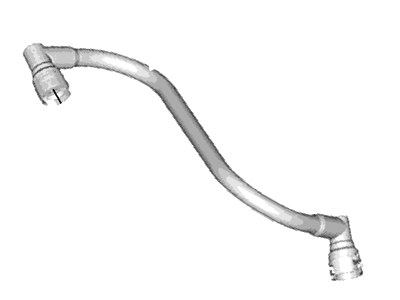
Ford PCV Hose
Part Number: CV6Z-6A664-A$22.34 MSRP: $33.17You Save: $10.83 (33%)Ships in 1-3 Business DaysProduct Specifications- Other Name: Hose - Vent; PCV Hose, Tube
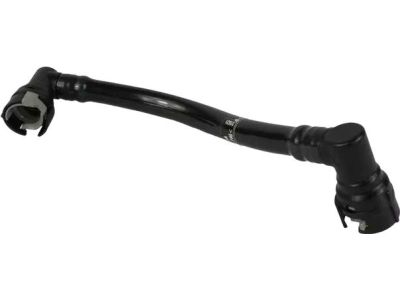
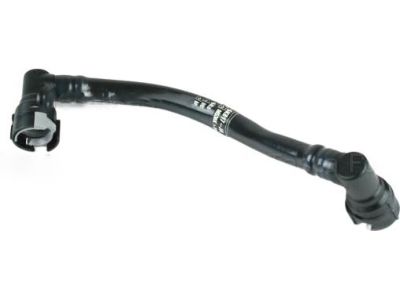
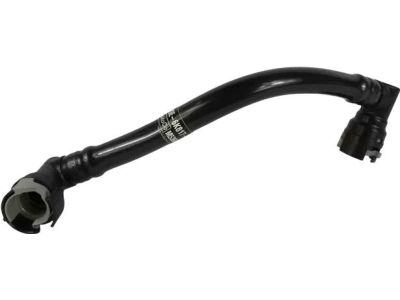
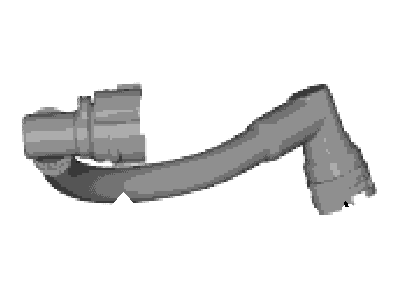
Ford PCV Hose
Part Number: BR3Z-6A664-B$15.60 MSRP: $23.17You Save: $7.57 (33%)Ships in 1-2 Business DaysProduct Specifications- Other Name: Hose - Vent; PCV Hose
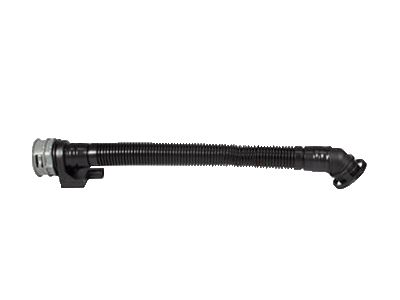
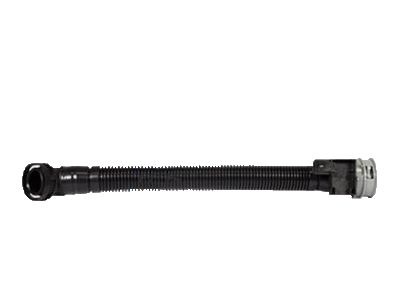
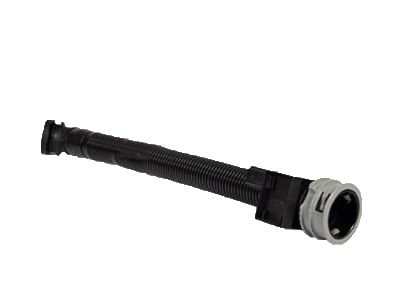
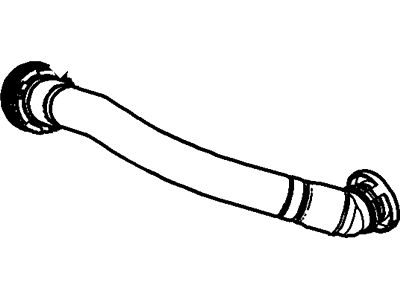
Ford Crankcase Tube
Part Number: BC3Z-6A664-C$86.24 MSRP: $133.33You Save: $47.09 (36%)Ships in 1 Business DayProduct Specifications- Other Name: Hose - Vent; Crankcase Tube
- Replaces: BC3Z-6A664-A, KCV-260, KCV-254, BC3Z-6A664-B
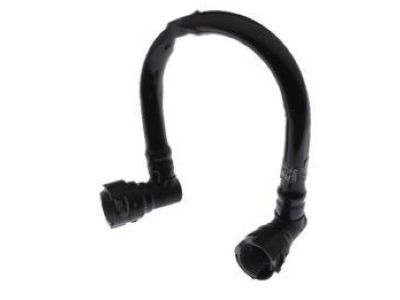
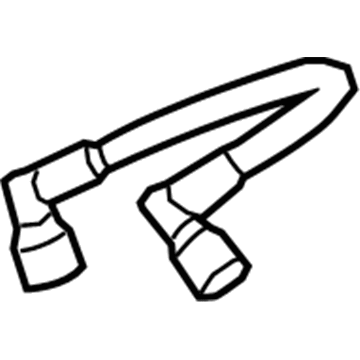
Ford PCV Hose
Part Number: FT4Z-6A664-A$15.37 MSRP: $22.83You Save: $7.46 (33%)Ships in 1-2 Business DaysProduct Specifications- Other Name: Hose - Vent; PCV Hose
| Page 1 of 26 |Next >
1-20 of 506 Results
Ford PCV Hose Parts Questions & Experts Answers
- Q:What precautions should be taken when replacing PCV Hose and air conditioning hoses on Ford Ranger?A:It is recommended that replacement of air conditioning hoses can only be done by dealer service department or in air conditioning shop only due to the dangers of depressurising the system, and disconnection of the hoses or any component must only be done only after the system is out of pressure. Rubber and plastic hoses of engine, accessory and emission systems are quite susceptible to the high temperature under the hood, so their marvelous, loose clamps, material hardness and leakage need frequent check up . Many hoses are fitted with clamps that should be checked for tension in order to exclude leakage while smooth-bore hoses without clamps must be controlled for expansion or stiffening. Blow-by gas produced in the crankcase is drained out through PCV system by a rubber hose into the intake manifold and PCV hose needs to be checked for cracks and blockage. Colour-coded vacuum hoses also exist and have certain thickness and material requirements for the walls; on replacement, vacuum hoses should be similar to the originals. It is suggested to disconnect hoses to facilitate inspection, and for rerouting purposes, they should be labeled; plastic T-fittings should be examined for cracks. A little portion of vacuum hose can be used identify if leakages are present by using a stethascope to check for hissing sounds. Fuel lines are most of the time under pressure therefore it is important that in case of leakage the fuel is collected, all rubber fuel lines should be inspected for signs of deterioration particularly at bends and at fittings. Only high quality fuel line which has been designed for the fuel-injection systems should be used for replacements, parts such as, vacuum lines that are not reinforced or plastic tubing. Screw type clamps on fuel lines should be replaced with spring-type clamps where hoses are replaced. Fuel pump to carburetor or fuel injection system steel lines must be checked to see if they have bends or cracks, the replacements must be seamless steel tubing. Brake lines especially those made of metal should also be checked for crack and loosing of fittings, any sign of brake fluid leakage should be acted on immediately. Fuel injection nylon lines used in fuel injection systems may need special material and techniques for repair while power steering hoses should be examined for leaks, loose connections and worn clamps and where there is wear, then wear part should be replaced.
Related Ford Parts


Browse by Model
Aerostar PCV Hose Bronco II PCV Hose Bronco PCV Hose Bronco Sport PCV Hose C-Max PCV Hose Contour PCV Hose Crown Victoria PCV Hose E-150 PCV Hose E-250 PCV Hose E-350/E-350 Super Duty PCV Hose E-450 Super Duty PCV Hose Econoline Super Duty(1996-1999) PCV Hose EcoSport PCV Hose Edge PCV Hose Escape PCV Hose Escort PCV Hose Excursion PCV Hose Expedition PCV Hose Explorer PCV Hose Explorer Sport PCV Hose Explorer Sport Trac PCV Hose F-150 PCV Hose F-250 PCV Hose F-250 Super Duty PCV Hose F-350 PCV Hose F-350 Super Duty PCV Hose F-450 Super Duty PCV Hose F-550 Super Duty PCV Hose F53 PCV Hose F53 Stripped Chassis PCV Hose Festiva PCV Hose Fiesta PCV Hose Five Hundred PCV Hose Flex PCV Hose Focus PCV Hose Freestar PCV Hose Freestyle PCV Hose Fusion PCV Hose Granada PCV Hose Maverick PCV Hose Mustang PCV Hose Police Interceptor Sedan PCV Hose Police Interceptor Utility PCV Hose Police Responder Hybrid PCV Hose Probe PCV Hose Ranger PCV Hose SSV Plug-In Hybrid PCV Hose Taurus PCV Hose Taurus X PCV Hose Tempo PCV Hose Thunderbird PCV Hose Transit Connect PCV Hose Transit PCV Hose Windstar PCV Hose