

My Garage
My Account
Cart
Genuine Ford PCV Valve
Position Crank Ventilation Valve- Select Vehicle by Model
- Select Vehicle by VIN
Select Vehicle by Model
orMake
Model
Year
Select Vehicle by VIN
For the most accurate results, select vehicle by your VIN (Vehicle Identification Number).
83 PCV Valves found
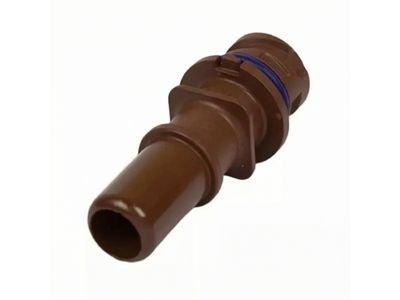
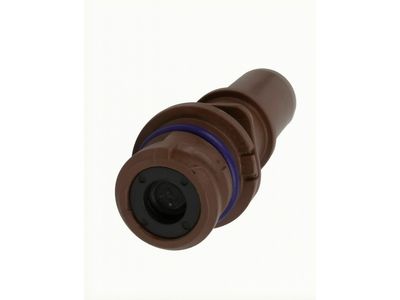
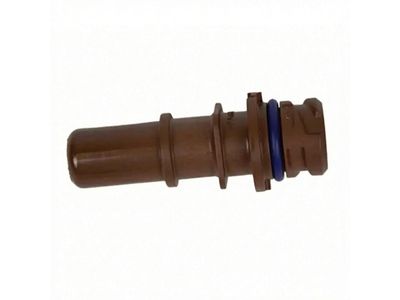
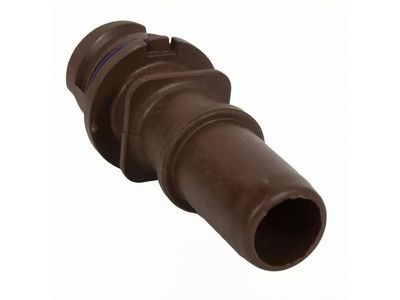

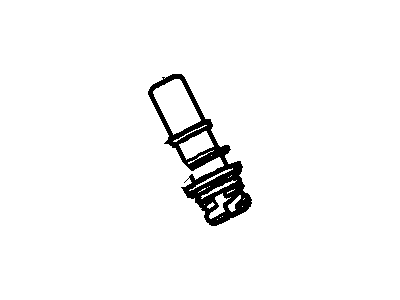
Ford PCV Valve
Part Number: KR3Z-6A666-A$8.99 MSRP: $14.56You Save: $5.57 (39%)Ships in 1 Business DayProduct Specifications- Other Name: Valve Assembly; PCV Valve
- Position: Passenger Side
- Replaces: AA5Z-6A666-D, EV-290
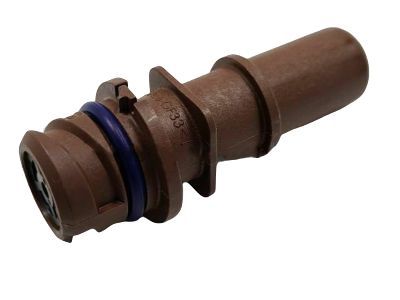
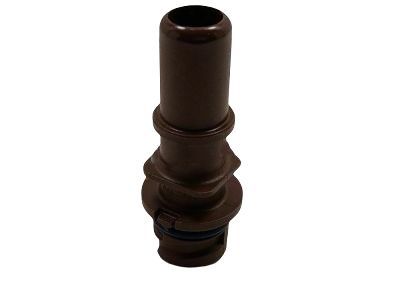
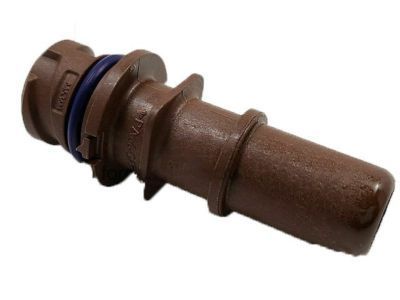
 Product Specifications
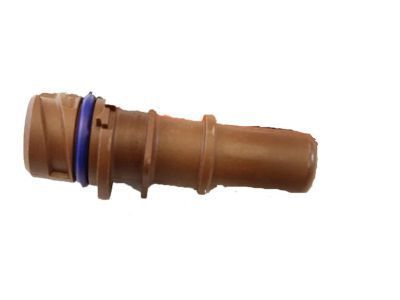
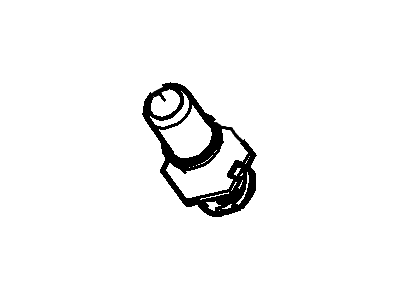
- Other Name: Valve Assembly; PCV Valve
- Manufacturer Note: Valve Only
 Product Specifications
- Replaced by: KR3Z-6A666-A
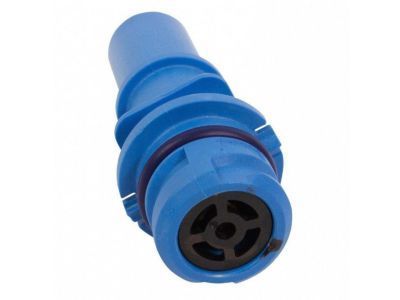
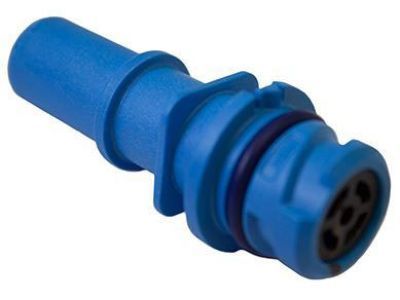
Ford PCV Valve
Part Number: 4L2Z-6A666-BA$22.23 MSRP: $36.00You Save: $13.77 (39%)Ships in 1 Business DayProduct Specifications- Other Name: Valve Assembly; PCV Valve
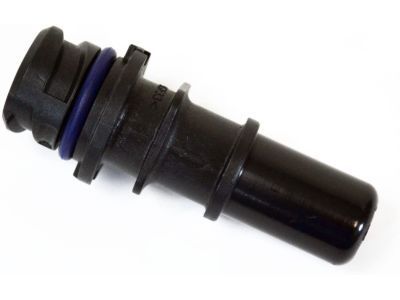
Ford PCV Valve
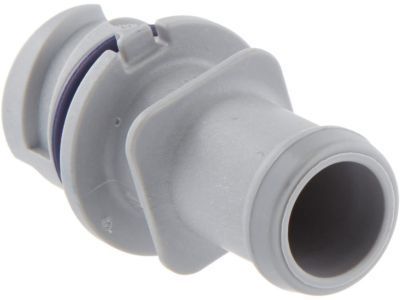
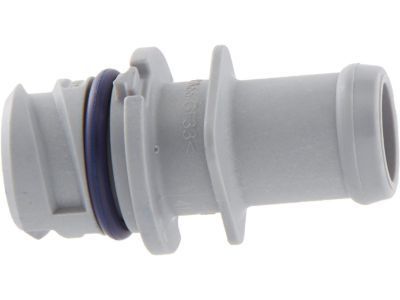
Part Number: BL3Z-6A666-AA$18.97 MSRP: $30.73You Save: $11.76 (39%)Ships in 1-2 Business DaysProduct Specifications- Other Name: Valve Assembly; PCV Valve
- Replaces: BL3Z-6A666-A
Ford PCV Valve
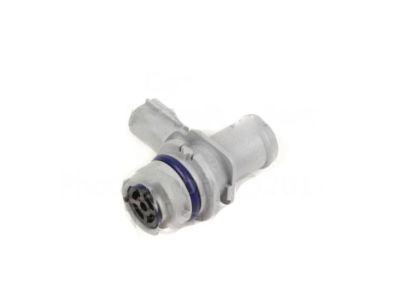
Part Number: 2X4Z-6A666-AA$13.25 MSRP: $21.45You Save: $8.20 (39%)Ships in 1 Business DayProduct Specifications- Other Name: Valve Assembly; PCV Valve
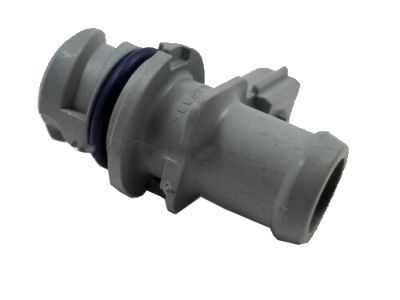
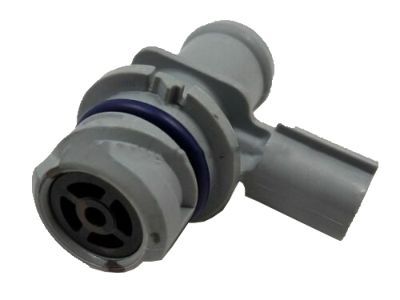
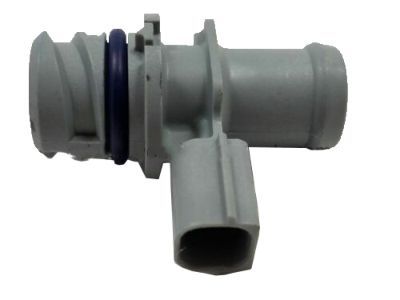
Ford PCV Valve
Part Number: 2C5Z-6A666-AA$89.12 MSRP: $144.36You Save: $55.24 (39%)Ships in 1 Business DayProduct Specifications- Other Name: Valve Assembly; PCV Valve
- Manufacturer Note: With Electric Heated PCV
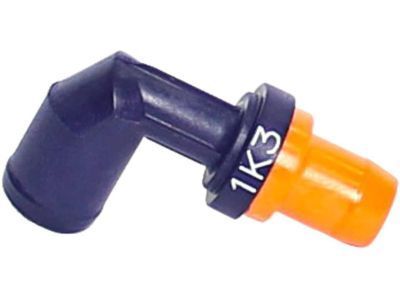
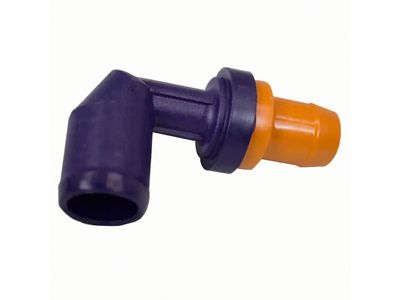
Ford PCV Valve
Part Number: 4L5Z-6A666-BA$19.85 MSRP: $32.36You Save: $12.51 (39%)Ships in 1 Business DayProduct Specifications- Other Name: Valve Assembly; PCV Valve
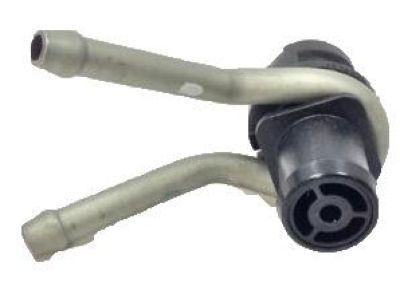
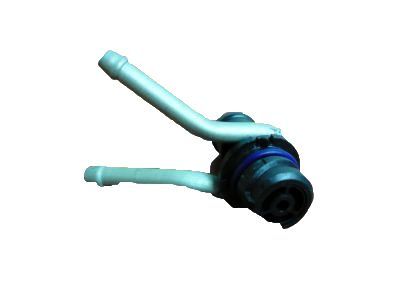
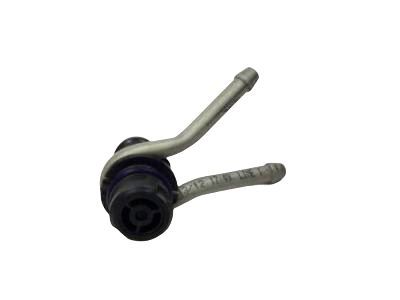
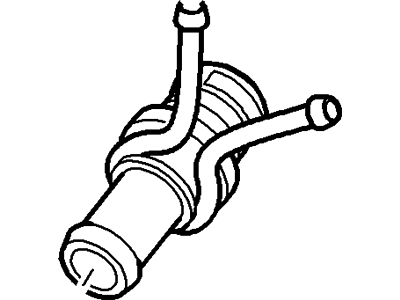
Ford PCV Valve
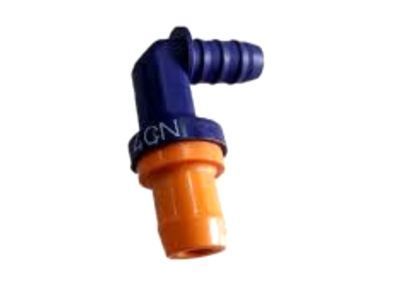
Part Number: 2L5Z-6A666-BA$23.91 MSRP: $38.73You Save: $14.82 (39%)Ships in 1 Business DayProduct Specifications- Other Name: Kit - Crankcase Ventilation Valve; PCV Valve
- Manufacturer Note: SOHC
Ford PCV Valve
Part Number: 8S4Z-6A666-A$38.50 MSRP: $62.36You Save: $23.86 (39%)Ships in 1-2 Business DaysProduct Specifications- Other Name: Valve Assembly; PCV Valve
Ford PCV Valve
Part Number: F6DZ-6A666-D$46.02 MSRP: $74.55You Save: $28.53 (39%)Ships in 1 Business DayProduct Specifications- Other Name: Valve Assembly; PCV Valve
- Replaces: F6RZ-6A666-AA, F5RZ-6A666-B, F6DZ-6A666-C
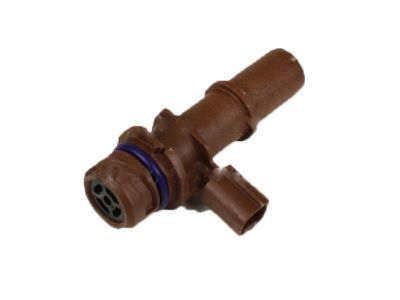
Ford PCV Valve
Part Number: 6W7Z-6A666-AA$52.53 MSRP: $85.09You Save: $32.56 (39%)Ships in 1 Business DayProduct Specifications- Other Name: Valve Assembly; PCV Valve
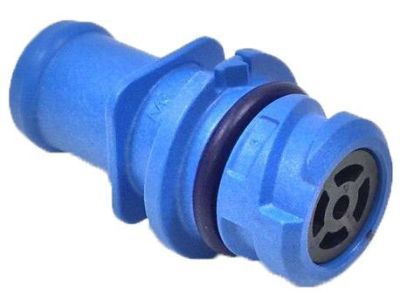
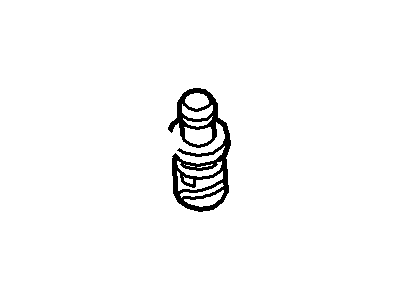
Ford PCV Valve
Part Number: 2L3Z-6A666-AA$32.55 MSRP: $52.73You Save: $20.18 (39%)Ships in 1-2 Business DaysProduct Specifications- Other Name: Valve Assembly; PCV Valve
- Replaces: 2L3Z-6A666-BA
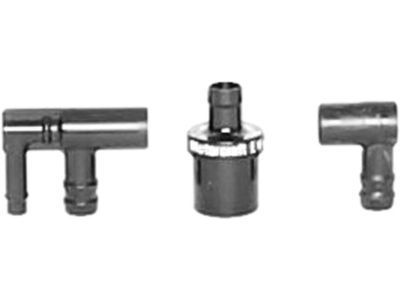
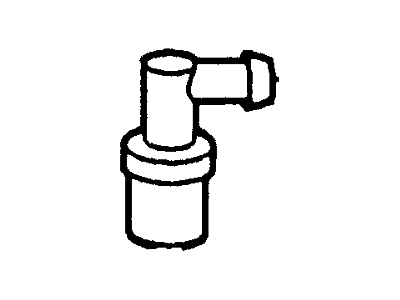
Ford PCV Valve
Part Number: F6DZ-6A666-EA$24.69 MSRP: $40.00You Save: $15.31 (39%)Ships in 1 Business DayProduct Specifications- Other Name: Valve Assembly; PCV Valve
- Replaces: E73Z-6A666-A, F6DZ-6A666-B2A
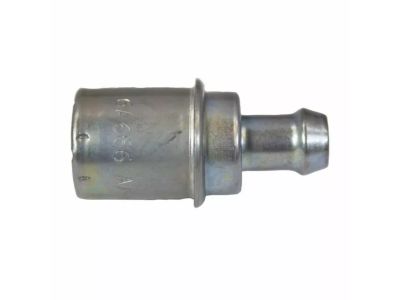
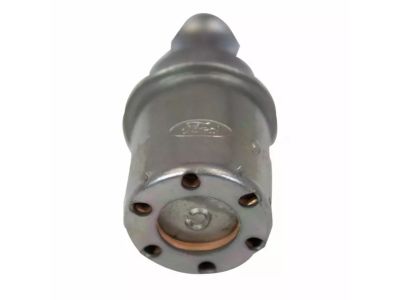
 Product Specifications
- Other Name: Valve Assembly; PCV Valve
- Manufacturer Note: Also incl. in 6A785 asy.
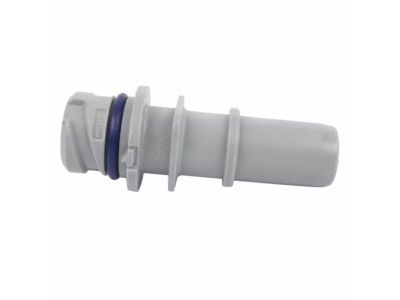
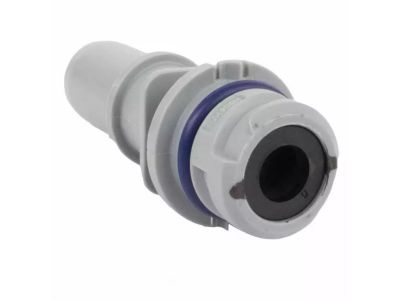
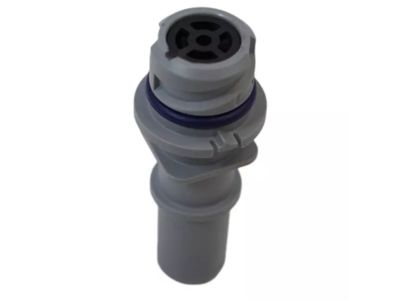
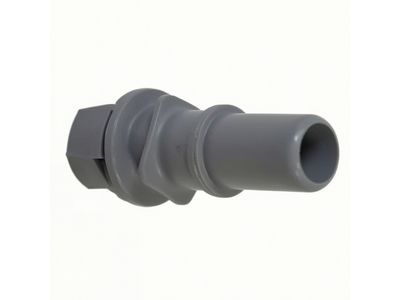
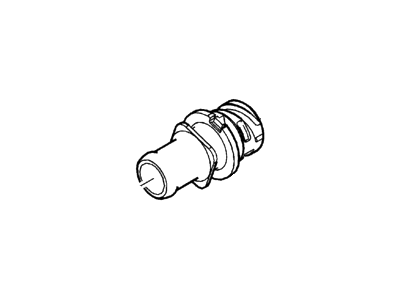
Ford PCV Valve
Part Number: KR3Z-6A666-B$8.20 MSRP: $13.27You Save: $5.07 (39%)Ships in 1 Business DayProduct Specifications- Other Name: Valve Assembly; PCV Valve
- Replaces: 4L5Z-6A666-AA, EV-267
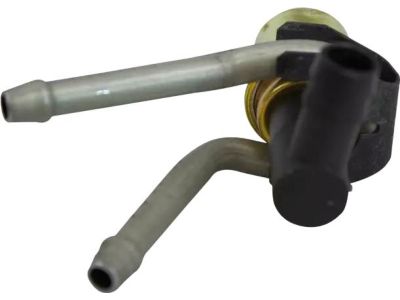
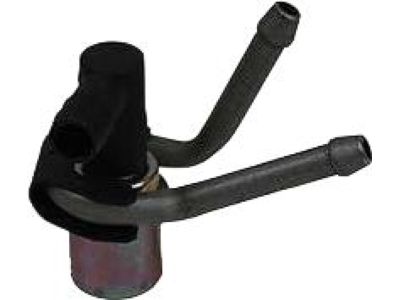
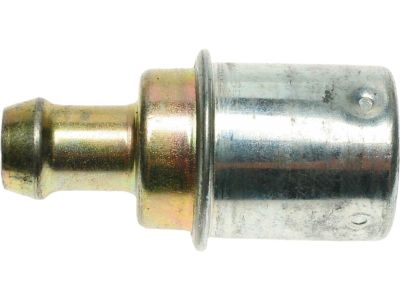
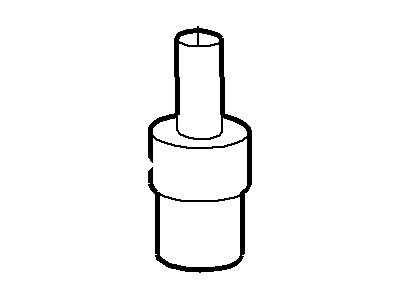
Ford PCV Valve
Part Number: YL3Z-6A666-AA$36.37 MSRP: $58.91You Save: $22.54 (39%)Ships in 1 Business DayProduct Specifications- Other Name: Valve Assembly; PCV Valve
- Manufacturer Note: Includes heated tube elbow and PCV. Remove tube if not reqd.
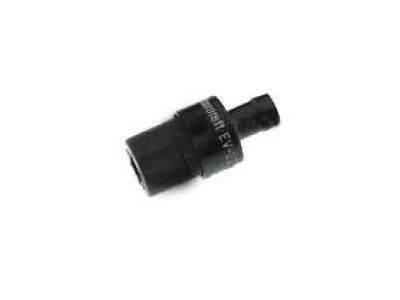
 Product Specifications
- Other Name: Valve Assembly; PCV Valve
- Manufacturer Note: OHV
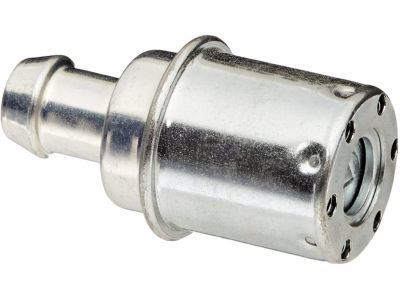
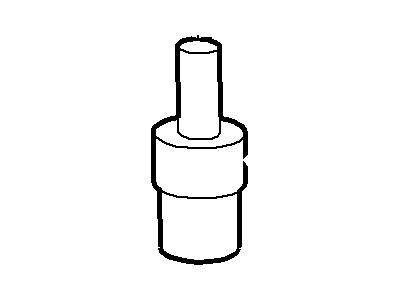 Product Specifications
- Other Name: Valve Assembly; PCV Valve
- Replaces: YC3Z-6A666-BB
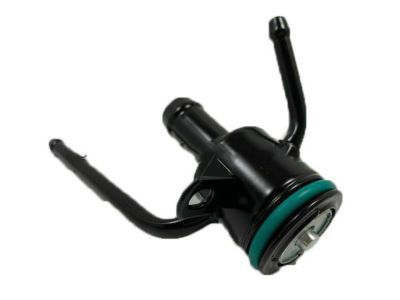
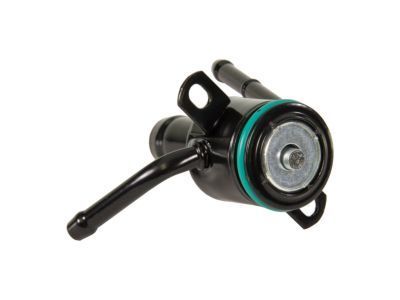
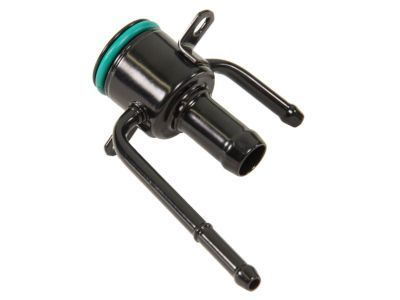
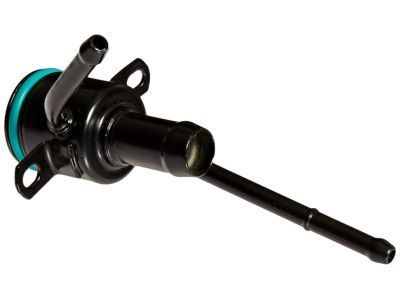
Ford PCV Valve
Part Number: 1L3Z-6A666-AA$129.93 MSRP: $221.82You Save: $91.89 (42%)Ships in 1 Business DayProduct Specifications- Other Name: Valve Assembly; PCV Valve
| Page 1 of 5 |Next >
1-20 of 83 Results
Ford PCV Valve Parts Questions & Experts Answers
- Q:How to remove, clean and reinstall the PCV valve in the crankcase emission control system on Ford Bronco II?A:First of all, a crankcase emission control system comprises of a PCV valve, sealed oil filler cap, and connecting hoses. This keeps engine oil from getting contaminated or polluting the environment by redirecting combustion gases back into the combustion chamber. To ascertain that the gas flow is regulated and unhindered, check for blockage and damage in the PCV valve. To take off or replace it, you should take it away from the rocker cover grommet, remove it from the hose pipe, clean if necessary, and put it back in place.
- Q:How to check and replace PCV valve on Ford Explorer Sport Trac?A:To increase the efficiency of the PCV system, to converge the hoses of the PCV and to check the state of the PCV valve according to the schedule of regular maintenance. Find the PCV valve which is usually positioned on the cover bust near the brake booster for 4.0L pushrod V6 intakes while for 5.0L VB intake it is positioned at the back of the manifold. To test the valve, one is supposed to withdraw it from the grommet and vibrate it; if it does not vibrate then the valve is stuck and needs to be replaced, in the contrary, if it vibrates, it needs to be reinstalled. Switch on the engine, let the vehicle run for some time and then remove the PCV hose; if vacuum is experienced, then PCV valve system is okay. If no vacuum is sensed, inspect for leakage at the oil filler cap, hoses or at the valve cover gasket since they may have a connection with the problems of the PCV valve. Pull out the valve in an upward motion and check the area of the rubber grommet for crack lines; if evident, the rubber grommet must be changed. Should the valve be blocked then the hose is blocked too, so it has to be removed and washed with solvent. After washing inspect the hose for any damages and make sure the hose seat well on the fittings respectively. If needed, replace the PCV valve; that the elbow (if installed) is located is not included with the unit, however has to be carried over from the original. Subsequently, if a new elbow is bought, one has to immerse it in warm water for upto an hour to make installation without breaking it possible. Last, put back the clean PCV system hose and make sure that the PCV valve and the hose are well fixed.
- Q:How to maintain the efficiency of the PCV system and check the PCV valve on Ford Ranger?A:For the proper operation of the PCV system, clean the hoses and the PCV valve as specified in the schedule of car maintenance. For this you will have to find the PCV valve, which is fitted on the oil separator of the left side of SOHC four-cylinder engines. For DOHC four-cylinder engines, you must first take off the driver's side inner fenderwell splash shield if you want to reach the valve. In the 2004 and later 3.0L and 4.0L engines, the valve is located on the back of the camshaft cover, behind the coolant bypass hose next to the hose clip; first release the hose from the retainer clip, and then remove the small round cap that holds the valve on. To check the valve, pull out of the grommet in the oil separator valve cover and shake and if it does not rattle, the valve is stuck and required to be replaced. If it rattles, then it should be reinstalled. Switch on the engine and let it run for a while; unplug the PCV hose; if one can feel suction, then the system is functional. If the perceived vacuum is not there, then there is a possibility that there are losses at the oil filler cap, hoses or even the valve cover gasket or destruction of the valve might be the problem. Screw out the valve and takedown the rubber grommet which is located above the valve and, if faulty should be replaced. In case the valve was blocked there will be a blockage in the hose as well; therefore, you should remove and clean in solvent. After cleaning inspect it for splits and check that it has the right fit on the fittings being used. If needed, put in a new PCV valve as the elbow (if installed) is not included in the new valve but needs to be transferred from the old one. New elbow can be bought and having it soaked in warm water for 45 minutes to an hour will help in installation without the elbow breaking. Last but not the least, fit the clean PCV system hose such that it is well locked to the valve as well as the hose.
Related Ford Parts


Browse by Model
Aerostar PCV Valve Bronco II PCV Valve Bronco PCV Valve Bronco Sport PCV Valve C-Max PCV Valve Contour PCV Valve Crown Victoria PCV Valve E-150 PCV Valve E-250 PCV Valve E-350/E-350 Super Duty PCV Valve E-450 Super Duty PCV Valve Econoline Super Duty(1996-1999) PCV Valve Edge PCV Valve Escape PCV Valve Escort PCV Valve Excursion PCV Valve Expedition PCV Valve Explorer PCV Valve Explorer Sport PCV Valve Explorer Sport Trac PCV Valve F-150 PCV Valve F-250 PCV Valve F-250 Super Duty PCV Valve F-350 PCV Valve F-350 Super Duty PCV Valve F-450 Super Duty PCV Valve F-550 Super Duty PCV Valve F53 PCV Valve F53 Stripped Chassis PCV Valve Festiva PCV Valve Five Hundred PCV Valve Flex PCV Valve Focus PCV Valve Freestar PCV Valve Freestyle PCV Valve Fusion PCV Valve Granada PCV Valve GT PCV Valve Maverick PCV Valve Mustang PCV Valve Police Interceptor Sedan PCV Valve Police Interceptor Utility PCV Valve Police Responder Hybrid PCV Valve Probe PCV Valve Ranger PCV Valve SSV Plug-In Hybrid PCV Valve Taurus PCV Valve Taurus X PCV Valve Tempo PCV Valve Thunderbird PCV Valve Transit Connect PCV Valve Transit PCV Valve Windstar PCV Valve