

My Garage
My Account
Cart
Genuine Ford F-250 Crankshaft
Crank Shaft- Select Vehicle by Model
- Select Vehicle by VIN
Select Vehicle by Model
orMake
Model
Year
Select Vehicle by VIN
For the most accurate results, select vehicle by your VIN (Vehicle Identification Number).
13 Crankshafts found
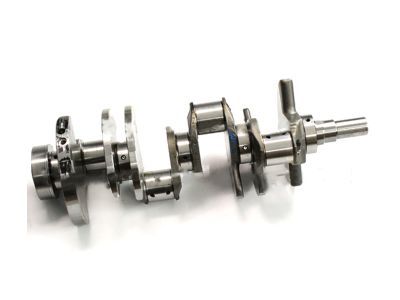
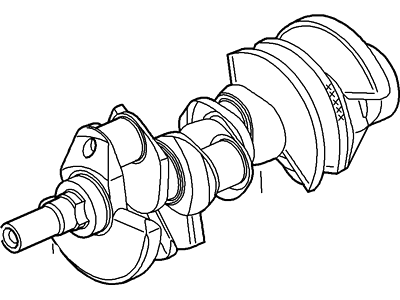
Ford F-250 Crankshaft Assembly
Part Number: F75Z-6303-AC$234.62 MSRP: $346.67You Save: $112.05 (33%)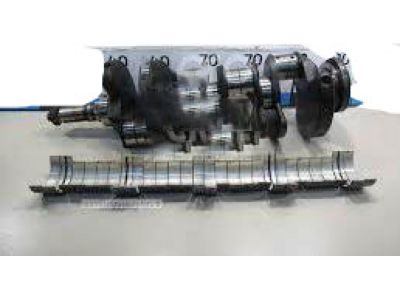
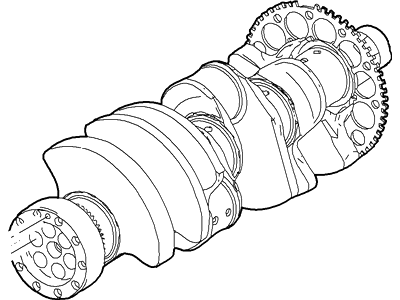
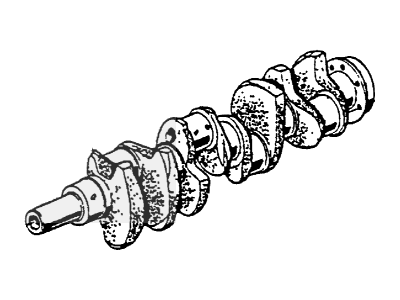
Ford F-250 Crankshaft Assembly
Part Number: 1L3Z-6303-BA$234.62 MSRP: $346.67You Save: $112.05 (33%)Ships in 1-3 Business DaysFord F-250 Crankshaft Assembly
Part Number: XL3Z-6303-CA$234.62 MSRP: $346.67You Save: $112.05 (33%)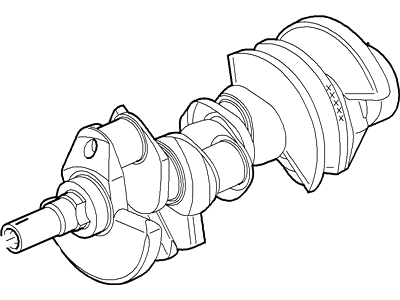
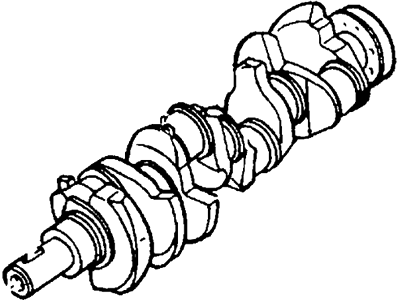
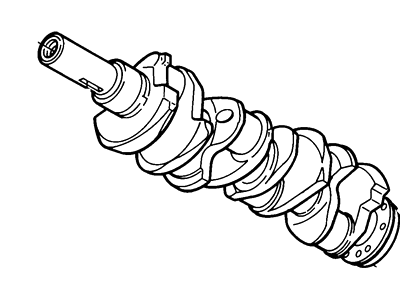
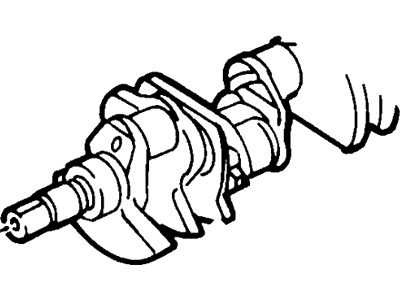
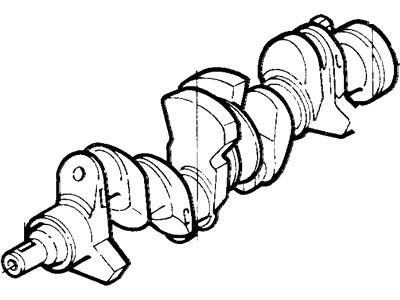
Ford F-250 Crankshaft
Ford F-250 Crankshaft turns the up-down thrust of pistons into smooth rotation that powers the transmission and wheels. Inside every Ford block the shaft spins on main journals while offset throws tug the connecting rods, and because F-250 engines range from light duty gas units to high torque diesels there are two main forms, durable cast iron for standard output and tougher forged steel when horsepower and towing loads climb. Both Crankshaft versions are precision made to endure a lifetime but they depend on steady oil flow, so skipped service can let dirt score journals, open clearances and start an unmistakable knock. Vibrations or knocking warn that the Crankshaft may be scraping metal to metal inside the block. A balanced Crankshaft calms cabin shake. For decades Ford kept tolerances tight, ensuring every F-250 leaves the line with journals that spin true. Regular oil changes keep the Crankshaft healthy, letting your Ford stay smooth and enabling a F-250 to tow confidently, which is why Ford selected forged steel for the greatly hard working F-250 models.
We provide a wide range of Ford F-250 Crankshaft at the optimal prices. If you need Ford F-250 Crankshaft, you can shop with confidence on our website. All our OEM parts come with a manufacturer's warranty and are delivered to your doorstep with a fast delivery service.
Ford F-250 Crankshaft Parts Questions & Experts Answers
- Q:How to properly inspect and prepare a crankshaft for reassembly on Ford F-250?A:Remove all burrs from the crankshaft oil holes with a stone, file, or scraper to ensure the oil holes are chamfered, preventing sharp edges from gouging or scratching the new bearings. Clean the crankshaft with solvent and dry it with compressed air if available, ensuring to clean the oil holes with a stiff brush and flush them with solvent, using a wire or stiff plastic bristle brush for the oil passages. Check the main and connecting rod bearing journals for uneven wear, scoring, pits, and cracks. Rub a penny across each journal several times; if a journal picks up copper, it is too rough and must be reground. Inspect the rest of the crankshaft for cracks and other damage, utilizing magnafluxing to reveal hidden cracks, which an automotive machine shop can perform. Measure the diameter of the main and connecting rod journals with a micrometer, comparing the results to the specifications, and check for taper and out-of-round conditions by measuring at several points around each journal's circumference. Additionally, check the crankshaft runout with large V-blocks and a dial indicator; if lacking the equipment, have a machine shop perform the check. If the crankshaft journals are damaged, tapered, out-of-round, or worn beyond the specified limits, have the crankshaft reground by an automotive machine shop, ensuring the correct size bearing inserts are used if reconditioned. Inspect the oil seal journals at each end of the crankshaft for wear and damage; if a groove is worn or if the journal is nicked or scratched, the new seal may leak upon reassembly. An automotive machine shop may repair the journal by pressing on a thin sleeve, but if repair isn't feasible, a new or different crankshaft should be installed. Finally, examine the main and rod bearing inserts for any issues.
Related Ford F-250 Parts
 Ford F-250 Rod Bearing
 Ford F-250 Oil Pan
 Ford F-250 Crankshaft Pulley
 Ford F-250 Crankshaft Thrust Washer Set
 Ford F-250 Oil Pump Gasket
 Ford F-250 Oil Pan Gasket
 Ford F-250 Oil Pump
 Ford F-250 Cam Gear
 Ford F-250 Piston Ring Set
 Ford F-250 Crankshaft Gear
 Ford F-250 Camshaft
Browse by Year
1999 Crankshaft 1998 Crankshaft 1997 Crankshaft 1996 Crankshaft 1995 Crankshaft 1994 Crankshaft 1993 Crankshaft 1992 Crankshaft 1991 Crankshaft 1990 Crankshaft 1989 Crankshaft 1988 Crankshaft 1987 Crankshaft 1986 Crankshaft 1985 Crankshaft 1984 Crankshaft 1983 Crankshaft 1982 Crankshaft 1981 Crankshaft 1980 Crankshaft