

My Garage
My Account
Cart
Genuine Ford F-250 Oil Pan
Oil Drain Pan- Select Vehicle by Model
- Select Vehicle by VIN
Select Vehicle by Model
orMake
Model
Year
Select Vehicle by VIN
For the most accurate results, select vehicle by your VIN (Vehicle Identification Number).
11 Oil Pans found
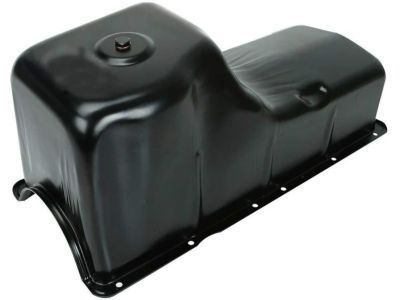
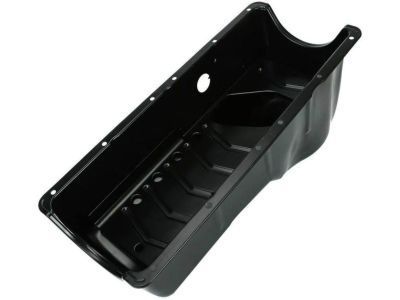
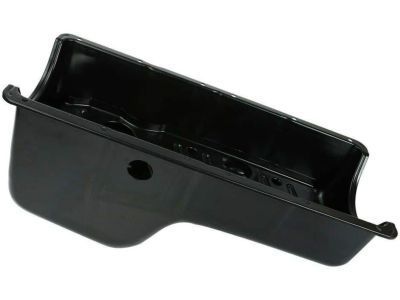
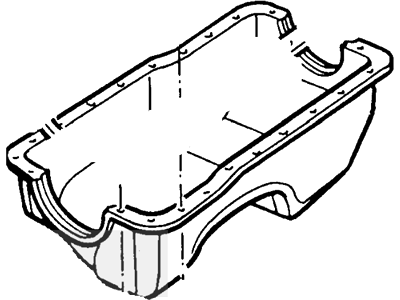
Ford F-250 Engine Oil Pan Assembly
Part Number: F4TZ-6675-AAA$330.50 MSRP: $488.33You Save: $157.83 (33%)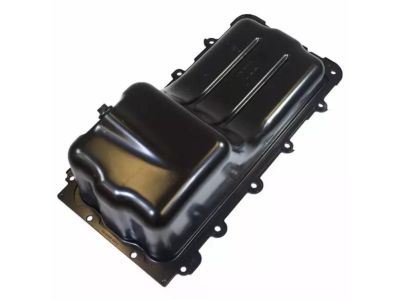
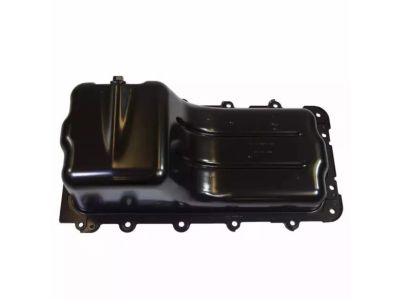
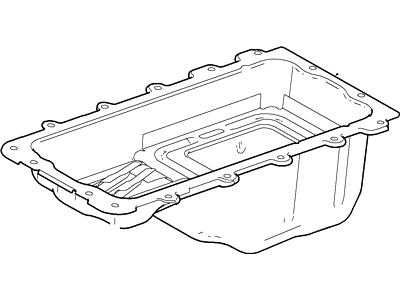
Ford F-250 Engine Oil Pan Assembly
Part Number: XL1Z-6675-CA$185.99 MSRP: $258.37You Save: $72.38 (29%)Ships in 1-2 Business Days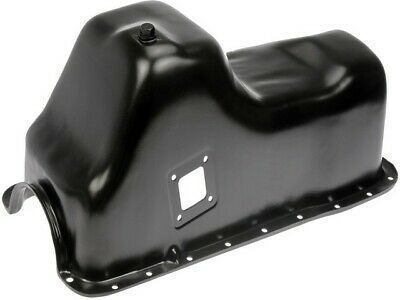
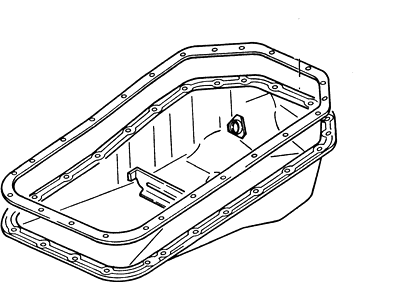
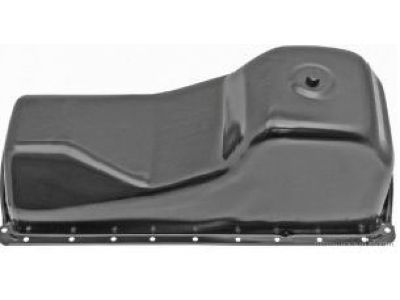
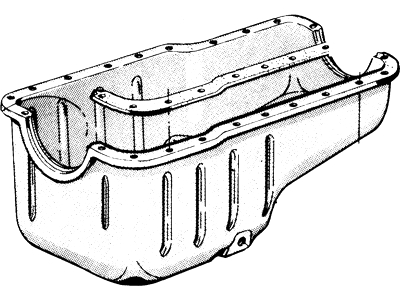
Ford F-250 Oil Pan
The Oil Pan of Ford F-250 vehicles acts like a chamber where the engine oil is stored and well-distributed in order to protect and efficiently cool the parts of the engine. The Ford F-250 features a wet sump system where oil is located underneath the engine and pulled through a pickup pipe by means of the oil pump with the oil pan. This is good for the engines because it creates a system that will continue to circulate the oil around the system. In the past Ford F-250 oil pans were constructed from stamped steel however improved techniques has seen the use of cast aluminum on most current versions. This implies not only improved durability but also efficiency of the Oil Pan is stepped up with this shift. Hence, the design of the oil pan is of utmost importance for the easy operation of Ford F-250 vehicles in several environments and to offer maximum protection to the motor through adequate lubrication.
We provide a wide range of Ford F-250 Oil Pan at the optimal prices. If you need Ford F-250 Oil Pan, you can shop with confidence on our website. All our OEM parts come with a manufacturer's warranty and are delivered to your doorstep with a fast delivery service.
Ford F-250 Oil Pan Parts Questions & Experts Answers
- Q:How to remove and install Oil Pan in inline six cylinder engine on Ford F-250?A:This concerns the manner of performing the removal and installation of the oil pan while the engine is in the vehicle. Starting with the cars power, remove the negative terminal of the battery and then proceed to drain the engine coolant and oil. I found that one has to do away with the radiator because it may get damaged when the engine is being lifted. Before removing the starter, the vehicle should be lifted on jackstands and the starter lead should be rooted. Remove some of the nuts and washers from the engine front insulator-to-support bracket bolts and then lift the front of the engine with a jack and put on wooden blocks. Placed one inch wooden blocks between the front support insulator and support brackets, place the engine with the wooden blocks and then take off the jack. Next, take out the oil pan attaching bolts and then gently drop down the pan in the direction of crossmember. Remove the oil pump pick-up tube by loosening the bolts and let the pick-up tube lie in the oil pan before finally lifting the oil pan off the car, while at this stage the crankshaft may be turned for clearance. Again, de-grease all gaskets' mating surfaces for instance, main bearing cap to oil pan seal as well as Timing Cover to oil pan seal. Before assembly, all mating surfaces and seal grooves must be cleaned, new oil pan-to-front cover oil seals and rear main bearing cap-to-oil pan seal(s) installed. Fitting new oil pan side gaskets if the components are separate or using a single piece gasket for the later models, put a thin layer of RTV sealant on the gasket. It is recommended that the front and rear seals should fit well and the pick-up tube and screen assembly should be cleaned before being dip in the oil pan. Place the oil pan under the engine, raise the pick-up tube and fix it to the oil pump by a new gasket and use the retaining bolts to tighten. Screw the oil pan to the engine block in the same pattern as you did the bolts for best results. Lift the engine with a jack removing the wood spacers and afterwards, loosen and then put on washers and nuts on the insulator studs. Return the starter, drop the car and return the radiator. Top up the cooling system with the coolant and check to ensure that no fluid is dripping from the engine, then fill the engine crankcase with oil and join the negative terminal of the battery. Last but not the least begin the engine and ensure you ensure there are no leakage from the oil pan gasket sealing surfaces.
Related Ford F-250 Parts
 Ford F-250 Oil Filter
 Ford F-250 Drain Plug
 Ford F-250 Dipstick Tube
 Ford F-250 Rod Bearing
 Ford F-250 Oil Cooler
 Ford F-250 Drain Plug Washer
 Ford F-250 Crankshaft Pulley
 Ford F-250 Crankshaft Thrust Washer Set
 Ford F-250 Dipstick
 Ford F-250 Oil Pump
 Ford F-250 Oil Pressure Switch
 Ford F-250 Piston Ring Set