

My Garage
My Account
Cart
Genuine Ford Explorer Sport Trac Throttle Position Sensor
TPS Switch- Select Vehicle by Model
- Select Vehicle by VIN
Select Vehicle by Model
orMake
Model
Year
Select Vehicle by VIN
For the most accurate results, select vehicle by your VIN (Vehicle Identification Number).
3 Throttle Position Sensors found
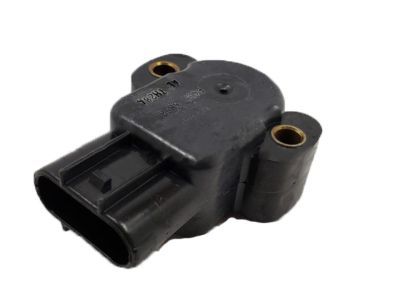
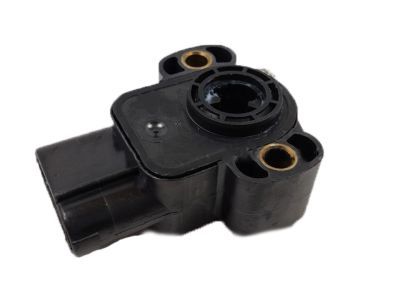
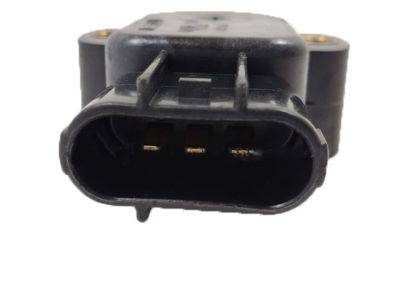
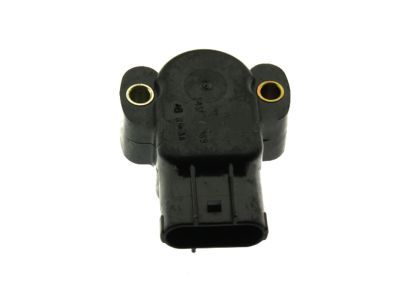
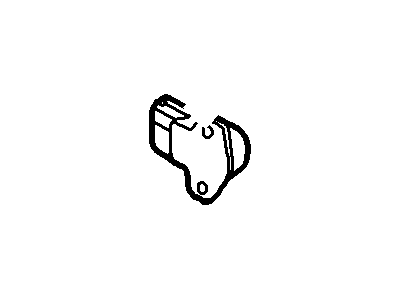
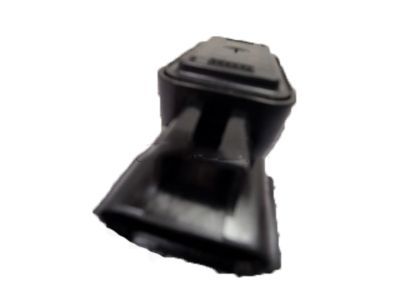
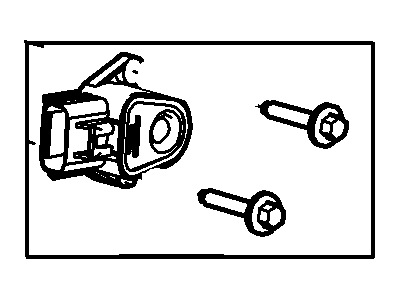
Ford Explorer Sport Trac Engine Throttle Potentiometer
Part Number: F4SZ-9B989-AA$51.41 MSRP: $83.27You Save: $31.86 (39%)Ships in 1-2 Business Days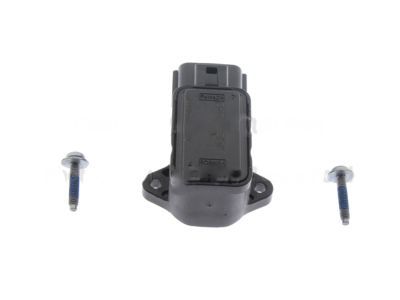
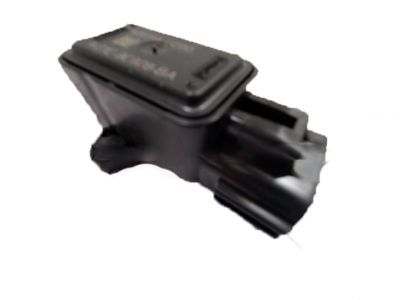
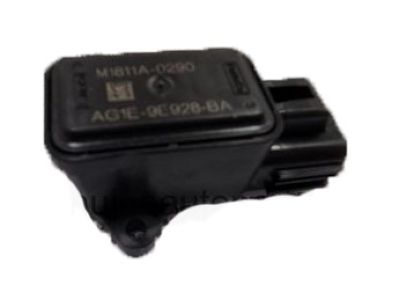
Ford Explorer Sport Trac Engine Throttle Potentiometer
Part Number: 6L2Z-9B989-D$88.33 MSRP: $143.09You Save: $54.76 (39%)Ships in 1-2 Business Days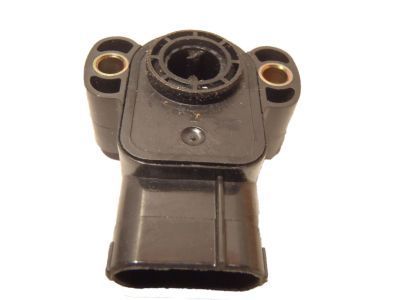
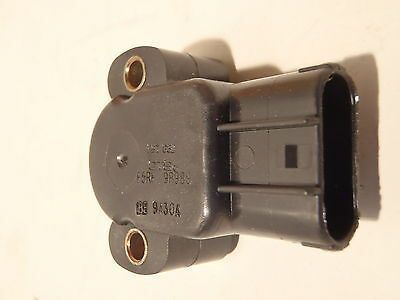
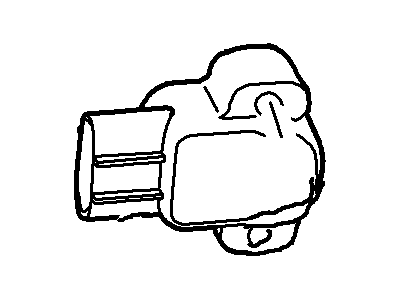
Ford Explorer Sport Trac Engine Throttle Potentiometer
Part Number: F5RZ-9B989-BA$11.01 MSRP: $17.11You Save: $6.10 (36%)
Ford Explorer Sport Trac Throttle Position Sensor
The Throttle Position Sensor or the TPS is very essential with the Ford Explorer Sport Trac in its fuel control wherein series of signals are being relayed back by the TPS concerning the position of the throttle to ideally mix the fuel and air for combustion. In the electronic throttle control system, TPS is connected to the computer of the engine in order to find the quantity of fuel to be supplied in comparison to the air intake. Other forms of TPS include the Closed Throttle Position Sensor otherwise known as the CTPS to show that the throttle is closed fully. Recent TPS employ contactless measurement techniques such current standoff sensors like the Hall effect or magnetoresistive sensors in contrast to the potentiometer ones. When it comes to the broader picture, the TPS and allied accelerator pedal sensors play an interrelated role in the efficiently well-working and performance of Ford Explorer Sport Trac vehicles.
We provide a wide range of Ford Explorer Sport Trac Throttle Position Sensor at the optimal prices. If you need Ford Explorer Sport Trac Throttle Position Sensor, you can shop with confidence on our website. All our OEM parts come with a manufacturer's warranty and are delivered to your doorstep with a fast delivery service.
Ford Explorer Sport Trac Throttle Position Sensor Parts Questions & Experts Answers
- Q:How to troubleshoot the Throttle Position Sensor (TPS) on Ford Explorer Sport Trac?A:When 2001 and newer models give driveability trouble, a working sensor that tests fine means you need to look for breaks or short circuits in the wiring harness between the sensor and PCM. If you cannot find any problems, talk to your dealership's service department or a qualified repair store. The Throttle Position Sensor (TPS) works like a variable-wire potentiometer on the throttle body, sending voltage signals to the PCM (powertrain control module) to tell how far and how fast the throttle moves. If the PCM gets incorrect throttle movement information from the TPS, it causes your car to act up by suddenly accelerating, stopping, and engaging the engine in aggravating idles. Start testing the TPS by disconnecting its electrical connection, and measure its reference voltage. It must be 5.0 volts plus or minus 0.1 volts with the engine turned on. Touch the sensor to the shifter again, then check that the port gives 0.5 to 1.5 volts when the throttle is closed and 4.0 to 5.0 volts when it opens completely. When the ignition is on, the TPS electric signal changes from under 1.5 volts all the way to about 5.0 volts during throttle movements. Contact a professional to look into the sensor if these tests show the problem is still there. Some voltage drops may not show up when you check with a voltmeter. You can't adjust the TPS; to replace it on 2001 and newer Ford Explorers, first undo all the bolts around the snow shield. Disconnect the wiring, and carefully unscrew 2 more bolts to fully detach the TPS from the throttle body. Reconnect everything after fitting in the new sensor properly into the throttle shaft.
Related Ford Explorer Sport Trac Parts
 Ford Explorer Sport Trac Camshaft Position Sensor
 Ford Explorer Sport Trac Temperature Sender
 Ford Explorer Sport Trac Coolant Temperature Sensor
 Ford Explorer Sport Trac Mass Air Flow Sensor
 Ford Explorer Sport Trac Vehicle Speed Sensor
 Ford Explorer Sport Trac Parking Assist Distance Sensor
 Ford Explorer Sport Trac Crankshaft Position Sensor
 Ford Explorer Sport Trac Knock Sensor
 Ford Explorer Sport Trac Yaw Sensor