My Garage
My Account
Cart
Genuine Ford Excursion Brake Light Switch
Brake Lamp Switch- Select Vehicle by Model
- Select Vehicle by VIN
Select Vehicle by Model
orMake
Model
Year
Select Vehicle by VIN
For the most accurate results, select vehicle by your VIN (Vehicle Identification Number).
1 Brake Light Switch found
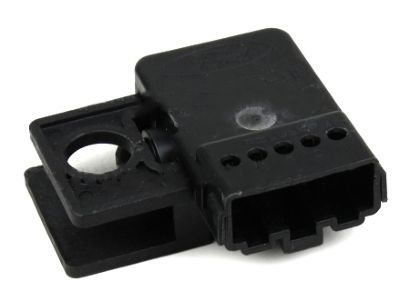
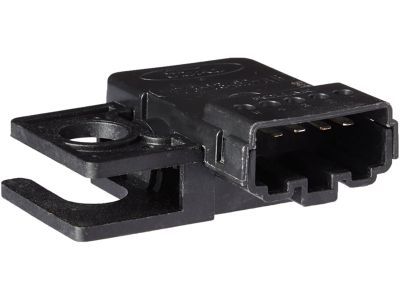
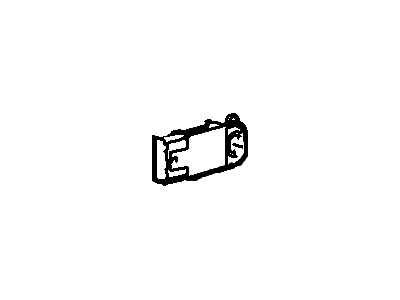
Ford Excursion Stop Light Switch Assembly
Part Number: F87Z-13480-AA$29.95 MSRP: $46.55You Save: $16.60 (36%)
Ford Excursion Brake Light Switch
The brake light switch plays an important function in Ford Excursion to trigger the brake light domain whenever the break pedal is pressed. This mechanism makes other drivers around the Ford Excursion to be aware whenever the car is slowing down or is being brought to a standstill thus increasing the safety of the car on the roads. Although the quoted information has listed various models of Ford Excursion, it does not give more detail about the type and style of Brake Light Switch used but they make it clear that the switch is used to indicate the braking actions. That the Brake Light Switch works plays a huge role in relaying information to other drivers hence safety on the roads.
We provide a wide range of Ford Excursion Brake Light Switch at the optimal prices. If you need Ford Excursion Brake Light Switch, you can shop with confidence on our website. All our OEM parts come with a manufacturer's warranty and are delivered to your doorstep with a fast delivery service.
Ford Excursion Brake Light Switch Parts Questions & Experts Answers
- Q:How to check and replace brake light switch on Ford Excursion?Posted by Nels R.A:The brake light switch illuminates the rear brake lights when the brake pedal is applied and is referred to as the brake on-off (or BOO) switch, functioning as a digital information switch for the powertrain control module. Located at the upper end of the brake pedal, at the connection between the pedal pin and the power brake booster pushrod, access to the switch and connector requires removing the trim panel beneath the steering column. If the brake lights are inoperative, the first step is to check the fuse. If the fuse is good, check for voltage to the switch on the feed wire; if no voltage is present, repair the wire between the switch and the fuse box. If voltage is present, depress the brake pedal and check for voltage at the output wire terminal; if no voltage is present, replace the switch. If voltage is present, check for power on the brake light wires at the tail light housings with the brake pedal depressed; if voltage is not present, repair the circuit between the switch and the brake lights. If voltage is present, check for a bad ground by using a jumper wire connected to a good ground to probe the ground wire terminal at the tail light connector; if the brake lights go on, repair the ground circuit. It is also important to consider that the brake light bulbs could be burned out, although the likelihood of all bulbs being burned out is very slim. To remove the switch, first remove the trim panel below the steering column, unplug the electrical connector from the switch, remove the retaining pin, and disengage the brake light switch from the master cylinder pushrod and the pin on the brake pedal, noting the installation of the nylon washers to ensure they are installed the same way during reassembly, which follows the reverse order of removal.Answered by Ford Parts Specialist George / Nov 26, 2025