

My Garage
My Account
Cart
Genuine 2010 Ford Focus Crankshaft Seal
Crankshaft Seals- Select Vehicle by Model
- Select Vehicle by VIN
Select Vehicle by Model
orMake
Model
Year
Select Vehicle by VIN
For the most accurate results, select vehicle by your VIN (Vehicle Identification Number).
1 Crankshaft Seal found
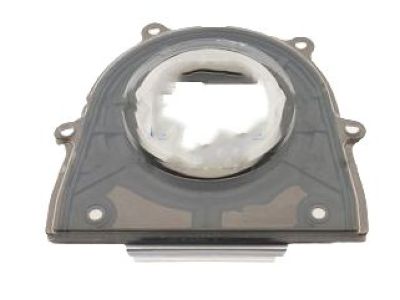
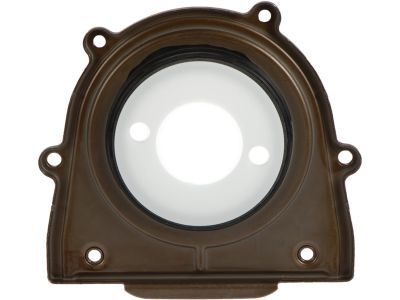
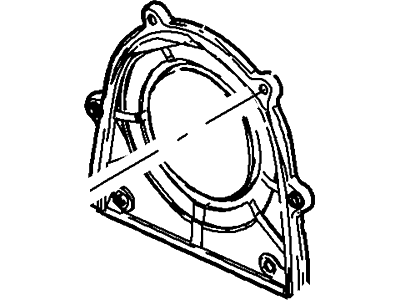
2010 Ford Focus Crankshaft Oil Seal Retainer
Part Number: 1S7Z-6K301-BA$74.49 MSRP: $115.17You Save: $40.68 (36%)Product Specifications- Other Name: Retainer - Crankshaft Oil Seal
- Manufacturer Note: Seal Kit With Installation Tool
- Replaced by: 1S7Z-6A321-B
- Base No.: 6K301
- Item Weight: 3.30 Pounds
- Item Dimensions: 15.6 x 11.0 x 0.6 inches
- Condition: New
- Fitment Type: Direct Replacement
- SKU: 1S7Z-6K301-BA
- Warranty: This genuine part is guaranteed by Ford's factory warranty.
2010 Ford Focus Crankshaft Seal
At FordPartsGiant.com, you will find an extensive inventory of genuine 2010 Ford Focus Crankshaft Seal offered at competitive prices online. These manufacturer-backed OEM 2010 Ford Focus Crankshaft Seal ensure your satisfaction with their quality and come with a hassle-free return policy and expedited delivery service, guaranteeing a delightful shopping experience.
2010 Ford Focus Crankshaft Seal Parts Questions & Experts Answers
- Q:How to replace a Crankshaft Seal in 2.3L and 2.0L engine on 2010 Ford Focus?Posted by Linas S.A:To remove the timing chain end oil seal, one has to remove the crankshaft pulley first. Using a screwdriver gently set the ejector tool and gently knock out the oil seal from the timing cover without scratching the two surfaces. In the case of a tight fit on the shaft, drill two holes of diametrically opposite to each other and use self-tapping screws and pull it off with the help of pliers. Scrub the mounting surface, in the timing cover, and the crankshaft nose, then coat the outer circumferential zone, and sealing lip of the new oil seal with clean engine oil. Force the timing cover into the block squarely and, using a large socket or metal tubing, drive it home flush with the block's external surface and ensure that the cover is still square to the block. Remove any additional oil and install a crankshaft pulley. For the transaxle end oil seal it is suggested that the oil pan should be detached to install a new rear seal and retainer if RTV sealant is to be applied at the seal retainer to pan mating surface and oil pan is not detached. Torque converter case, and releasing shaft, case for manual transaxle models, and the flywheel for automatic models. These lead to the removal of the oil pan after which you have to reverse the process by unplugging the six bolts that retain the oil seal carrier against the cylinder block and you can discard the gasket if there was one. , its exterior surface, and the crankshaft must be cleaned; if rough edges or raised surfaces are present, they must be smooth down as well; the mating surfaces must be degreased. Fit the fresh seal into a special sleeve or carefully make one from, for example, thin PVC, and lubricate its lips and the shoulder of the crankshaft with oil. Place the oil seal carrier properly and fasten the bolts at the right combination in terms of turns to the recommended torque. Clean off any excess oil or grease, specific to the type as well as inspect for indicators of oil spillages when the motor is started once more.Answered by Ford Parts Specialist George / Nov 05, 2025
Related 2010 Ford Focus Parts
 2010 Ford Focus Crankshaft Pulley
 2010 Ford Focus Cruise Control Switch
 2010 Ford Focus Cylinder Head
 2010 Ford Focus Cylinder Head Bolts
 2010 Ford Focus Crankshaft
 2010 Ford Focus Crankshaft Position Sensor
 2010 Ford Focus CV Joint
 2010 Ford Focus CV Boot
 2010 Ford Focus Crankshaft Gear
 2010 Ford Focus Crankshaft Thrust Washer Set
 2010 Ford Focus Crankcase Breather Hose