

My Garage
My Account
Cart
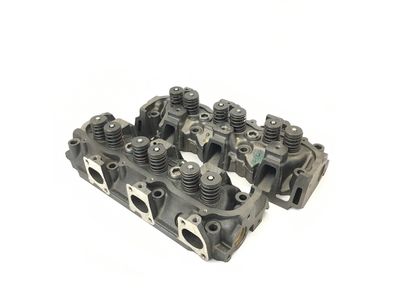
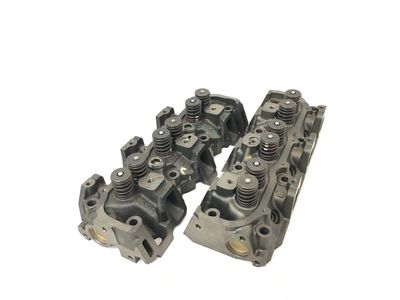
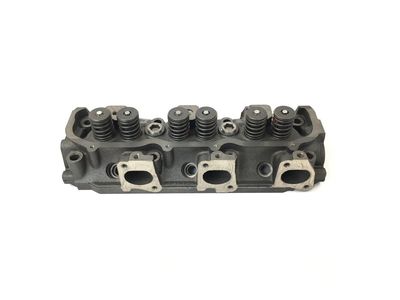
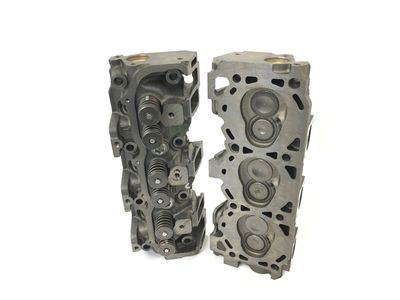
Genuine 1994 Ford Ranger Cylinder Head
Head- Select Vehicle by Model
- Select Vehicle by VIN
Select Vehicle by Model
orMake
Model
Year
Select Vehicle by VIN
For the most accurate results, select vehicle by your VIN (Vehicle Identification Number).
4 Cylinder Heads found
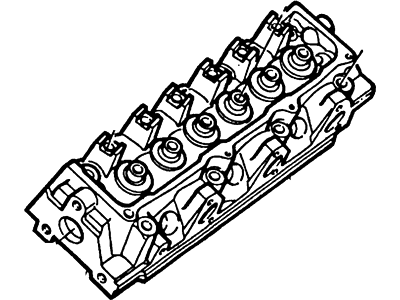 Product Specifications
- Other Name: Cylinder Head Assy
- Item Dimensions: 6.1 x 6.2 x 17.9 inches
- Condition: New
- Fitment Type: Direct Replacement
- Require Quantity: 2
- SKU: F3TZ-6049-C
- Warranty: This genuine part is guaranteed by Ford's factory warranty.
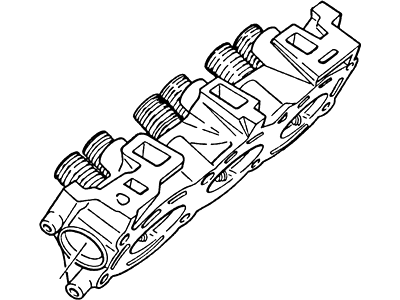 Product Specifications
- Other Name: Kit - Remanufactured Cylinder Head
- Base No.: 6V049
- Item Weight: 17.40 Pounds
- Item Dimensions: 6.3 x 6.2 x 18.8 inches
- Condition: Remanufactured
- Fitment Type: Direct Replacement
- Require Quantity: 2
- SKU: F5DZ-6V049-BRM
- Warranty: This genuine part is guaranteed by Ford's factory warranty.
- Product Specifications
- Other Name: Kit - Remanufactured Cylinder Head; Cylinder Head
- Manufacturer Note: OHV
- Base No.: 6V049
- Item Dimensions: 6.6 x 7.6 x 19.2 inches
- Condition: Remanufactured
- Fitment Type: Direct Replacement
- Require Quantity: 2
- SKU: F3TZ-6V049-DRM
- Warranty: This genuine part is guaranteed by Ford's factory warranty.
- Product Specifications
- Other Name: Cylinder Head Assy
- Item Dimensions: 6.5 x 7.5 x 19.8 inches
- Condition: New
- Fitment Type: Direct Replacement
- Require Quantity: 2
- SKU: F3TZ-6049-D
- Warranty: This genuine part is guaranteed by Ford's factory warranty.
1994 Ford Ranger Cylinder Head
At FordPartsGiant.com, you will find an extensive inventory of genuine 1994 Ford Ranger Cylinder Head offered at competitive prices online. These manufacturer-backed OEM 1994 Ford Ranger Cylinder Head ensure your satisfaction with their quality and come with a hassle-free return policy and expedited delivery service, guaranteeing a delightful shopping experience.
1994 Ford Ranger Cylinder Head Parts Questions & Experts Answers
- Q:What are the steps involved in disassembling, cleaning, and inspecting cylinder heads and their components on 1994 Ford Ranger?Posted by Wiver B.A:New and OEM rebuilt cylinder heads are now obtainable for almost all engines in the dealerships as well as auto parts stores making it easier and cheaper for those who intend performing as home mechanics to acquire replacement instead of taking the time and effort to disassemble, examine and then recondition the heads. Restructuring entails the removal of intake and exhaust valves and some related components such that each part is marked or placed in a separate area for reassembly. Valves must be properly marked and properly restacked to its original orientation while keepers, retainers and springs my be squished out of its compressed shape. When a valve binds, then there could be some need to deburr the area surrounding the keeper groove area. Following the removal and sorting of the valves the head should be cleaned, as should the rest of the engine should one be undertaking an engine rebuild. Cleaning has to do with removal of gasket material, removing scales and coolants' passages, and the use of wire brush and tap for threaded hole areas. The threads of the rocker arm pivot stud should also be cleaned and all parts must be dried, and one has to be careful when using alkaline decarbonizing agents. Every valve needs to be checked for signs of wear, distortion and cracking; valve springs require check for signs of wear or measured to the recommended length. The conditions of the valve seats and guides should also be examined and the damaged or worn parts should be adopted. In the 4-cylinder engines, cam followers will need cleaning with added check on wear and tear, V6 engines need checking on pits, wear, and cracks on the rocker arm manufactured components. If, after the inspection of the components, it is noticed that they are worn out, then assembly of the valves back in the cylinder head has to be undertaken; and then recommendations for valve servicing should be provided.Answered by Ford Parts Specialist Sonny / Feb 16, 2026
Related 1994 Ford Ranger Parts
 1994 Ford Ranger Cylinder Head Bolts
 1994 Ford Ranger Intake Valve
 1994 Ford Ranger Timing Cover
 1994 Ford Ranger Rocker Arm
 1994 Ford Ranger Camshaft
 1994 Ford Ranger Cylinder Head Gasket
 1994 Ford Ranger Exhaust Valve
 1994 Ford Ranger Crankshaft Seal
 1994 Ford Ranger Rocker Shaft Spring Kit