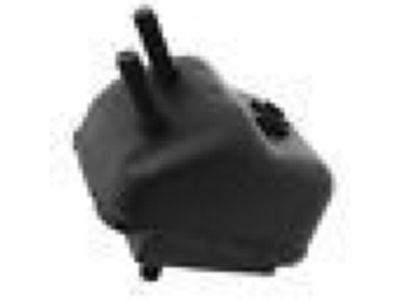
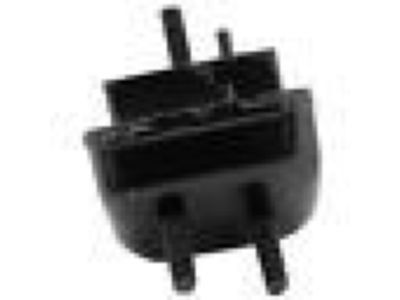
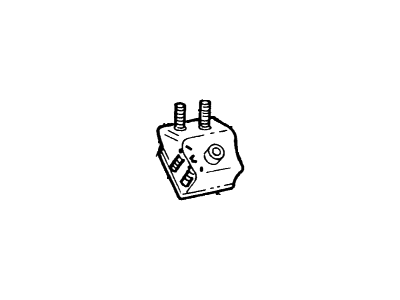
Engine mounts are very rarely an issue, but if any of the mounts are broken or worn they should be replaced as soon as possible to stop the drive line parts from wearing. During the check the engine should be lifted slightly off the mounts to take the weight off the mounts. Lift the vehicle until you find it convenient to place jack stands under it and securely tighten and place a jack under the engine oil pan. If the vehicle is fitted with Automatic Ride Control (ARC), make sure that the air suspension is switched off before lifting the vehicle to prevent damage on the air suspension parts. Interpose one large block of wood between the jack head and oil pan then, gradually jack the engine upwards, enough to lighten the load on the mounts. Check if there're any cracks on the mounts, hardening of rubber or that it has pulled from the metal plates as the rubber can split right down the middle. Probe the separate mount plates for relative movement toward the engine or frame utilizing a large screwdriver or pry bar; in case of the presence of such movement, lower the engine and tighten the mount fasteners. It is also advisable to apply rubber preservative to help in reducing the rate of deterioration that it undergoes. To remove the mounts, first, unfasten the negative terminal on your battery, and if the car is still on the ground ready it on a jack and support it using jack stands if necessary. Take off the fasteners and snap off the mount from the frame bracket position. Lift the engine with a jack or hoist, so that the fan is away from the radiator or shroud, and then unbolt and take off the mount-to-lock. As for removal, installation is really the exact opposite; apply thread locking compound to the mount bolts and make sure they are torqued properly.