Make sure this part fits

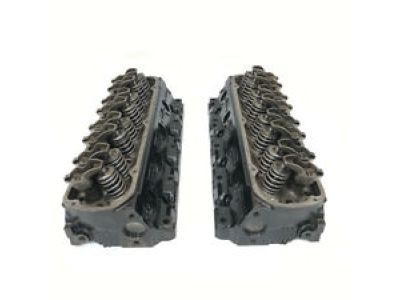
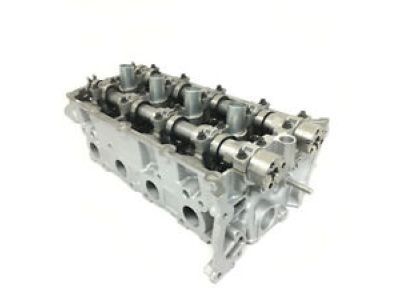
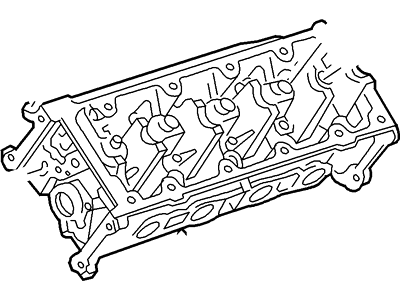
Ford 4L3Z-6049-AA Cylinder Head Assembly

2001-2011 Ford 4L3Z6049AA

Customer Questions & Expert Answers (8)
4L3Z-6049-AA Ford Cylinder Head Assembly Product Photo 1 of 2
  • Part Description
    Cylinder Head Assy
  • Position
    Passenger Side
  • Replaced By
    6W7Z-6049-A
  • Manufacturer
    Ford
Make sure this part fits
$700.77 MSRP: $955.38
You Save: $254.61 (27%)
Core Charge: $250.00
Ships in 1-2 Business Days
1
ADD TO CART
  • Related Parts
  • Specifications
  • Fitment
  • Q&A
  • Product Specifications

    BrandGenuine Ford
    Manufacturer Part Number4L3Z-6049-AA, 4L3Z6049AA
    Part DescriptionCylinder Head Assy
    Item Dimensions25.6 x 13.6 x 11.2 inches
    Item Weight50.40 Pounds
    PositionPassenger Side
    ConditionNew
    Fitment TypeDirect Replacement
    ManufacturerFord
    SKU4L3Z-6049-AA
    WarrantyThis genuine Ford part is guaranteed by Ford's factory warranty.
    Shipping & ReturnShipping Policy Return Policy
    Warning: California's Proposition 65
  • Vehicle Fitment

    Year Make Model Engine Important vehicle option details
    2007-2011 Ford Crown Victoria8 Cyl 4.6L Romeo SOHC EFI4-Speed Automatic Transmission 4R75E Livonia, Left Hand Drive, Rear-Wheel Drive (Left Hand Drive)
    2001-2010 Ford E-1508 Cyl 4.6L, 8 Cyl 4.6L Romeo SOHC EFI4AT 4R100, 4AT 4R70W, 4-Speed Automatic Transmission 4R70W (AODE), 4-Speed Automatic Transmission 4R75E Livonia, 4-Speed Automatic Transmission AODEW/4R70E W/TSS, 4-Speed Automatic Transmission AODEW/4R75E W/TSS, 5-Speed Automatic Transmission 5R110W - HI/Torque, 5-Speed Automatic Transmission 5R110W NAAO
    2003-2010 Ford E-2508 Cyl 4.6L, 8 Cyl 4.6L Romeo SOHC EFI4AT 4R100, 4AT 4R70W, 4-Speed Automatic Transmission 4R70W (AODE), 4-Speed Automatic Transmission 4R75E Livonia, 4-Speed Automatic Transmission AODEW/4R70E W/TSS, 4-Speed Automatic Transmission AODEW/4R75E W/TSS, 5-Speed Automatic Transmission 5R110W - HI/Torque, 5-Speed Automatic Transmission 5R110W NAAO
    2005-2010 Ford E-350/E-350 Super Duty8 Cyl 4.6L Romeo SOHC EFI4-Speed Automatic Transmission 4R70W (AODE), 4-Speed Automatic Transmission 4R75E Livonia, 4-Speed Automatic Transmission AODEW/4R70E W/TSS, 4-Speed Automatic Transmission AODEW/4R75E W/TSS, 5-Speed Automatic Transmission 5R110W - HI/Torque, 5-Speed Automatic Transmission 5R110W NAAO
    2005-2010 Ford E-450 Super Duty8 Cyl 4.6L Romeo SOHC EFI4-Speed Automatic Transmission 4R70W (AODE), 4-Speed Automatic Transmission 4R75E Livonia, 4-Speed Automatic Transmission AODEW/4R70E W/TSS, 4-Speed Automatic Transmission AODEW/4R75E W/TSS, 5-Speed Automatic Transmission 5R110W - HI/Torque, 5-Speed Automatic Transmission 5R110W NAAO
    2004, 2001-2002 Ford Expedition8 Cyl 4.6L, 8 Cyl 4.6L Romeo SOHC EFI4-Speed Automatic Transmission 4R70W (AODE), 4-Speed Automatic Transmission 4R75E Livonia, 4-Speed Automatic Transmission AODEW/4R75E W/TSS, 4AT 4R100, 4AT 4R70W, 4AT 4R75W, 6-Speed Automatic Transmission (6R75), 6-Speed Automatic Transmission (6R80), Four-Wheel Drive (Part Time) (Left Hand Drive), Left Hand Drive, Rear-Wheel Drive (Left Hand Drive)
    2002-2005 Ford Explorer8 Cyl 4.6L Romeo SOHC EFI5-Speed Automatic Transmission 5R55S, 5-Speed Automatic Transmission 5R55W, 5-Speed Manual Transmission (M5R4), 6-Speed Automatic Transmission (6R80), 6-Speed Automatic Transmission 6R60, Four-Wheel Drive (Full Time) (Left Hand Drive), Four-Wheel Drive (Part Time) (Left Hand Drive), Four-Wheel Drive (Part Time) (Right Hand Drive), Left Hand Drive, Rear-Wheel Drive (Left Hand Drive)
    2001-2008 Ford F-1508 Cyl 4.6L, 8 Cyl 4.6L Romeo SOHC EFI4AT, 4AT 4R100, 4AT 4R70W, 4-Speed Automatic Transmission 4R75E Livonia, 4-Speed Automatic Transmission AODEW/4R70E W/TSS, 4-Speed Automatic Transmission AODEW/4R75E W/TSS, 5MT, 5-Speed Manual Transmission - Mazda M5R2-C, Four-Wheel Drive (Part Time) (Left Hand Drive), Left Hand Drive, Rear-Wheel Drive (Left Hand Drive)
    2004 Ford Mustang8 Cyl 4.6L SOHC EFI4AT 4R75W, 4-Speed Automatic Transmission 4R70W (AODE), 5-Speed Manual Transmission (T450D), 5-Speed Manual Transmission T5OD, 5-Speed Manual Transmission TR3650, 6-Speed Manual Transmission Tremec T56, Left Hand Drive, Rear-Wheel Drive (Left Hand Drive)
    2006-2008 Lincoln Mark LT8 Cyl 4.6L Romeo SOHC EFI4-Speed Automatic Transmission 4R75E Livonia, 4-Speed Automatic Transmission AODEW/4R70E W/TSS, 4-Speed Automatic Transmission AODEW/4R75E W/TSS, 5-Speed Manual Transmission - Mazda M5R2-C, Four-Wheel Drive (Part Time) (Left Hand Drive), Left Hand Drive, Rear-Wheel Drive (Left Hand Drive)
    View More
  • Customer Questions & Expert Answers

    Q:
    Is the the correct part for the attached VIN? Posted by FordPartsGiant Specialist
    A:
    You can Select Your Vehicle to check if 4L3Z-6049-AA fits your vehicle.
    Posted by FordPartsGiant Specialist
    Q:
    What are the steps involved in the thorough cleaning and inspection of cylinder heads and valve train components during an engine overhaul on Ford Crown Victoria? Posted by Customer
    A:
    Thorough cleaning of the cylinder head(s) and related valve train components, followed by a detailed inspection, will enable you to decide how much valve service work must be done during the engine overhaul. Begin by scraping all traces of old gasket material and sealing compound off the head gasket, intake manifold, and exhaust manifold sealing surfaces, taking care not to gouge the cylinder head. Remove built-up scale from the coolant passages and use a stiff wire brush to clear deposits from various holes. Run an appropriate size tap into each threaded hole to remove corrosion and thread sealant, and use compressed air to clear debris. Clean the exhaust manifold stud threads and rocker arm pivot stud threads with a wire brush, then clean the cylinder head with solvent and dry it thoroughly, using compressed air to speed up the process. Decarbonizing chemicals may be useful but should be handled with caution. Clean the rocker arms, fulcrums, bolts, and pushrods with solvent, ensuring they are dried thoroughly without mixing them up. Clean all valve springs, spring seats, keepers, and retainers one valve at a time to avoid mixing parts, and scrape off heavy deposits from the valves, using a motorized wire brush for the valve heads and stems. Inspect the head for cracks, coolant leakage, and other damage, consulting an automotive machine shop if necessary. Check the head gasket mating surface for warpage using a straightedge and feeler gauge, and examine the valve seats for pitting, cracking, or burning. Measure the valve stem-to-guide clearance with a dial indicator, and inspect each valve face for wear, deformation, and cracks, ensuring to measure the margin width on each valve. Check each valve spring for wear and free length, ensuring they meet specifications, and inspect spring retainers and keepers for wear and cracks. Clean all rocker arm components thoroughly, checking for wear and damage, and ensure all oil passages are open. If any parts are damaged or excessively worn, they must be replaced, and if the inspection indicates poor condition, the cylinder head should be overhauled according to valve servicing recommendations.
    Posted by FordPartsGiant Specialist
    Q:
    What steps should be taken for thorough cleaning and inspection of the cylinder head and valve train components during an engine overhaul on Ford Expedition? Posted by Customer
    A:
    Elaborate cleaning of the cylinder head(s) ant the oversized valve train parts; then followed by an assessment of the required valve service work as part of the engine enhancement. First clear all old gasket debris and sealant material especially on the following areas; head gasket, intake manifold and exhaust manifold gasket surfaces without damaging the cylinder head. Scrub coolants passages to remove accumulated scale and to clean deposits from various holes use stiff wire brush. Thread a suitable size tap into each threaded hole to remove Corroisafe to prevent thread sealant, and use compressed air to blow out the dirt. On models equipped with the exhaust manifold stud threads clean them, on the other hand, the cylinder head should be cleaned with solvent, and thereafter should be dried preferably with air pressure. Use decarbonizing chemicals for cleaning with measure so as not to harm the car. Avoid mixing of part by cleaning the valve train components and valve springs each on the valve that is being worked on. Shave off thick layers of deposits on the valves and then further work for cleaning by using motorized wire brush. Check the cylinder head for cracks, coolant leakages and take the cylinder head to an automotive machine shop in case of signs of excessive wear. When doing a visual inspection you should check the head gasket mating surface for warpage by using a straight edge and a feeler gauge, in addition the valve seats should also be checked for pitting or signs of burning. The valve stem-to-guide clearance must be checked with a dial indicator and each valve face must be checked for excessive wear / deformation / crack and the margin width should match the standard specifications. Ensure check valve springs are in good condition in terms of wear and variance in free length to be suitable for reuse the same goes for the spring retainers and keepers for wear and crack conditions. Clean all rocker arm parts; check for wear or damage on any of the rocker arm pieces and scuffing on pushrod ends. If any of them are damaged or worn excessively they should be replaced; if the valve components are in poor order, take the valves back to the cylinder head where they will have to be reassemble after cleaning.
    Posted by FordPartsGiant Specialist
    Q:
    What precautions should be taken when working and How to remove and install the cylinder heads in V8 engine on Ford F-150? Posted by Customer
    A:
    Engines are unforgiving as many procedures need at least some special tools, this is more pronounced in the timing chains where one has to be very careful not to damage the engine. Cylinder heads should be removed when the engine is cold to avoid warpage but one can take advantage of this by ensuring that the engine is sufficiently cool in this respect. To start the procedure you must purge fuel system pressure, remove the negative terminal of battery, and drain the cooling system. Depend the valve covers, intake manifold and the exhaust manifold and then proceed to pull out the timing chains, tensioners, sprockets and the camshafts. With the aid of a breaker bar, unscrew the cylinder head bolts in the correct procedure, lifting the cylinder head(s) from the engine and, if there is a problem, use wood and a hammer. Tin the aluminum cylinder head gasket sealing surfaces before installing the heads, and to remove a stuck head, you pry at the corners using a pry bar and this will not damage the sealing surface. The cylinder head gaskets should be pulled off the engines and the original positions should be taken into consideration as the gaskets are not to be interchanged. On reassembly, new cylinder head bolts have to be used to avoid leaks and damage, that are likely to occur in future. Make sure the mating surfaces of the cylinder heads and engine block are clean, and use only a gasket scraper or silicone gasket remover; do not use anything abrasive that could cause future leakages. Look for crack or any other defects on the mating surfaces and bottoms of the bolt holes; run a tap along the threads of bolt holes. Fit the new gaskets in place over the alignment dowels, fit the cylinder heads without disturbing the gaskets, and fit a new cylinder head bolts and tighten in a stage manner starting with the torque-angle technique. Last but not the least, reverse, do the final tightening, change the engine oil and filter, and fill the cooling system and start the engine and check for the leaks.
    Posted by FordPartsGiant Specialist
    Q:
    How to remove and install cylinder heads in 3.5L and 3.7L V6 engine on Ford F-150? Posted by Customer
    A:
    Relieve the fuel system pressure, then disconnect the cable from the negative battery terminal. Drain the cooling system and remove the intake manifold(s), followed by the exhaust manifold. Next, remove the valve covers, camshafts, and tappets, and take off the drivebelt and the drivebelt tensioner. Remove the two Camshaft Position (CMP) sensors at the rear of each cylinder head, disconnect any other electrical connectors from the cylinder head, and mark them with tape for correct reassembly. Loosen the cylinder head bolts in 1/4-turn increments until they can be removed by hand, working from bolt-to-bolt in a reverse pattern of the tightening sequence, and discard the bolts as new ones must be used for reinstallation. Lift the cylinder head(s) off the engine, taking care not to pry between the cylinder head and engine block to avoid damage; use a wood block and hammer if resistance is felt, and store the cylinder heads on blocks of wood to protect the gasket sealing surfaces. Disassembly and inspection of the cylinder heads should be conducted by a qualified automotive machine shop, ensuring that the mating surfaces of the cylinder heads and engine block are perfectly clean upon installation. Avoid using scrapers or abrasive discs on aluminum components, and cover all openings with shop rags to prevent debris from entering the engine, using a vacuum cleaner to remove any fallen debris. Check the engine block and cylinder head mating surfaces for nicks, deep scratches, and other damage; slight damage can be addressed with a file, while excessive damage may require machining. Use a tap of the correct size to clean the threads in the block head bolt holes, as dirt, corrosion, sealant, and damaged threads can affect torque readings. Position the new gasket(s) over the dowel pins in the engine block, ensuring proper orientation, and if replacing the cylinder head, a new secondary timing chain tensioner will be necessary. Carefully place the cylinder head(s) on the engine block without disturbing the gasket(s), lightly oil the threads of the new cylinder head bolts before installation, and tighten them finger tight. Follow the recommended sequence to tighten the bolts to the specified torque. The remaining installation steps are the reverse of removal, and after completing the installation, change the engine oil and filter, refill the cooling system, start the engine, and check for oil and coolant leaks.
    Posted by FordPartsGiant Specialist
    Q:
    Is it more practical and economical for the home mechanic to purchase replacement cylinder heads rather than disassembling, inspecting, and reconditioning the originals on Mercury Grand Marquis? Posted by Customer
    A:
    Cylinder head new or rebuilt are normally in the market for most engines and can be obtained from the dealers or auto parts outlet. For this reason, since the tools needed for disassembly and inspection and in case spare parts for fixing are not available, it can prove more useful and easy on the pocket for the home mechanics to source new heads than it is to strip the heads, inspect them, and reboring they may take. Disassembly requires a removal of intake and exhaust valves and other related parts and accessories including the nuts of rocker arms, the pivot balls, and rocker arms fixed on the cylinder head studs. Part identification; As for the parts at the bottom, it good to label or keep in small black plastic bags with labels so that identification of the valve train parts and their reinsertion in their rightful positions can be easily done. The keepers should be made flats with a spring compressor and the retainers, sleeves, springs, and spring seats should be freed cautiously. When the valve has been pulled out of the head then the oil seal should be removed from the guide and if the valve binds the area around the keeper groove may have to be deburred. This should be done to the other valves as well with the respective parts for each valve placed in one pack for ease of re placement. After all valves and components are taken out and sorted away, a thorough examination and washing of the head should be done, and if the full overhaul is being done, then the engine should be disassembled before starting on the washing and checking sections.
    Posted by FordPartsGiant Specialist
    Q:
    How to remove and install cylinder heads in 4.6L V8 engine on Mercury Grand Marquis? Posted by Customer
    A:
    Bend back the clamp on the cable and disconnect it from the negative battery terminal, take off the valve cover(s) as well. Next, set the intake manifold and the timing chain cover aside, and then take out the timing chains, make sure to make use of the camshaft holding fixture so as to lock the camshafts during the entire procedure of reassembly. Disconnect the exhaust manifold from the exhaust pipe(s) and remove the positive battery cable bracket mounted at the rear of the cylinder head and remove the bolt at the back of the right cylinder head. unscrew the positive battery cable and remove the bracket from the stud at the top right of the cylinder head so as to retrieve it when removing the cylinder head. At the rear of the right cylinder head, remove the ground strap and disconnect the heater hose at the pipe which is fixed at the rear of the right side cylinder head but retained at the head during removal. If necessary one can remove the exhaust manifold(s) although it may be easier to leave the manifold connected to the head during removal due to restricted access. To remove the head bolts, turn them back by a quarter turn at a time with a breaker bar and a deep socket if necessary and use the reverse of the tightening pattern which should be easily done by hand. The lower rear head bolt on the right cylinder head cannot be reached because of the position of the heater/air conditioning case, and the bolt is to be held in place with a rubber band during cylinder head removal, and must be discarded as the new bolts have to be used when reinstalling both the heads. Take off the head(s) above the engine, if it is necessary tear gasket, put a wood between the head and put a hammer to drive it, do not pry between a head and the cylinder block, it can be damaged. Place the heads in wood blocks to protect the gasket sealing areas and then remove the old head gasket(s); there are right hand and left hand heads and the gaskets are different and should not be interchanged. It is necessary to clean the mating surfaces of the cylinder heads and block before their installation and, for this, a gasket scraper should be used, and the cleaned areas should be washed with lacquer thinner or acetone in order to remove oil that weakens the seal. Examine the block and head mating surfaces for flaws, using file for minor roughness and if it is severe, then it might require machining. The taps should be used to clean the threads in the head bolt holes because they cause variation in torque readings due to presence of dirt and corrosion. Place the new gaskets upon the appropriate cylinder banks over the alignment dowels with attention to their interchangeability. Finally before replacing the cylinder heads back on the block rotate the crankshaft counter clockwise about 9 O'clock in order to prevent such damages like the pistons rods or the valve train parts. Place the head(s) on the block without interfering with the gaskets as a new head bolt will be needed and follow the recommended torque sequence tightened with three steps where each bolt to be given additional turns have to be marked with stripe. Tightening procedure to 90 degrees, then to 2 extra turns using specified angle so as to be in the range of the bolt stretch to obtain the right load on the head gasket. The other installation procedures are the opposite of the removal processes and upon completion of the installation change the engine oil and filter, start the engine and look for any oil and coolant leaks respectively.
    Posted by FordPartsGiant Specialist
    Q:
    Why might it be more practical for a home mechanic to purchase replacement heads instead of reconditioning the original ones for the 2004 Ford Expedition? Posted by Customer
    A:
    Because specialized tools are necessary for disassembly and inspection, and replacement parts may not be readily available, it may be more economical to buy replacement heads.
    Posted by FordPartsGiant Specialist
    See expert answers on similar Cylinder Head
    If you have any questions about this product, please don't hesitate to ask us. We will be happy to help you!

Genuine Ford Part 4L3Z-6049-AA, the Right Choice

To ensure reliability, purchase part # 4L3Z-6049-AA Cylinder Head Assembly. It is also called Cylinder Head. OEM parts are of high quality and known for their longevity. This is because they are built to the Ford standards which are relatively high and undergo rigorous quality control testing. This part fits specific Ford Crown Victoria, E-350/E-350 Super Duty, F-150 models. It fits Lincoln Mark LT, Town Car. It also fits Mercury Grand Marquis, Mountaineer.

FordPartsGiant.com is a leading supplier of genuine components and accessories such as 4L3Z6049AA Cylinder Head Assembly. Looking to purchase quality low-cost OEM Ford parts? You have just found the right place. For detailed Ford parts information, click here.

Why choose Ford Parts Giant

  • Dedicated Service

    Your complete satisfaction is our #1 goal

  • Lowest Prices

    Best deals on genuine OE parts from dealerships

  • Fast Delivery

    Orders are processed and delivered promptly