My Garage
My Account
Cart
Genuine Mercury Flywheel
Clutch Flywheel- Select Vehicle by Model
- Select Vehicle by VIN
Select Vehicle by Model
orMake
Model
Year
Select Vehicle by VIN
For the most accurate results, select vehicle by your VIN (Vehicle Identification Number).
51 Flywheels found
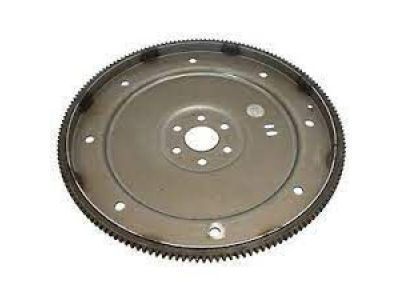
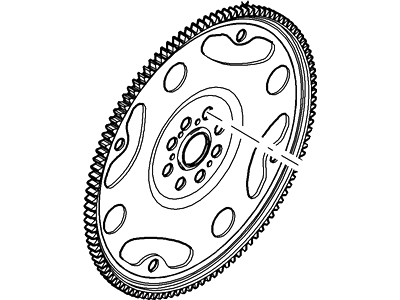
Mercury Flywheel Assembly
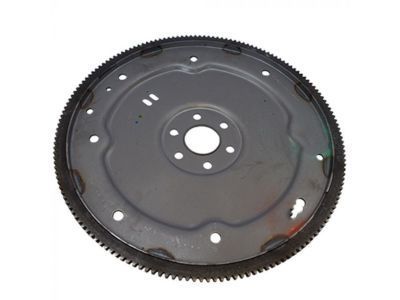
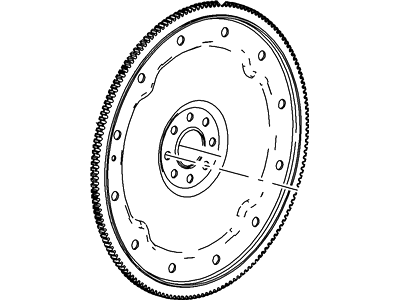
Part Number: 7T4Z-6375-AA$50.46 MSRP: $72.50You Save: $22.04 (31%)Ships in 1-2 Business DaysProduct Specifications- Other Name: Flywheel Assy; Drive Plate, Flywheel
- Manufacturer Note: 3 Bolt Converter
- Replaces: AA5Z-7000-B, AA5Z-7000-D
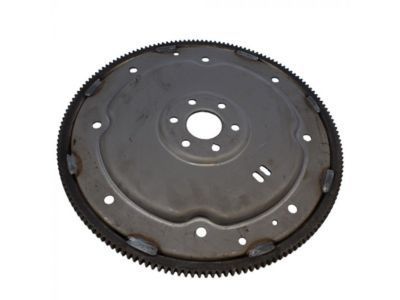
Mercury Flywheel Assembly
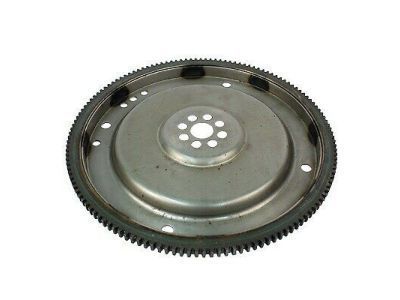
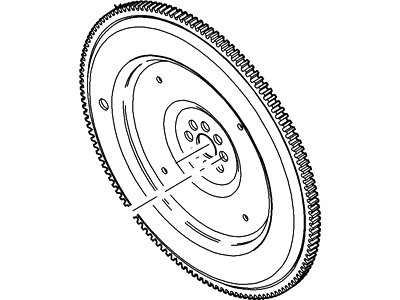
Part Number: 4W7Z-6375-AA$66.46 MSRP: $97.17You Save: $30.71 (32%)Ships in 1-3 Business DaysProduct Specifications- Other Name: Flywheel Assy; Drive Plate, Flywheel
- Replaces: F6AZ-6375-BA, F3LY-6375-A
Mercury Flywheel Assembly
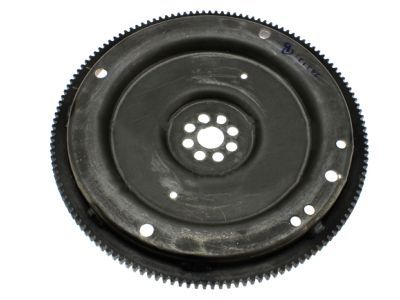
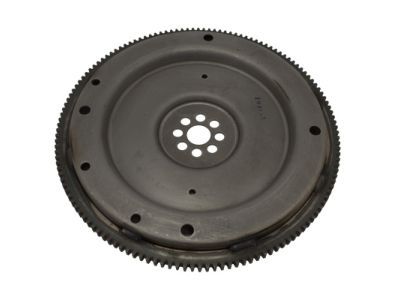
Part Number: 1L2Z-6375-CA$63.16 MSRP: $92.33You Save: $29.17 (32%)Ships in 1-3 Business DaysProduct Specifications- Other Name: Flywheel Assy; Drive Plate, Flywheel
- Manufacturer Note: SOHC 5R55W A/T
Mercury Flywheel Assembly
Part Number: F77Z-6375-AA$57.00 MSRP: $83.33You Save: $26.33 (32%)Ships in 1-3 Business DaysProduct Specifications- Other Name: Flywheel Assy; Drive Plate, Flywheel
- Manufacturer Note: 8 Mounting holes, A/T
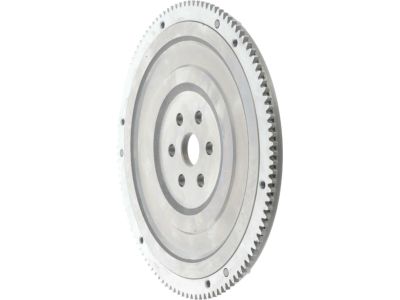
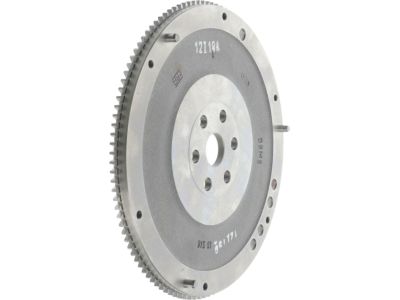
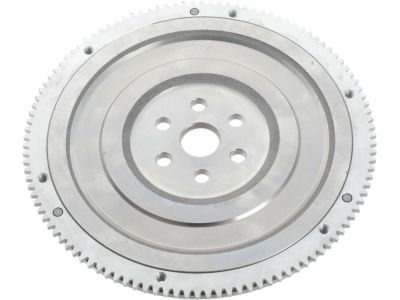
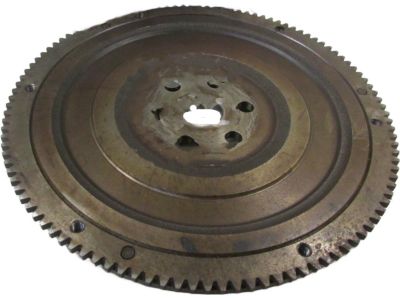
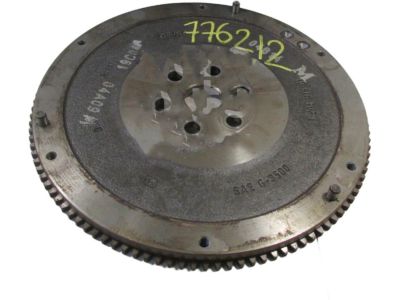
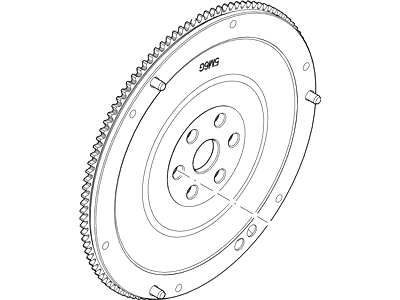
Mercury Flywheel And Ring Gear Assembly
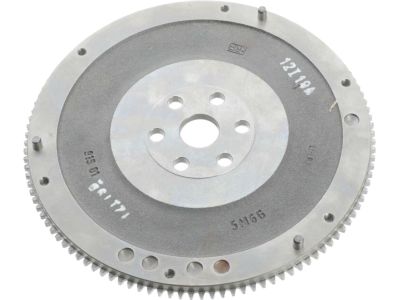
Part Number: 5M6Z-6375-AA$96.59 MSRP: $134.18You Save: $37.59 (29%)Ships in 1-2 Business DaysProduct Specifications- Other Name: Flywheel And Ring Gear Assy; Drive Plate, Flywheel
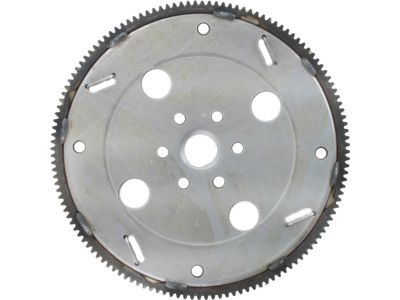
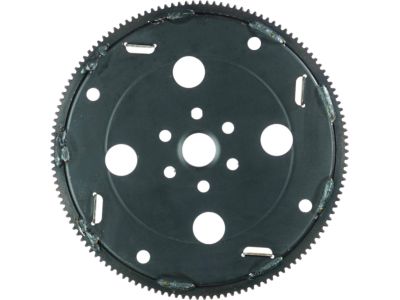
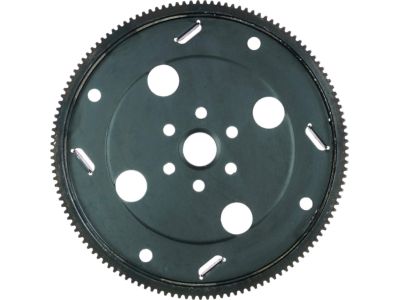
Mercury Drive Plate Assembly
Part Number: F1CZ-6375-A$67.66 MSRP: $93.99You Save: $26.33 (29%)Ships in 1-2 Business DaysProduct Specifications- Other Name: Plate Assy - Drive; Drive Plate, Flywheel
- Manufacturer Note: 4EAT
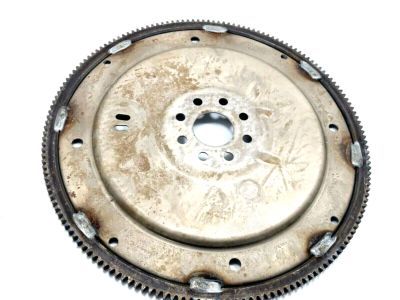
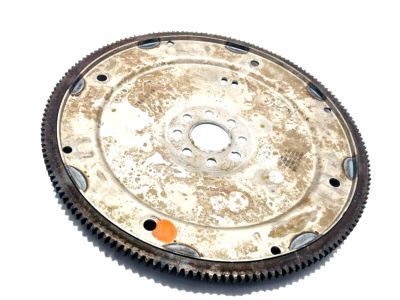
Mercury Flywheel Assembly
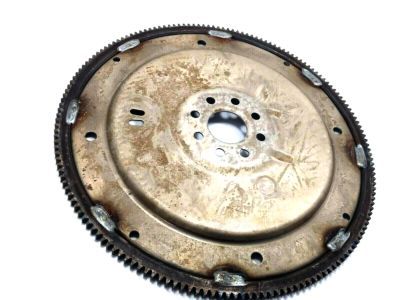
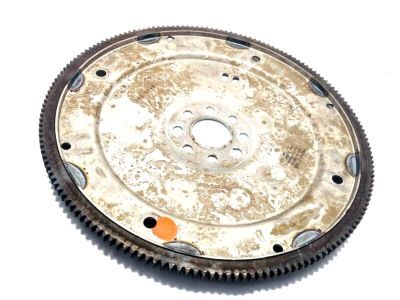
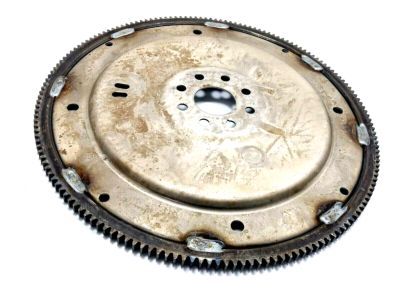
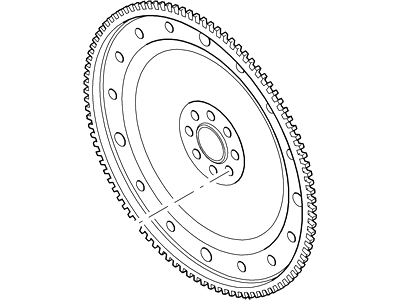
Part Number: F6AZ-6375-DA$50.00 MSRP: $71.83You Save: $21.83 (31%)Ships in 1 Business DayProduct Specifications- Other Name: Flywheel Assy
- Replaced by: 4C3Z-6375-AA
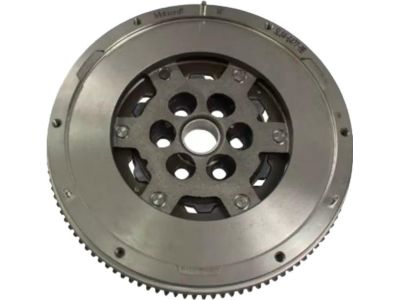
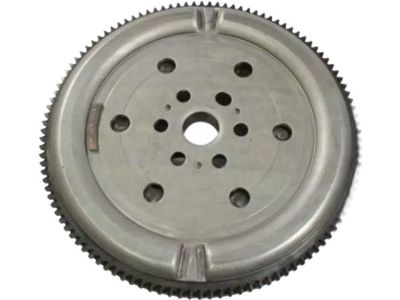
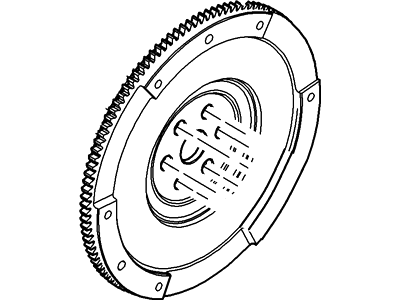
Mercury Flywheel Assembly
Part Number: 5L8Z-6477-AA$444.09 MSRP: $655.00You Save: $210.91 (33%)Ships in 1-3 Business DaysProduct Specifications- Other Name: Flywheel Assy; Flywheel
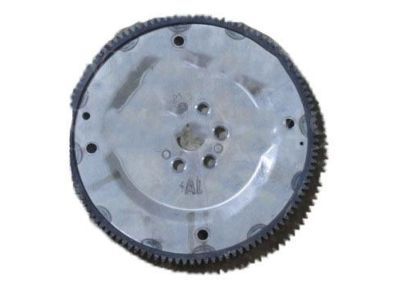
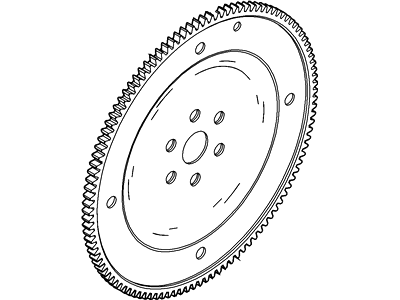
Mercury Flywheel Assembly
Part Number: 1L8Z-6375-AA$72.27 MSRP: $109.50You Save: $37.23 (34%)Ships in 1 Business DayProduct Specifications- Other Name: Flywheel Assy
- Manufacturer Note: A/T
- Replaced by: 1S7Z-6375-E
Mercury Flywheel Assembly
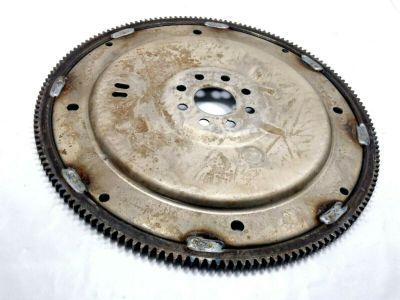
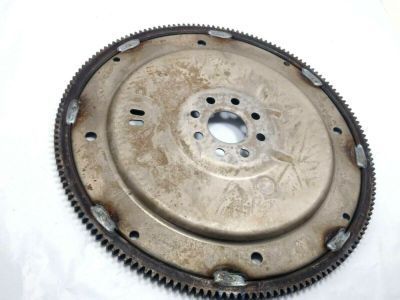
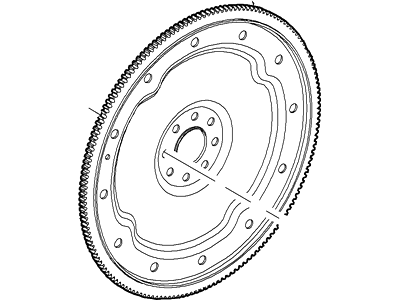
Part Number: F6AZ-6375-BA$66.46 MSRP: $97.17You Save: $30.71 (32%)Ships in 1-2 Business DaysProduct Specifications- Other Name: Flywheel Assy
- Replaced by: 4W7Z-6375-AA
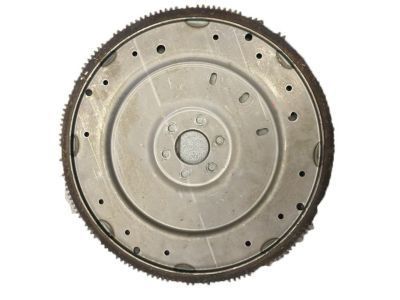
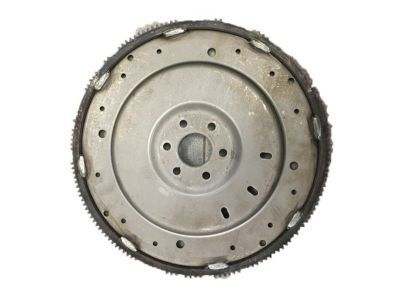
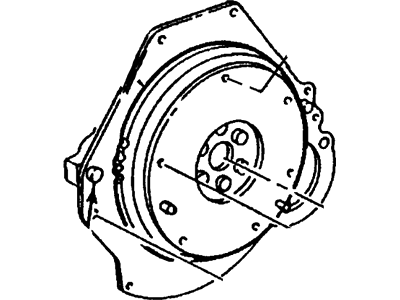
Mercury Flywheel Assembly
Part Number: F3LY-6375-A$66.46 MSRP: $97.17You Save: $30.71 (32%)Ships in 1-2 Business DaysProduct Specifications- Other Name: Flywheel Assy
- Replaced by: 4W7Z-6375-AA
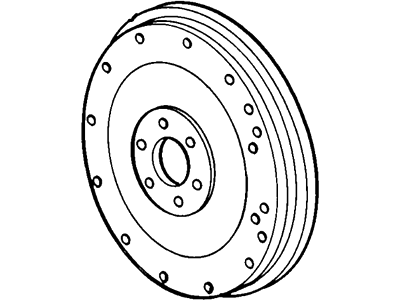
Mercury FLYWHEEL ASY
Part Number: E3DZ6375A$63.07 MSRP: $86.18You Save: $23.11 (27%)Ships in 1-2 Business DaysProduct Specifications- Other Name: Drive Plate, Flywheel
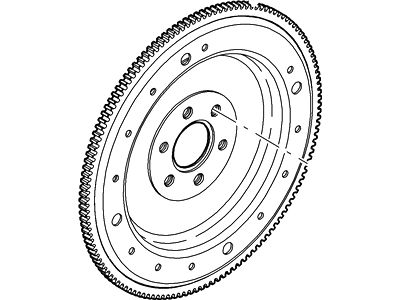
Mercury Flywheel Assembly
Part Number: 2F2Z-6375-AA$185.46 MSRP: $257.63You Save: $72.17 (29%)Ships in 1-2 Business DaysProduct Specifications- Other Name: Flywheel Assy; Drive Plate, Flywheel
- Replaces: 1F2Z-6375-BA
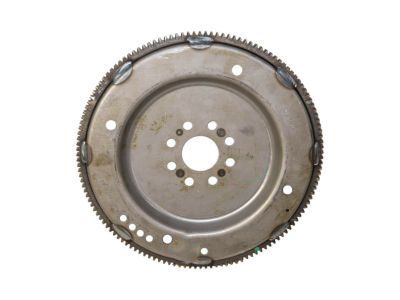
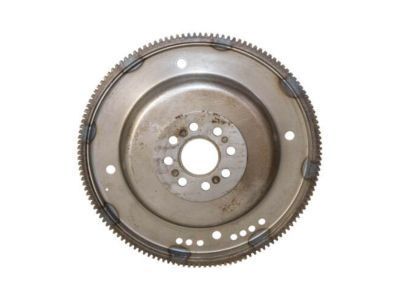
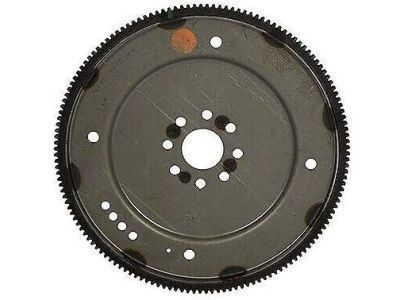
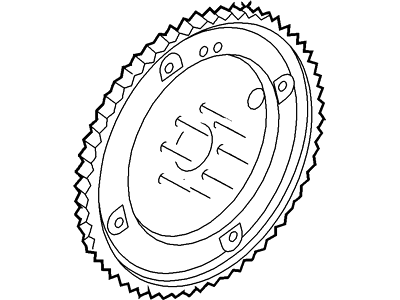 Product Specifications
- Other Name: Flywheel Assy; Drive Plate
 Product Specifications
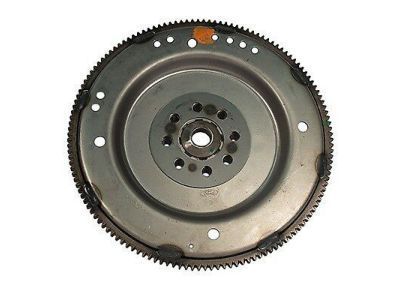
- Other Name: Flywheel Assy; Drive Plate, Flywheel
 Product Specifications
- Other Name: Flywheel Assy; Drive Plate, Flywheel
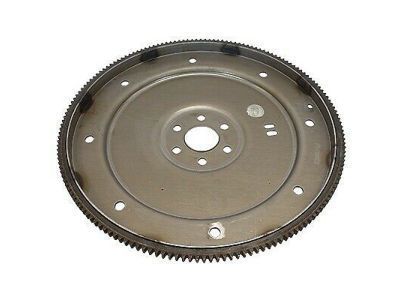
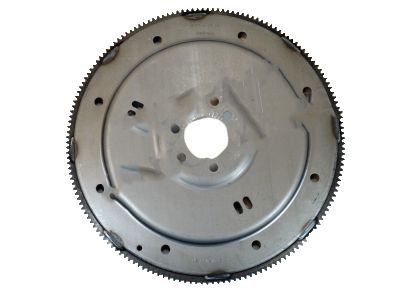
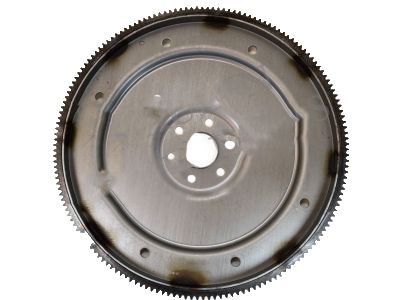
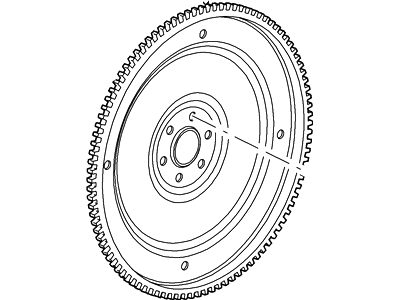 Product Specifications
- Other Name: Flywheel Assy; Drive Plate, Flywheel
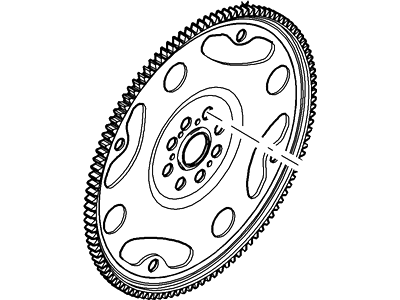 Product Specifications
- Other Name: Flywheel Assy; Drive Plate, Flywheel
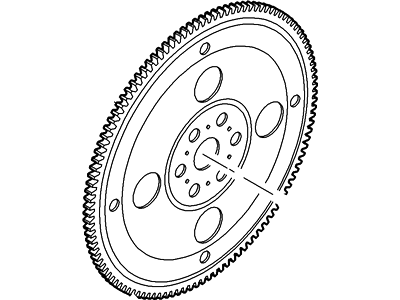 Product Specifications
- Other Name: Flywheel And Ring Gear Assy; Flywheel
- Replaces: 2L8Z-6375-AA
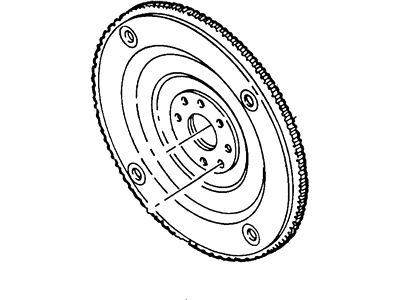 Product Specifications
- Other Name: Flywheel Assy; Drive Plate, Flywheel
- Manufacturer Note: ATX
| Page 1 of 3 |Next >
1-20 of 51 Results
Mercury Flywheel
We offer a wide variety of genuine Mercury Flywheels at competitive prices online. Our OEM Mercury Flywheels come with the assurance of a manufacturer's warranty, alongside a hassle-free return policy and prompt delivery service, ensuring a worry-free shopping experience.
Mercury Flywheel Parts Questions & Experts Answers
- Q: How to properly remove and reinstall a flywheel/driveplate in 3.8L V6 and V8 engine on Mercury Capri?A:Raise the vehicle and support it securely on jackstands. If there's a leak, it's an ideal time to replace the front pump seal/O-ring for automatic transmissions. Remove the pressure plate and clutch disc for manual transmission vehicles, and consider checking or replacing the clutch components and pilot bearing. Look for factory paint marks indicating flywheel-to-crankshaft alignment; if absent, use a center-punch to create alignment marks on both the flywheel/driveplate and crankshaft for correct reinstallation. Remove the bolts securing the flywheel/driveplate to the crankshaft, using a screwdriver to jam the flywheel if the crankshaft turns. Carefully take off the flywheel/driveplate, supporting it while removing the last bolt due to its weight. Clean the flywheel to eliminate grease and oil, inspecting for cracks, rivet grooves, burned areas, and score marks, with light scoring removable using emery cloth. Check for cracked and broken ring gear teeth, laying the flywheel on a flat surface to check for warpage with a straightedge. Clean and inspect the mating surfaces of the flywheel/driveplate and crankshaft, replacing the crankshaft rear seal if it's leaking before reinstalling. Position the flywheel/driveplate against the crankshaft, aligning the marks made during removal, and note that some engines have alignment dowels or staggered bolt holes for correct installation. Apply Teflon pipe sealant to the threads of the bolts before installation, and use a screwdriver through the starter motor opening to prevent the flywheel/driveplate from turning while tightening the bolts to the specified torque. The remainder of the installation follows the reverse order of removal.