My Garage
My Account
Cart
Genuine Lincoln Mark VII Neutral Safety Switch
Transmission Neutral Safety Switch- Select Vehicle by Model
- Select Vehicle by VIN
Select Vehicle by Model
orMake
Model
Year
Select Vehicle by VIN
For the most accurate results, select vehicle by your VIN (Vehicle Identification Number).
1 Neutral Safety Switch found
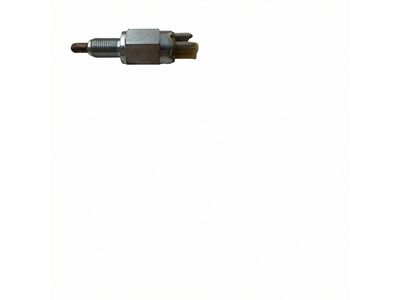
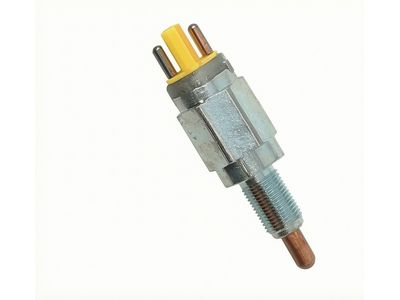
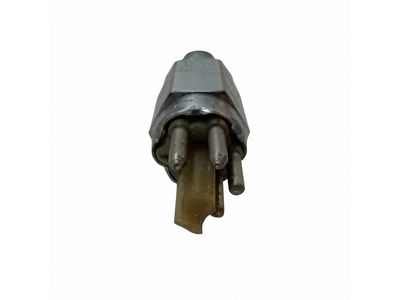
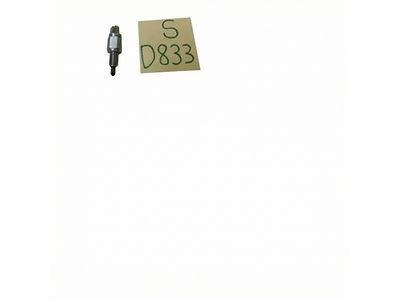

Lincoln Mark VII Neutral Safety Switch
The Lincoln Mark VII Neutral Safety Switch provides that the car will only start when the gear selector is in neutral or park. This prevents the possibility of the car starting when it is in gear, which would make it move suddenly. Within the starter circuit, the Neutral Safety Switch prevents any electricity from going to the motor until the linkage has gone to a safe position, so turning the key in drive leaves the engine quiet. The contact style of every Lincoln Mark VII is identical in its simplicity, which is mechanical. There are no electronic or hydraulic varieties, and hence, there are no major differences in versions from year to year or throughout Mark VII production. When neutral or park position is reached, the Neutral Safety Switch contacts close. This instantly reinstates current and allows crank. When the component becomes faulty, the driver may turn the key and hear no response as the Neutral Safety Switch remains open. Due to this consistent layout, Lincoln fans and drivers know that each Mark VII will share an identical protector that performs the Neutral Safety Switch function each time on starting as per Lincoln tradition.
We provide a wide range of Lincoln Mark VII Neutral Safety Switch at the optimal prices. If you need Lincoln Mark VII Neutral Safety Switch, you can shop with confidence on our website. All our OEM parts come with a manufacturer's warranty and are delivered to your doorstep with a fast delivery service.
Lincoln Mark VII Neutral Safety Switch Parts Questions & Experts Answers
- Q:How to check and replace the Brake Light Switch,Camshaft Position Sensor,Coolant Temperature Sensor,Crankshaft Position Sensor,Intake Manifold Temperature Sensor,MAP Sensor,Mass Air Flow Sensor,Neutral Safety Switch,Oxygen Sensors,Throttle Position Sensor and Vehicle Speed Sensor on Lincoln Mark VII?A:The engine coolant temperature sensor works like a thermistor that changes its power through temperature shifts, and its connection circuit can show trouble by triggering certain problems. Start by finding out how well the sensor works: take the cold and warm resistance readings, then see if warming the sensor makes the resistance go down. Check the voltage sent from the PCM to make sure the resistance values are accurate. To put in the new sensor, wait until the engine cools down fully, cover the threads with special tape, and treat the sensor gently to keep it from getting hurt. The MAP sensor takes readings from the intake manifold pressure, turns them into electrical voltage, and gives this information to the PCM to decide how much fuel to release and when to ignite the fuel. During MAP sensor electrical troubles, special fault codes show up. You can check the MAP sensor by looking at both reference voltage and signal voltage with a voltmeter, then put the system under vacuum and watch for tachometer activity. The PCM reads the oxygen content in the exhaust through the oxygen sensor. The sensor provides electrical input that tells the PCM when to add or reduce fuel in the air/fuel mixture. The MAP sensor works best when the electrical components are connected right, it gets the air it needs, runs at the right temperature, and only uses fuel without lead. Make sure the oxygen sensor gives a constant reading once it warms up, then look to see if its heating element gets power from the battery. The TPS, found on the throttle body, reads how open the throttle valve is to send correct fuel to your engine. You can examine TPS performance by measuring voltage at idle and full throttle, plus looking at PCM reference voltage. The Mass Air Flow (MAF) sensor tells the PCM how much air goes into the engine by converting it into a changing electrical voltage value. To find out if the MAF sensor is working, look for power and voltage at the signal, and check the wire for any breaks. The MLP sensor tells the PCM where the transmission is, which controls different features. Check if the MLP sensor works correctly by making sure the signal wires have the correct voltage. Combinations of problems with the Vehicle Speed Sensor lead directly to a determined fault code. To inspect the VSS, make sure the signal voltage is present at the connection. The Intake Manifold Temperature Sensor tells the PCM how warm the incoming air is, making the PCM work properly. You should measure voltage and resistance in the Intake Manifold Temperature Sensor while testing it to see how temperature affects its readings. A faulty power steering pressure switch can cause problems maintaining proper idling by monitoring fluid pressure. Your car can't tell where it's going without working crankshaft and camshaft sensor signals. Seek out a qualified mechanic to fix location problems that pop up. The brake system lets the PCM know when drivers push their brakes. When checking this part, we look for the brake light system's electricity as well as how connected points are from the brake light bulbs.