

My Garage
My Account
Cart
Genuine Ford Wheel Cylinder
Brake Wheel Cylinder- Select Vehicle by Model
- Select Vehicle by VIN
Select Vehicle by Model
orMake
Model
Year
Select Vehicle by VIN
For the most accurate results, select vehicle by your VIN (Vehicle Identification Number).
52 Wheel Cylinders found
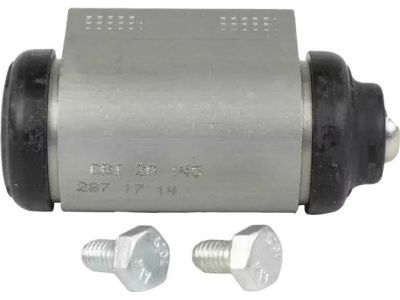
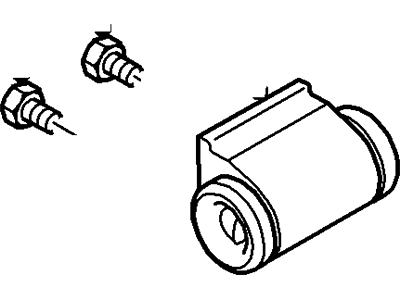
Ford Wheel Cylinder
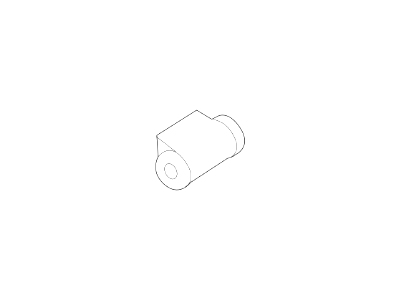
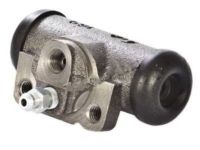
Part Number: 2T1Z-2261-B$47.68 MSRP: $77.24You Save: $29.56 (39%)Ships in 1-2 Business DaysProduct Specifications- Other Name: Cylinder Assembly - Rear Brake; Wheel Cylinder
- Position: Rear
- Replaces: 2T1Z-2261-A
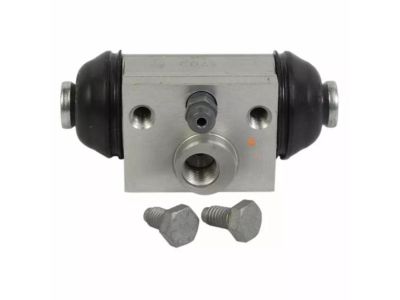
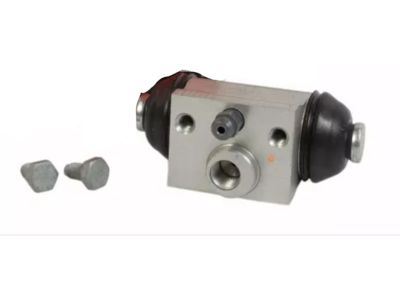
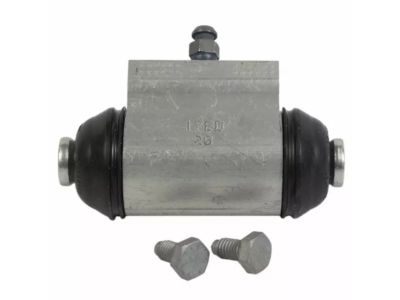
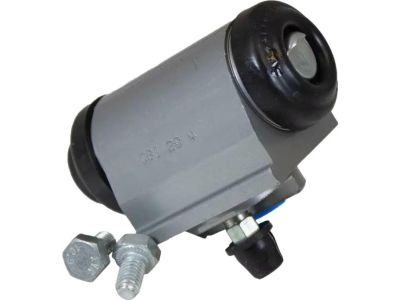
Ford Wheel Cylinder
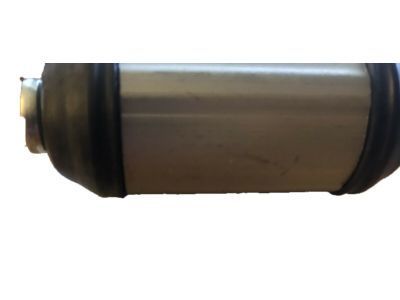
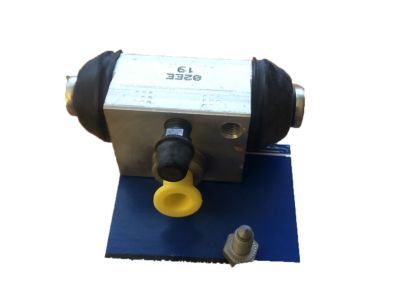
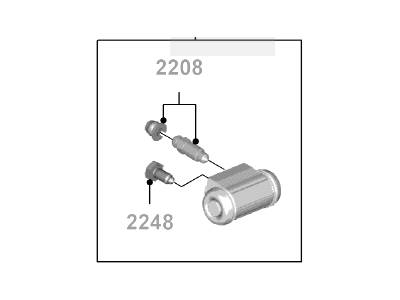
Part Number: BV6Z-2261-A$28.55 MSRP: $46.25You Save: $17.70 (39%)Ships in 1-2 Business DaysProduct Specifications- Other Name: Cylinder Assembly - Rear Brake; Wheel Cylinder
- Position: Rear
- Replaces: CP9Z-2261-A
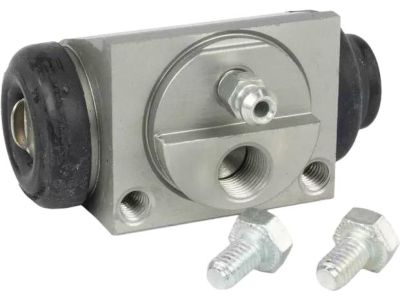
Ford Wheel Cylinder
Part Number: 8V5Z-2261-A$28.96 MSRP: $46.91You Save: $17.95 (39%)Ships in 1-2 Business DaysProduct Specifications- Other Name: Cylinder Assembly - Rear Brake; Wheel Cylinder
- Position: Rear
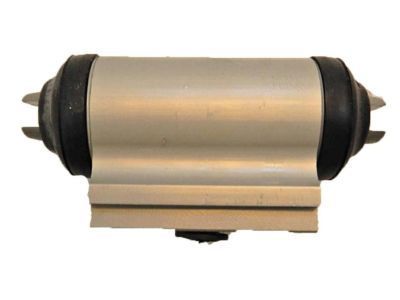
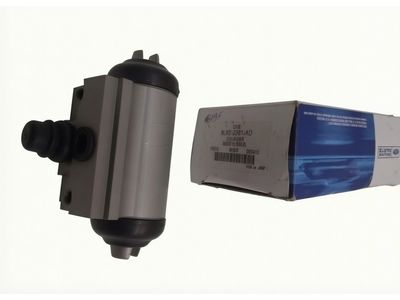
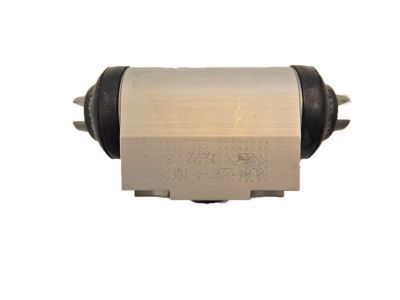
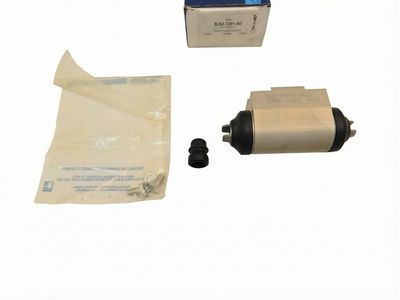
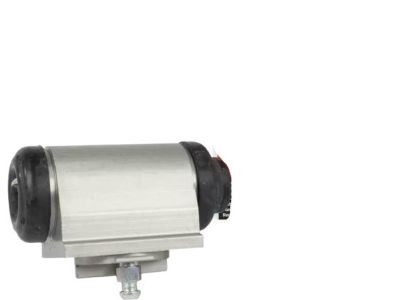
Ford Wheel Cylinder
Part Number: 8L8Z-2261-AD$43.66 MSRP: $70.73You Save: $27.07 (39%)Ships in 1-2 Business DaysProduct Specifications- Other Name: Cylinder Assembly - Rear Brake; Wheel Cylinder
- Position: Rear
- Replaces: 8L8Z-2261-AA
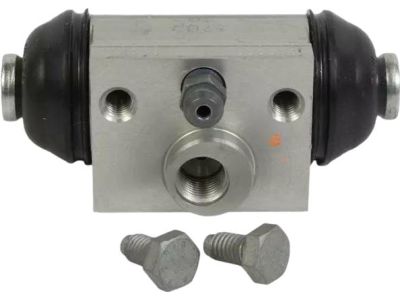
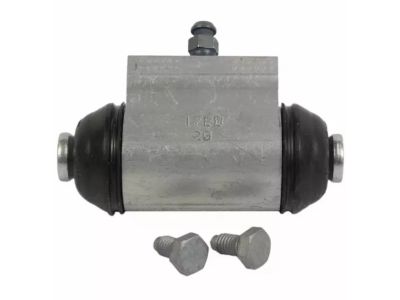
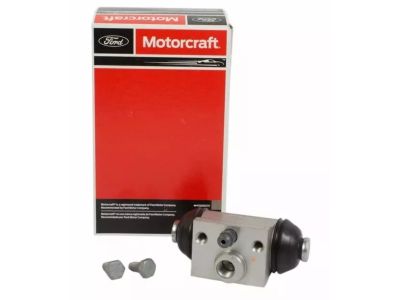 Product Specifications
- Other Name: Cylinder Assembly - Rear Brake
- Position: Rear
- Replaced by: BV6Z-2261-A
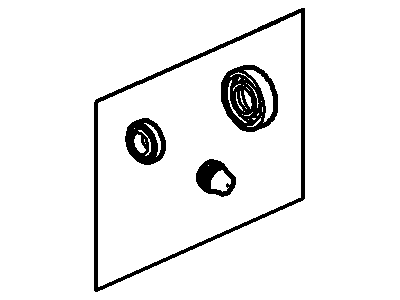
Ford Wheel Cylinder Overhaul Kit
Part Number: YL8Z-2128-BA$20.20 MSRP: $27.61You Save: $7.41 (27%)Ships in 1-2 Business DaysProduct Specifications- Other Name: Kit - Wheel Brake Cylinder Repair; Wheel Cylinder Overhaul Kit
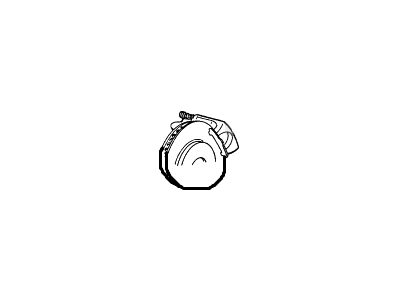 Product Specifications
- Other Name: Caliper Assembly - Brake
- Position: Driver Side
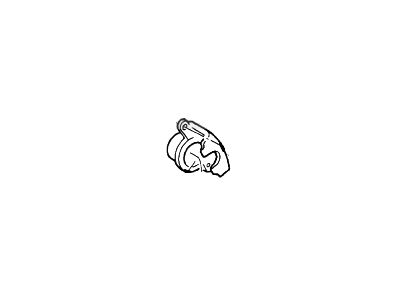
Ford Rear Brake Cylinder Assembly
Part Number: 8L8Z-2261-AA$43.66 MSRP: $70.73You Save: $27.07 (39%)Ships in 1-2 Business DaysProduct Specifications- Other Name: Cylinder Assembly - Rear Brake
- Position: Rear
- Replaced by: 8L8Z-2261-AD
Ford Caliper
Part Number: F5AZ2B120A$84.61 MSRP: $114.17You Save: $29.56 (26%)Ships in 1-2 Business DaysProduct Specifications- Other Name: Caliper Assembly - Brake - Less Pads; Caliper
- Position: Passenger Side
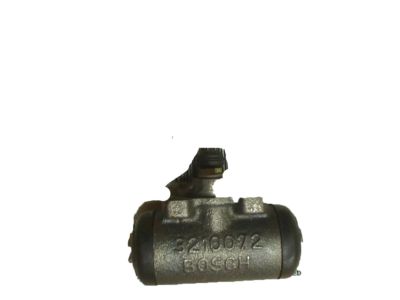
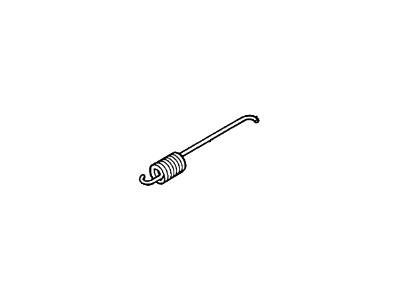 Product Specifications
- Other Name: Cylinder Assy - Rear Brake
- Position: Rear
- Replaced by: 1F1Z-2261-CA
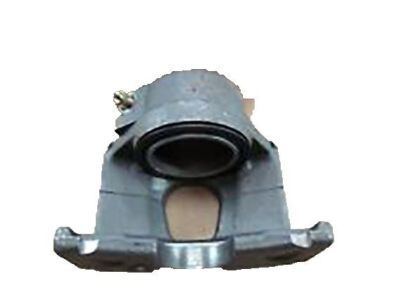
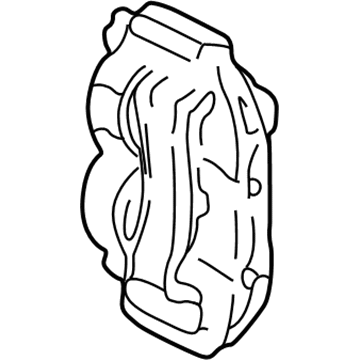 Product Specifications
- Other Name: Caliper Assy - Brake - Less Pads; Caliper, Caliper Assembly
- Manufacturer Note: RH, 4x2
- Position: Passenger Side
- Replaces: F2TZ-2B120-A
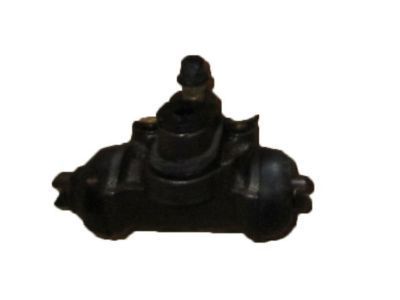
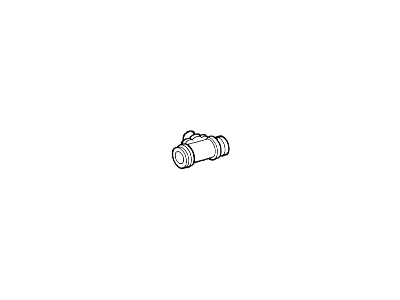 Product Specifications
- Other Name: Cylinder Assy - Rear Brake
- Manufacturer Note: w/drum brake
- Position: Rear
- Replaced by: 1L5Z-2V261-EA
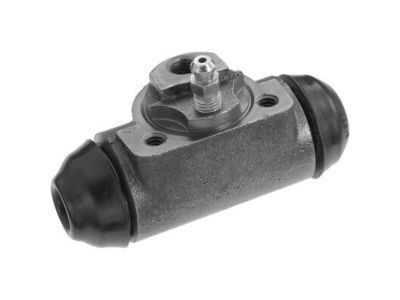
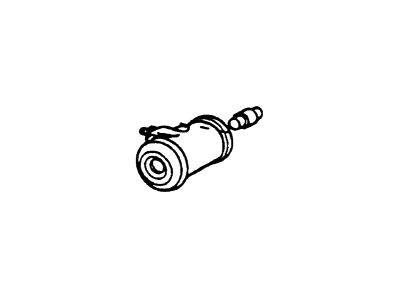 Product Specifications
- Other Name: Cylinder Assy - Rear Brake
- Position: Passenger Side And Driver Side
- Replaced by: 1R3Z-2V261-AA
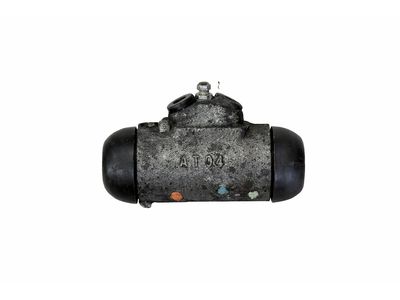
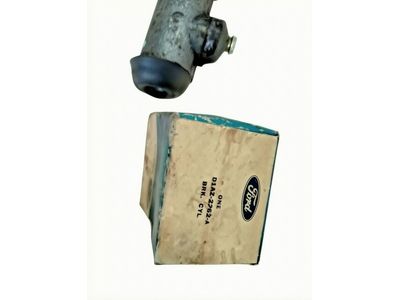
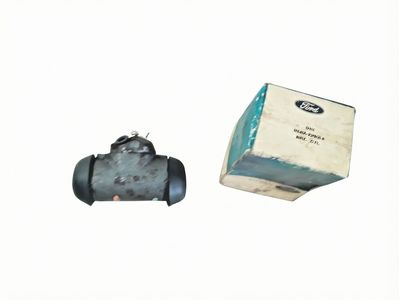
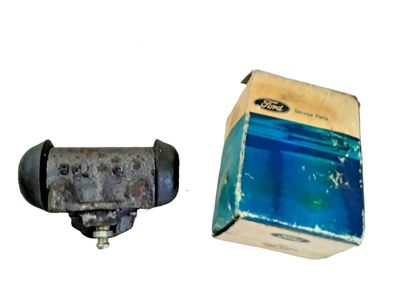 Product Specifications
- Other Name: Cylinder Assy - Rear Brake; Wheel Cylinder
- Position: Driver Side
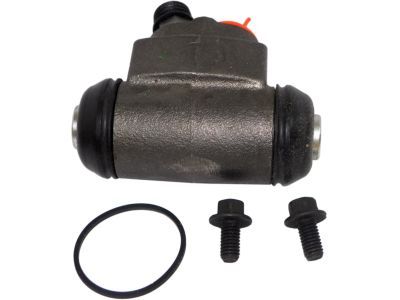
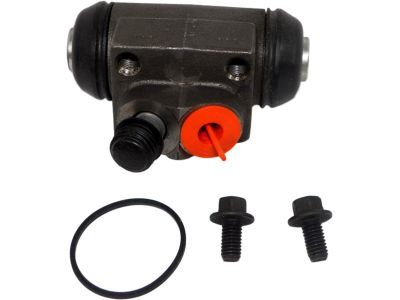
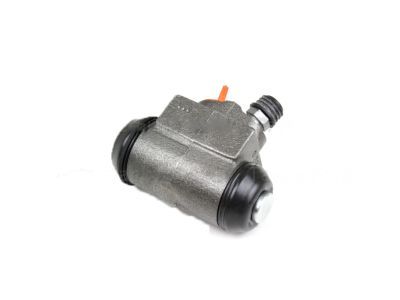
 Product Specifications
- Other Name: Cylinder Assy - Rear Brake; Wheel Cylinder
- Position: Rear
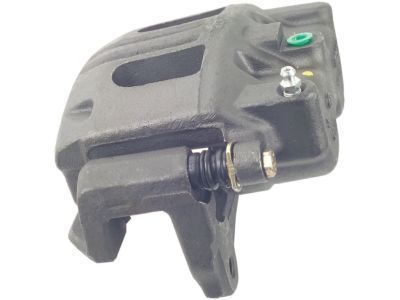
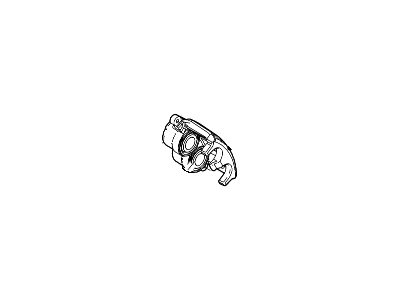 Product Specifications
- Other Name: Caliper Assy - Brake - Less Pads; Caliper
- Position: Passenger Side
- Replaces: 3L2Z-2B120-BB, 1L2Z-2B120-AB
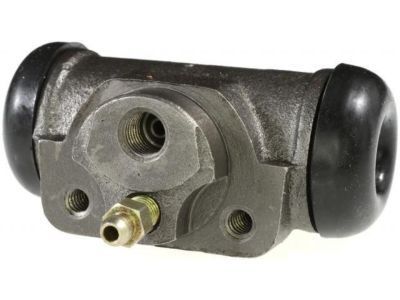
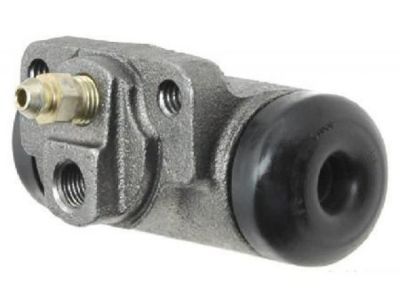
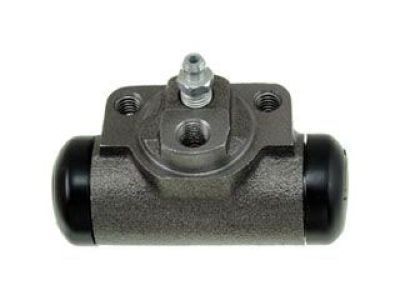
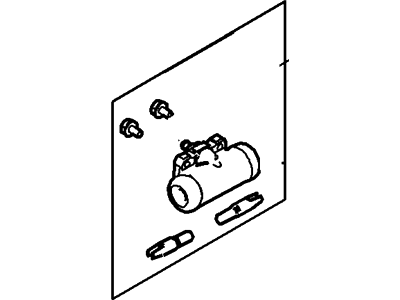 Product Specifications
- Other Name: Cylinder Assy - Rear Brake; Wheel Cylinder
- Position: Rear
- Replaces: 3L5Z-2262-DA, 2L5Z-2262-DB, 2L5Z-2262-DA
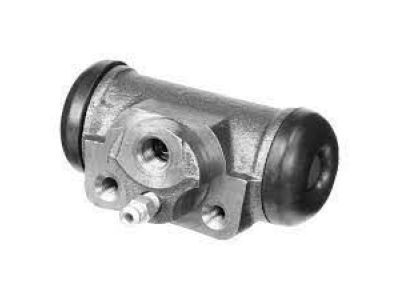
 Product Specifications
- Other Name: Cylinder Assy - Rear Brake; Wheel Cylinder
- Position: Rear
- Replaces: EOZZ-2261-A
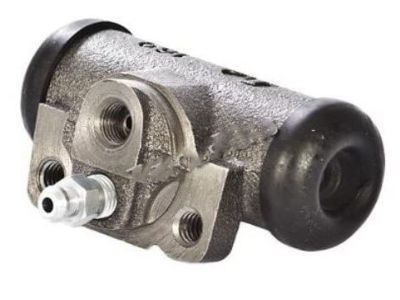 Product Specifications
- Other Name: Wheel Cylinder
- Replaces: 1L5Z-2V261-GA, F87Z-2261-BA
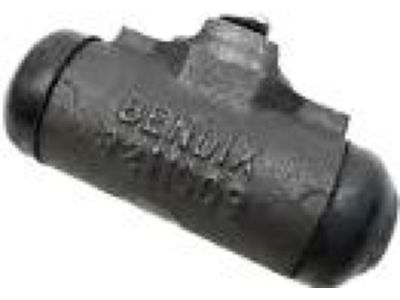
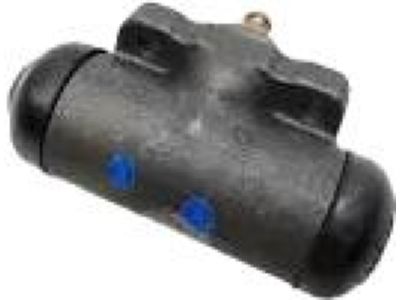
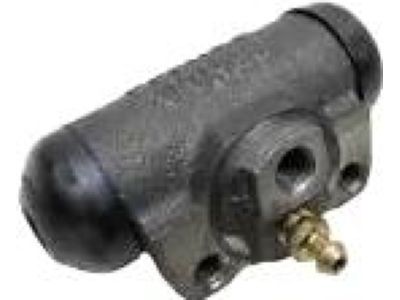
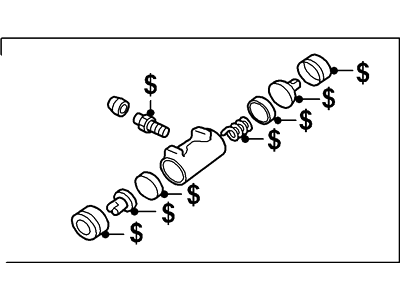 Product Specifications
- Other Name: Cylinder Assy - Front Brake; Wheel Cylinder
- Manufacturer Note: Retail
- Position: Passenger Side
- Replaces: 1L5Z-2261-AA, 1L5Z-2128-AA, 1L2Z-2V261-AA
| Page 1 of 3 |Next >
1-20 of 52 Results
Ford Wheel Cylinder Parts Questions & Experts Answers
- Q:How to remove, overhaul, and install a wheel cylinder on Ford Ranger?Posted by Jesiah S.A:If an overhaul is indicated, especially where there is evidence of fluid leakage or sticky operation, then consider all other possibilities before commencing on the job. New wheel cylinders are now on the market and so this is quite an easy exercise to undertake. In case the decision is to rebuild the wheel cylinder, it is necessary to ensure that there is a rebuild kit from the outset. In any case, if the wheel cylinders have to be replaced, it is always recommended that they both are replaced at the same time. If you have to remove the wheel cylinder now you have to carry out the following steps:-Ensure you have bloacked the 4 wheels and lifted the rear of the vehicle supported it on jackstands. Then, the brake shoe assembly must be withdrawn and all dirt and other substances are to be wiped off the wheel cylinder. After loosening the nut on the brake line fitting, unbolt two mounting bolts so as not to distort the brake line away from the wheel cylinder. Next, it is time to remove the wheel cylinder from the Brake Dust Shield and should be done on a clean bench and the brake line should be plugged to minimize the loss of the fluid and contamination. In the course of the overhaul, you are required to detach the bleeder screw, cups, pistons, boots and spring assembly from the wheel cylinder body. Scrub the wheel cylinder with brake fluid, denatured alcohol or brake system cleaner as petroleum products are prohibited. The excess fluid is to be removed and the passages blown with compressed air, though this air should be filtered and free of lubrication. Inspect the cylinder bore for signs of rust and or scores; rust can be scrubbed off using crocus cloth If this is not possible or there are scores on the bore then replace the cylinder. Coat the new cups, pistons, and cylinder bore with the brake fluid and fit all the brake cylinder parts in the right manner, while the lips of the cups must face tightly to the interior part. At last, put the wheel cylinder in its right position securing the mounting bolts and then tighten the bolt to its required torque. Attach the brake hose and then refit the brake shoe assembly, then the bleeding process completes.Answered by Ford Parts Specialist Ley / Sep 8, 2022
Related Ford Parts
 Ford Wheel Cover
 Ford Wheel Seal
 Ford Brake Master Cylinder
 Ford Brake Shoe
 Ford Brake Bleeder Screw
 Ford Wheel Cylinder Repair Kit
 Ford Parking Brake Shoe
 Ford Brake Master Cylinder Rebuild Kit
 Ford Brake Drum
 Ford Brake Master Cylinder Reservoir
Browse by Model
Aspire Wheel Cylinder Bronco Wheel Cylinder Contour Wheel Cylinder Crown Victoria Wheel Cylinder E-150 Wheel Cylinder E-250 Wheel Cylinder E-350/E-350 Super Duty Wheel Cylinder E-450 Super Duty Wheel Cylinder Escape Wheel Cylinder Escort Wheel Cylinder EXP Wheel Cylinder Expedition Wheel Cylinder Explorer Sport Trac Wheel Cylinder F-150 Wheel Cylinder Festiva Wheel Cylinder Fiesta Wheel Cylinder Focus Wheel Cylinder Granada Wheel Cylinder Mustang Wheel Cylinder Probe Wheel Cylinder Ranger Wheel Cylinder Taurus Wheel Cylinder Tempo Wheel Cylinder Thunderbird Wheel Cylinder Transit Connect Wheel Cylinder