My Garage
My Account
Cart
Genuine Ford Taurus Differential Seal
Differential Seals- Select Vehicle by Model
- Select Vehicle by VIN
Select Vehicle by Model
orMake
Model
Year
Select Vehicle by VIN
For the most accurate results, select vehicle by your VIN (Vehicle Identification Number).
1 Differential Seal found
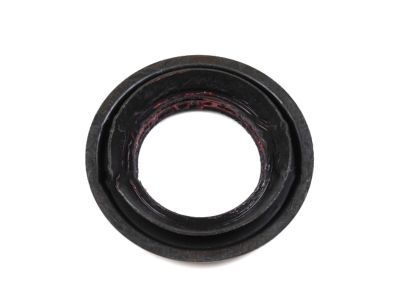
Ford Taurus Front Seal
Part Number: 8G1Z-4N046-A$21.77 MSRP: $31.83You Save: $10.06 (32%)Ships in 1-2 Business Days
Ford Taurus Differential Seal
The Differential Seal in a Ford Taurus keeps gear oil in the transaxle and dirt that could grind the crown and pinion out, letting the sedan turn smoothly and quietly. Situated at the axle ends of most front-drive Taurus models, the Differential Seal keeps lubricant surrounding either an open differential or the sometimes fitted performance trim's limited slip unit. The open setup splits torque evenly, which works until one of the tires slips, while the limited slip has clutch packs to shift more power to the wheel that has traction and therefore needs a stronger Differential Seal due to higher internal pressures. Early Ford generations employed a simple synthetic-rubber ring, while later years adopted upgraded compounds that resist heat, moisture, and evaporation, but installation depth still matters because a flush or slightly in fit prevents leaks. According to the updated Ford service schedules for many Taurus editions, leak detection for a diff should trigger a prompt renewal as a dry diff will wreck gears fast. The quick replacement of the Differential Seal returns the smooth road manners that Ford Taurus drivers love. Additionally, ensuring the integrity of the Differential Seal is crucial for optimal performance.
We provide a wide range of Ford Taurus Differential Seal at the optimal prices. If you need Ford Taurus Differential Seal, you can shop with confidence on our website. All our OEM parts come with a manufacturer's warranty and are delivered to your doorstep with a fast delivery service.
Ford Taurus Differential Seal Parts Questions & Experts Answers
- Q:How to replace the differential seal on the pinion of a Ford Taurus?Posted by Kymani M.A:Loosen the wheel lug nuts, raise the rear of the vehicle, and support it securely on jackstands while blocking the opposite set of wheels to prevent rolling. Remove the wheels and disconnect the driveshaft from the differential companion flange, fastening it out of the way. Mark the relationship of the pinion flange to the shaft and count the number of exposed threads on the shaft. A flange holding tool or a chain wrench will be needed to keep the companion flange from moving while loosening the self-locking pinion nut. Remove the pinion nut and withdraw the flange, using a two-jaw puller if necessary, avoiding prying or hammering behind the flange or on the end of the pinion shaft. Pry out and discard the old seal, then inspect the seal bore for cleanliness and smoothness. Lubricate the lips of the new seal and fill the space between the seal lips with wheel bearing grease, tapping it evenly into position with a seal installation tool or a large socket to ensure it enters squarely and to its full depth. Install the pinion flange, aligning it with the previously made marks, and if necessary, tighten the pinion nut to draw the flange into place without hammering. Install a new pinion nut and tighten it to the specified torque, then complete the installation by reversing the removal steps.Answered by Ford Parts Specialist Sonny / Jan 29, 2026