

My Garage
My Account
Cart
Genuine Ford Taurus Axle Shaft
Car Axle Shaft- Select Vehicle by Model
- Select Vehicle by VIN
Select Vehicle by Model
orMake
Model
Year
Select Vehicle by VIN
For the most accurate results, select vehicle by your VIN (Vehicle Identification Number).
56 Axle Shafts found
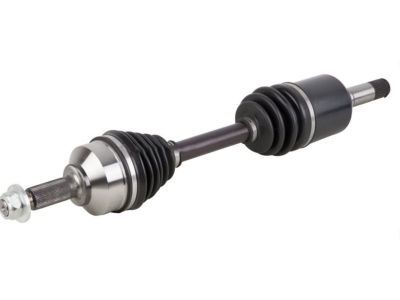
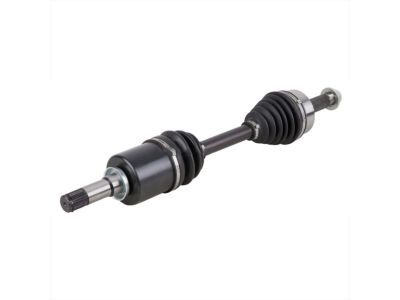
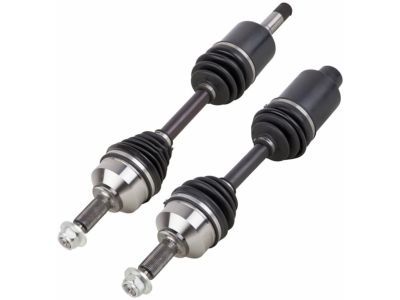
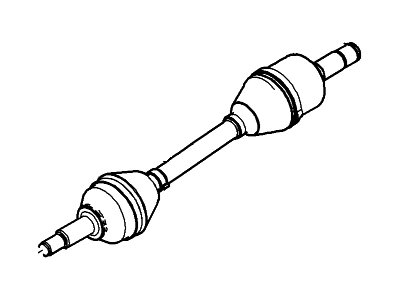
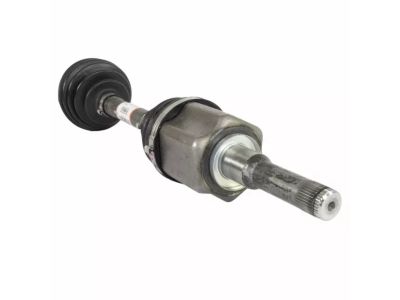
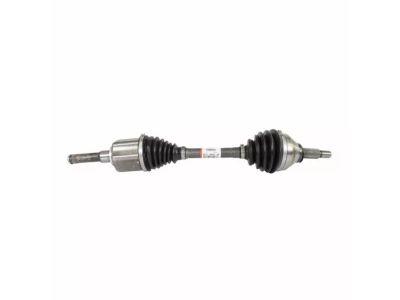
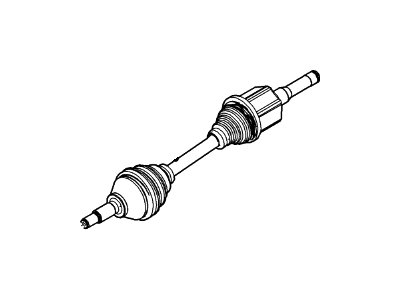
Ford Taurus Axle Assembly
Part Number: DG1Z-3B437-G$233.77 MSRP: $381.82You Save: $148.05 (39%)Ships in 1-2 Business Days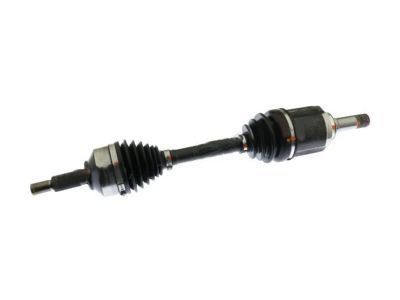
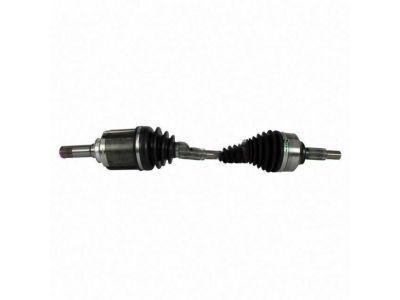

Ford Taurus Front Axle Shaft
Part Number: DG1Z-3B437-A$191.02 MSRP: $312.00You Save: $120.98 (39%)Ships in 1 Business Day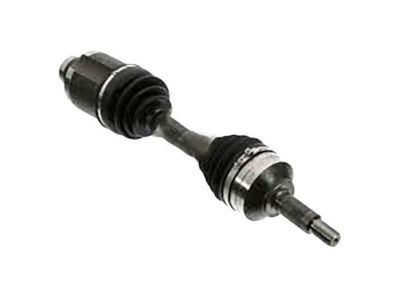
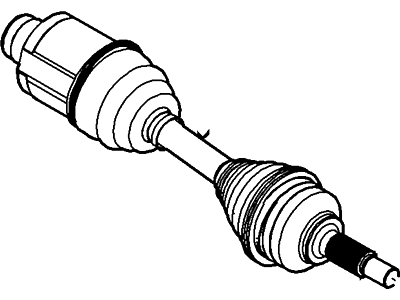
Ford Taurus Front Axle Shaft
Part Number: DG1Z-3B436-A$191.02 MSRP: $312.00You Save: $120.98 (39%)Ships in 1-2 Business Days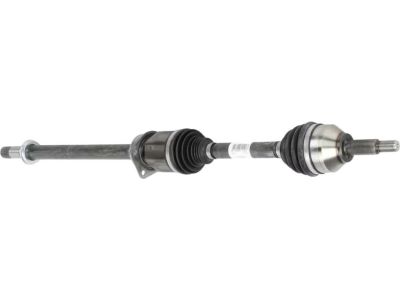
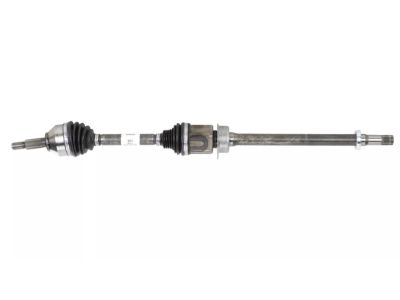
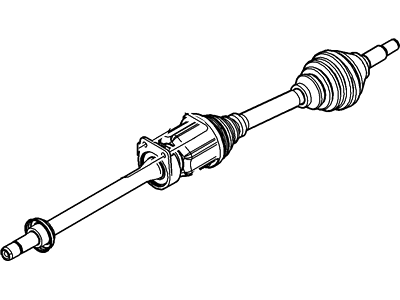
Ford Taurus Front Axle Shaft
Part Number: CA5Z-3B436-D$250.83 MSRP: $349.09You Save: $98.26 (29%)Ships in 1-2 Business Days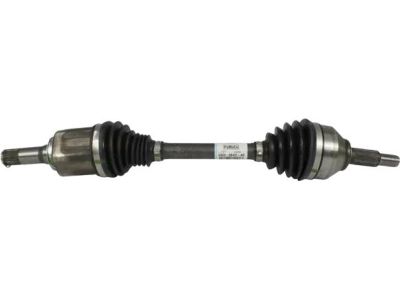
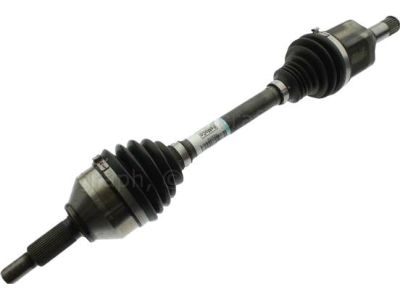
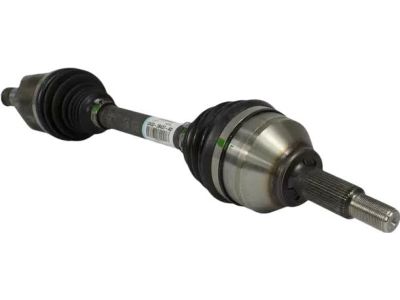
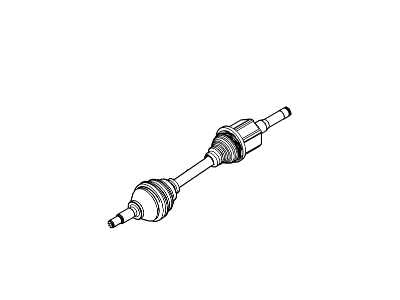
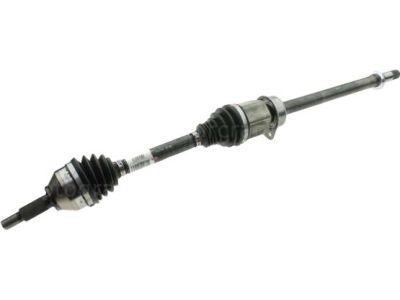
Ford Taurus Front Axle Shaft
Part Number: CA5Z-3B437-A$131.27 MSRP: $212.65You Save: $81.38 (39%)Ships in 1-2 Business Days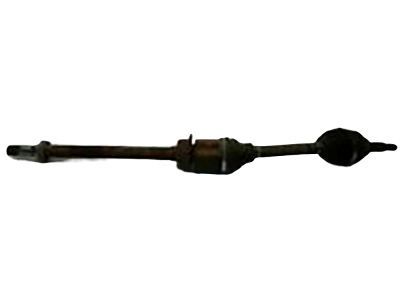
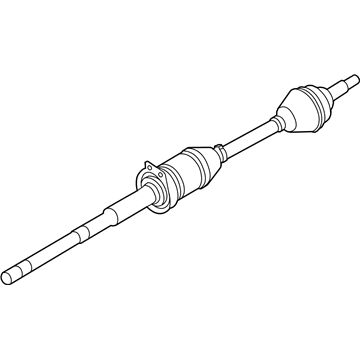
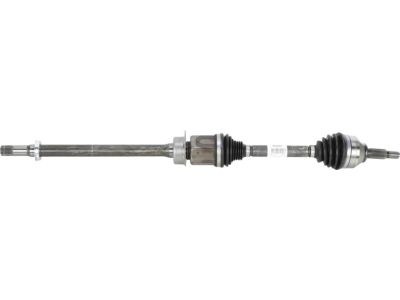
Ford Taurus Front Axle Shaft
Part Number: CA5Z-3B436-F$250.83 MSRP: $349.09You Save: $98.26 (29%)Ships in 1-2 Business Days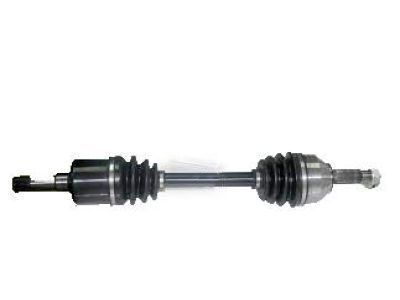
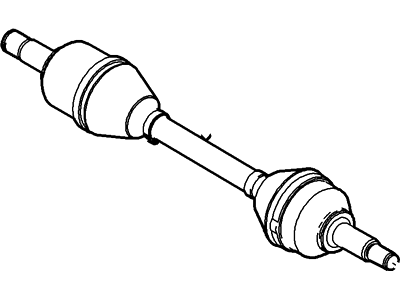
Ford Taurus Front Axle Shaft
Part Number: 8A8Z-3B437-D$131.27 MSRP: $212.65You Save: $81.38 (39%)Ships in 1-2 Business Days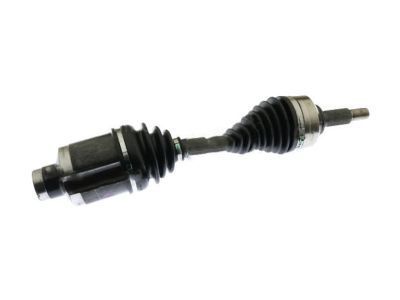
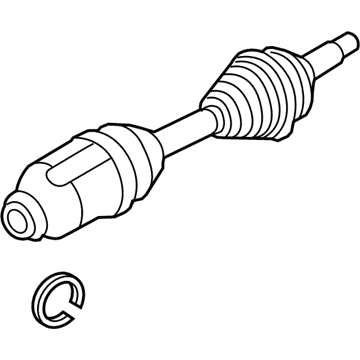
Ford Taurus Front Axle Shaft
Part Number: DG1Z-3B436-D$191.02 MSRP: $312.00You Save: $120.98 (39%)Ships in 1-2 Business Days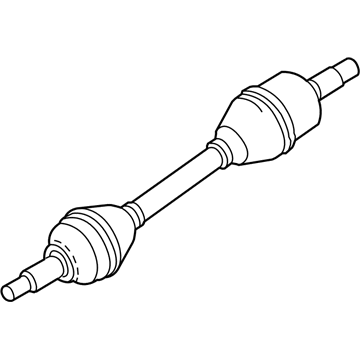
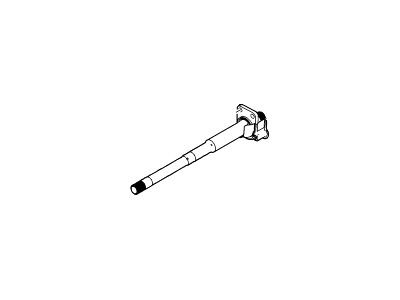
Ford Taurus Inner Shaft
Part Number: DG1Z-3A329-F$165.13 MSRP: $250.21You Save: $85.08 (34%)Ships in 1-3 Business Days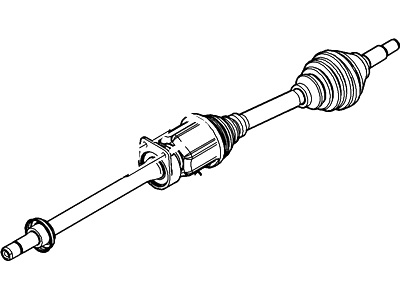
Ford Taurus Axle Assembly
Part Number: DG1Z-3B436-F$290.81 MSRP: $474.98You Save: $184.17 (39%)Ships in 1-2 Business DaysFord Taurus Front Axle Shaft
Part Number: CA5Z-3B436-E$202.60 MSRP: $330.91You Save: $128.31 (39%)Ships in 1-2 Business Days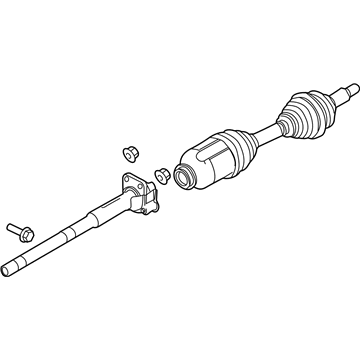
Ford Taurus Front Axle Shaft
Part Number: CA5Z-3B436-G$202.60 MSRP: $330.91You Save: $128.31 (39%)Ships in 1-2 Business Days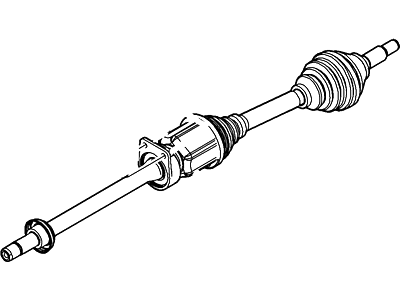
Ford Taurus Front Axle Shaft
Part Number: DG1Z-3B436-C$290.81 MSRP: $474.98You Save: $184.17 (39%)Ships in 1-2 Business DaysFord Taurus Front Axle Shaft
Part Number: DG1Z-3B436-B$290.81 MSRP: $474.98You Save: $184.17 (39%)Ships in 1-2 Business DaysFord Taurus Shaft
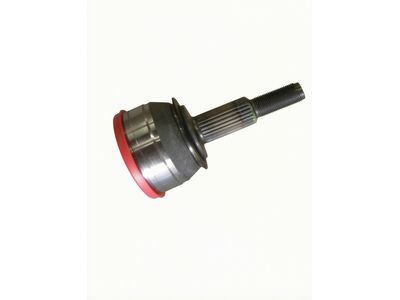
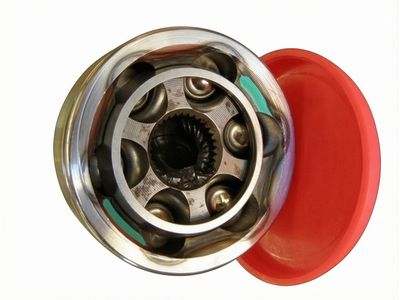
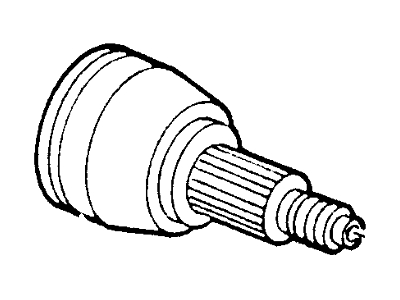
Part Number: DG1Z-3A329-C$165.13 MSRP: $250.21You Save: $85.08 (34%)Ships in 1-3 Business Days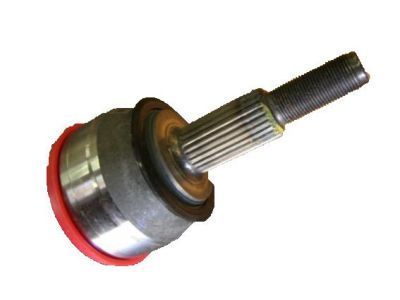
| Page 1 of 3 |Next >
1-20 of 56 Results
Ford Taurus Axle Shaft
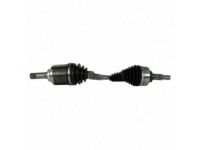
The Axle Shaft in Ford Taurus helps to transmits torque from the differential through the drive wheels so that they can independently rotate hence enhance the tractive capability of the car during cornering. Usually, these axle shafts are made from steel and are intended for usage in both dual and single path assembly in front wheel as well as rear wheel drive applications. With regards to the axle shafts, various aspects of Ford Taurus models made a different type of axles such as solid axles and halfshafts. Solid axles are used on most cars that are older and halfshaft are used in cars that have independent suspension system for better performance. While one can adduce differences in the preeminent concepts of construction and usage to determine the differences between the two types, the building of a solid axle has a role of supporting weight and transferring torque compared to the halfshaft which has a role of transferring power from the transaxle to wheels. Some of the repercussions of worn out components include noise and vibration and potential failure of the axle shaft system for 'Ford Taurus' vehicles therefore necessitating regular maintenance.
We provide a wide range of Ford Taurus Axle Shaft at the optimal prices. If you need Ford Taurus Axle Shaft, you can shop with confidence on our website. All our OEM parts come with a manufacturer's warranty and are delivered to your doorstep with a fast delivery service.
Ford Taurus Axle Shaft Parts Questions & Experts Answers
- Q:How to remove and install Axle Shaft on Ford Taurus?A:Starting in 2008, reports recommend replacing the Axle Shaft seal whenever technicians change the driveaxle. Start by removing wheel lug nuts. Then lift your vehicle and place it firmly on jackstands before removing the wheel. You can access inner CV joint by taking off the splash shield, removing its locking pushpins. When pressing the brakes, unscrew the driveaxle/hub nut then take a new one but don't throw away the old one. Take away the brake hose bracket and wheel speed sensor cable connections from the shock absorber. Disconnect the brake caliper and its support bracket. Support everything carefully to stop the brake hose from getting harmed, and disconnect the tie-rod end from the steering knuckle if you need more space to work. First unfasten the control arm from the steering knuckle, and then attach a drive hub eliminator to divide the driveaxle from the hub. Pull the knuckle's hub assembly while keeping the driveaxle loose, and attach wire to keep the inner CV joint safe from strain. To release the right CV joint, remove its nuts connecting the support bearing to its bracket; on the left side, use a special driveaxle remover tool to gently pull until the joint comes free. Hold the CV joints in place and take the driveaxle out of your car. To install it, disassemble your old clip at the driveaxle's inner end and fasten in a fresh one. Apply multi-purpose grease on the shaft seal before carefully bringing up the driveaxle, holding the CV joints in place. Keep the spring clip in position with the opening down. Slide the splined end of the inside CV joint into the side gear of the differential, making sure the spring clip locks into its groove, and then check connection by pulling on the inner CV joint housing. On the right side, bolt and tighten the two support nuts of the intermediate shaft support bearing bracket. Before connecting the hub, apply a little grease to the splines of the CV joint on the outer side. Then, pull the steering knuckle back and slide the stub axle into position. Set the control arm back onto the steering knuckle. Tighten all hardware connecting the two pieces together. Begin by placing back the brake caliper and bracket, then hook up the tie rod to the steering knuckle if you've separated them. Insert the driveaxle, put your foot on the brake pedal to keep it from spinning, then hand-tighten the original driveaxle nut. Release the brake and bolt-tighten the nut to the exact torque specification. Remove and throw away the original nut. Step 1: Put on a fresh nut, and screw it in tight - do this before lowering the vehicle, or you risk damaging the wheel bearings. The special locking paste that comes with the driveaxle nut should be tightened to its threads within five minutes of apply. Put the wheel in place and screw on the lug nuts, let the car come down, and attach the lug nuts firmly to their proper tension. To work on the back wheels (AWD models), block the front wheels first. Then, without turning them, remove the wheel lug nuts. Raise the back part of the car and put it on stable jackstands before you take the wheel off. Take off the wheel speed sensor and brake line stopper from the wheel knuckle, detach the brake caliper and brake disc, holding the caliper in place with wire but keeping the brake hose connected. Ask someone to step on the brake, and take out the driveaxle nut by itself. Use a drive hub removal tool to disconnect the driveaxle from the wheel hub. With the lower control arm held up by a jack, we loosen and remove these four connections: the upper control arm and shock absorber lower bolt, the outer toe link and upper stabilizer bar link, the wheel knuckle support, and finally the lower arm attaching bolt from the knuckle. Push the driveaxle inner end out of the differential, move the axle housing outward to detach the drivehaft from the outer hub, and pull the driveaxle fully. Before installing, remove and replace the spring clip that used to be on the driveaxle end. Use oil to coat the inner joint stub shaft's appropriate surface where the seal moves. Afterwards, push the joint's splined portion through the differential, letting the spring clip settle into its groove. Be careful not to scratch the Differential Seal when putting the driveaxle in place, and make sure to line up the gap in the spring clip at 6 o'clock so you can fit it easier. Cover the outer end of the drive axle with thin grease, push the wheel knuckle out, and put the drive axle's outer end inside the hub. Tighten the driveaxle in place by using the old driveaxle/hub nut. Then apply the brake and torque it to the correct values. Finally, replace this nut with a new one. Fit bolts to join the control arms (top and bottom) to wheel knuckle and screw them down to the engine manufacturer's requirement. Take the time to connect and secure the new drive wheel sensor correctly before letting your car lower to the ground so you don't harm the-wheel axles with loose nuts. BOLT down the driveaxle nut with the brake applied and its proper torque. Then add the new axle nut, tighten it to the right torque with breaks on, and install everything backward as you took it apart. All new suspension bolts get bolted down with correct torque. Tighten your brake bolts, too. When you're ready, put the wheel on and the lug nuts, let the car down, and tighten the nuts according to the correct level.
Related Ford Taurus Parts
 Ford Taurus Transmission Assembly
 Ford Taurus Torque Converter
 Ford Taurus Transmission Pan
 Ford Taurus Slip Yoke
 Ford Taurus Side Cover Gasket
 Ford Taurus Transmission Gasket
 Ford Taurus Wheel Bearing
 Ford Taurus Pinion Washer
Browse by Year
2019 Axle Shaft 2018 Axle Shaft 2017 Axle Shaft 2016 Axle Shaft 2015 Axle Shaft 2014 Axle Shaft 2013 Axle Shaft 2012 Axle Shaft 2011 Axle Shaft 2010 Axle Shaft 2009 Axle Shaft 2008 Axle Shaft 2007 Axle Shaft 2006 Axle Shaft 2005 Axle Shaft 2004 Axle Shaft 2003 Axle Shaft 2002 Axle Shaft 2001 Axle Shaft 2000 Axle Shaft 1999 Axle Shaft 1998 Axle Shaft 1997 Axle Shaft 1996 Axle Shaft 1995 Axle Shaft 1994 Axle Shaft 1993 Axle Shaft 1992 Axle Shaft 1991 Axle Shaft 1990 Axle Shaft 1989 Axle Shaft 1988 Axle Shaft 1987 Axle Shaft 1986 Axle Shaft