

My Garage
My Account
Cart
Genuine Ford Ranger Clutch Master Cylinder
- Select Vehicle by Model
- Select Vehicle by VIN
Select Vehicle by Model
orMake
Model
Year
Select Vehicle by VIN
For the most accurate results, select vehicle by your VIN (Vehicle Identification Number).
9 Clutch Master Cylinders found
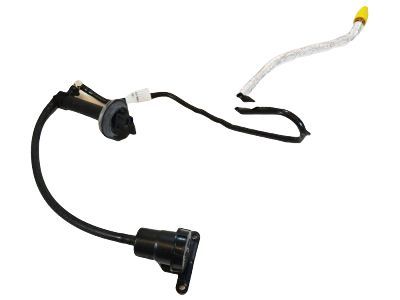
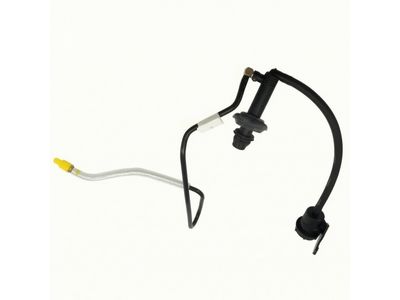
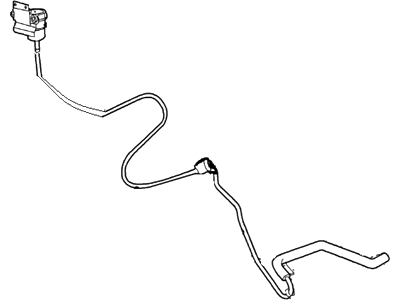
Ford Ranger Master Cylinder Assembly
Part Number: 6L5Z-7A543-AB$68.29 MSRP: $99.83You Save: $31.54 (32%)Ships in 1-3 Business Days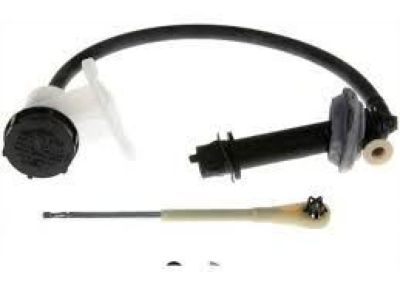
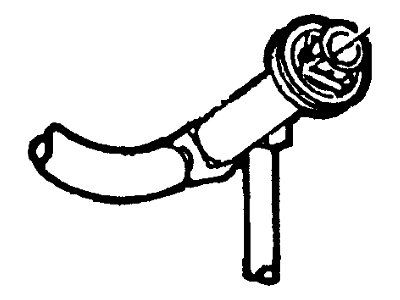
Ford Ranger Master Cylinder Assembly
Part Number: F57Z-7A543-A$80.37 MSRP: $117.50You Save: $37.13 (32%)Ships in 1-3 Business Days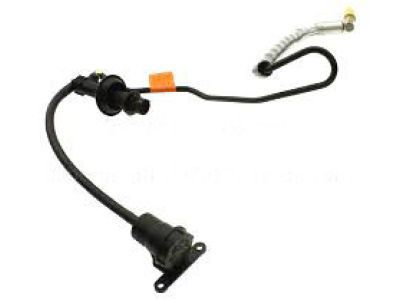
Ford Ranger Master Cylinder Assembly
Part Number: 7L5Z-7A543-B$66.23 MSRP: $96.83You Save: $30.60 (32%)Ships in 1-3 Business Days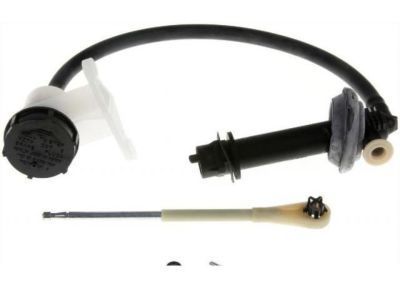
Ford Ranger Master Cylinder Assembly
Part Number: 6L5Z-7A543-AA$68.29 MSRP: $99.83You Save: $31.54 (32%)Ships in 1-3 Business Days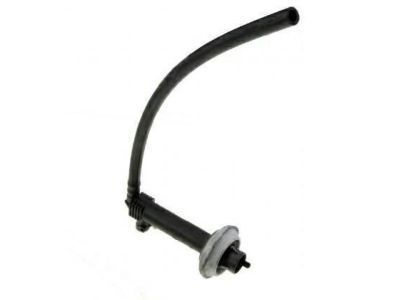
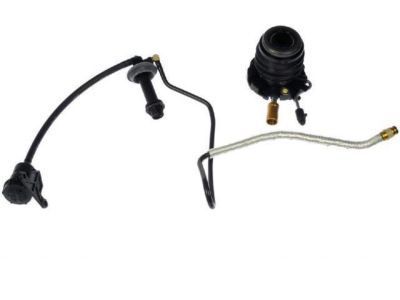
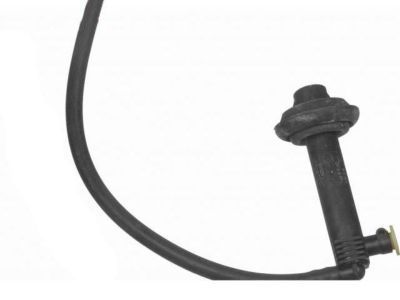
Ford Ranger Master Cylinder Assembly
Part Number: 5L5Z-7A543-AA$68.29 MSRP: $99.83You Save: $31.54 (32%)Ships in 1-3 Business Days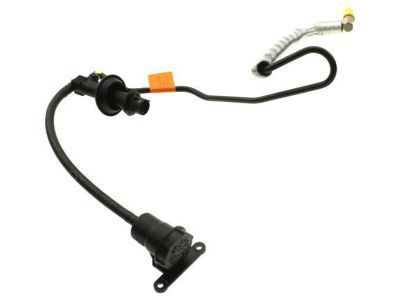
Ford Ranger Master Cylinder Assembly
Part Number: 7L5Z-7A543-A$66.23 MSRP: $96.83You Save: $30.60 (32%)Ships in 1-3 Business Days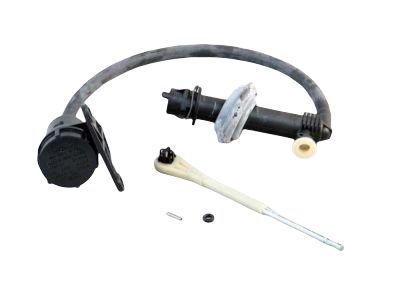
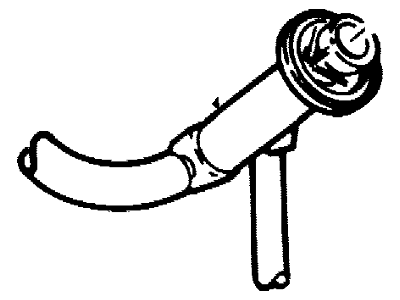
Ford Ranger Master Cylinder Assembly
Part Number: F87Z-7A543-AA$68.29 MSRP: $99.83You Save: $31.54 (32%)

Ford Ranger Clutch Master Cylinder
The Clutch Master Cylinder is chiefly located in Ford Ranger vehicles where its function is to develop the hydraulic pressure required for trigger of the clutch productivity in manual transmission. When pressing the clutch pedal, the Clutch Master Cylinder sends fluid to the slave cylinder and this make the clutch to release the flywheel. With this hydraulic system, prompt shifting of gear and overall performance of the transmission is achieved. Clutch Master Cylinder for Ford Ranger have been developed in several types, but the changes are normally observed in the structure and the material used. Some of the common problems with the Clutch Master Cylinder include the following: Leakage of fluids which causes soft pedals and /or clutch as well as shifting problems. Custody of the Clutch Master Cylinder should be upheld to pass on standardized functionality because of defects that hinder the Ford Ranger vehicles from providing the optimal drive.
We provide a wide range of Ford Ranger Clutch Master Cylinder at the optimal prices. If you need Ford Ranger Clutch Master Cylinder, you can shop with confidence on our website. All our OEM parts come with a manufacturer's warranty and are delivered to your doorstep with a fast delivery service.
Ford Ranger Clutch Master Cylinder Parts Questions & Experts Answers
- Q:How to remove and install the clutch master cylinder on Ford Ranger?A:To remove the clutch master cylinder, first disconnect the negative cable from the battery. Then, disconnect the hydraulic line from the clutch release cylinder. Inside the vehicle, remove the spring clip or retainer bushing and disconnect the pushrod from the top of the clutch pedal, noting that on later models, the driver's side lower kick panel may need to be removed for access. Next, remove the clutch/starter interlock switch or Clutch Pedal Position sensor from the pushrod. The clutch master cylinder is secured in an opening in the firewall; twist it about 45 degrees counterclockwise from the engine side to remove it. For 2011 models, take off the inner fender splash shield and disconnect the hydraulic line-to-frame bracket. Remove the master cylinder mounting bolts from the engine side of the firewall, being careful not to spill any fluid, and then take out the master cylinder and reservoir. For installation, insert the master cylinder through the firewall, ensuring the pushrod is correctly positioned on the clutch pedal's pivot pin, then attach it to the firewall and secure it with mounting bolts. Next, attach the master cylinder reservoir and tighten the mounting bolts. Connect the hydraulic line to the slave cylinder, then inside the vehicle, connect the pushrod to the clutch pedal and install the clip or retainer bushing, using a new clip for 2011 models. Reinstall the clutch/starter interlock switch, reconnect the negative cable to the battery, fill the clutch master cylinder reservoir with brake fluid that meets DOT 3 specifications, and bleed the clutch system.
Related Ford Ranger Parts
 Ford Ranger Pilot Bearing
 Ford Ranger Clutch Disc
 Ford Ranger Clutch Slave Cylinder
 Ford Ranger Pressure Plate
 Ford Ranger Release Bearing
Browse by Year
2011 Clutch Master Cylinder 2010 Clutch Master Cylinder 2009 Clutch Master Cylinder 2008 Clutch Master Cylinder 2007 Clutch Master Cylinder 2006 Clutch Master Cylinder 2005 Clutch Master Cylinder 2004 Clutch Master Cylinder 1999 Clutch Master Cylinder 1998 Clutch Master Cylinder 1997 Clutch Master Cylinder 1996 Clutch Master Cylinder 1995 Clutch Master Cylinder 1994 Clutch Master Cylinder 1993 Clutch Master Cylinder 1991 Clutch Master Cylinder 1990 Clutch Master Cylinder 1989 Clutch Master Cylinder 1988 Clutch Master Cylinder