My Garage
My Account
Cart
Genuine Ford Explorer Sport Trac Flywheel
Clutch Flywheel- Select Vehicle by Model
- Select Vehicle by VIN
Select Vehicle by Model
orMake
Model
Year
Select Vehicle by VIN
For the most accurate results, select vehicle by your VIN (Vehicle Identification Number).
4 Flywheels found
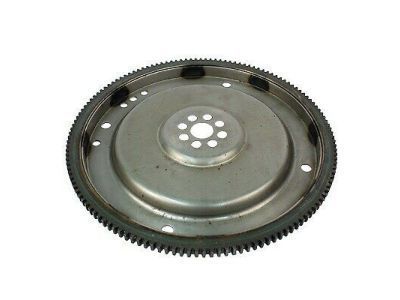
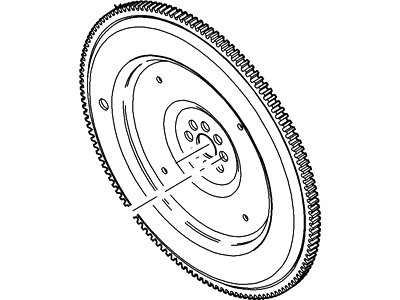
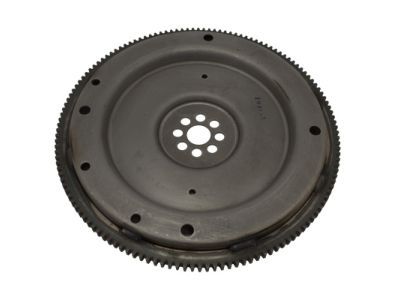
Ford Explorer Sport Trac Flywheel Assembly
Part Number: 1L2Z-6375-CA$63.16 MSRP: $92.33You Save: $29.17 (32%)Ships in 1-3 Business Days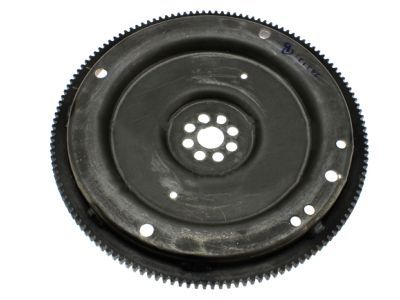
Ford Explorer Sport Trac Flywheel Assembly
Part Number: F77Z-6375-AA$57.00 MSRP: $83.33You Save: $26.33 (32%)Ships in 1-3 Business Days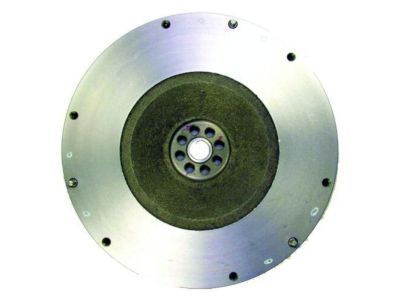
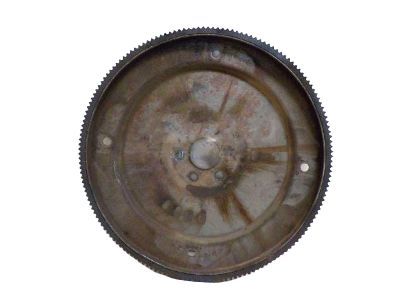
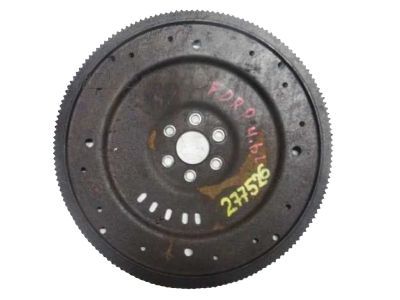
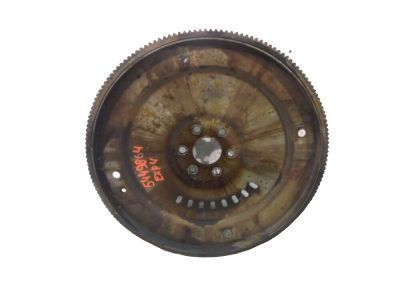

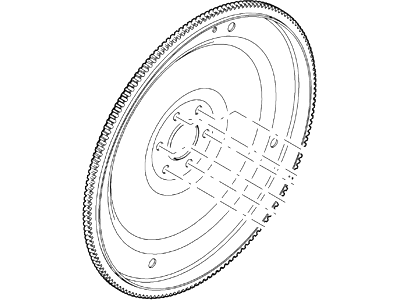
Ford Explorer Sport Trac Flywheel
The Ford Explorer Sport Trac Flywheel helps manage engine power, initiates starting, and provides a friction surface for the clutch to prevent rough driving. Mounted to the crankshaft, this Explorer Sport Trac Flywheel stores energy so combustion pulses can deliver consistent power, while the ring gear fixes with the starter motor when you turn the ignition key. Its face grips the clutch disc to connect the engine with the transmission. Throughout the years, the Explorer Sport Trac models have applied two styles, a regular solid Flywheel and a Dual Mass version. The solid design refers to one heavy disc that can occasionally be resurfaced, but only minimal metal removal is allowed per Ford specifications. The Dual Mass Flywheel uses spring dampers to sandwich the componentry that absorbs vibration and enhances the feel of the clutch during gear shifts. However, the internal parts may fail, and resurfacing is not usually recommended, so replacement is the answer. A worn Flywheel can show scoring, cracks, or damaged teeth on the ring gear. Replacing the Flywheel will help you maintain smooth and reliable Ford Explorer Sport Trac performance throughout every clutch cycle. It just goes to show how much Ford values driveline smoothness.
We provide a wide range of Ford Explorer Sport Trac Flywheel at the optimal prices. If you need Ford Explorer Sport Trac Flywheel, you can shop with confidence on our website. All our OEM parts come with a manufacturer's warranty and are delivered to your doorstep with a fast delivery service.
Ford Explorer Sport Trac Flywheel Parts Questions & Experts Answers
- Q:How to properly remove and reinstall the flywheel/drive plate in 4.0L pushrod V6 engine on Ford Explorer Sport Trac?A:Put your car on jack stands while following this rule. Before you lift it, turn off the vehicle's Automatic Ride Control option to stop air suspension damage. To service a manual transmission vehicle, you need to take off the two parts that press the clutch together. Make marks on the flywheel/drive plate and crankshaft that will help you get the pieces exactly right when you put them back together. Take off the flywheel/drive plate's bolts from the crankshaft, holding the heavy flywheel securely when you remove it. If the crankshaft turns while you work, put a screwdriver through the starter opening to lock the flywheel. Pay attention that newer cars (model year 1997 and later) have eight bolts on their flywheels, while older models have six. Slowly take off and hold the flywheel/drive plate, then remove the last bolt from its crankshaft position. Scrub the flywheel clean of grease and oil, then check the surface for cracks, failed rivets, burnt patches, and shallow scars, with shallow grooves that you can remove by sanding. Put the flywheel flat on a ground surface, and check for cracked ring gear teeth by running a ruler over its back. First, carefully clean and check both the flywheel/drive plate and crankshaft for damage. Reinstall the rear seal when the crankshaft shows signs of leakage. Combine the flywheel/drive plate with the crankshaft, match the marks you made while taking it apart, and remember some vehicles need a special alignment tool or slight bolt hole differences for right assembly. Before installing the bolt, apply a thickening liquid onto its thread. At the same time, push your screwdriver into the hole where the starter is located to stop the flywheel/drive plate from spinning when you tighten the bolts. The rest of the installation process works in the exact opposite way we removed the components earlier.