My Garage
My Account
Cart
Genuine Ford Explorer Sport Trac Ball Joint
Control Arm Joint- Select Vehicle by Model
- Select Vehicle by VIN
Select Vehicle by Model
orMake
Model
Year
Select Vehicle by VIN
For the most accurate results, select vehicle by your VIN (Vehicle Identification Number).
2 Ball Joints found
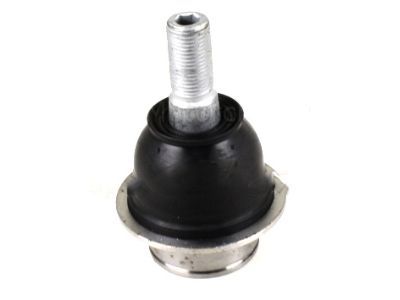
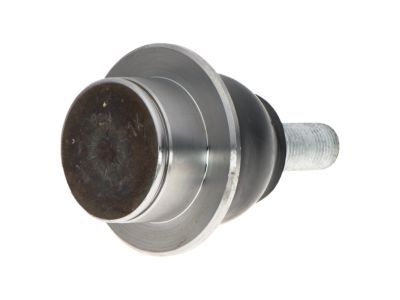
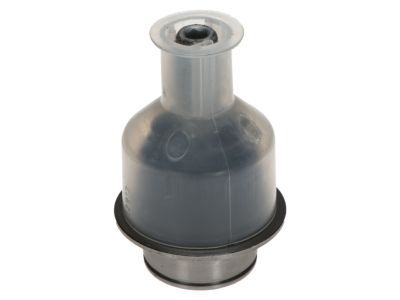
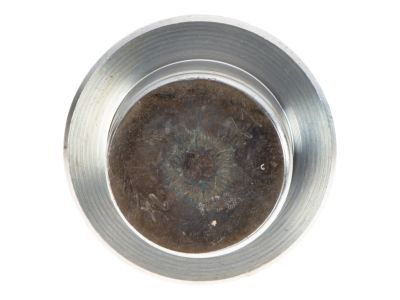
Ford Explorer Sport Trac Ball Joint Assembly
Part Number: 7L2Z-3050-A$44.97 MSRP: $70.60You Save: $25.63 (37%)Ships in 1-2 Business Days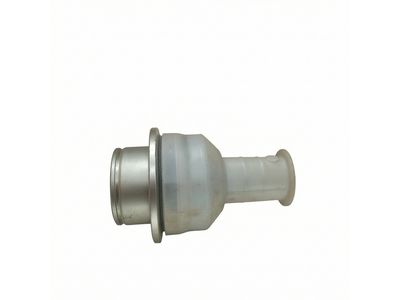
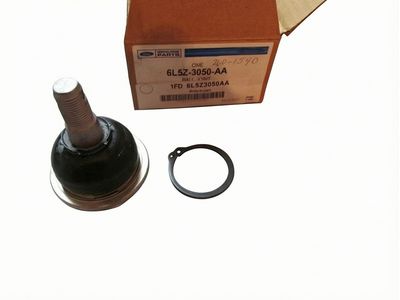
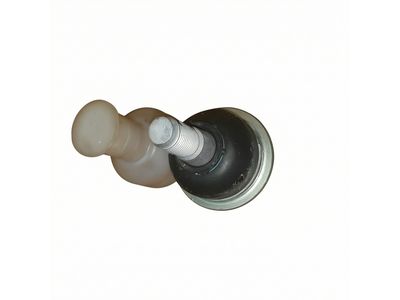
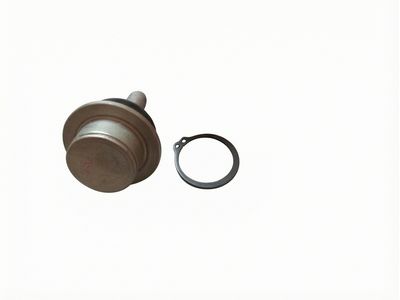
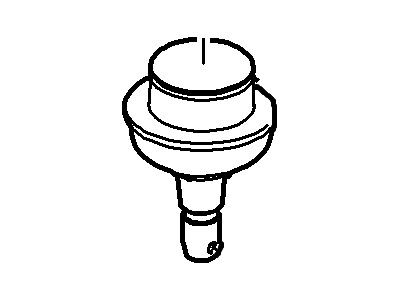
Ford Explorer Sport Trac Ball Joint Assembly
Part Number: 6L5Z-3050-AA$47.14 MSRP: $76.36You Save: $29.22 (39%)Ships in 1 Business Day
Ford Explorer Sport Trac Ball Joint
Ford explorer sport trac ball joint is an important component of suspension and steering system because it links the control arms and the steering knuckles. This component is made in order to allow some kind of movement in two planes which inform the vehicle about the road conditions and the direction it has been steered to. Mainly of Steel material, the Ball Joint contains a stud and bearing along with a socket area covered by Rubber Boot to avoid contact with any dirty substances and to lubricate the joint. It is also important to note that, Ford Explorer Sport Trac vehicles can have either Load bearing Ball Joints or Non Load bearing Ball Joints. Load-bearing Ball Joints hold weight of the car while non load bearing Ball Joints align parts without holding the weight. Ball Joints are components that may wear over a period of time due to usage and lack of adequate lubrication and some of the signs include noise and abnormal wearing off of tires. Some of the available replacement options are the adjustable Ball Joints, which makes it possible to get excellent alignment and performance characteristics, therefore ensuring that the Ford Explorer Sport Trac is stable on the roads.
We provide a wide range of Ford Explorer Sport Trac Ball Joint at the optimal prices. If you need Ford Explorer Sport Trac Ball Joint, you can shop with confidence on our website. All our OEM parts come with a manufacturer's warranty and are delivered to your doorstep with a fast delivery service.
Ford Explorer Sport Trac Ball Joint Parts Questions & Experts Answers
- Q:How to remove and install ball joints on the Ford Explorer Sport Trac?A:Beginning with models built in 1995, Control Arm makers combined both the ball joints in one part with the arms. If the balljoint fails or wears out, you must replace both the balljoint and the entire control arm to fix it. In 2005 model years, you can replace the lower balljoint by first removing the Spindle/knuckle, then taking out a retaining snap-ring, and using a balljoint removal tool to press the balljoint out of the control arm. The process to reinstall balljoints is opposite to how they were taken apart.