My Garage
My Account
Cart
Genuine Ford Explorer Release Bearing
Clutch Release Throw Out Bearing- Select Vehicle by Model
- Select Vehicle by VIN
Select Vehicle by Model
orMake
Model
Year
Select Vehicle by VIN
For the most accurate results, select vehicle by your VIN (Vehicle Identification Number).
2 Release Bearings found
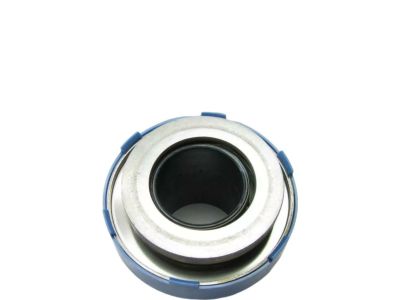
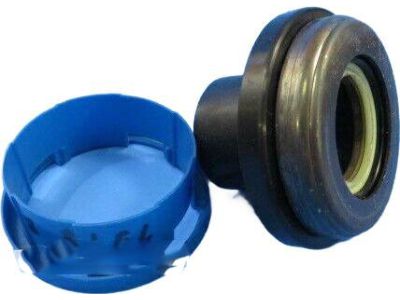
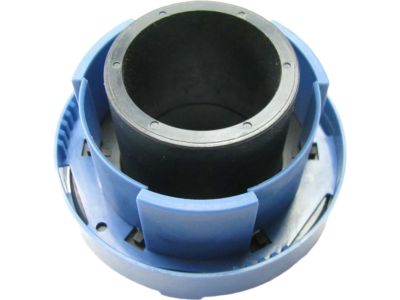
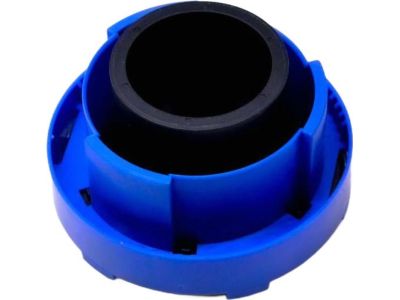
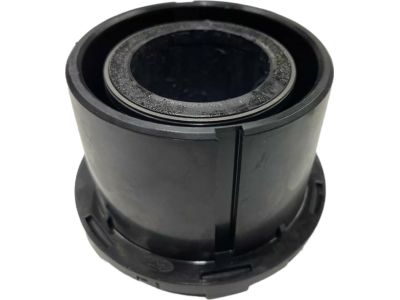
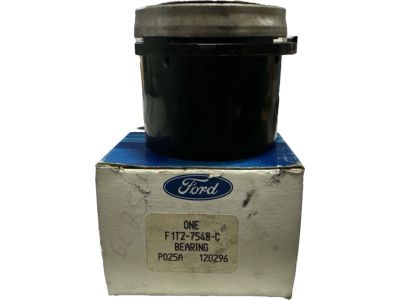

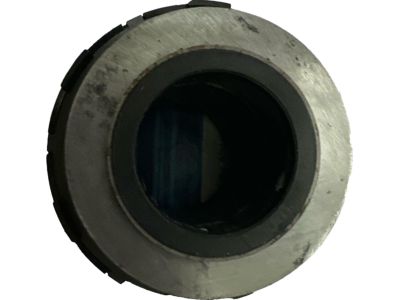
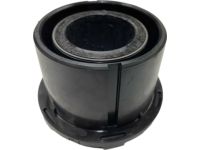
Ford Explorer Release Bearing
When you press the clutch in your vehicle, the Ford Explorer Release Bearing performs its job by separating the engine from the gearbox. This allows for shifts to take place without grinding. At rest on the clutch housing, the Release Bearing slides forward to the pressure plate when the force of the pedal action transmitted either by a hydraulic line in a newer system or a cable in an older one pushes against the spring fingers and releases the clutch disc so that the next gear can be accepted by the transmission. As the pedal rises, the bearing retreats and the power flows again. The early manual models of the Explorer generation had a cable-driven Release Bearing. The current Explorer units favor hydraulic actuation. The key difference is how the motion of the pedal is transmitted and how the unit maintains alignment. Bearings are generally sealed for life for the modern Ford driver. Irrespective of the style applied, Ford designed the rollers to remain evenly spaced and well-lubricated, as a noisy Release Bearing can cause rattling, vibrating, or stiffening of the pedal. The Release Bearing in the Explorer can be noisy if wear permits too much clearance in the Ford clutch.
We provide a wide range of Ford Explorer Release Bearing at the optimal prices. If you need Ford Explorer Release Bearing, you can shop with confidence on our website. All our OEM parts come with a manufacturer's warranty and are delivered to your doorstep with a fast delivery service.
Ford Explorer Release Bearing Parts Questions & Experts Answers
- Q:How to remove and inspect Release Bearing on Ford Explorer?A:Removal and inspection begins with the removal of the transmission. On 1993 and earlier models, twist the release bearing and carrier assembly until you feel resistance, then keep turning the assembly; the preload spring will push the release bearing off the release cylinder. On 1994 through 2000 models, push the release bearing against the spring far enough to expose the retaining ring, then pry out the retaining ring and remove the bearing. On 2001 models the release bearing is not a replaceable component. If the bearing is worn-out, the entire release cylinder must be replaced. Hold the center of the bearing and rotate the outer portion while applying pressure. If the bearing doesn't turn smoothly or it's noisy, replace it with a new one. Wipe the bearing with a clean rag and inspect it for damage, wear and cracks. Don't immerse the bearing in solvent - it's sealed for life and to do so would ruin it. For installation, apply a light coat of high-temperature lithium based grease to the face of the release bearing, where it contacts the pressure plate diaphragm fingers. Lubricate the inner bore of the bearing and bearing carrier with a synthetic long-life grease. Don't use petroleum-based grease. Push the release bearing and carrier onto the slave cylinder until it bottoms out. Finally, install the transmission.