

My Garage
My Account
Cart
Genuine Ford Expedition Crankshaft
Crank Shaft- Select Vehicle by Model
- Select Vehicle by VIN
Select Vehicle by Model
orMake
Model
Year
Select Vehicle by VIN
For the most accurate results, select vehicle by your VIN (Vehicle Identification Number).
11 Crankshafts found
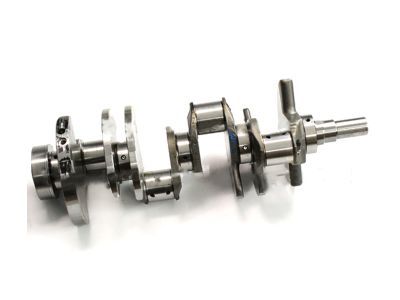
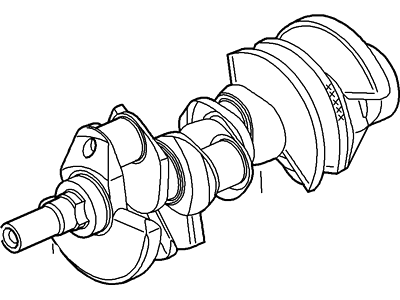
Ford Expedition Crankshaft Assembly
Part Number: F75Z-6303-AC$234.62 MSRP: $346.67You Save: $112.05 (33%)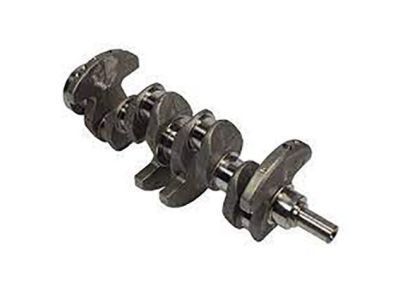
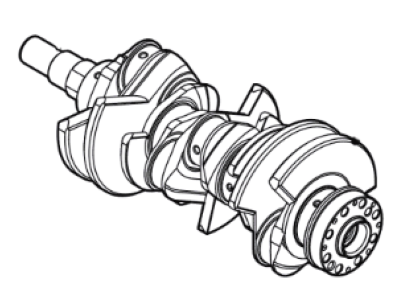
Ford Expedition Crankshaft Assembly
Part Number: HL3Z-6303-A$252.67 MSRP: $373.33You Save: $120.66 (33%)Ships in 1-3 Business Days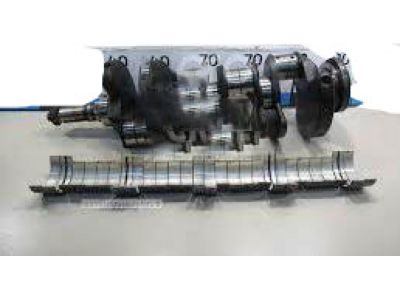
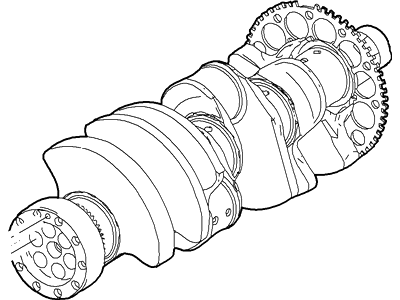
Ford Expedition Crankshaft Assembly
Part Number: 1L3Z-6303-BA$234.62 MSRP: $346.67You Save: $112.05 (33%)Ships in 1-3 Business Days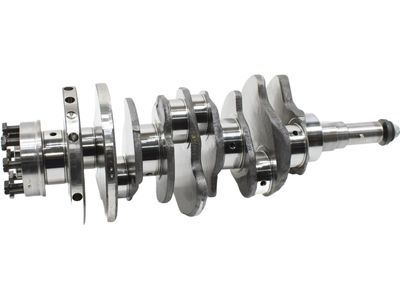
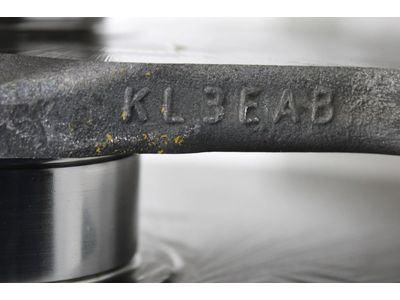
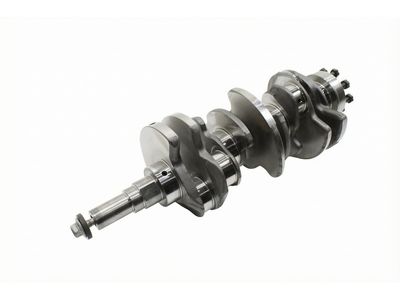
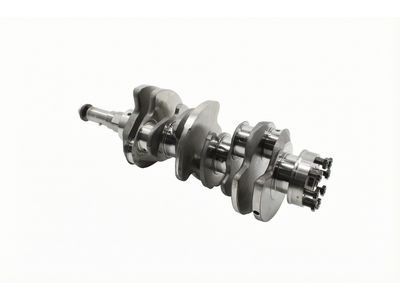
Ford Expedition Crankshaft Assembly
Part Number: KL3Z-6303-C$278.62 MSRP: $411.67You Save: $133.05 (33%)Ships in 1-3 Business DaysFord Expedition Crankshaft Assembly
Part Number: XL3Z-6303-CA$234.62 MSRP: $346.67You Save: $112.05 (33%)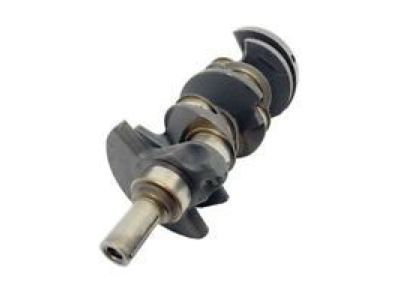
Ford Expedition Crankshaft Assembly
Part Number: JL3Z-6303-B$249.29 MSRP: $368.33You Save: $119.04 (33%)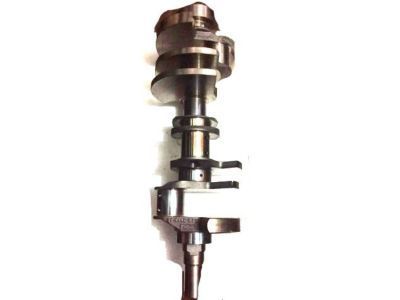
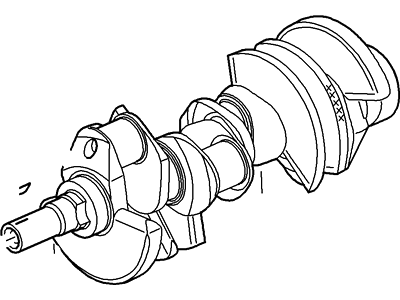
Ford Expedition Crankshaft Assembly
Part Number: 2C5Z-6303-AA$291.59 MSRP: $430.83You Save: $139.24 (33%)
Ford Expedition Crankshaft Assembly
Part Number: JL3Z-6303-C$249.29 MSRP: $368.33You Save: $119.04 (33%)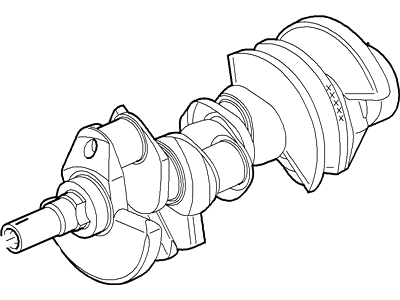
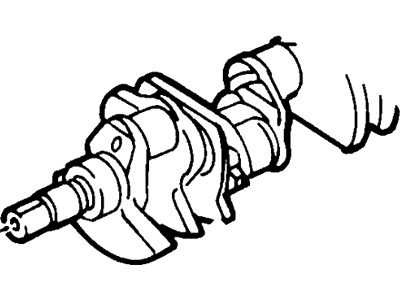
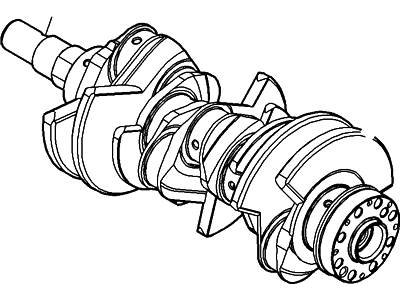
Ford Expedition Crankshaft
The Ford Expedition Crankshaft converts up and down piston movement into the smooth spin that ultimately drives the transmission and wheels. Deep in the engine block, the Crankshaft spins on precision journals while connecting rods use offset throws to change reciprocation into rotation. Early and current Expedition models use sturdy cast iron Crankshaft pieces for regular power, while high output versions get forged steel for greater strength. All Ford designs share the basic pattern of main and rod journals plus counterweights to keep balance and cut vibration. Poor lubrication lets grit score journals, widen clearances, cause metal contact, and trigger the well known knocking noise. When a Crankshaft fails, replacement means lifting the engine, removing numbered bearing caps, sliding in a straight new shaft, greasing journals, and torquing caps before reinstallation. With routine oil changes, a healthy Ford engine lets its Expedition Crankshaft run for the life of the vehicle. Smart upkeep preserves classic Ford dependability and the long term value of every Expedition.
We provide a wide range of Ford Expedition Crankshaft at the optimal prices. If you need Ford Expedition Crankshaft, you can shop with confidence on our website. All our OEM parts come with a manufacturer's warranty and are delivered to your doorstep with a fast delivery service.
Ford Expedition Crankshaft Parts Questions & Experts Answers
- Q:How to properly inspect and prepare a crankshaft for reassembly on Ford Expedition?A:Remove all burrs from the crankshaft oil holes using a stone, file, or scraper to ensure the oil holes are chamfered, preventing sharp edges from gouging or scratching the new bearings. Clean the crankshaft with solvent and dry it with compressed air if available, ensuring to clean the oil holes with a stiff brush and flush them with solvent. Inspect the main and connecting rod bearing journals for uneven wear, scoring, pits, and cracks, and check the rest of the crankshaft for cracks and other damage, utilizing magnafluxing to reveal hidden issues, which can be handled by an automotive machine shop. Measure the diameter of the main and connecting rod journals with a micrometer, comparing results at several points to detect taper and out-of-round conditions, taking measurements at each end of the journal near the crank throws. If the journals are damaged, tapered, out-of-round, or worn beyond specified limits, have the crankshaft reground by an automotive machine shop, ensuring the use of the correct size bearing inserts if reconditioned. Examine the oil seal journals at each end of the crankshaft for wear and damage; if grooves, nicks, or scratches are present, the new seal may leak upon reassembly. An automotive machine shop may repair the journal by pressing on a thin sleeve, but if repair isn't feasible, consider installing a new or different crankshaft.
Related Ford Expedition Parts
 Ford Expedition Crankshaft Thrust Washer Set
 Ford Expedition Rod Bearing
 Ford Expedition Crankshaft Pulley
 Ford Expedition Oil Pump
 Ford Expedition Oil Pan
 Ford Expedition Cam Gear
 Ford Expedition Piston Ring Set
 Ford Expedition Camshaft
 Ford Expedition Oil Pump Gasket
 Ford Expedition Oil Pan Gasket
 Ford Expedition Crankshaft Gear
Browse by Year
2025 Crankshaft 2024 Crankshaft 2023 Crankshaft 2022 Crankshaft 2021 Crankshaft 2020 Crankshaft 2019 Crankshaft 2018 Crankshaft 2017 Crankshaft 2016 Crankshaft 2015 Crankshaft 2014 Crankshaft 2013 Crankshaft 2012 Crankshaft 2011 Crankshaft 2010 Crankshaft 2009 Crankshaft 2008 Crankshaft 2007 Crankshaft 2006 Crankshaft 2005 Crankshaft 2004 Crankshaft 2003 Crankshaft 2002 Crankshaft 2001 Crankshaft 2000 Crankshaft 1999 Crankshaft 1998 Crankshaft 1997 Crankshaft