

My Garage
My Account
Cart
Genuine Ford Bronco Headlamp
Headlight- Select Vehicle by Model
- Select Vehicle by VIN
Select Vehicle by Model
orMake
Model
Year
Select Vehicle by VIN
For the most accurate results, select vehicle by your VIN (Vehicle Identification Number).
26 Headlamps found
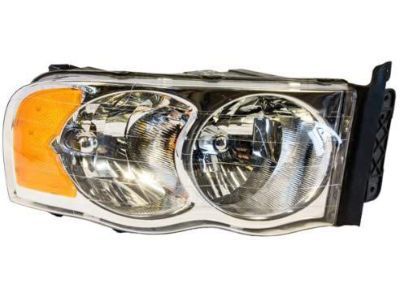
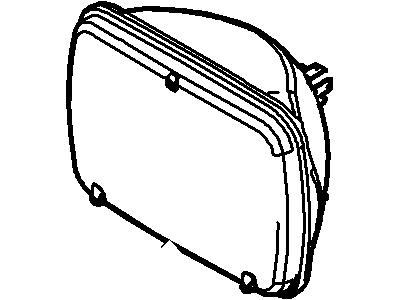
Ford Bronco Headlight Bulb
Part Number: F3UZ-13007-A$52.90 MSRP: $78.55You Save: $25.65 (33%)Ships in 1 Business Day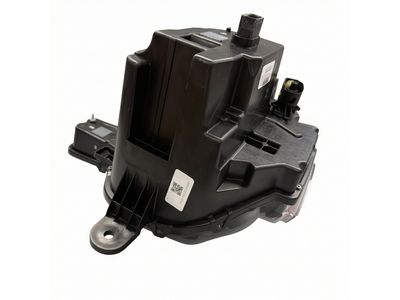
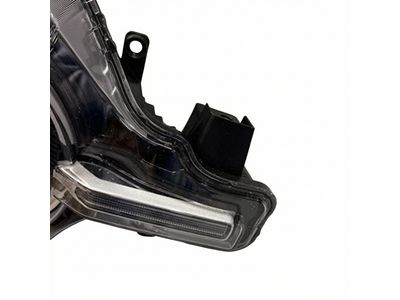
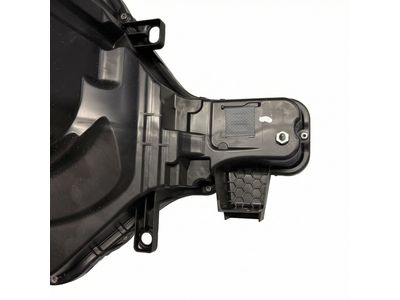
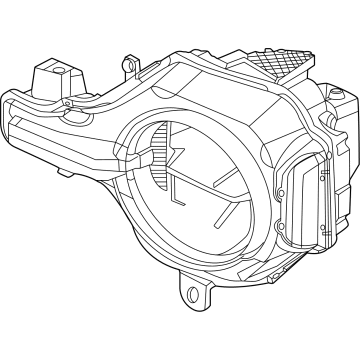
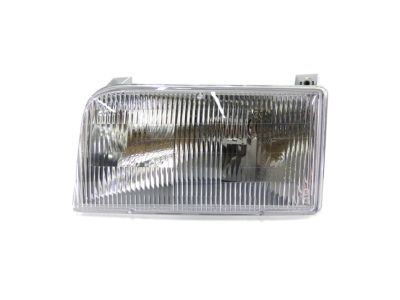
Ford Bronco Composite Assembly
Part Number: P2DZ-13008-B$831.13 MSRP: $1250.20You Save: $419.07 (34%)Ships in 1-2 Business Days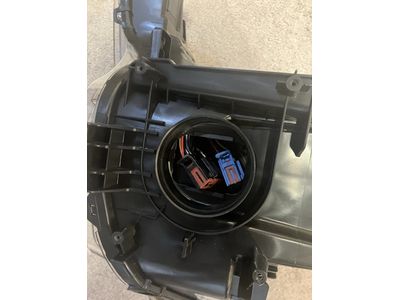
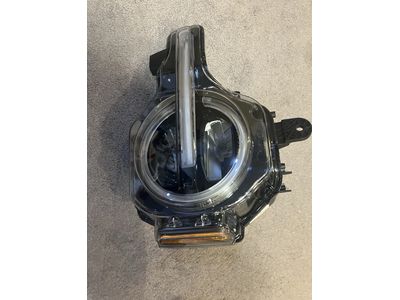
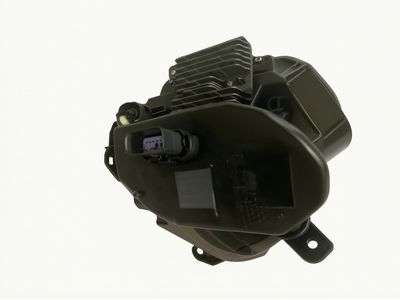
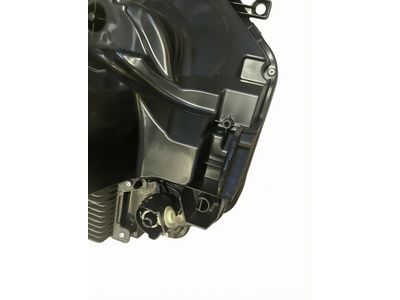
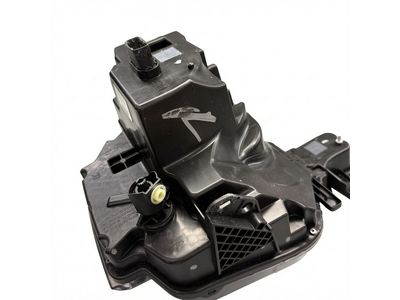
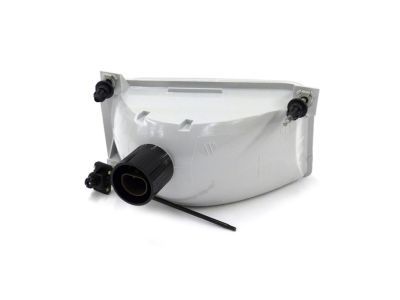
Ford Bronco Composite Assembly
Part Number: P2DZ-13008-C$1045.00 MSRP: $1666.67You Save: $621.67 (38%)Ships in 1-2 Business DaysFord Bronco Composite Assembly
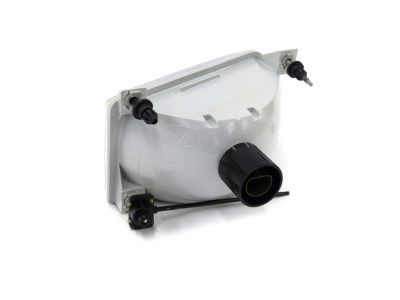
Part Number: P2DZ-13008-A$817.63 MSRP: $1250.20You Save: $432.57 (35%)Ships in 1-2 Business Days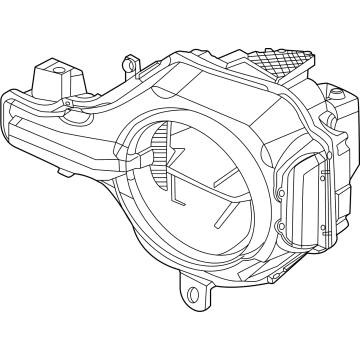
Ford Bronco Composite Assembly
Part Number: P2DZ-13008-E$1108.00 MSRP: $1666.67You Save: $558.67 (34%)Ships in 1-2 Business DaysFord Bronco Composite Assembly
Part Number: P2DZ-13008-F$1108.00 MSRP: $1666.67You Save: $558.67 (34%)Ships in 1-2 Business DaysFord Bronco Composite Assembly
Part Number: P2DZ-13008-D$1255.14 MSRP: $1888.00You Save: $632.86 (34%)Ships in 1-2 Business DaysFord Bronco Headlamp Assembly
Part Number: M2DZ-13008-H$831.13 MSRP: $1250.20You Save: $419.07 (34%)Ships in 1-2 Business DaysFord Bronco Composite Assembly
Part Number: N2DZ-13008-A$1255.14 MSRP: $1888.00You Save: $632.86 (34%)Ships in 1-2 Business Days
Ford Bronco Composite Assembly
Part Number: P2DZ-13008-G$1108.00 MSRP: $1666.67You Save: $558.67 (34%)Ships in 1-2 Business DaysFord Bronco Composite Assembly
Part Number: P2DZ-13008-K$1108.00 MSRP: $1666.67You Save: $558.67 (34%)Ships in 1-2 Business Days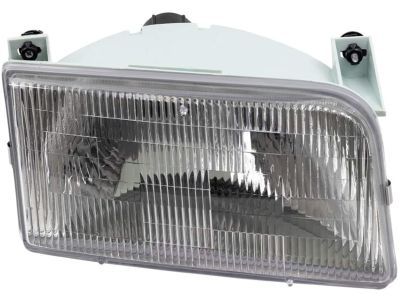
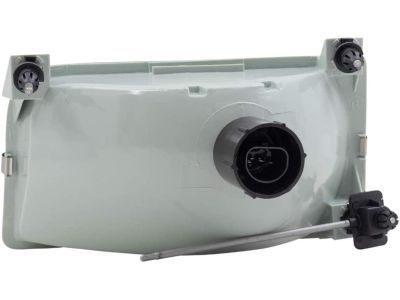
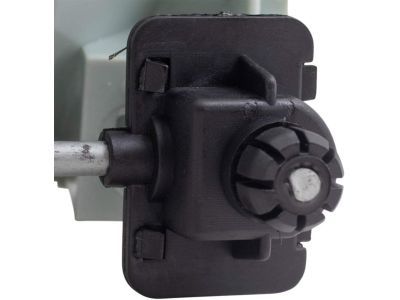
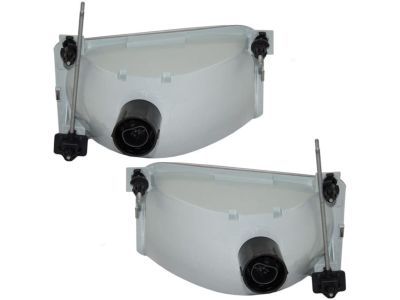
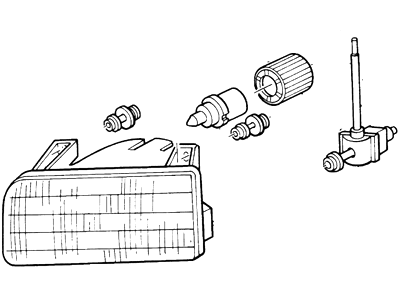
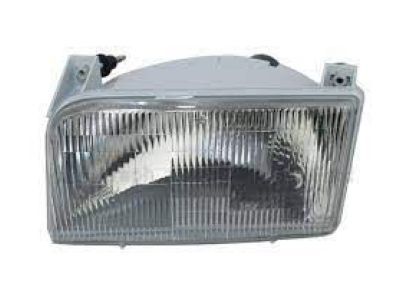
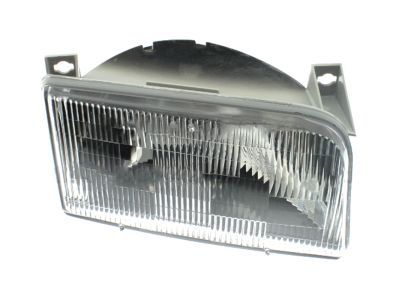
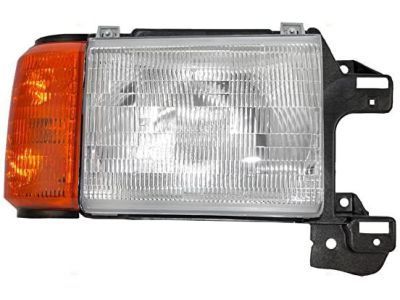
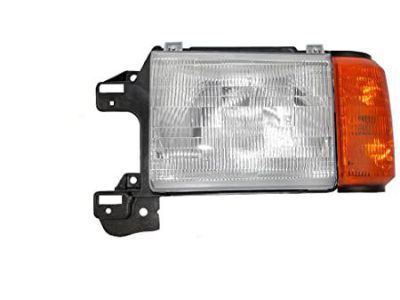
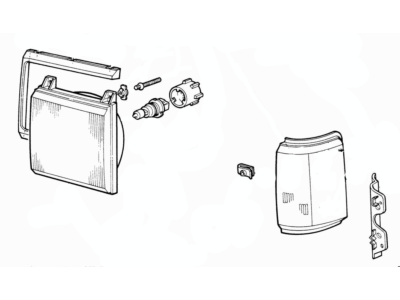
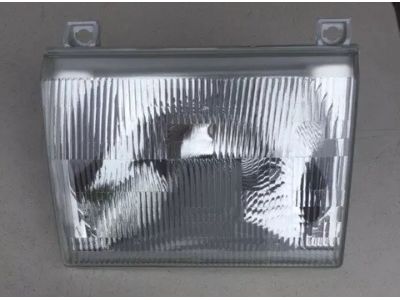
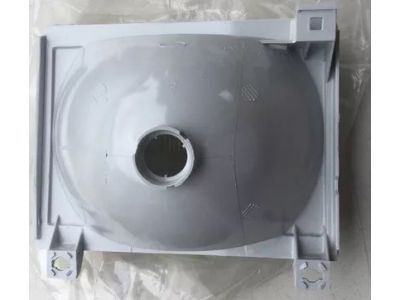
| Page 1 of 2 |Next >
1-20 of 26 Results
Ford Bronco Headlamp
The Headlamp of Ford Bronco vehicles can be seen to have general functions of lighting the road ahead in order to see the path when it is dark as well as making the vehicle conspicuous to the other road users. For the lights of the vehicle there have been used halogen, LED and Xenon (HID) Headlamps which have over the years been incorporated into the Ford Bronco models. Halogen is the most usual type of Headlamps because of their low price but they have much shorter service life than LEDs and xenons. LED Headlamps demand in newer-model vehicles and guarantee energy efficiency and a long life span, Xenon Headlamps. A distinctive bluish light without a metal filament. These two types of Ford Bronco Headlamp provide different benefits to the owner so that the owner can decide according to the level of brightness, durability, and power consumption that is owned.
We provide a wide range of Ford Bronco Headlamp at the optimal prices. If you need Ford Bronco Headlamp, you can shop with confidence on our website. All our OEM parts come with a manufacturer's warranty and are delivered to your doorstep with a fast delivery service.
Ford Bronco Headlamp Parts Questions & Experts Answers
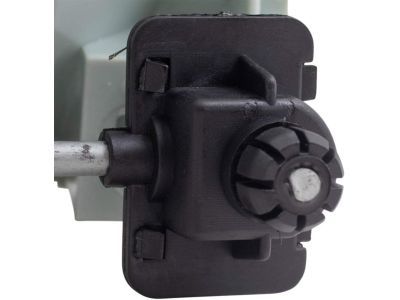
- Q:How important is it to aim Headlamps correctly on Ford Bronco?A:It is important that the Headlamps be aimed correctly to avoid blinding the driver of an oncoming vehicle, which could lead to serious accidents or impair visibility. Headlamps should be checked for proper aim every 12 months and whenever a new Headlamp is installed or front-end body work is done. Earlier model sealed beam Headlamps have two spring-loaded adjusting screws, one on top for up-and-down movement and one on the side for left-and-right movement, while later aerodynamically styled halogen Headlamps use one upper adjusting screw for left-and-right movement and an inner corner angle drive mechanism for up-and-down movement. To adjust the Headlamps, a blank wall 25 feet in front of the vehicle and a level floor are needed. Vertical masking tape should be positioned on the wall in line with the vehicle centerline and the centerlines of both Headlamps, along with a horizontal tape line referencing the centerline of all Headlamps. The vehicle should be level, with the gas tank half-full and no unusually heavy load. For low beam adjustment, the high-intensity zone should be set two inches below the horizontal line and two inches to the side of the Headlamp vertical line, away from oncoming traffic, using the appropriate adjusting screw. With high beams on, the high-intensity zone should be vertically centered just below the horizontal line, keeping in mind that low beams are more frequently used and crucial for driver safety. It is advisable to have the Headlamps adjusted by a dealer service department as soon as possible.
Related Ford Bronco Parts
 Ford Bronco Fog Light Bulb
 Ford Bronco Headlight Bulb
 Ford Bronco Tail Light
 Ford Bronco Turn Signal Switch
 Ford Bronco Headlight Switch
 Ford Bronco Bumper
 Ford Bronco Fog Light
 Ford Bronco Instrument Panel Light Bulbs
 Ford Bronco Interior Light Bulbs
 Ford Bronco Fog Light Lens
 Ford Bronco HID Headlight Ballast
Browse by Year
2025 Headlamp 2024 Headlamp 2023 Headlamp 2022 Headlamp 2021 Headlamp 1996 Headlamp 1995 Headlamp 1994 Headlamp 1993 Headlamp 1992 Headlamp 1991 Headlamp 1990 Headlamp 1989 Headlamp 1988 Headlamp 1987 Headlamp 1986 Headlamp 1985 Headlamp 1984 Headlamp 1983 Headlamp 1982 Headlamp 1981 Headlamp 1980 Headlamp