

My Garage
My Account
Cart
Genuine 2001 Ford Ranger Cylinder Head
Head- Select Vehicle by Model
- Select Vehicle by VIN
Select Vehicle by Model
orMake
Model
Year
Select Vehicle by VIN
For the most accurate results, select vehicle by your VIN (Vehicle Identification Number).
10 Cylinder Heads found
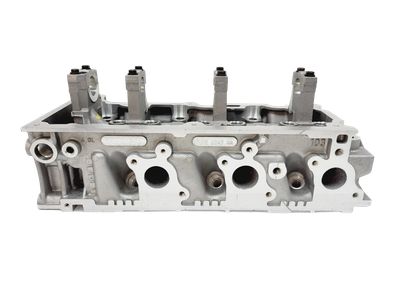
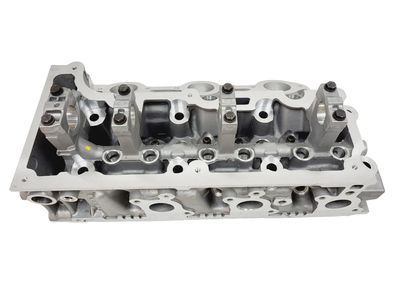
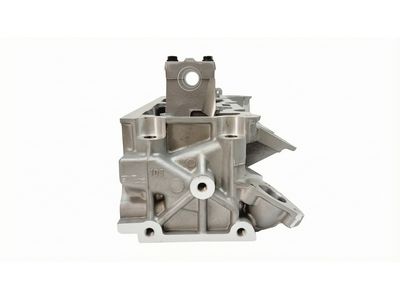
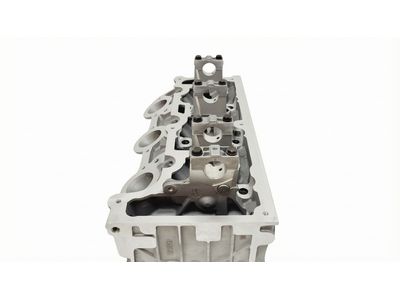
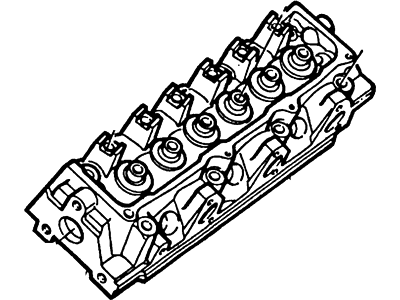
2001 Ford Ranger Cylinder Head Assembly
Part Number: 1L2Z-6049-GA$1649.52 MSRP: $2283.08You Save: $633.56 (28%)Ships in 1-3 Business DaysProduct Specifications- Position: Passenger Side
- Replaced by: 7U7Z-6049-A
- Item Weight: 27.40 Pounds
- Item Dimensions: 9.9 x 6.8 x 11.6 inches
- Condition: New
- Fitment Type: Direct Replacement
- SKU: 1L2Z-6049-GA
- Warranty: This genuine part is guaranteed by Ford's factory warranty.


2001 Ford Ranger Cylinder Head
Part Number: 3S7Z-6049-BB$523.86 MSRP: $718.46You Save: $194.60 (28%)Ships in 1-3 Business DaysProduct Specifications- Other Name: Cylinder Head Assembly; Cylinder Head
- Replaces: 8U7Z-6049-A
- Base No.: 6049
- Item Weight: 37.70 Pounds
- Item Dimensions: 26.3 x 15.6 x 13.7 inches
- Condition: New
- Fitment Type: Direct Replacement
- SKU: 3S7Z-6049-BB
- Warranty: This genuine part is guaranteed by Ford's factory warranty.
2001 Ford Ranger Cylinder Head
Part Number: 7U7Z-6049-AARH$812.56 MSRP: $1128.78You Save: $316.22 (29%)Ships in 1-2 Business DaysProduct Specifications- Other Name: Cylinder Head Assembly; Cylinder Head
- Position: Passenger Side
- Replaces: 1L2Z-6049-JA, 5L2Z-6049-AA, 7R3Z-6049-A, 5R3Z-6049-AB, 6L2Z-6049-A, XL2Z-6049-CA, YL2Z-6049-CA
- Base No.: 6049
- Item Weight: 30.30 Pounds
- Item Dimensions: 20.6 x 13.7 x 12.1 inches
- Condition: New
- Fitment Type: Direct Replacement
- SKU: 7U7Z-6049-AARH
- Warranty: This genuine part is guaranteed by Ford's factory warranty.
2001 Ford Ranger Cylinder Head Assembly
Part Number: 1S7Z-6049-BA$550.49 MSRP: $752.31You Save: $201.82 (27%)Ships in 1-3 Business DaysProduct Specifications- Replaced by: 6S4Z-6049-B
- Item Weight: 35.80 Pounds
- Item Dimensions: 6.7 x 7.5 x 19.2 inches
- Condition: New
- Fitment Type: Direct Replacement
- SKU: 1S7Z-6049-BA
- Warranty: This genuine part is guaranteed by Ford's factory warranty.
- Product Specifications
- Other Name: Kit - Remanufactured Cylinder Head
- Base No.: 6V049
- Item Dimensions: 6.2 x 6.2 x 18.5 inches
- Condition: Remanufactured
- Fitment Type: Direct Replacement
- SKU: YF1Z-6V049-BARM
- Warranty: This genuine part is guaranteed by Ford's factory warranty.
- Product Specifications
- Other Name: Kit - Remanufactured Cylinder Head
- Manufacturer Note: Includes Valves, Springs, Cam & Followers, Motorcraft reman assembly
- Base No.: 6V049
- Item Dimensions: 6.7 x 7.8 x 19.8 inches
- Condition: Remanufactured
- Fitment Type: Direct Replacement
- SKU: F87Z-6V049-AARM
- Warranty: This genuine part is guaranteed by Ford's factory warranty.
- Product Specifications
- Other Name: Cylinder Head Assy; Cylinder Head
- Position: Driver Side
- Replaces: 1L2Z-6049-FA, 6L5Z-6049-A, 5R3Z-6049-AA, 5H2Z-6049-A, YL2Z-6049-AA, XL2Z-6049-DA
- Base No.: 6049
- Item Weight: 32.90 Pounds
- Item Dimensions: 6.5 x 7.7 x 19.6 inches
- Condition: New
- Fitment Type: Direct Replacement
- SKU: 7U7Z-6049-AALH
- Warranty: This genuine part is guaranteed by Ford's factory warranty.
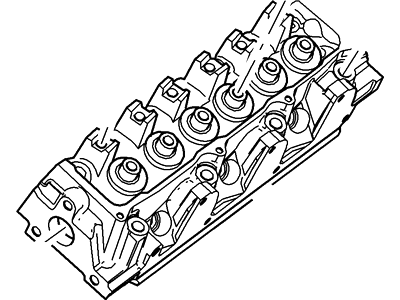 Product Specifications
- Other Name: Cylinder Head Assy; Cylinder Head
- Replaces: YF1Z-6049-DB, YF1Z-6049-EA, YF1Z-6049-DA
- Base No.: 6049
- Item Weight: 32.50 Pounds
- Item Dimensions: 6.6 x 7.7 x 19.6 inches
- Condition: New
- Fitment Type: Direct Replacement
- Require Quantity: 2
- SKU: 6U7Z-6049-A
- Warranty: This genuine part is guaranteed by Ford's factory warranty.
- Product Specifications
- Other Name: Cylinder Head Assy
- Position: Driver Side
- Replaced by: 7U7Z-6049-B
- Item Weight: 29.30 Pounds
- Item Dimensions: 9.8 x 6.8 x 11.6 inches
- Condition: New
- Fitment Type: Direct Replacement
- SKU: 1L2Z-6049-HA
- Warranty: This genuine part is guaranteed by Ford's factory warranty.
- Product Specifications
- Other Name: Cylinder Head Assy
- Manufacturer Note: LH; Without Valves, SOHC
- Position: Driver Side
- Replaced by: 7U7Z-6049-B
- Item Weight: 30.50 Pounds
- Item Dimensions: 9.9 x 6.8 x 11.6 inches
- Condition: New
- Fitment Type: Direct Replacement
- SKU: 1L2Z-6049-EA
- Warranty: This genuine part is guaranteed by Ford's factory warranty.
2001 Ford Ranger Cylinder Head
At FordPartsGiant.com, you will find an extensive inventory of genuine 2001 Ford Ranger Cylinder Head offered at competitive prices online. These manufacturer-backed OEM 2001 Ford Ranger Cylinder Head ensure your satisfaction with their quality and come with a hassle-free return policy and expedited delivery service, guaranteeing a delightful shopping experience.
2001 Ford Ranger Cylinder Head Parts Questions & Experts Answers
- Q:How to remove the cylinder head in 4.0L pushrod V6 engine on 2001 Ford Ranger?Posted by Waldemar H.A:Depending on the head of the bolt other methods may not work, use Torx bit to remove the bolt head; Allen wrench may round of the head of the bolt. Firs step is to remove the negative cable from the battery and then turn the cooling system and empty it. Fourth, take off the valve covers, the rocker arms and the pushrods and finally, the intake manifold. Pull off the drivebelt and should you be pulling off the left cylinder head, disengage the air conditioning compressor but retaining the refrigerant lines. Now that the power steering pump and the bracket have been removed leave the hoses connected but set the pump aside. To obtain the right cylinder head, unfasten the alternator and the bracket which supports it. If there was wiring harness on the rear of either the cylinder head pull , un-tape or cut the wire harness. The spark plugs and the exhaust manifolds require to be unplugged and eliminated thereafter the cylinder head bolts has to be unwired by using a T55 Torx and then discarded and the new bolts need to be installed. Taper the studs gradually and remove the cylinder head from the engine; pry, if required. Scrape out any residues of the gasket material, and wash all the parts with solvent but make sure that the sealing surfaces are not scarred. Employ a tap of the right size to thread the head bolt holes and see whether there is any sign of coolant, oil or any other substance. Align the new gaskets over the dowel pin post on the block without sealant and properly orientate the FRONT TOP marks. Bolt the heads and new head bolts on and tighten it up to the recommended pound force. Insert an acrylic based RTV/ silicone based sealant adhesive at all projected surface contact involvement areas between the block and the cylinder head as well as the intake manifold gasket; spread and apply an equivalent sealant on the manifold gasket at the contact points. Place the intake manifold to the engine, put bolts of intake manifold and then use a wrench for tightening the bolts in proper manner. The rest of the other components are removed in an opposite sequence of which was followed during the installation; then start the engine and look for oil, coolant, and vacuum leaks.Answered by Ford Parts Specialist George / Mar 19, 2026
Related 2001 Ford Ranger Parts
 2001 Ford Ranger Cylinder Head Bolts
 2001 Ford Ranger Intake Valve
 2001 Ford Ranger Timing Cover
 2001 Ford Ranger Rocker Arm
 2001 Ford Ranger Camshaft
 2001 Ford Ranger Cylinder Head Gasket
 2001 Ford Ranger Exhaust Valve
 2001 Ford Ranger Cylinder Head Temperature Sensor
 2001 Ford Ranger Crankshaft Seal