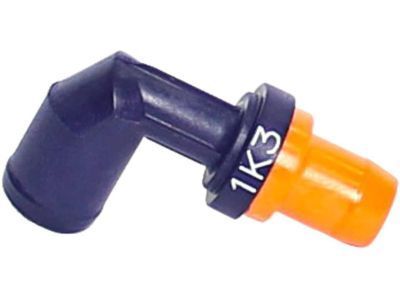
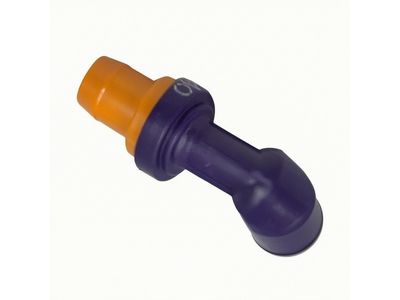
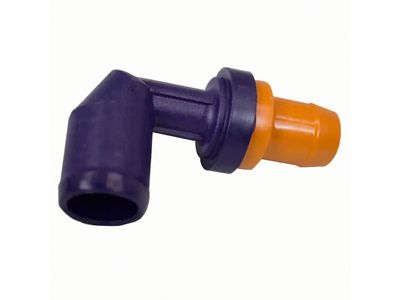
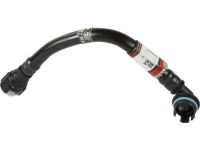
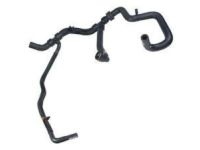
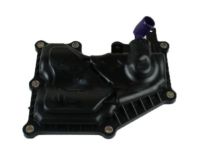
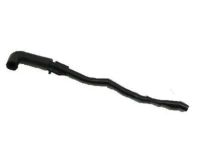
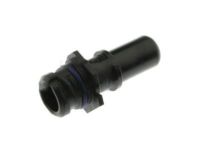
For the proper operation of the PCV system, clean the hoses and the PCV valve as specified in the schedule of car maintenance. For this you will have to find the PCV valve, which is fitted on the oil separator of the left side of SOHC four-cylinder engines. For DOHC four-cylinder engines, you must first take off the driver's side inner fenderwell splash shield if you want to reach the valve. In the 2004 and later 3.0L and 4.0L engines, the valve is located on the back of the camshaft cover, behind the coolant bypass hose next to the hose clip; first release the hose from the retainer clip, and then remove the small round cap that holds the valve on. To check the valve, pull out of the grommet in the oil separator valve cover and shake and if it does not rattle, the valve is stuck and required to be replaced. If it rattles, then it should be reinstalled. Switch on the engine and let it run for a while; unplug the PCV hose; if one can feel suction, then the system is functional. If the perceived vacuum is not there, then there is a possibility that there are losses at the oil filler cap, hoses or even the valve cover gasket or destruction of the valve might be the problem. Screw out the valve and takedown the rubber grommet which is located above the valve and, if faulty should be replaced. In case the valve was blocked there will be a blockage in the hose as well; therefore, you should remove and clean in solvent. After cleaning inspect it for splits and check that it has the right fit on the fittings being used. If needed, put in a new PCV valve as the elbow (if installed) is not included in the new valve but needs to be transferred from the old one. New elbow can be bought and having it soaked in warm water for 45 minutes to an hour will help in installation without the elbow breaking. Last but not the least, fit the clean PCV system hose such that it is well locked to the valve as well as the hose.